

Sim Racing Wheel Base Comparison Guide
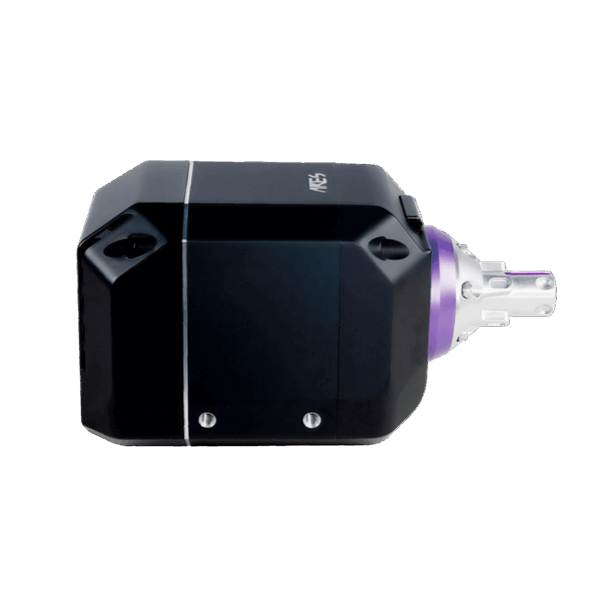
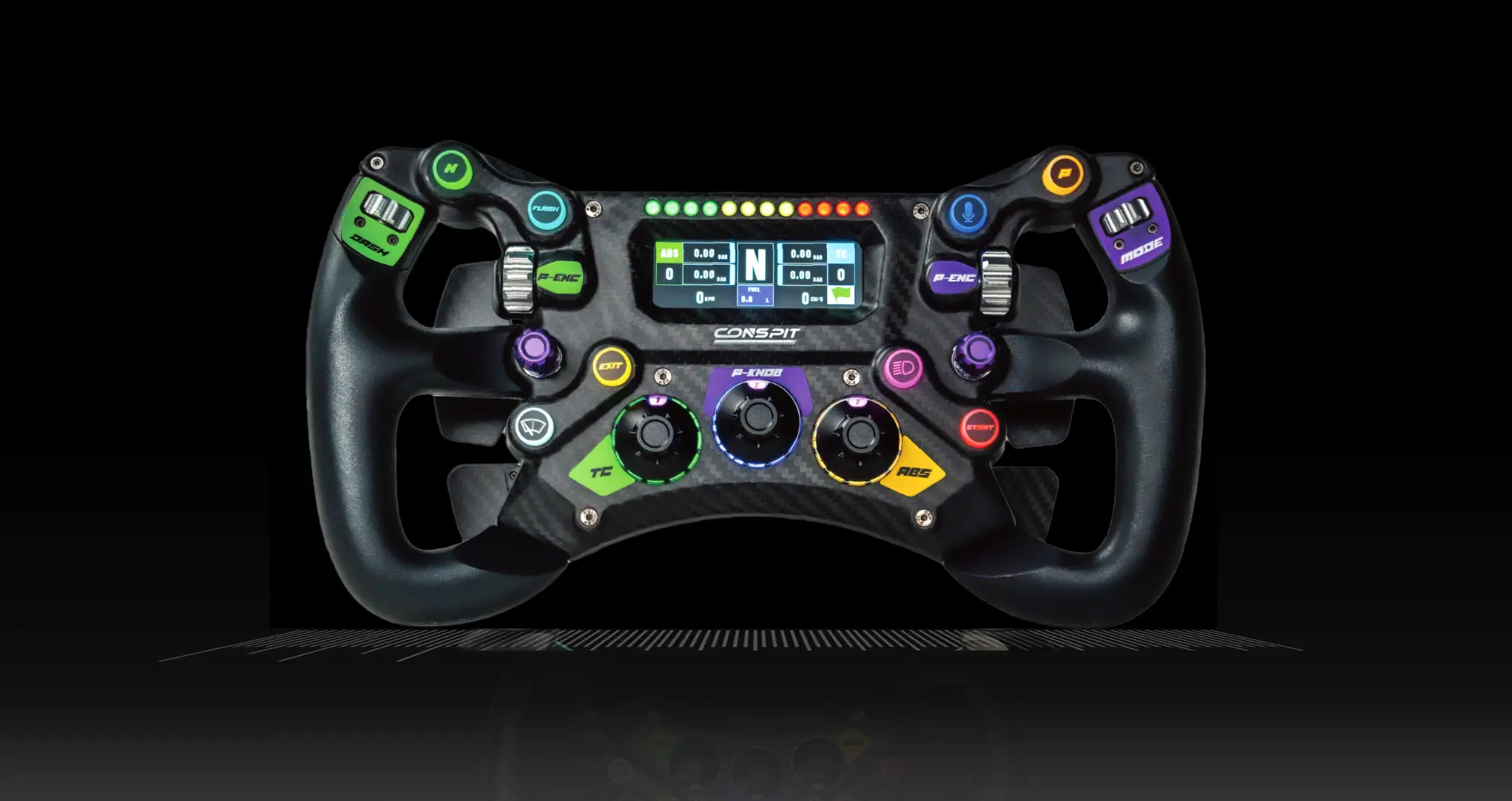
CONSPIT 300GT STEERING WHEEL
Best Value @ $399
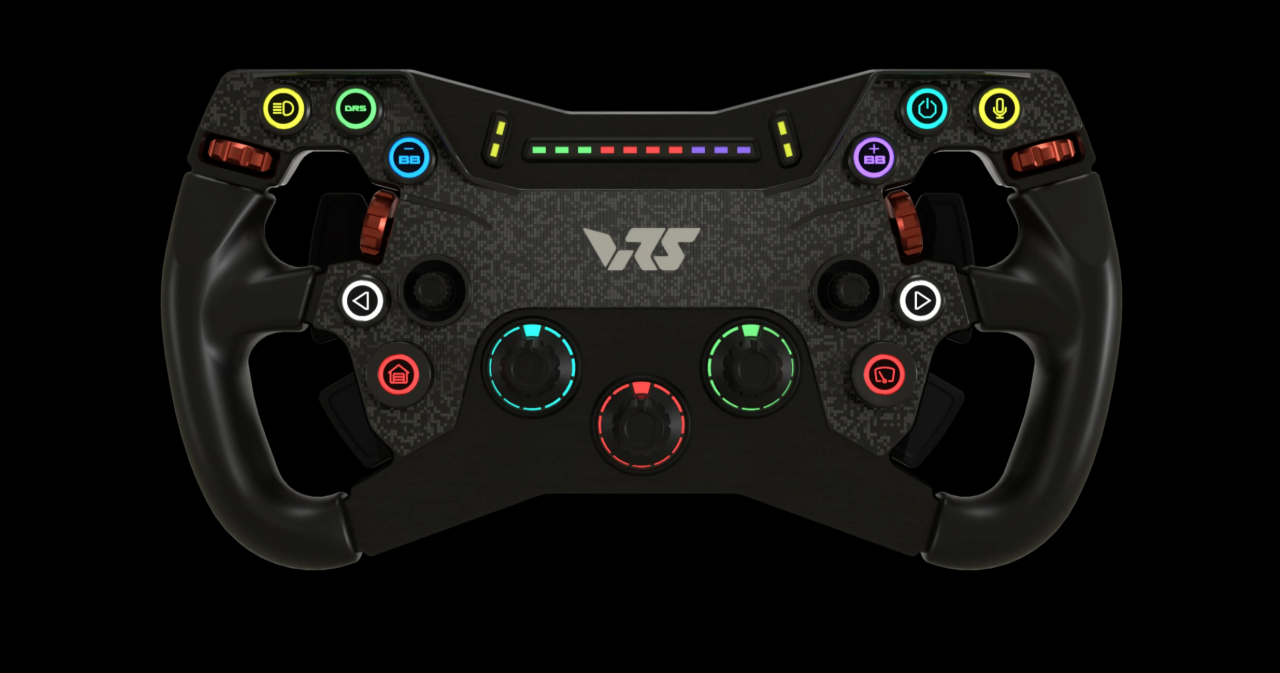
VRS R295 Steering Wheel
Best Value @ $349
MOZA FSR2 Formula Wheel
Best Value @ $649
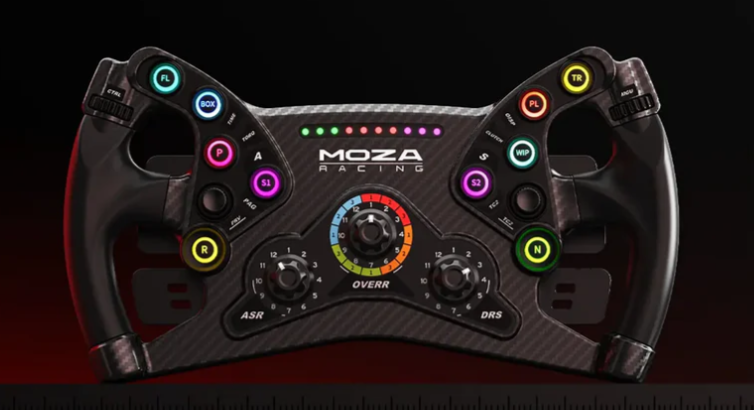
MOZA KS Steeering Wheel
Best Value @ $249
A good wheel base tells you the truth. Not the marketing version, not a boosted spec sheet, but what the car is actually doing at turn-in, over curbing, and on corner exit when the rear starts to rotate. That is why any serious sim racing wheel base comparison has to go beyond peak torque and price. For most buyers building a serious home setup, the better question is simple: which base gives you the right mix of force, detail, consistency, and compatibility for the way you actually drive?
If you are upgrading from an entry-level belt or gear-driven wheel, the jump to direct drive is dramatic. If you already own a mid-range direct drive base, the comparison gets more nuanced. At that point, the differences are less about whether a base is good and more about whether it fits your cockpit, wheel ecosystem, software preferences, and driving style.
Sim racing wheel base comparison starts with torque
Torque gets the attention because it is easy to compare. A 20Nm wheel base sounds stronger than a 12Nm model, and on paper that is true. But torque by itself does not decide how realistic or useful a wheel base feels.
For many drivers, 10-15Nm is the practical performance range for long sessions. That is enough headroom to preserve detail without running the motor near its ceiling all the time. Once you move into 18-25Nm territory, the benefit is not just heavier steering. It is the ability to maintain authority and fine resolution during rapid load changes, especially in higher-downforce cars or sims with detailed force feedback models.
The trade-off is that more torque demands more from everything around it. Your cockpit needs to be rigid. Your wheel-side quick release needs to be solid. Your settings need to be dialed in. A powerful base on a flexible rig often feels worse than a lower-torque unit on a properly braced chassis.
What separates one wheel base from another
Two wheel bases with similar torque figures can feel completely different. Motor design, encoder resolution, internal filtering, power delivery, and software tuning all shape the final experience.
The first difference most experienced drivers notice is responsiveness. Some bases feel immediate and alive, with fast direction changes and crisp road texture. Others feel smoother and calmer, which can be excellent for endurance driving or for users who want less harshness through the rim. Neither approach is automatically better. It depends on whether you prioritize raw fidelity or a more controlled feel.
The second difference is signal quality. A strong wheel base that masks fine detail is less useful than one that communicates tire slip, curb edge definition, and weight transfer clearly. High-end direct drive systems tend to separate those details better, especially when paired with a rigid cockpit and a quality steering wheel.
Then there is software. This is where a wheel base comparison becomes practical instead of theoretical. Tuning software affects everything from damping and slew rate to wheel rotation and profile management. Some ecosystems are simple and polished. Others are more adjustable and reward experienced users who want deeper control. If you like to test multiple sims and car classes, software quality matters more than many buyers expect.
Entry, mid-range, and premium direct drive bases
The cleanest way to compare the market is by use case rather than by brand alone.
Entry direct drive wheel bases usually target drivers moving up from mainstream consumer hardware. In this range, the value is clear: better accuracy, stronger force feedback, and a more direct connection to the sim. These bases make sense for users building their first serious cockpit, but they can also expose weaknesses in cheaper mounts or lightweight frames.
Mid-range direct drive bases are where many enthusiasts end up for the long term. This category often delivers the best balance of torque, detail, and cost. You get enough performance to drive competitively across road racing, GT, oval, and rally without paying purely for overhead you may never use. For a large percentage of home users, this is the sweet spot.
Premium wheel bases are built for buyers who want the fewest compromises possible. That can mean higher torque, but it usually also means more refined motor behavior, stronger internal components, better thermal consistency, and cleaner feedback under load. These are the bases that make sense for dedicated sim rooms, higher-end cockpits, and drivers who already know they will notice the difference.
Compatibility is where expensive mistakes happen
A wheel base is not an isolated purchase. It sits in the middle of a system. That means any honest sim racing wheel base comparison has to account for wheel compatibility, mounting pattern, cockpit strength, software support, and even your display setup.
Wheel ecosystem matters right away. Some bases work best inside a tightly integrated hardware family. That can be a major advantage if you want easy setup and dependable wheel recognition. It can also be limiting if you plan to mix brands or run specialty rims. Other platforms are more open and better suited to custom builds, but they may require more research and setup time.
Mounting is another common issue. A direct drive wheel base can expose flex in desks, entry-level wheel stands, and lighter aluminum profiles. If you are shopping in the 15Nm-and-up range, your cockpit should be part of the purchase decision, not an afterthought.
Then there is the rest of the control chain. High-end pedals, rigid seating position, and proper monitor or triple-screen alignment help you feel what the base is delivering. If your brake pedal is vague or your seat position is unstable, the wheel base upgrade will not show its full value.
How to choose the right base for your driving style
If you mainly run GT and endurance racing, a smooth, stable wheel base with strong sustained force and predictable filtering can be a better fit than the sharpest unit on the market. You want detail, but you also want to avoid unnecessary fatigue over long stints.
If you drive formula cars, prototypes, or competitive sprint formats, quick response and clean front-end information become more important. You are often making faster corrections and relying on subtle cues under braking and initial turn-in.
For rally and drifting, the equation shifts again. Fast rotational behavior, recovery speed, and the ability to manage dynamic steering loads matter as much as outright peak torque. Some wheel bases feel more natural when the wheel is moving aggressively from lock to lock.
This is also where steering wheel choice matters. A heavier rim changes how a base feels. So does wheel diameter. A base that feels energetic with a compact formula rim can feel slower with a larger round wheel. Matching the base to the wheel you actually plan to use is part of making the right decision.
Price versus value in a wheel base comparison
It is easy to overspend on the wheel base and underspend everywhere else. For most serious setups, balanced spending produces better results than chasing the biggest motor first.
If your budget has to cover the full system, it is often smarter to choose a strong mid-range base and preserve room for quality pedals, a rigid cockpit, and a proper seat. Pedals still have a bigger impact on lap time for most drivers. The wheel base shapes feel and immersion, but the complete platform determines consistency.
That said, premium buyers are not wrong to prioritize the base. If you already have a solid cockpit, good pedals, and a defined sim racing plan, a higher-end wheel base can be the piece that makes the entire system feel more connected and more professional.
At Sim Racing Warehouse, this is why complete system thinking matters. The best base on paper is not always the best base for your cockpit, wheel preference, or upgrade path.
The buying decision most people should make
If you are building your first serious direct drive setup, aim for a wheel base that gives you enough torque headroom, proven software, and an ecosystem you can live with for years. That usually means resisting both extremes – not buying the cheapest direct drive option just to say you upgraded, and not jumping straight to a flagship unit before the rest of the rig is ready.
If you are upgrading from an existing direct drive base, focus less on raw numbers and more on what you want improved. Do you need more detail? More sustained force? Better compatibility? A cleaner software experience? A stronger quick release? Once you define the gap in your current setup, the right upgrade becomes much easier to identify.
A wheel base should make the sim easier to read, not just harder to hold onto. Choose the one that fits your full system, your driving style, and the way you want the car to speak back to you. Build your ultimate racing setup with that in mind, and the hardware decision becomes a lot clearer.
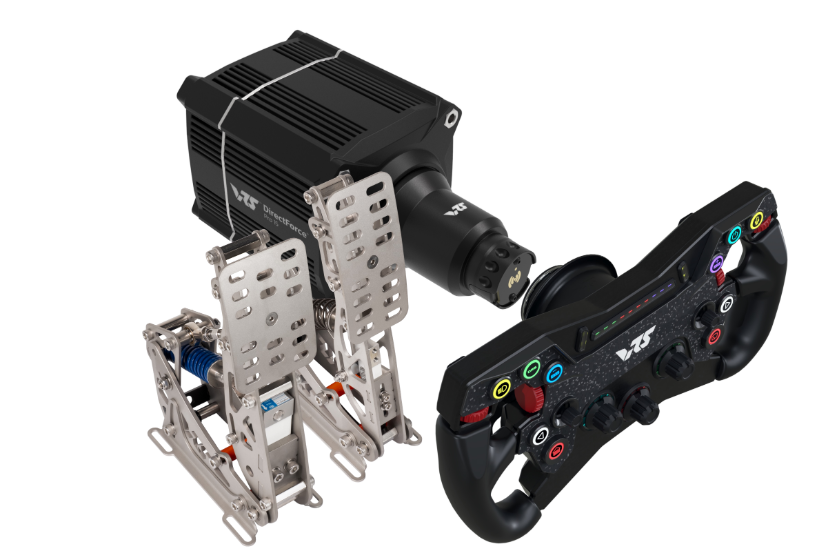
At Sim Racing Warehouse we offer Conspit and VRS wheels, wheel bases, and pedals due to their cost/value equation. You get a lot for your money. Check out all we have to offer and call us if you have questions today.
SHARE THIS STORY ANYWHERE YOU LIKE
SHARE THIS STORY ANYWHERE

fusion_global=”97″]
