

Best Sim Racing Wheel Base 2026 Picks
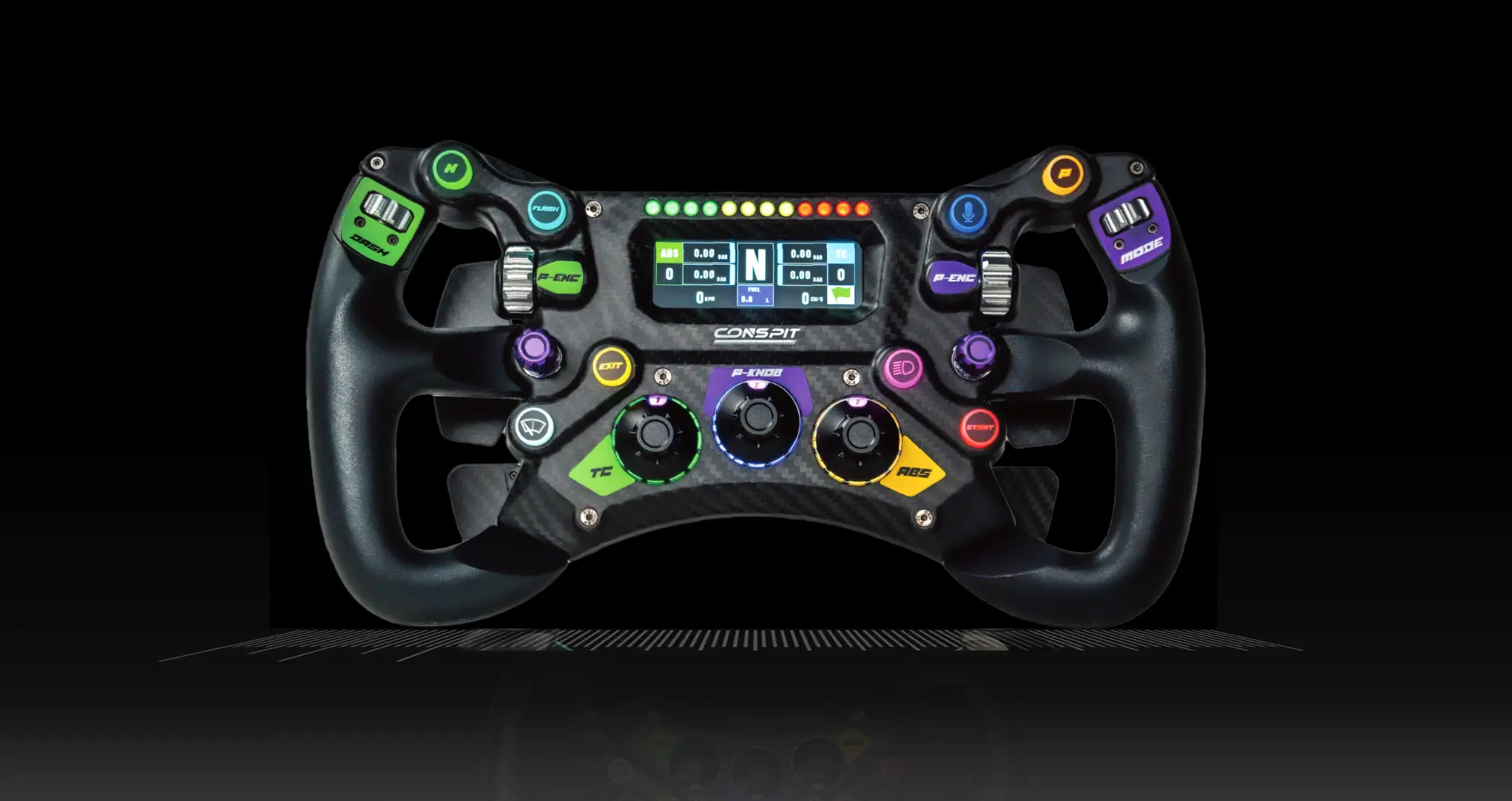
CONSPIT 300GT STEERING WHEEL
Best Value @ $399
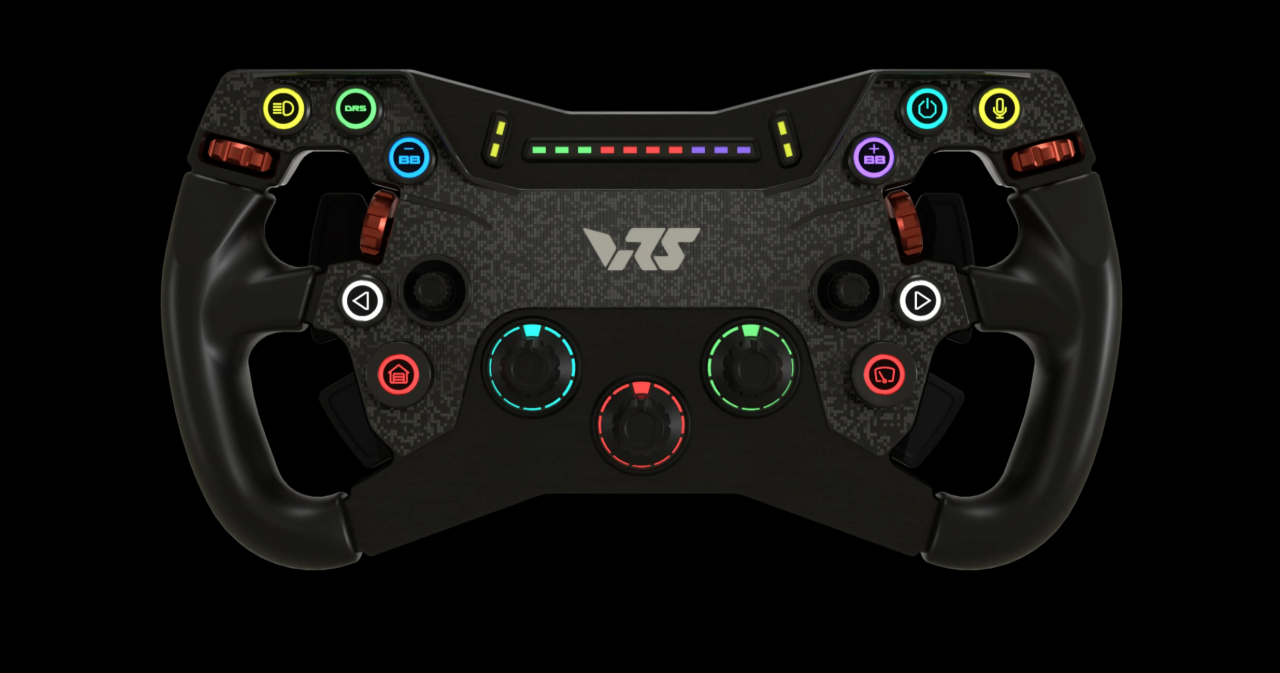
VRS R295 Steering Wheel
Best Value @ $349
MOZA FSR2 Formula Wheel
Best Value @ $649
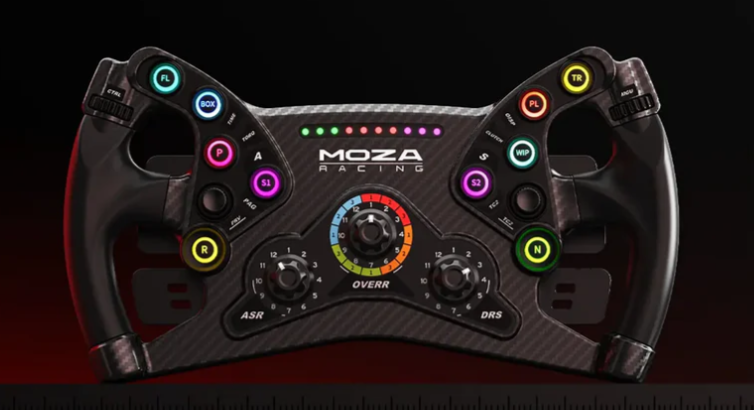
MOZA KS Steeering Wheel
Best Value @ $249
A wheel base can make a premium simulator feel surgical or sloppy. That difference matters whether you are building a serious home rig, outfitting a branded activation for a trade show, or spec’ing multiple stations for a client event. If you are searching for the best sim racing wheel base 2026 has to offer, the real question is not just which unit is strongest. It is which base delivers the right force feedback, reliability, compatibility, and user experience for the people who will actually drive it.
What makes the best sim racing wheel base 2026 worthy?
By 2026, direct drive is no longer the luxury tier. It is the standard for anyone building a simulator that needs to feel credible. Belt-driven systems still exist at the entry level, but once the goal is pro-driver-grade response, repeatable performance, and a clean upgrade path, direct drive is where the conversation starts.
That said, the best choice depends on where the simulator will live and who will use it. A solo enthusiast can tolerate a little setup complexity if the reward is exceptional detail. A corporate event planner usually cannot. In an event environment, the best wheel base is the one that feels impressive in the first corner, survives all-day use, and stays consistent across many drivers with very different skill levels.
Strong torque is part of the story, but it is not the whole story. A 25Nm base looks impressive on paper, yet many users will run it well below that level. What separates a great base from a merely powerful one is how it communicates weight transfer, curb detail, front-end grip, and loss of traction without turning every session into a wrestling match.
The four things that matter most before you buy
1. Force feedback quality, not just peak torque
The best wheel bases deliver clean, fast, detailed force feedback. That means low latency, strong slew rate, and a motor that does not feel grainy or numb around center. A base with lower headline torque can still feel better than a stronger competitor if its tuning is more refined and the signal comes through with more precision.
For shared simulators, this matters even more. New drivers respond best to feedback that is clear rather than chaotic. You want enough strength to feel dramatic, but not so much aggression that casual users get fatigued in ten minutes.
2. Reliability under long sessions
Home users think in laps. Event operators think in hours. If a wheel base is going to run through a conference day, a product launch, or a branded motorsport activation, thermal consistency and software stability matter just as much as steering feel. Random disconnects, finicky firmware behavior, and overheating are not small annoyances in a public setting. They are event problems.
That is why proven hardware often beats trendy hardware. A newer base may promise more features, but if the ecosystem still feels unfinished, it may not be the smartest buy for a serious commercial setup.
3. Ecosystem and compatibility
A wheel base is not a standalone purchase. It sits at the center of your wheel, pedals, cockpit, display, and software stack. Quick-release quality, wheel compatibility, mounting options, and PC support all matter. If you are building a complete rig, the best buying decision is often the one that creates the least friction across the entire system.
This is where many buyers overspend in the wrong place. They chase the strongest base available, then compromise on the cockpit, controls, or monitor setup. In practice, a balanced system usually performs better and feels more premium.
4. Tuning support and ease of use
A fantastic motor can still disappoint if the software is awkward or the profile setup is inconsistent between sims. Event-driven environments especially benefit from hardware that can be dialed in once and then trusted. Easy profile management, dependable drivers, and repeatable tuning matter more than endless adjustment menus.
Best sim racing wheel base 2026: the categories that make sense
Rather than pretending there is one perfect base for every buyer, it is more useful to think in tiers.
Best for premium all-around performance
This is the sweet spot for serious enthusiasts and commercial operators who want high-end feel without wandering into diminishing returns. In 2026, the strongest contenders here are likely to be direct drive bases in the mid-to-upper torque range, roughly 12Nm to 20Nm, from established performance brands.
That range is powerful enough to feel dramatic and detailed, yet still manageable for mixed users. It also tends to pair well with rigid cockpits and a broad selection of steering wheels. For many buyers, this is where the best sim racing wheel base 2026 conversation actually gets settled. Not at the absolute top end, but in the category where performance, price, and usability line up.
Best for commercial and event use
Event simulators need a slightly different answer. The ideal wheel base for trade shows, corporate entertainment, and experiential marketing should have strong curb appeal, but it also needs to be forgiving and durable. Fast installation, clean cable management, and reliable operation matter as much as ultimate realism.
In this setting, moderate-to-high torque direct drive bases are often the better pick than extreme high-torque units. They deliver enough wow factor for first-time drivers while reducing the chances of fatigue, unsafe handling, or unnecessary wear. For operators managing multiple simulators in one venue, consistency across stations becomes a major advantage.
Best for serious competitive drivers
For experienced racers chasing the finest detail, higher-end wheel bases still have a place. These are the systems that can reveal subtle slip angle changes, tire load buildup, and surface texture with exceptional clarity. They make sense for advanced users who can actually interpret that information and have the cockpit rigidity to support it.
The trade-off is straightforward. Cost rises fast, and the gains become more specialized. For some drivers, that extra nuance is absolutely worth it. For others, it is money that would be better spent on pedals, seating, or driver coaching.
How much torque do you really need?
This is where a lot of buyers get distracted. More torque sounds better, but most drivers do not use maximum force for long sessions. A well-tuned 12Nm to 15Nm base can feel outstanding. It can also be easier to manage in a shared environment where different drivers rotate through quickly.
If the simulator is for public events, conferences, or team-building activations, dialing in a base for clarity and control usually produces a better experience than setting it up to feel brutally heavy. Guests remember excitement, immersion, and confidence. They do not leave praising your peak Newton-meter number.
At the enthusiast level, higher torque starts making more sense when the rest of the system is equally serious. A rigid chassis, quality pedals, a proper seat, and a carefully chosen steering wheel all help the wheel base show what it can do.
Common mistakes buyers make in 2026
The biggest one is buying the wheel base in isolation. A premium base mounted to a flex-prone cockpit will never feel as good as it should. Neither will a strong direct drive unit paired with a weak quick release or a poor seating position.
The second mistake is prioritizing specs over support. The right supplier matters, especially when you are building a full simulator package or trying to create a polished event experience. Guidance on compatibility, mounting, software setup, and complete system balance can save far more than the price difference between two competing bases.
The third mistake is ignoring the user profile. A hardcore sim racer and a conference guest need different things. One wants detail at the limit. The other wants confidence, excitement, and a setup that feels impressive immediately. The best wheel base is the one that matches the actual use case.
What we would recommend for most buyers
For most premium buyers in 2026, the best move is a direct drive wheel base from a proven ecosystem in the 12Nm to 20Nm range. That gives you strong feedback, modern fidelity, and enough headroom for serious driving without automatically pushing you into overkill.
If your goal is a branded event simulator, corporate activation, or multi-driver setup, lean toward the base that offers consistency, software maturity, and easy serviceability. The hardware should feel premium to guests, but it also has to behave like professional equipment when the room is busy.
That approach reflects how we think about simulator performance at Sim Racing Warehouse. Great hardware should not just look elite on a spec sheet. It should deliver an unforgettable seat-time experience, hold up under pressure, and fit into a complete system that works from the first green flag.
The best sim racing wheel base 2026 buyers choose will probably not be the most extreme product on the market. It will be the one that makes the whole simulator better, from the first turn-in to the final lap, without asking you to compromise everywhere else. Build your ultimate racing setup today, but build it around the experience you want people to have.
SHARE THIS STORY ANYWHERE YOU LIKE
SHARE THIS STORY ANYWHERE

fusion_global=”97″]
