

Corporate Party Simulator Entertainment That Lands
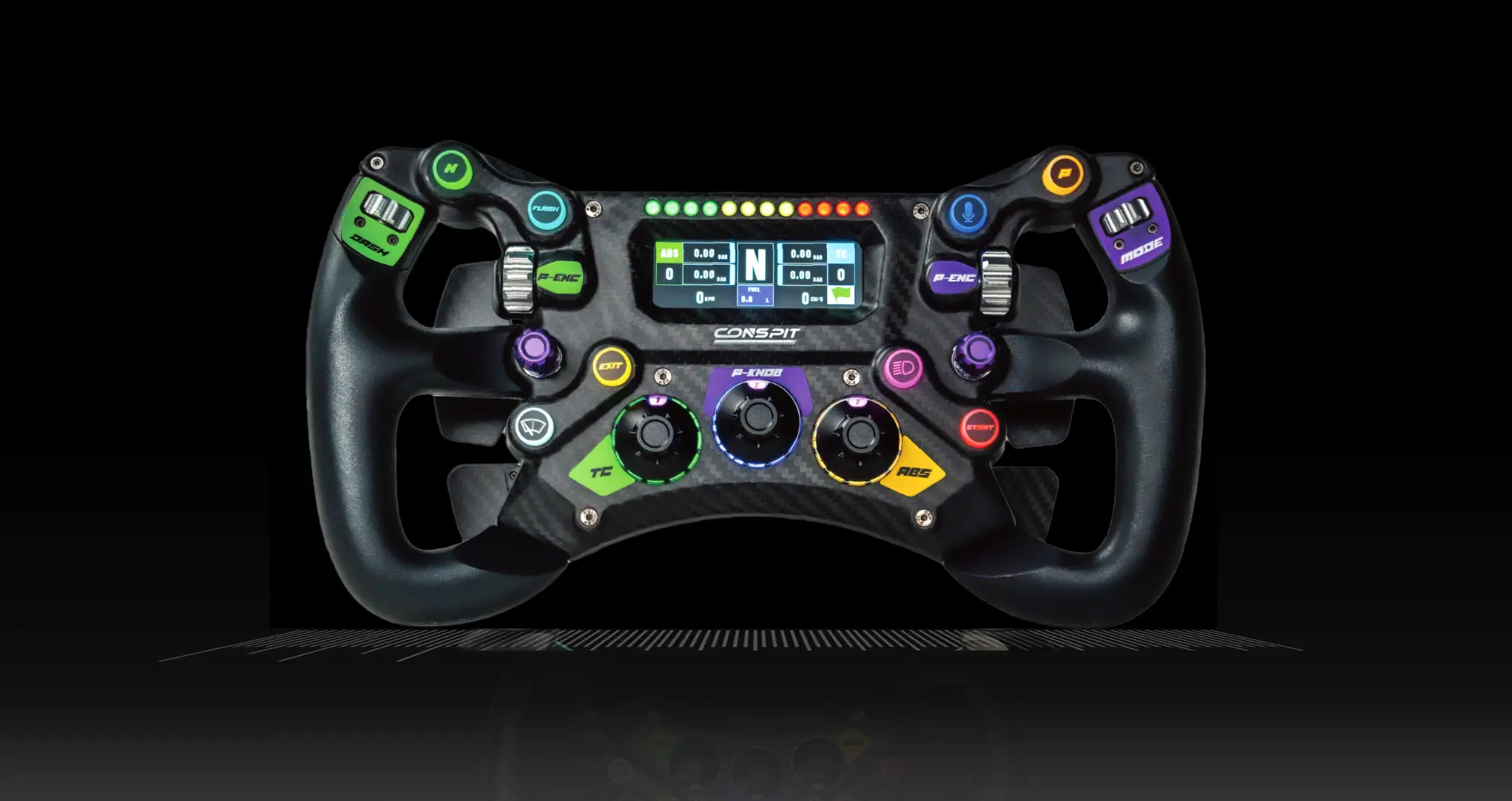
CONSPIT 300GT STEERING WHEEL
Best Value @ $399
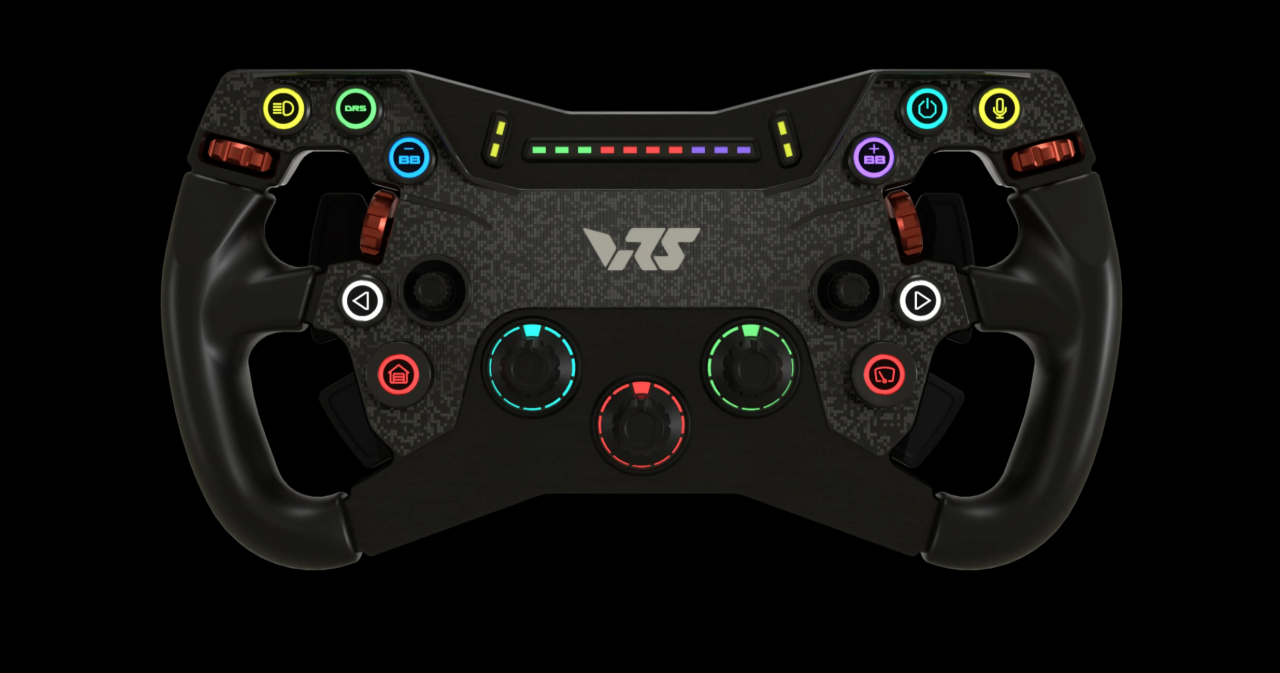
VRS R295 Steering Wheel
Best Value @ $349
MOZA FSR2 Formula Wheel
Best Value @ $649
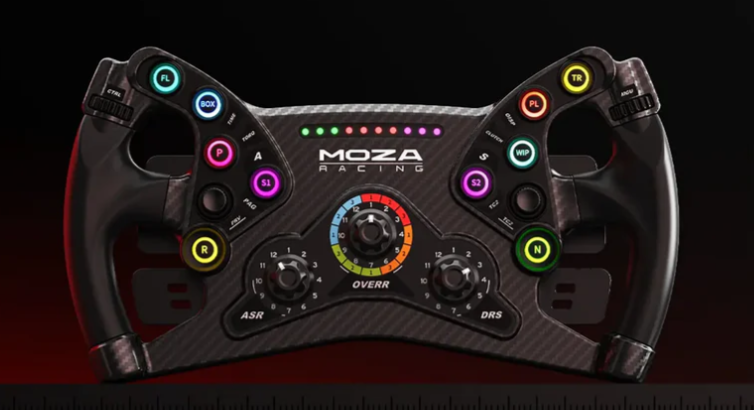
MOZA KS Steeering Wheel
Best Value @ $249
Most corporate entertainment is forgotten by the time dessert hits the table. Corporate party simulator entertainment changes that because it gives guests something active to do, something competitive to talk about, and something branded enough to remember after the event is over.
For event planners and marketing teams, that difference matters. You are not just filling floor space. You are shaping energy in the room, giving sponsors visibility, and creating an experience people will actually line up for. A premium sim racing activation does all three when it is built correctly.
Why corporate party simulator entertainment gets attention
A racing simulator pulls people in faster than most event attractions because the value is obvious from across the room. Guests see motion, hear the reaction from drivers, and immediately understand the challenge. There is no long explanation required. That matters at conferences, client events, and company parties where attention is limited and every activation competes with conversation, food, and the agenda.
The best setups also work for more than one type of guest. Competitive attendees want lap times and leaderboard bragging rights. Casual guests want the thrill of driving without needing prior experience. Executives want a polished presentation that reflects well on the brand. That range is one reason simulator entertainment keeps outperforming passive attractions.
There is also a practical upside. Unlike some event entertainment options that peak early and fade, sim racing keeps momentum throughout the program. New guests rotate in, coworkers challenge each other, and teams keep returning to improve their times. When your entertainment can sustain interest for hours, the event feels fuller without requiring constant reinvention.
What makes a simulator experience feel premium
Not all simulator rentals deliver the same result. If the goal is a high-end corporate event, the equipment quality changes everything. Pro-driver-grade steering systems, responsive pedals, rigid cockpits, and full-motion platforms create the kind of immersion that turns a novelty into a real attraction.
This is where many planners face a trade-off. Lower-cost setups can check the box for “gaming,” but they often fall short in look, feel, and reliability. At a private party that might be acceptable. At a branded client event or conference booth, it usually is not. If the wheel feels vague, the seat flexes, or the software looks dated, the activation loses credibility fast.
A premium setup should look event-ready before anyone even gets in. It should feel stable under heavy use, respond immediately to driver inputs, and create a believable sense of speed and control. Full-motion adds another layer of excitement because it makes acceleration, braking, and cornering feel physical rather than purely visual.
Coaching matters as much as hardware
Even elite equipment needs the right team around it. Trained racing coaches are one of the biggest differences between a simulator that sits there and one that stays busy all night. They help first-time drivers get comfortable quickly, keep the rotation moving, and make each run feel more engaging.
For corporate audiences, coaching also solves a common problem: hesitation. Some guests are excited immediately, while others assume the experience is too technical or too competitive for them. A strong coach changes that in seconds by making the simulator approachable, fun, and easy to enjoy. That means more participation and a better return on the event footprint.
For planners, it also reduces stress. When experienced staff run the activation, explain the controls, and manage the competition format, your team can focus on the broader event instead of troubleshooting entertainment.
Corporate party simulator entertainment as a branding tool
This is where sim racing becomes more than entertainment. A well-produced activation can carry your brand directly into the experience rather than placing it on a banner nearby. Custom logos on the simulator itself, branded liveries inside the virtual race cars, and trackside billboard placements inside the sim all create a level of integration that static signage rarely matches.
That matters for sponsors, product launches, and customer-facing events. Guests do not just see the brand once. They interact with it while driving, while watching others compete, and while checking leaderboard results. The branding becomes part of the memory, not just part of the decor.
Still, there is a balance to strike. Overbranding can make an experience feel promotional instead of exciting. The strongest activations keep the racing experience authentic while using visual placements that feel natural to the environment. If it looks like a real motorsport package, the brand presence feels elevated rather than forced.
Where it fits best
Corporate party simulator entertainment works especially well when the event needs energy, dwell time, or social momentum. That includes employee appreciation events, sales meetings, conferences, hospitality lounges, trade show booths, holiday parties, and VIP client gatherings.
It is particularly effective in rooms where networking needs a catalyst. Racing creates a reason for people to gather, react, compare scores, and start conversations with people they did not walk in with. For team-building coordinators, that can be more valuable than a formal exercise because the interaction feels natural rather than assigned.
At trade shows, the logic shifts slightly. The simulator becomes a traffic magnet and conversation starter. It can stop attendees in the aisle, keep them at the booth longer, and give your staff a better opening than a cold sales pitch. But here again, execution matters. If the line is too long or the setup feels amateur, the activation can create friction instead of momentum.
What planners should evaluate before booking
The first question is not just how many simulators you want. It is what role the activation needs to play. Is it the featured attraction for the night, a branded anchor inside a larger event, or a high-traffic engagement tool at a conference? The answer affects footprint, staffing, competition format, and visual customization.
Space planning is the next factor. Full-motion racing simulators have real presence, which is a good thing visually, but they need room for safe operation, viewing angles, and crowd flow. A compact ballroom corner may support a different setup than an expo floor or a large hospitality suite. Good providers will shape the activation around the venue rather than forcing a one-size-fits-all package.
Guest volume matters too. A smaller executive event may benefit from a more personalized coaching experience, while a large corporate party may need multiple simulators and a faster rotation system. There is no perfect universal format. It depends on whether the priority is exclusivity, throughput, or a mix of both.
Then there is reliability. This sounds basic, but it is often where event entertainment lives or dies. Corporate activations need equipment that can perform for hours under constant use. They also need an onsite team that understands setup, calibration, pacing, and guest support. Premium gear only pays off if it is supported by people who know exactly how to run it.
Why full-motion changes the feel of the event
Standard racing games can be fun, but full-motion simulator experiences hit differently in a corporate environment. They create movement that people notice from across the room, and they give each drive a more physical, cinematic quality. That visual energy helps the activation become part of the event atmosphere, not just one station among many.
For guests, motion creates a stronger emotional reaction. Braking zones feel heavier. Curbs and corner loads feel more convincing. Even people who never plan to become sim racers understand instantly that this is a serious experience. That perception is valuable when your event needs to feel premium.
For brands, it also photographs well. A full-motion rig with custom livery and a focused driver in the seat looks substantial in event recaps and social content. That visual payoff is part of the value, especially for marketing teams measuring more than just participation.
A company like Sim Racing Warehouse stands out here because the experience is not limited to dropping equipment at a venue. The combination of pro-level hardware, trained racing coaches, and custom branding across the simulators and in-sim environment gives planners a more complete event tool, not just a rental item.
The real reason this format keeps winning
People remember what they felt. A good meal, a nice playlist, and polished decor all matter, but immersive competition creates a sharper memory than passive entertainment usually can. When guests climb out of a full-motion simulator laughing, comparing lap times, or asking for another shot, the event gains a kind of momentum that is hard to manufacture any other way.
That does not mean sim racing belongs at every event. If the audience wants quiet conversation or the program leaves no room for interaction, another format may fit better. But when the brief calls for energy, premium presentation, and real guest participation, few options combine spectacle, branding, and replay value as effectively.
The best corporate experiences give people a story to carry out of the room. If your event needs that kind of impact, racing simulators are not just entertainment. They are the part guests keep talking about on the way home.
SHARE THIS STORY ANYWHERE YOU LIKE
SHARE THIS STORY ANYWHERE
fusion_global=”97″]
