

Big Crowds at Your Booth Orlando Racing Simulators
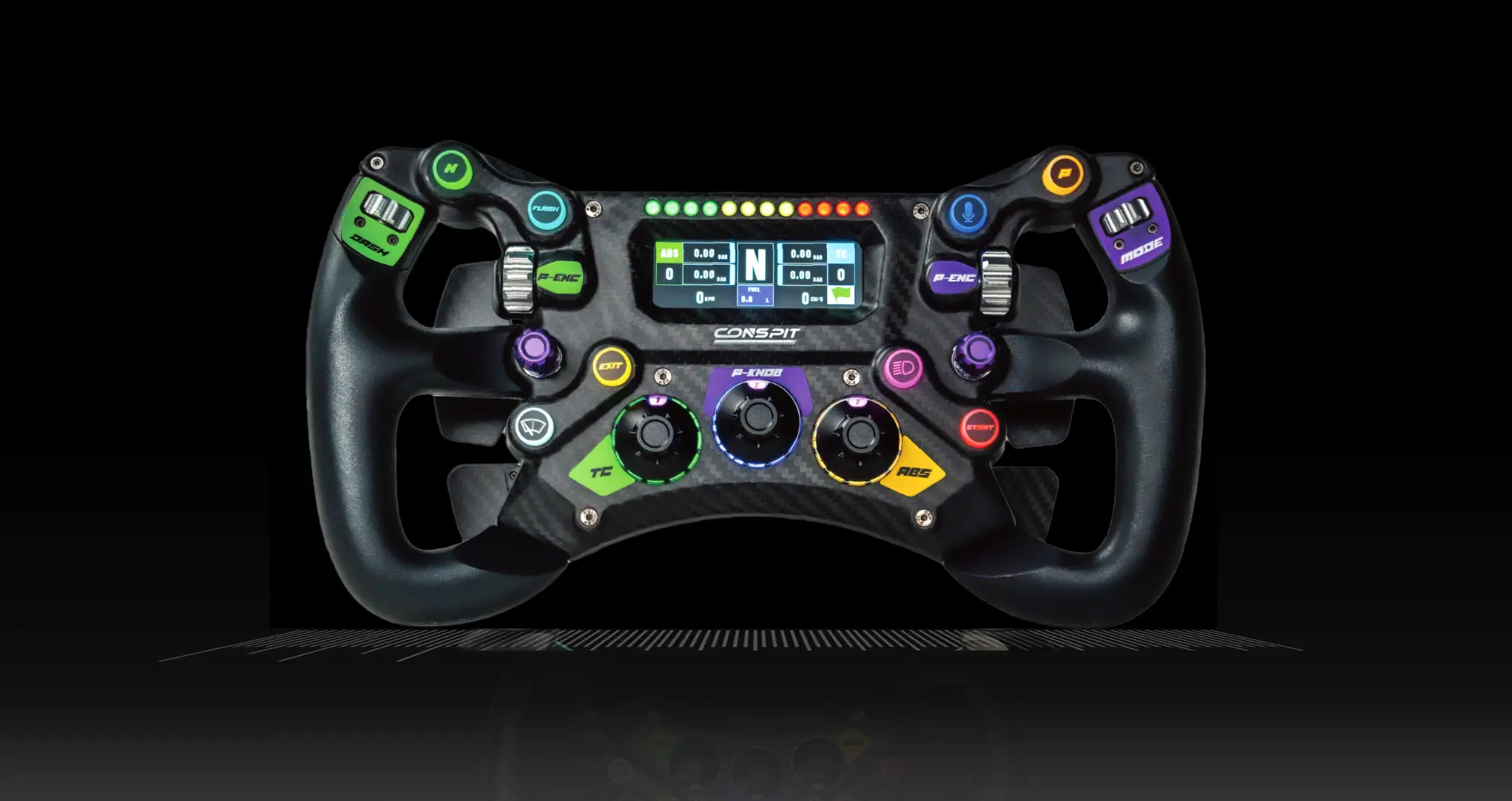
CONSPIT 300GT STEERING WHEEL
Best Value @ $399
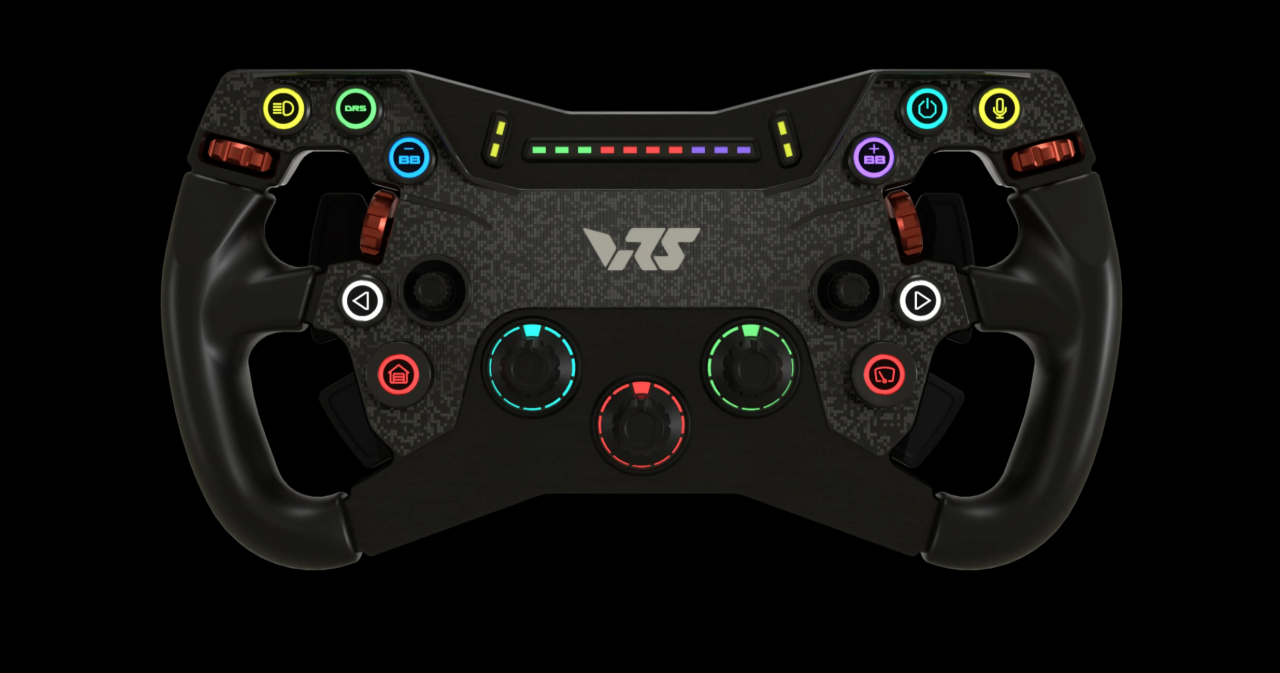
VRS R295 Steering Wheel
Best Value @ $349
MOZA FSR2 Formula Wheel
Best Value @ $649
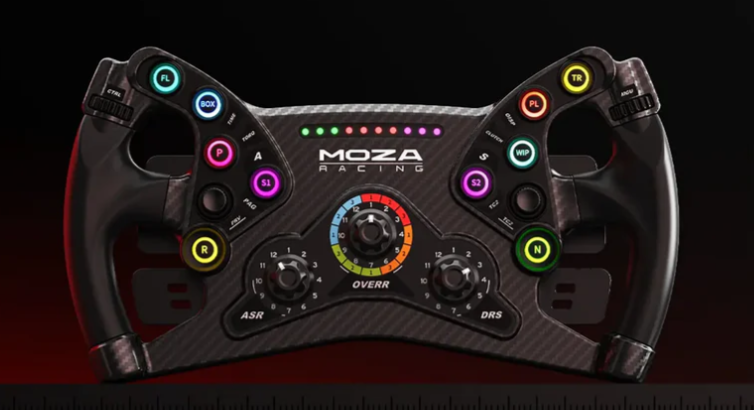
MOZA KS Steeering Wheel
Best Value @ $249
Trade show traffic in Orlando can turn brutal fast. One aisle is packed three people deep, the next feels invisible, and even a strong booth design can get ignored if it does not give attendees a reason to stop. If your goal is big crowds at your booth Orlando with racing simulators, the real advantage is not just entertainment. It is the combination of motion, competition, coaching, and branded immersion that makes people look up, walk over, and stay.
For event planners and marketing teams, that distinction matters. Plenty of activations create a quick glance. Very few create a line, a conversation, and a memory strong enough to carry into follow-up meetings. Racing simulators, when they are executed at a high level, do all three.
Why big crowds at your booth Orlando with racing simulators works
Orlando conventions are noisy, visual, and crowded by design. Attendees are constantly filtering what deserves their attention. A premium racing simulator breaks through because it does not behave like a static display. It moves. It reacts. It creates visible emotion. People see a driver gripping the wheel, hear the excitement around lap times, and immediately understand that something worth watching is happening.
That spectator value is a major reason sim racing performs well on busy show floors. Even guests who are not ready to drive right away often stop to watch a colleague, client, or stranger take a lap. That builds a natural audience, and that audience becomes your traffic source. The activation starts attracting its own next participants.
There is also a practical marketing benefit. A racing simulator gives your staff a reason to begin a conversation without forcing one. Instead of leading with a pitch, they can lead with an invitation. That lowers resistance. Once someone is engaged in the experience, your team has a better opening to talk about your product, your service, or the campaign you are promoting.
The difference between a crowd and the right crowd
Not every packed booth is a win. Event planners already know that volume without relevance can waste space, staff time, and budget. The goal is not random foot traffic. The goal is drawing qualified attendees, decision-makers, and prospects who spend enough time with your brand to remember it.
This is where premium execution matters. Pro-driver-grade equipment signals quality right away. Professional racing coaches at the simulators change the experience from a novelty into a polished activation. Instead of guests fumbling through a confusing setup, they get immediate guidance, faster confidence, and a better run. That makes the line move more smoothly and keeps the energy high.
It also changes how your brand is perceived. A cheap-looking game setup can attract curiosity, but it rarely supports a premium message. A professionally managed full-motion racing simulator experience tells attendees your company values detail, performance, and quality. For many brands, that alignment is just as important as the crowd itself.
What actually keeps attendees at the booth
Initial attraction is only half the battle. Plenty of activations get a glance and lose the moment. Racing simulators hold attention because they create layers of engagement.
First, there is the driver experience. The participant gets a genuine challenge, not just a push-button demo. Second, there is the audience experience. Teammates, coworkers, and passersby watch the lap unfold in real time and react to mistakes, close calls, and fast sections. Third, there is the competitive element. Once lap times go on a leaderboard, people have a reason to return later, bring a colleague back, or post about it internally.
That return traffic is where booth value compounds. A guest who comes back twice in one afternoon is no longer just a passerby. They are spending repeated time inside your brand environment.
Branding can deepen that effect when it is done well. Custom visuals on the simulator, your brand integrated inside the in-sim race car, and trackside billboards carrying your message create repeated exposure that feels part of the experience instead of pasted onto it. Attendees do not just stand near your logo. They interact inside it.
Why Orlando is especially strong for simulator activations
Orlando is built for high-stakes events. National conferences, sales meetings, user conferences, and major trade shows all create a competitive environment where brands need more than a good booth backdrop to stand out. Buyers and planners see polished presentations all day. Interactivity has to feel premium to make an impression.
Racing simulators fit that environment because they appeal across job titles and industries. A motorsports fan will naturally want a turn, but even someone with no sim racing background understands the challenge within seconds. The learning curve is short enough for event use, especially when trained coaches are guiding each guest.
That broad appeal makes simulators useful across different event goals. A booth focused on lead generation can use timed laps to start conversations and capture engagement. A client hospitality event can use head-to-head racing to create a more memorable social setting. A team-building session can frame the simulator as a shared challenge that gets people cheering for each other instead of checking their phones.
Still, there is a trade-off. A simulator activation needs enough space, smart queue management, and a team that knows how to keep throughput moving. If those details are ignored, a crowd can become a bottleneck. The best event setups account for both spectacle and flow.
What separates premium racing simulators from generic booth entertainment
There is a big gap between placing a gaming station in a booth and delivering a true event-grade sim racing experience. Corporate audiences notice the difference quickly.
Premium full-motion rigs create physical feedback that raises immersion immediately. High-end wheel bases and pedals feel precise instead of vague. Proper racing seats and cockpit geometry keep guests comfortable and confident, even if they have never driven a simulator before. Those details are not just enthusiast talking points. They directly affect guest satisfaction, line speed, and how polished the activation feels.
Coaching is another separator. A trained racing coach can turn a nervous first-timer into an excited participant in under a minute. They help guests get oriented, avoid frustration, and improve enough to feel successful. That matters because an activation should create a win for the guest, not just a visual for the crowd.
Professional management also protects the brand experience. Equipment is maintained, staff interactions stay sharp, and the activation feels intentional from first lap to final reset. For conventions and corporate events, that level of control is not optional. It is what turns entertainment into a business tool.
Making the simulator serve your brand, not distract from it
The most effective activations do not treat the simulator as a side attraction. They make it part of the larger booth strategy.
That can mean tying lap times to a product message, using branded race liveries that reinforce campaign visuals, or building a leaderboard challenge that supports lead capture and follow-up. It can also mean placing the simulator where it pulls traffic inward rather than causing congestion at the aisle edge. Good placement lets the crowd become a magnet without blocking your sales team from having real conversations.
Messaging matters too. If your company sells innovation, performance, precision, or competition-driven services, the simulator naturally reinforces your story. If your product category is less obvious, the activation still works, but the surrounding creative has to do more explanatory work. In those cases, the simulator brings attention and dwell time, while your booth team connects the dots.
That is why customization is so valuable. When your branding appears on the hardware, in the digital car design, and across the virtual track environment, the experience feels owned by your company rather than borrowed from another world.
Big crowds at your booth Orlando with racing simulators only work when the experience is managed well
A packed line looks exciting from across the floor, but event planners know the wrong kind of line can cost opportunities. If attendees wait too long, feel confused, or cannot tell how to join, the activation starts leaking value.
The right setup keeps the process clear and fast. Guests should know where to stand, how long a session lasts, and what they are competing for. Staff should guide spectators into participants and participants into conversations. Coaches should keep the driving experience fun for beginners while still engaging enough for competitive personalities.
It also helps to define the goal before the event starts. Are you trying to maximize total participants, attract executive-level prospects, support account-based meetings, or create a social centerpiece for a client event? The answer affects simulator count, staffing, format, and branding approach. There is no one-size-fits-all version of success.
For brands that want a high-impact presence, Sim Racing Warehouse approaches event rentals with that bigger picture in mind. The simulators are the draw, but the real value is in delivering a polished experience that reflects your brand, keeps the crowd engaged, and gives your team a better environment to connect with the right people.
On a crowded Orlando show floor, attention is expensive. When your booth gives people something worth stopping for, watching, and talking about, you are no longer asking the room to notice you. You are giving it a reason to gather.
SHARE THIS STORY ANYWHERE YOU LIKE
SHARE THIS STORY ANYWHERE
fusion_global=”97″]
