

How to Upgrade Sim Racing Rig the Smart Way
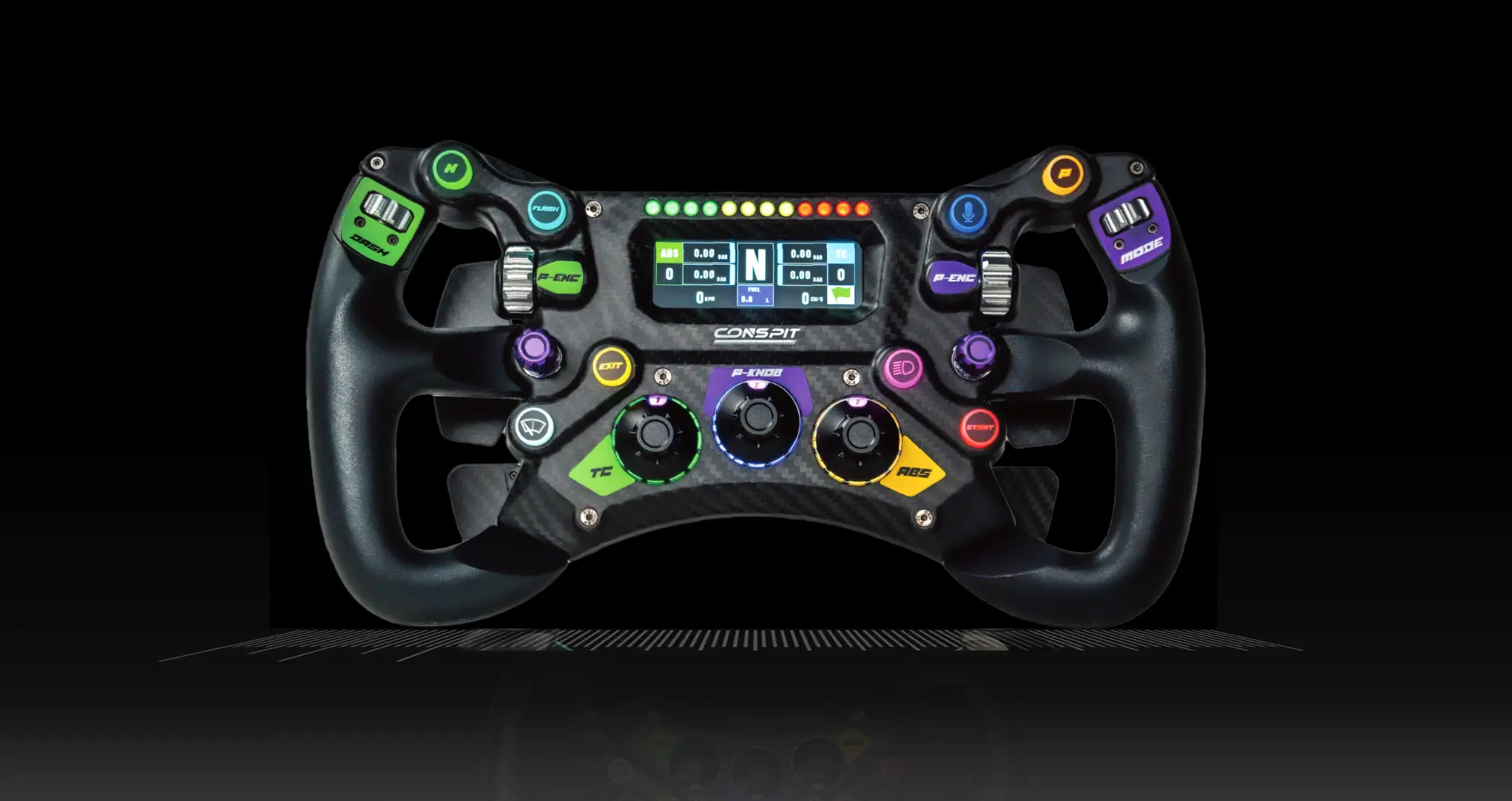
CONSPIT 300GT STEERING WHEEL
Best Value @ $399
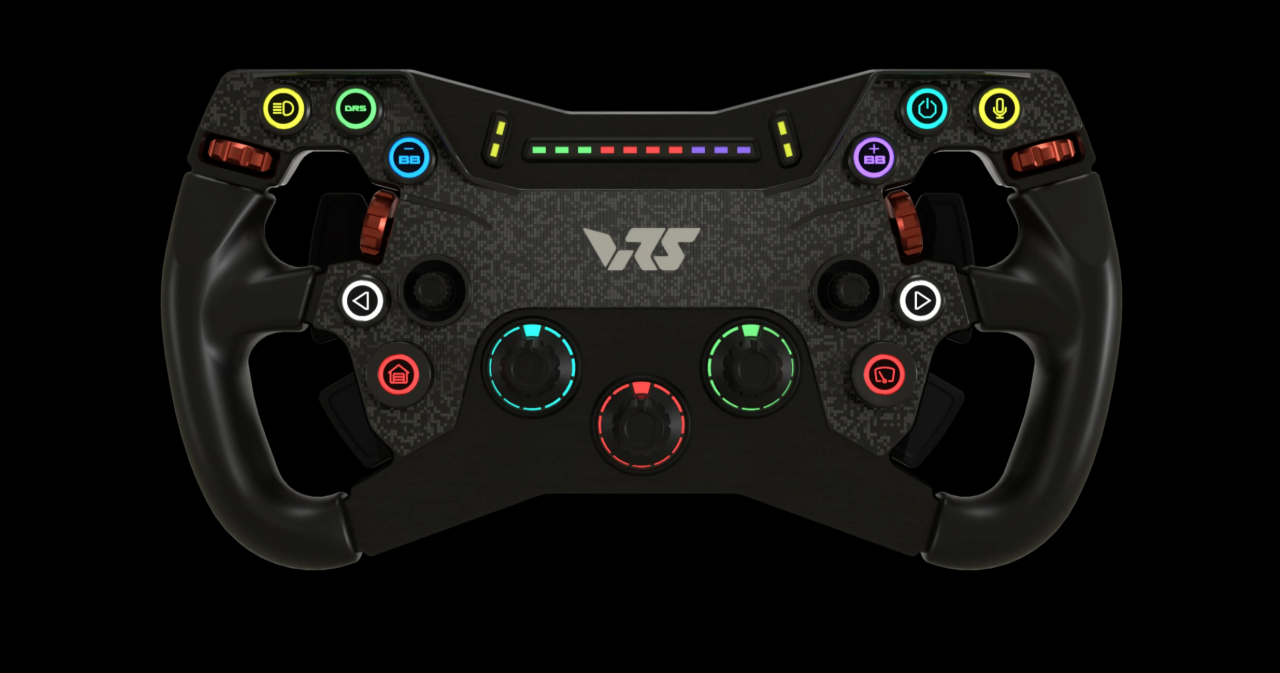
VRS R295 Steering Wheel
Best Value @ $349
MOZA FSR2 Formula Wheel
Best Value @ $649
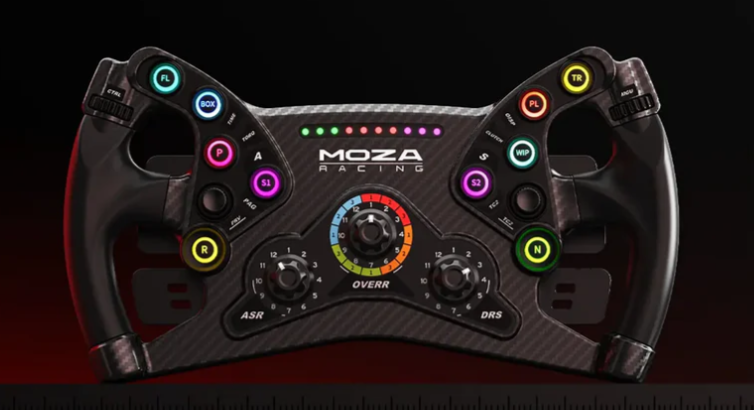
MOZA KS Steeering Wheel
Best Value @ $249
A sim rig usually tells on itself before you ever look at the parts list. The wheel shakes the desk, the pedals slide under braking, the seat flexes in long sessions, and every driver who climbs in needs five minutes of adjustment before the fun starts. If you are wondering how to upgrade sim racing rig performance without wasting budget on the wrong components, the answer starts with stability and consistency, not flashy add-ons.
That matters even more when multiple people will use the setup. A home enthusiast can tolerate a few quirks. A corporate event, trade show activation, or team-building experience cannot. If the simulator is meant to impress guests, support coaching, or represent a brand in front of clients, the upgrade path needs to focus on repeatable performance, fast driver turnover, and equipment that feels professional the moment someone sits down.
How to upgrade sim racing rig without wasting money
Most people upgrade in the wrong order. They chase the most exciting component first, usually more wheel force or a new rim, while the cockpit beneath it still moves around under load. That creates a rig that feels more dramatic but not necessarily better.
The smart path is to fix the foundation first. A rigid cockpit, a properly mounted seat, and stable pedal placement change the experience more than many people expect. Stronger hardware only pays off when the platform under the driver can handle it. If the chassis flexes during heavy braking or quick steering inputs, you are losing precision every lap.
For event planners and marketing teams, there is another layer to this. A simulator is not just equipment. It is part entertainment, part brand asset, and part guest experience. Upgrades should reduce friction. The best rigs feel intuitive, easy to enter, quick to adjust, and durable enough to run all day without needing constant attention.
Start with the cockpit and seating position
If your rig still relies on a light frame or improvised mounting, this is the first place to spend. A proper cockpit gives the wheel base, pedals, seat, and display a fixed relationship. That sounds basic, but it is the difference between a setup that feels toy-like and one that feels like pro-driver-grade equipment.
Seat position matters just as much as rigidity. A poor seating angle makes drivers brace themselves against the wheel, which adds tension and inconsistency. A better seat with proper support lets the driver relax into the rig and use the controls naturally. In a private setup, that leads to better endurance and cleaner inputs. In a public-facing simulator, it helps guests settle in quickly and feel confident right away.
There is a trade-off here. A dedicated fixed seat can feel incredible once dialed in, but a more adjustable seating solution may be better if the rig will serve a wide range of drivers. If you are building for events or shared use, easy adjustment often beats a perfectly personalized fit.
Pedals often deserve the next upgrade
People love talking about wheels, but pedals are where consistency really lives. Better pedals improve braking feel, modulation, and confidence into corners. They also make coaching easier because driver inputs become more predictable.
If your current pedals are too light, too narrow in adjustment, or difficult to mount securely, upgrading them can transform the rig. The key is not just the pedal set itself. It is the total package – pedal angle, spacing, height, and the rigidity of the mounting plate. Even premium pedals can feel disappointing if they are attached to a flex-prone platform.
For commercial and event use, pedals need to withstand repeated aggressive inputs from first-time drivers. That puts a premium on durability and adjustability. You want hardware that can be tuned for feel while still holding up through constant use at conferences, activations, and private events.
Wheel base upgrades should match the chassis
A more powerful wheel base can absolutely elevate the experience, but only if the rest of the rig is ready for it. More torque through a weak mount does not feel premium. It feels noisy, harsh, and unstable.
This is where restraint matters. If the cockpit is solid and the seating position is sorted, then a stronger, smoother wheel base becomes a meaningful upgrade. Drivers will feel more detail in the car, and the simulator will deliver the kind of authority people expect from a high-end installation.
For shared experiences, however, maximum force is not always the goal. A wheel base set up for control and approachability can outperform a more aggressive one in real event conditions. The best event rigs are not built to overwhelm guests. They are built to impress them, keep them engaged, and let trained staff or racing coaches guide them into a great run quickly.
Displays, immersion, and what actually moves the needle
Visual upgrades are tempting because they are easy to see. Bigger screens, cleaner mounting, and better positioning can absolutely improve immersion. In an event environment, they also help draw a crowd. A simulator that looks polished from across the room has a real marketing advantage.
That said, screen upgrades need to support the experience rather than complicate it. Triple displays may look impressive, but they require more space, more tuning, and more transport consideration if the simulator is mobile. A well-integrated single display can sometimes be the better choice for activations where reliability and footprint matter as much as immersion.
If the goal is a premium showcase, the display system should be part of a complete presentation. Mounting, cable management, branded graphics, and clean sightlines all matter. This is one reason custom simulator builds stand out – the experience feels intentional rather than pieced together.
Accessories can help, but they should solve a problem
Some upgrades are worth it because they improve comfort, workflow, or durability. Better mounts, cleaner cable routing, keyboard trays, button boxes, and easy-access adjustments can all make a rig more usable. Over the course of a long event day, those details matter.
Other accessories are more about novelty. They may add excitement for a specific user, but they do not always improve the core driving experience. Before adding anything, ask a simple question: does this make the simulator easier to use, more reliable, or more memorable for the driver?
That last point matters for corporate events. The best simulator setups are not cluttered. They are polished, intuitive, and built for smooth operation in front of an audience.
How to upgrade sim racing rig setups for events
A rig built for one driver at home and a rig built for fifty guests at a conference have different priorities. Event-focused upgrades should always support three things: durability, fast reset between drivers, and visual impact.
Durability is obvious. Components need to hold alignment and feel consistent after hours of heavy use. Fast reset is just as important. If every guest needs a long explanation or major seat adjustment, the line slows down and the energy drops. And visual impact matters because the simulator is often doing two jobs at once – entertaining guests and representing the host brand.
This is where professional-grade equipment and guided configuration make a difference. A well-built simulator should feel excellent in use, but it should also be practical to operate in real-world settings. That includes smart ergonomics, clean branding opportunities, and hardware choices that hold up under pressure.
For companies using simulators as a marketing centerpiece, customization has real value. Branded cars, branded billboards in the sim, and simulator wraps turn the rig from a fun attraction into a full experience. The hardware still has to perform, but the presentation is part of the upgrade too.
Build around the outcome you want
The best upgrade path depends on what success looks like for you. If you want faster laps and cleaner inputs, start with rigidity, pedals, and driving position. If you want a premium guest experience, prioritize adjustability, reliability, and polished presentation. If you want to use simulators for events, think beyond pure driving performance and into throughput, coaching, branding, and wow factor.
That is why piecemeal buying can get expensive fast. One component upgrade often exposes the weakness of another. A stronger wheel base reveals cockpit flex. Better pedals reveal seat instability. Improved visuals reveal poor cable management and awkward rig layout. The most cost-effective path is usually a coordinated build rather than a string of disconnected purchases.
At Sim Racing Warehouse, that is the difference between owning hardware and delivering an experience. Premium simulators should feel planted, professional, and exciting from the first lap, whether they are set up in a personal space or headlining an event floor.
If your current rig feels like a collection of parts instead of one complete machine, that is your answer. Upgrade the pieces that improve confidence, comfort, and consistency first, and the entire experience gets better from there.
SHARE THIS STORY ANYWHERE YOU LIKE
SHARE THIS STORY ANYWHERE
fusion_global=”97″]
