

Event Entertainment That Keeps Guests Engaged
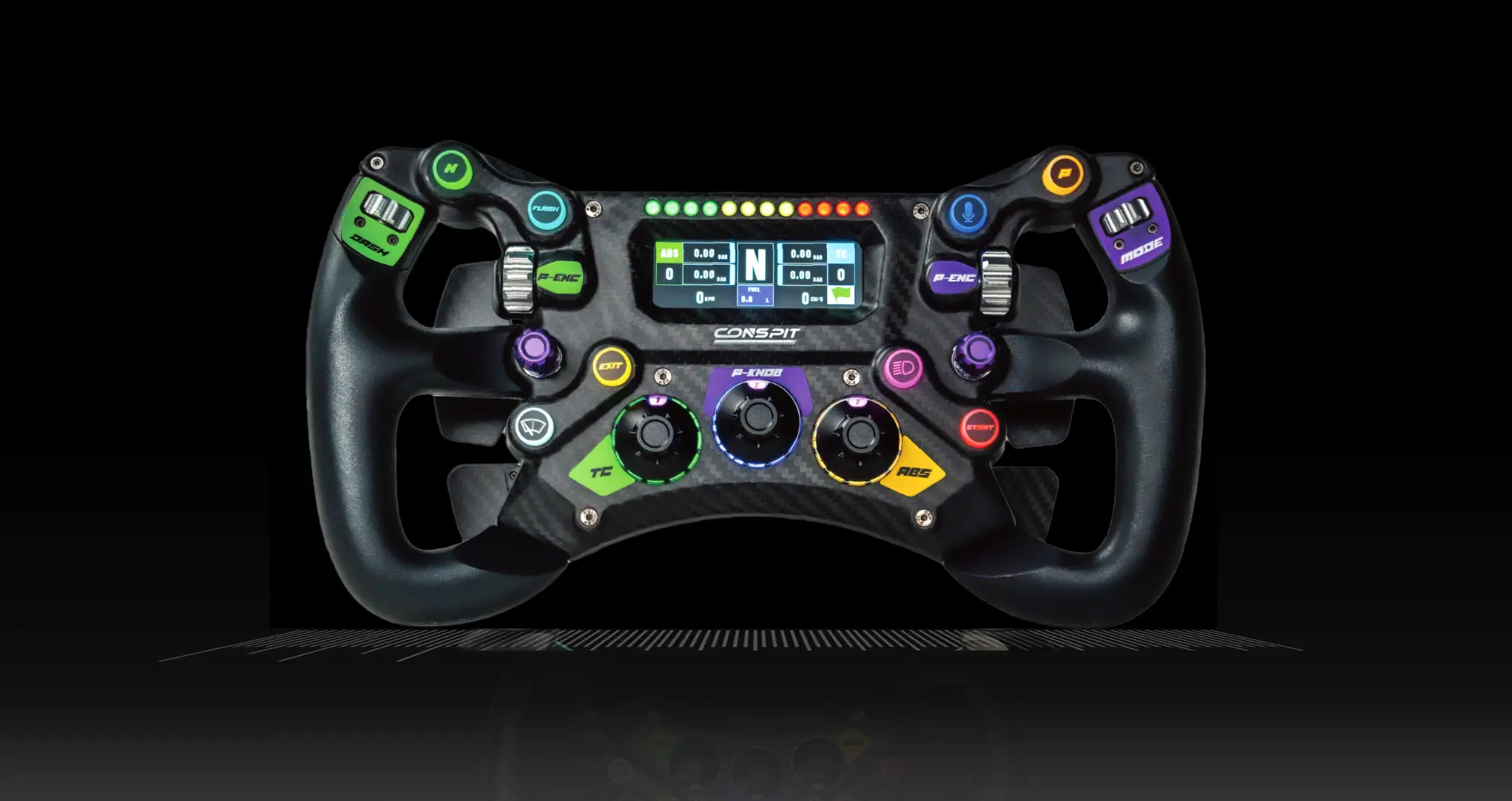
CONSPIT 300GT STEERING WHEEL
Best Value @ $399
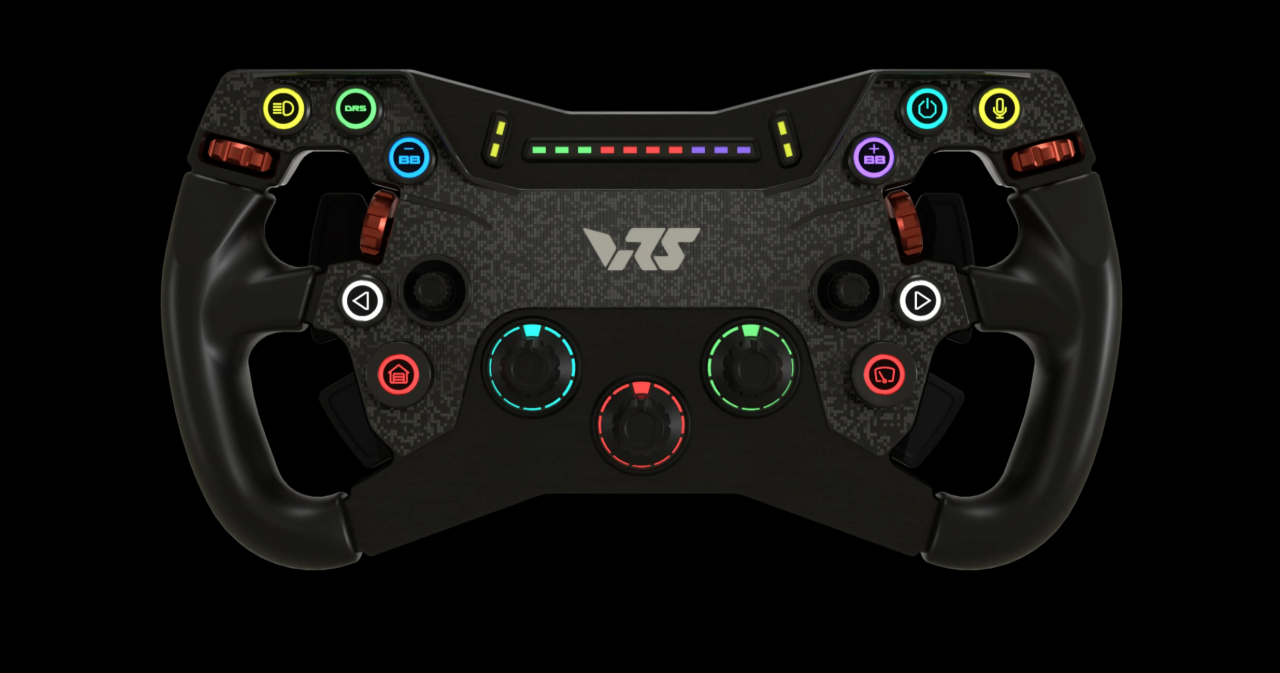
VRS R295 Steering Wheel
Best Value @ $349
MOZA FSR2 Formula Wheel
Best Value @ $649
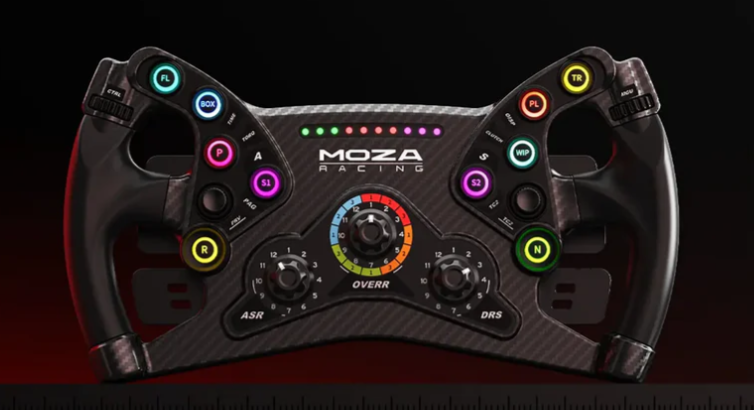
MOZA KS Steeering Wheel
Best Value @ $249
A ballroom can have excellent food, polished signage, and a full agenda, then still go quiet the moment attendees reach for their phones. Great event entertainment changes that pattern. It gives guests a reason to step away from small talk, take part in something memorable, and leave with a story they can repeat long after the event ends.
For corporate parties, conferences, trade shows, and client activations, a full-motion racing simulator creates that moment quickly. Guests do not need racing experience to feel the rush of a fast lap, but the experience has enough depth to keep competitive drivers engaged. Add professional coaching, visible brand integration, and a format built for participation, and the simulator becomes more than an attraction. It becomes a focal point for the room.
Why Passive Event Entertainment Falls Flat
A DJ, photo booth, or background performer can support an event atmosphere. They may be the right choice for a cocktail hour or a formal gala where conversation is the priority. The trade-off is that passive entertainment often gives attendees little reason to engage with one another beyond a quick photo or a few minutes of observation.
Corporate audiences have seen plenty of standard activations. They know what to expect from a prize wheel, a branded giveaway table, or a generic arcade setup. These options can create traffic, but traffic is not the same as engagement. If there is no challenge, skill progression, or shared payoff, people tend to move on quickly.
Interactive entertainment earns attention because it gives guests a role. They are not watching an experience happen. They are driving, competing, improving, cheering for colleagues, and returning for another attempt. That difference matters when the event needs to build relationships, generate leads, reward employees, or make a product launch feel significant.
Event Entertainment Built Around Participation
Premium sim racing works because it meets several event goals at once. It delivers visual impact from across the room, immediate excitement for first-time guests, and a legitimate performance challenge for experienced racers. The full-motion platform adds physical feedback under braking, acceleration, and cornering, creating a much closer connection to the track than a basic gaming station can offer.
The equipment also matters. Pro-driver-grade steering systems, pedals, racing seats, and display technology create a credible motorsport experience. When guests step into a purpose-built cockpit instead of standing at a consumer console, the activation feels substantial. That perceived quality carries over to the brand hosting the event.
Just as important, a trained racing coach keeps the line moving and the experience accessible. A coach can help a nervous first-time driver get comfortable, explain the controls in seconds, and give a competitive guest the feedback needed to shave time from a lap. This personal guidance prevents the setup from becoming an unattended piece of equipment that only experienced gamers feel comfortable using.
The Competitive Format Creates Natural Conversation
A leaderboard gives an activation momentum. One guest sets a time, another tries to beat it, and coworkers begin comparing braking points and corner exits even if they had never discussed racing before. A timed challenge is easy to understand and works well during a busy conference, where people may only have a few minutes between sessions.
For a private company event, a team format can be even more effective. Departments, offices, or client groups can compete for the fastest combined times. This structure invites people of different comfort levels to participate. One person may be focused on winning, while another simply wants to contribute a respectable lap to the team total.
There is a balance to strike. An overly technical format can intimidate casual guests, while a format with no meaningful challenge may not hold attention. The strongest programs use approachable tracks, short sessions, clear scoring, and coaching that lets guests decide how competitive they want to be.
Branding Should Be Part of the Experience
For marketing teams, the question is not only whether people enjoyed the entertainment. It is whether they remember who created it. A racing simulator provides several high-visibility places for brand integration without turning the experience into a hard sell.
Your logo can appear on the physical simulator, while branded liveries place the company identity directly on the in-sim race cars. Trackside billboards extend that presence throughout the virtual circuit. Guests see the brand while waiting, driving, watching a coworker race, and reviewing leaderboard results. It is far more integrated than placing a logo next to an unrelated activity.
This customization is especially valuable at trade shows and conferences. A strong racing activation draws attendees into a booth, but the branded environment gives sales teams a natural opening to start a conversation. Rather than asking a prospect to stop for a pitch, the team can congratulate them on a lap time, invite them to a rematch, or connect the experience to a larger campaign.
Branding should remain clear, not cluttered. The best visual treatment uses a recognizable logo, a confident color system, and messaging that fits the event objective. If every surface is overloaded with copy, the simulator loses the premium visual impact that attracted guests in the first place.
Planning for the Right Guest Experience
The right entertainment format depends on the venue, audience size, schedule, and desired outcome. A high-volume convention floor needs quick onboarding and a visible queue. A client appreciation event may benefit from longer sessions, more personal coaching, and a format that encourages guests to stay and socialize. A team-building program may place more emphasis on collaborative scoring than individual speed.
Space and logistics deserve early attention. Full-motion simulators need a stable footprint, reliable power, room for guests to enter and exit comfortably, and sightlines that let spectators follow the action. The activation should sit where it can create energy without blocking registration, food service, or critical traffic lanes.
It also helps to consider the audience before selecting the racing environment. An F1-style experience can be a powerful draw for a motorsport-aware crowd, while an approachable circuit and guided coaching may better serve a broad employee or client audience. Premium equipment does not require a niche audience, but the program should be designed so every guest feels invited to try it.
What a Professional Simulator Partner Changes
A rental provider is not simply delivering hardware. The difference between an impressive activation and a frustrating one often comes down to setup quality, staffing, event flow, and the ability to adapt on-site. Professional coaches keep guests confident and engaged. Experienced event staff manage rotations, explain rules, monitor equipment, and maintain the pace that a live environment requires.
Sim Racing Warehouse brings full-motion racing simulator rentals to corporate events in markets including Nashville, Dallas, Orlando, Atlanta, Chicago, Indianapolis, and beyond. The focus is on high-level equipment, trained racing coaches, and custom branded racing environments that give guests a real reason to stop, participate, and compete.
That expertise is particularly valuable when an event has a narrow schedule. A lunch reception, sponsor happy hour, or trade show window may only provide a few hours to make an impression. The activation must be ready when doors open, understandable at a glance, and staffed well enough to keep each guest moving toward the next lap.
Measuring More Than Foot Traffic
A crowded activation is a positive sign, but it is only one measure of success. Event teams should define what a strong result looks like before selecting entertainment. For a brand activation, that could mean qualified conversations, scans, or scheduled follow-ups. For an internal event, it may mean participation across departments and stronger employee feedback. For a client event, the signal may be longer dwell time and more meaningful conversations with account teams.
Racing simulators can support all of those outcomes because they create repeat engagement. A guest may return to improve a lap time, bring a colleague over, or watch the leaderboard later in the event. Every return visit creates another chance for the host brand to be seen and for conversations to develop naturally.
The most effective event entertainment does not compete with the purpose of an event. It gives that purpose more energy. When guests are cheering at the leaderboard, trading racing tips with a coach, and seeing your brand in every corner of the experience, the event has moved beyond a pleasant gathering into something people will genuinely want to talk about. Book your event today and give your guests a reason to take the next lap.
SHARE THIS STORY ANYWHERE YOU LIKE
SHARE THIS STORY ANYWHERE
fusion_global=”97″]
