

Motion Simulator Reviews for Corporate Events
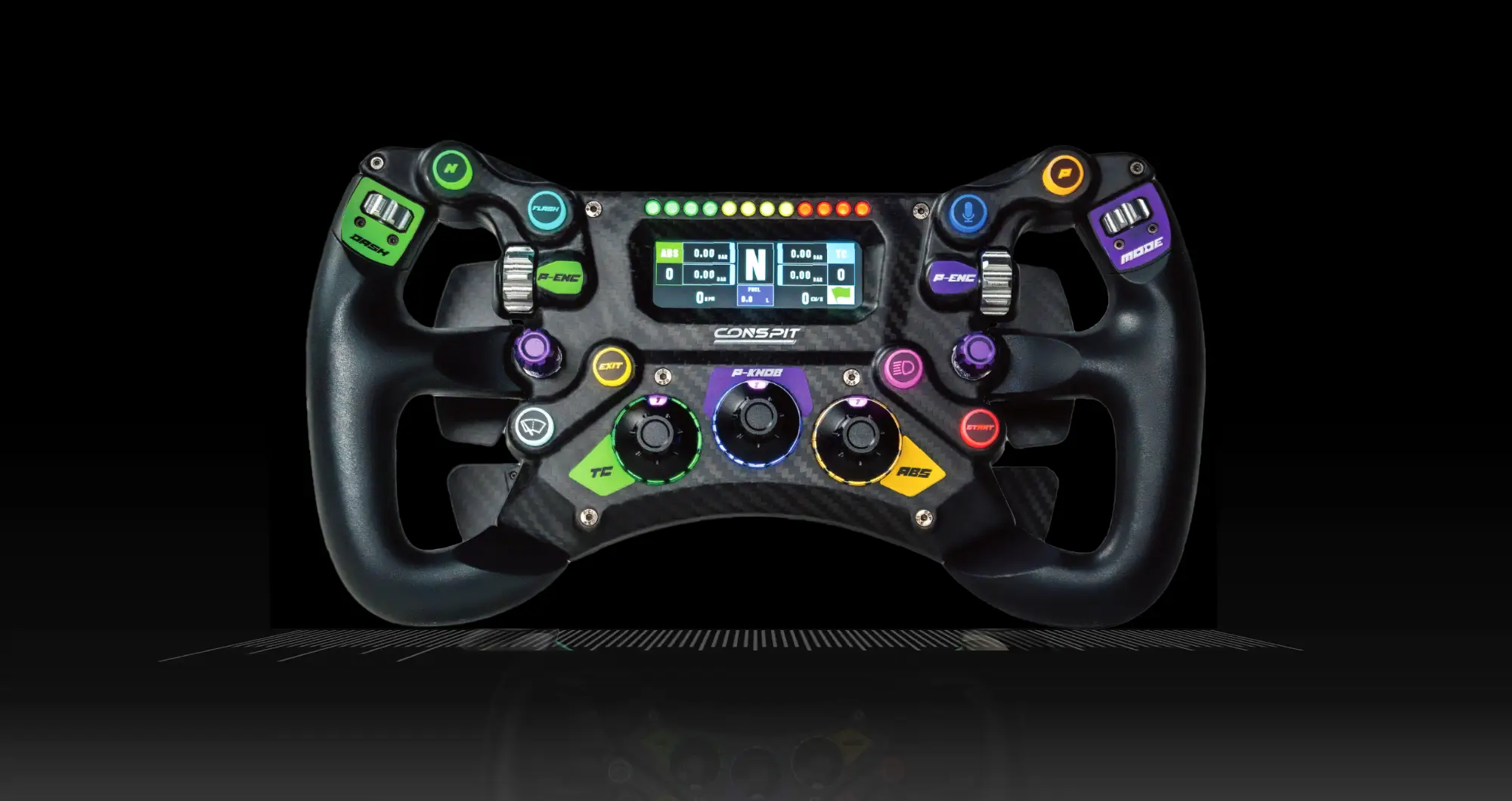
CONSPIT 300GT STEERING WHEEL
Best Value @ $399
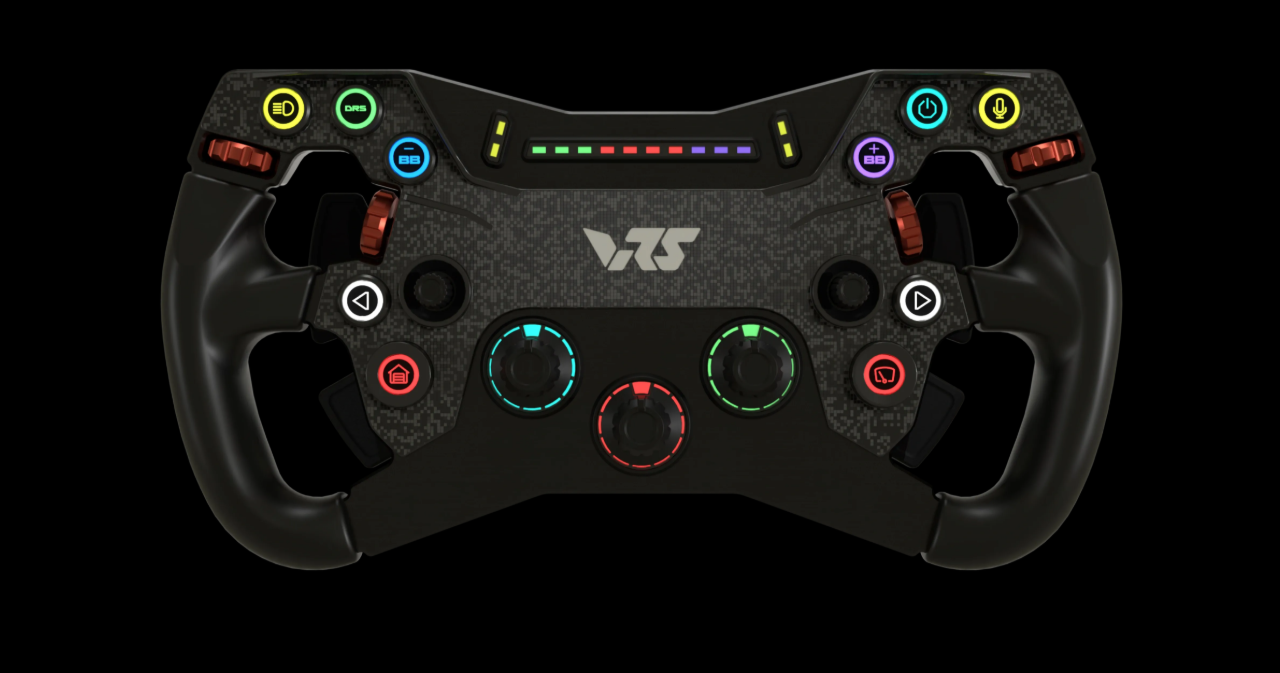
VRS R295 Steering Wheel
Best Value @ $349
MOZA FSR2 Formula Wheel
Best Value @ $649
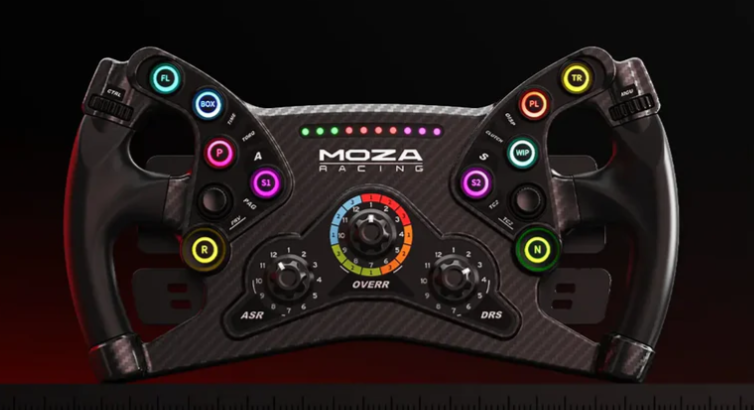
MOZA KS Steeering Wheel
Best Value @ $249
A motion simulator can be the busiest corner of a trade show floor – or an expensive visual prop with a line that barely moves. That distinction is why motion simulator reviews deserve more than a quick scan of star ratings and dramatic cockpit photos. For corporate events, the right question is not simply whether a simulator feels fast. It is whether the experience creates a memorable, branded moment for hundreds of guests while operating reliably in a real venue.
For event planners, marketing teams, and conference organizers, the strongest reviews reveal what happens after the first lap: guest engagement, coach interaction, line management, safety, uptime, and the quality of the brand exposure. Those details determine whether a full-motion racing activation earns attention throughout the event.
What Motion Simulator Reviews Should Tell Event Planners
A consumer review often focuses on lap times, force feedback, screen resolution, or whether the motion feels convincing in a home setup. Those factors matter, but an event activation has different stakes. A corporate rental must be approachable for first-time drivers, durable under continuous use, and polished enough to represent the host brand in front of clients, employees, and prospects.
Look for reviews that describe the complete guest journey. Does a guest understand what to do within a few seconds of sitting down? Is there a trained coach guiding the start, explaining braking and steering, and making nervous first-time drivers feel comfortable? Does the system recover quickly between sessions? Are guests leaving energized, laughing, and comparing lap times?
The best feedback is specific. “Everyone loved it” is encouraging, but comments about a steady line, smooth guest rotation, knowledgeable staff, or repeat participation are more useful when evaluating a corporate experience. They indicate that the activation performed under the practical demands of a live event.
Separate Hardware Praise From Event-Service Praise
A premium simulator starts with pro-driver-grade components. A rigid cockpit, responsive wheel base, performance pedals, high-quality displays, and calibrated motion all shape the sensation of driving. Yet exceptional equipment alone does not guarantee a successful event.
Reviews should also address the people and process around the equipment. A high-end rig needs professional setup, a clean presentation, proper cable management, clear operating procedures, and staff who can solve small issues before attendees notice them. The difference is similar to putting a race car on track with an experienced crew versus leaving it in the paddock without support.
When reading feedback, separate comments about hardware realism from comments about event delivery. A simulator may earn praise for its visuals while still being too slow to reset, too intimidating for casual guests, or poorly suited to a crowded convention floor. Conversely, a professionally managed multi-rig experience can make a powerful impression even when each guest has only a few minutes behind the wheel.
Motion Simulator Reviews: The Factors That Matter Most
Motion is the headline feature, but it should be judged by purpose rather than spectacle. Full-motion systems add physical cues under acceleration, braking, cornering, bumps, and weight transfer. Done well, this makes a race feel more immediate and helps guests understand the challenge of driving at speed.
For a corporate audience, controlled motion matters more than extreme movement. The experience should feel exciting without making guests apprehensive or excluding colleagues who may be new to racing. Strong reviews often mention that the simulator feels realistic, stable, and accessible – not merely aggressive.
Guest Throughput and Line Energy
An activation can attract a crowd and still disappoint if the line feels stagnant. Reviews that mention wait times, session length, turnarounds, or the number of participants per hour give planners a more honest picture of event value.
There is always a trade-off. Longer sessions give competitive guests time to learn the circuit and improve, which is ideal for a tournament-style team event. Shorter sessions allow more people to participate during a busy conference reception or trade show. The right format depends on the event objective: deep competition, broad participation, lead capture, or premium hospitality.
Experienced coaches are central to keeping the pace up. They can get a guest comfortable quickly, tailor the guidance to their confidence level, celebrate a strong lap, and prepare the next driver without breaking the momentum. That coaching turns a simulator rental from self-service entertainment into a professionally hosted experience.
Branding That Belongs Inside the Experience
For marketing executives, branding is not a side benefit. It is often the reason to bring a racing simulator to a show or client event in the first place. Motion simulator reviews should make clear whether the provider can create meaningful visibility beyond a logo placed near the rig.
The strongest race experiences put a brand where guests naturally look: on the simulator itself, on the in-sim racing car, and on trackside billboards. That creates a branded environment rather than a generic game with a banner nearby. It also gives spectators a reason to stop, photograph the action, and associate the excitement with the host company.
Ask whether the visuals are customized thoughtfully and whether the on-site team understands brand presentation. A polished activation should feel cohesive from the cockpit graphics to the leaderboard display. For a product launch, sales kickoff, or convention booth, those details can make the difference between a fun attraction and a marketing asset.
Reliability, Safety, and Venue Readiness
A review that calls a simulator “awesome” does not tell you whether it can run for six hours on a ballroom floor. Event-grade reliability deserves close attention. Look for feedback on setup punctuality, operational consistency, staff professionalism, and response to venue constraints.
Motion simulators require planning around power, floor space, load-in routes, ceiling clearance, audience flow, and noise. A professional provider evaluates these factors before the event, not after the first guests arrive. At large conferences, the physical footprint also needs to invite spectators without creating a bottleneck around the cockpit.
Safety should be visible in the experience without becoming intrusive. Guests need clear entry and exit support, appropriate motion settings, secure seating, and staff present throughout operation. These are not glamorous details, but they protect the guest experience and give planners confidence when inviting executives, clients, and diverse employee groups to participate.
Why a Live Demo Still Beats a Perfect Review
Reviews are valuable evidence, but a full-motion simulator is physical. Video clips can show movement, yet they cannot fully convey the pedal feel, the clarity of the displays, the quality of the cockpit, or the confidence a coach brings to a first-time driver.
If the activation is a major part of an event, request a detailed consultation or see comparable equipment in action. Discuss attendee volume, venue layout, audience profile, event duration, and the role branding needs to play. A multi-simulator setup may be the better choice for a high-traffic expo, while a single premium rig can be more effective for an executive lounge or intimate client gathering.
This is also where location matters. A provider with experience delivering mobile activations across markets such as Nashville, Dallas, Orlando, Atlanta, Chicago, and Indianapolis understands that venue logistics can vary as much as the guest list. The planning conversation should cover more than racing software. It should establish a complete operating plan for the room, the schedule, and the desired guest outcome.
Read Reviews With the Event Goal in Mind
No simulator is universally right because no two events ask for the same result. A competitive team-building event may prioritize leaderboards, coached heats, and enough session time for employees to improve. A trade show may prioritize visual impact, branded cars, spectator appeal, and rapid guest rotation. A client reception may favor a refined, hosted experience that makes every participant feel welcomed.
That is the lens Sim Racing Warehouse brings to full-motion racing simulator rentals: premium equipment is the foundation, while expert coaching, event execution, and custom branding turn it into a moment people remember. The most useful review is the one that helps you see your guests in the cockpit, your brand on the circuit, and a crowd gathering around the action.
Choose the experience that fits the room, the audience, and the business goal – then give guests a reason to talk about their lap long after the event ends.
SHARE THIS STORY ANYWHERE YOU LIKE
SHARE THIS STORY ANYWHERE
fusion_global=”97″]
