

Plan a Racing Simulator Activation That Wins
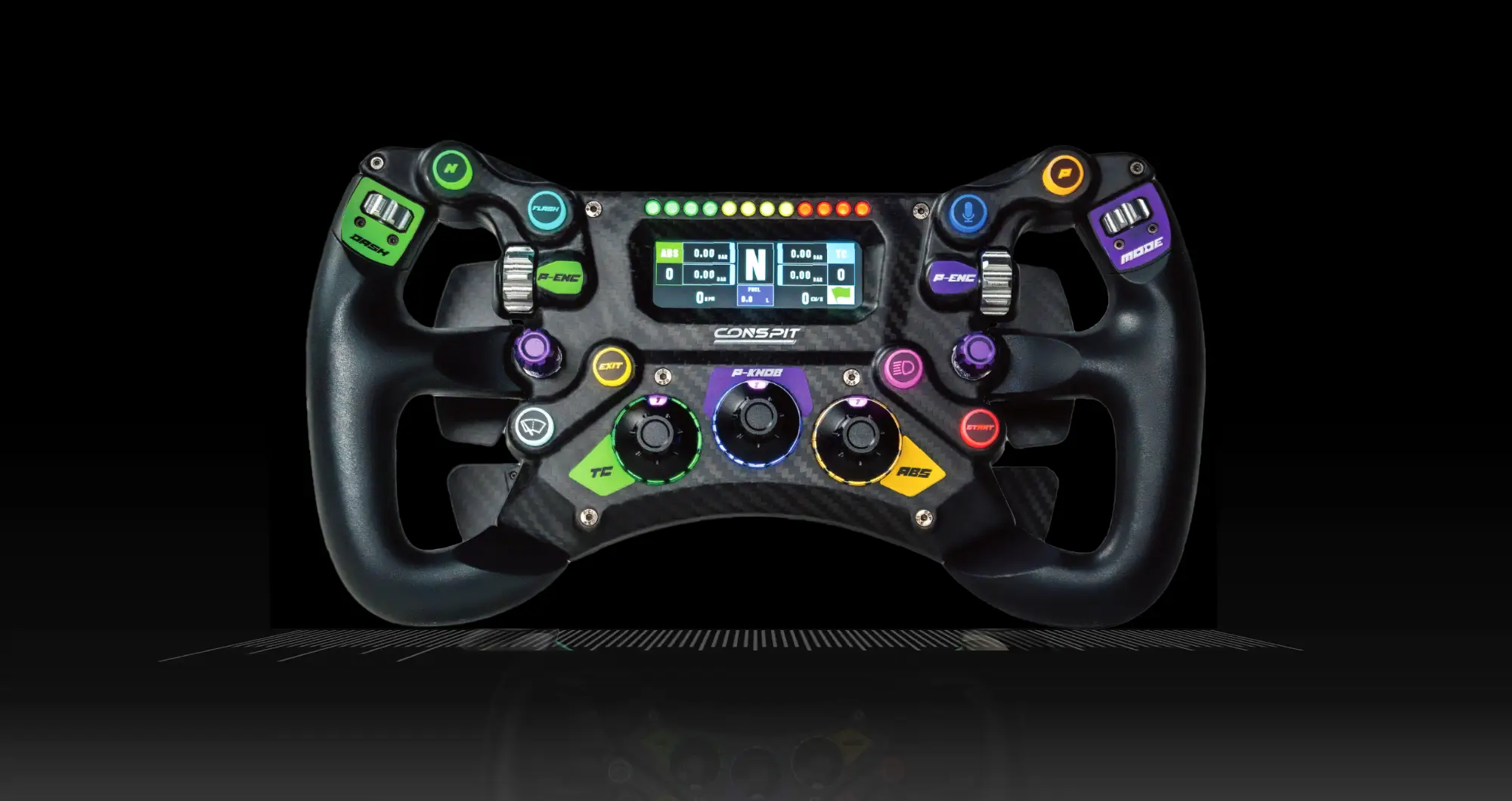
CONSPIT 300GT STEERING WHEEL
Best Value @ $399
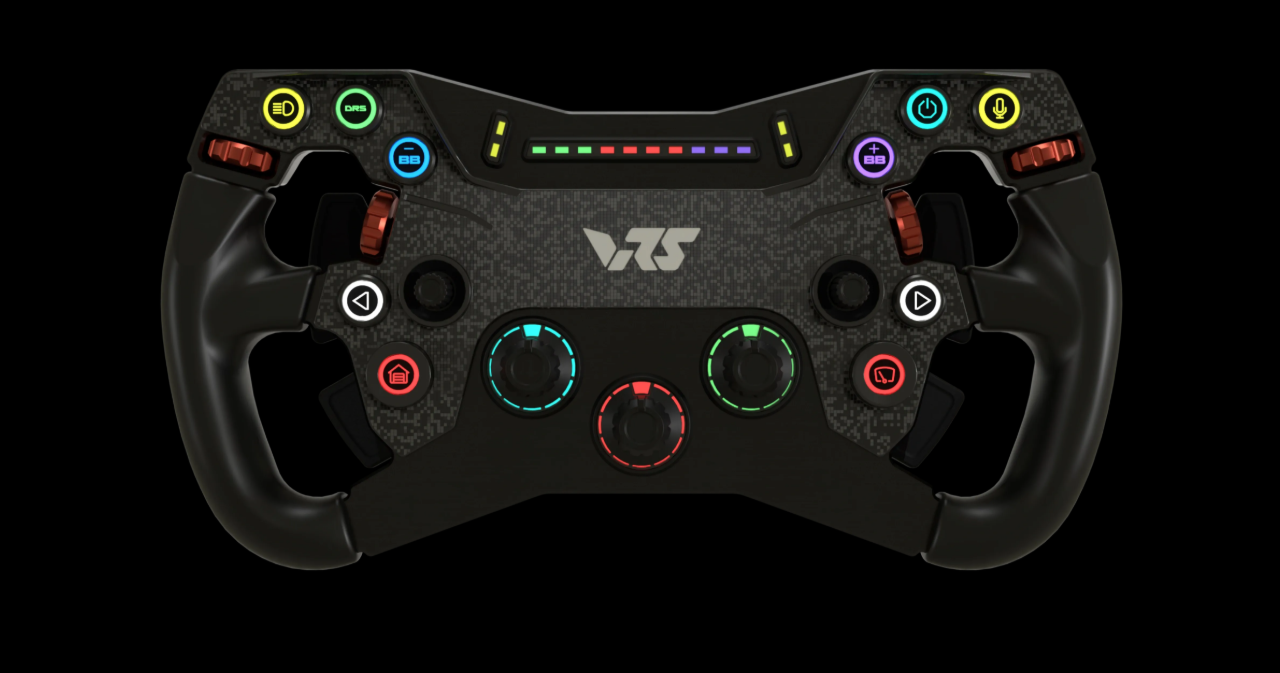
VRS R295 Steering Wheel
Best Value @ $349
MOZA FSR2 Formula Wheel
Best Value @ $649
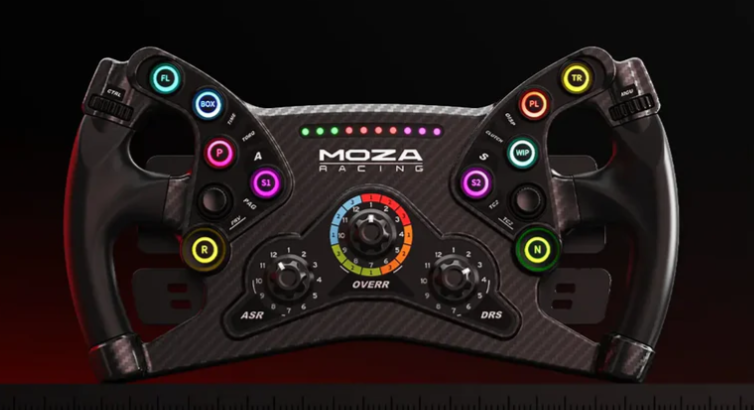
MOZA KS Steeering Wheel
Best Value @ $249
A crowded trade show floor gives attendees a hundred reasons to keep walking. The right reason to stop is not another screen, giveaway, or sales pitch. To plan racing simulator activation experiences that command attention, build the event around a real moment of competition: the driver settles into a full-motion cockpit, the lights go out, and everyone nearby wants to know who will set the fastest lap.
That moment can do far more than entertain. For corporate teams, marketing leaders, and convention organizers, a premium simulator activation creates an approachable way to start conversations, draw qualified traffic, reward customers, and give guests a story worth sharing after the event. The difference between a busy simulator and a high-value branded experience is the plan behind it.
Plan Your Racing Simulator Activation Around a Clear Job
A racing simulator can serve several event goals, but trying to serve all of them equally can dilute the experience. Start by deciding what success looks like. At a conference, that may mean repeat booth visits and lead conversations. At a client appreciation event, it may mean premium hospitality and friendly competition. At an internal gathering, the priority may be team bonding that feels more exciting than another group dinner.
The objective should shape the format. A single hot-lap challenge is ideal when space is tight and guest throughput matters. A timed leaderboard works well for trade shows because it gives visitors a reason to return and brings competitive energy to the booth. Head-to-head racing builds a louder crowd and is especially effective for receptions, product launches, and company parties. For a smaller executive event, longer coached sessions can make the activation feel more exclusive.
Set a practical success metric before the event. Count qualified scans, booked meetings, completed races, social content captures, or returning participants. Guest volume matters, but it is only part of the picture. If your company needs meaningful conversations with a select audience, a polished, coach-led experience for 80 right-fit guests may outperform a quick ride for 300 passersby.
Choose Equipment That Looks and Feels Like Motorsport
The hardware is not background scenery. It is the proof that the experience deserves a guest’s time. Consumer-grade gear can be fun at home, but corporate activations need equipment that performs reliably through continuous use while looking credible under event lighting and camera lenses.
Full-motion racing simulators create the strongest first impression because guests feel braking, acceleration, curbing, and weight transfer through the cockpit. That physical response turns a race from a video game into an experience people can feel. Pro-driver-grade wheel bases, precision pedals, racing seats, and purpose-built cockpits also let skilled guests push hard without making first-time drivers feel lost.
More equipment is not automatically better. Two premium simulators with clear sightlines, professional coaching, and a lively leaderboard can outperform a larger setup that leaves guests confused about where to queue or what to do next. The best configuration depends on the venue footprint, schedule, audience size, and whether the activation needs to emphasize head-to-head competition or individual hot laps.
Coaching Protects the Guest Experience
A professional racing coach is one of the most valuable parts of an activation plan. Guests arrive with wildly different comfort levels. One person may race competitively every weekend, while another has never used pedals beyond a road car. Both should leave feeling like they accomplished something.
Trained coaches manage the flow, explain the controls in plain language, help drivers find speed quickly, and keep the competition moving. They also add a premium human element. Instead of dropping attendees into a cockpit and hoping the technology carries the moment, your team gives them an encouraging guide who turns nerves into confidence and a good lap into a personal win.
Coaching is particularly important for mixed groups. It keeps experienced drivers engaged without allowing them to dominate the activation, and it makes the experience accessible for clients, executives, and team members who may not consider themselves gamers.
Make Branding Part of the Race, Not an Afterthought
A logo on a backdrop has value. A logo that guests see while racing, competing, and celebrating a leaderboard position has more staying power. Brand integration should be planned as part of the simulation environment rather than added at the end.
The highest-impact approach carries your identity across several touchpoints: simulator wraps or branded panels, the in-sim race car, trackside billboards, leaderboard graphics, and event signage. When these elements use one visual system, the activation feels like a custom motorsport program rather than rented entertainment placed in a booth.
Keep the driver experience clean. Overloading the virtual track with promotional messages can make the environment feel less believable. Use the car livery and track billboards for visible exposure, then let the competition do the emotional work. A guest who remembers beating a colleague by two tenths of a second is more likely to remember the company that hosted the race.
Consider the content plan at the same time. A well-positioned photo moment, a branded winner graphic, and a screen showing live leaderboard movement give guests natural reasons to record and share. The strongest social content is rarely forced. It comes from genuine reactions when someone clips an apex perfectly, takes the top spot, or watches a coworker discover just how hard racing can be.
Design the Guest Journey Before Doors Open
The experience begins before anyone touches the wheel. Guests need to understand what is happening from several yards away. Use a visible leaderboard or race display, a simple challenge name, and a clear entry point. A crowd forms faster when observers can immediately see both the action and the stakes.
The physical layout should include a sensible flow from check-in to briefing, cockpit entry, racing, and exit. For lead-generation events, registration belongs before the drive, not during the celebration afterward. For employee events, a leaderboard can become the registration mechanism, with drivers entering a name or team before their session begins.
Build in enough reset time between participants to keep the equipment clean, safe, and ready without creating dead air. This is where experienced event staff matter. They recognize when the line needs faster briefing, when a newcomer needs extra support, and when the crowd needs an announcement to raise the energy.
Venue logistics also deserve attention early. Confirm load-in access, power availability, ceiling height, floor protection requirements, Wi-Fi expectations, noise limitations, and the exact footprint available once furniture and traffic lanes are in place. A full-motion simulator activation is a premium production, not a last-minute add-on. Planning these details early protects the guest-facing experience later.
Build Competition That Includes Everyone
Competition is the engine of a racing activation, but the format must fit the audience. A fastest-lap board is simple and effective, yet it can discourage guests who assume they have no chance against serious racers. Add categories such as fastest team, most improved lap, rookie of the day, or a random prize drawing for all participants. This keeps the room engaged without reducing the credibility of the main contest.
For corporate team building, organize a short qualifying session followed by a final for the fastest representatives from each department. For client events, pair guests with a host or coach for a friendly challenge. At a trade show, a recurring prize window can encourage people to return later rather than racing once and disappearing into the aisle.
The prize should match the occasion. Sometimes a trophy, bragging rights, or a winner photo is enough. For larger campaigns, a premium branded prize can extend the impact. What matters most is clarity: guests should know the rules, understand the timing, and see the results immediately.
Measure What Happened After the Checkered Flag
A successful activation produces more than applause. Review participation volume, average session length, lead capture quality, booked follow-ups, team participation, social posts, and customer feedback. Compare those results with the objective established before the event.
Qualitative feedback matters too. Did guests understand the brand connection? Did the staff have enough time for conversations? Did the activation attract the audience you wanted, or simply the largest crowd? These answers improve the next event more than a raw attendance number alone.
For multi-city programs, consistency is especially valuable. A repeatable package with branded assets, trained coaches, professional equipment, and a defined competition format can travel while maintaining the same standard. That makes it easier to compare results from an Orlando conference, a Dallas client event, or a Nashville company celebration.
Sim Racing Warehouse builds full-motion racing simulator experiences around these details: professional coaching, pro-driver-grade equipment, and brand placement that puts your company on the car, the simulators, and the virtual circuit. Book your event today with a plan that makes every guest feel the pressure of the next corner and the thrill of crossing the line.
SHARE THIS STORY ANYWHERE YOU LIKE
SHARE THIS STORY ANYWHERE
fusion_global=”97″]
