

Best Direct Drive Wheelbases for Serious Sim Racing
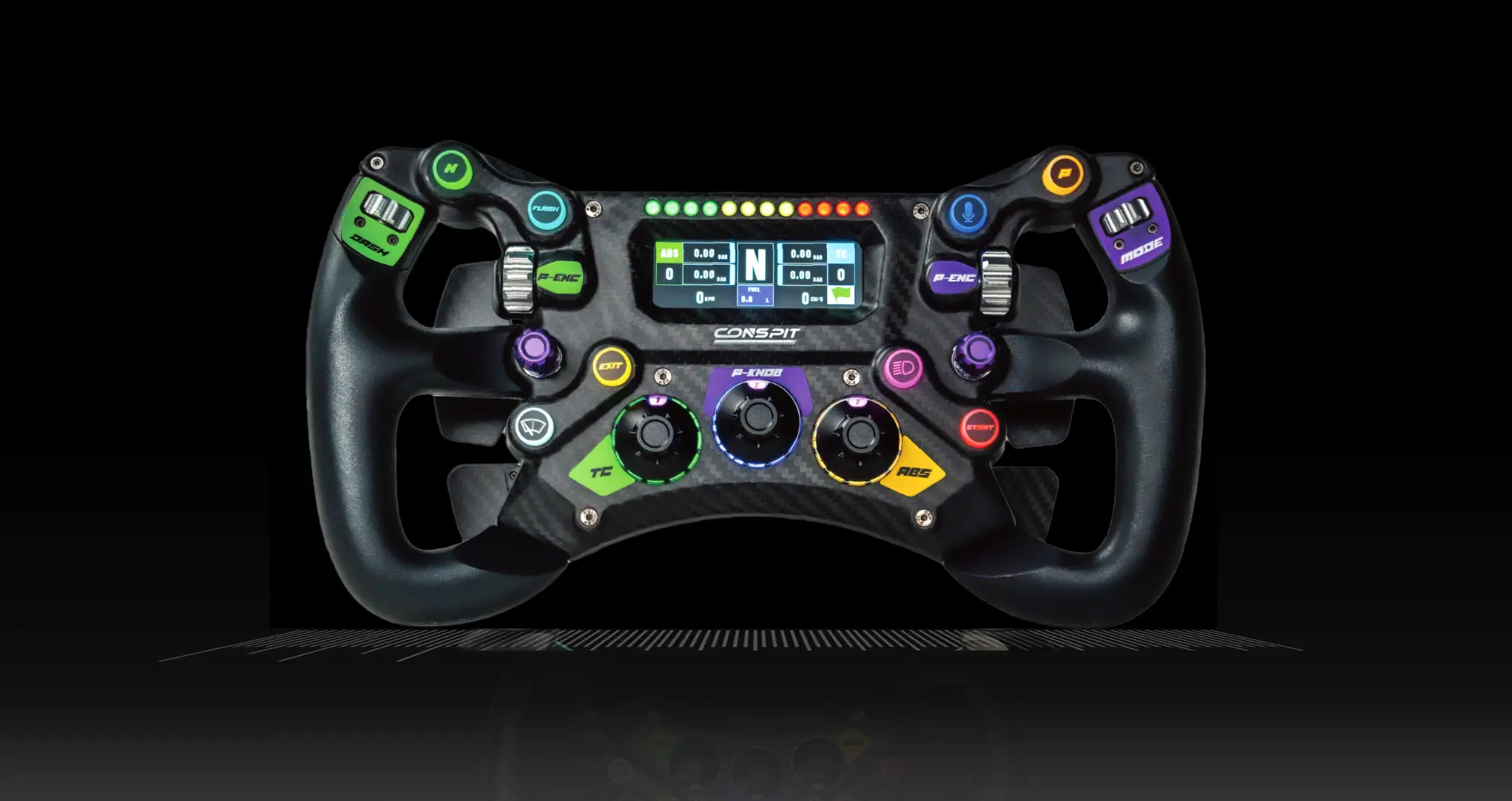
CONSPIT 300GT STEERING WHEEL
Best Value @ $399
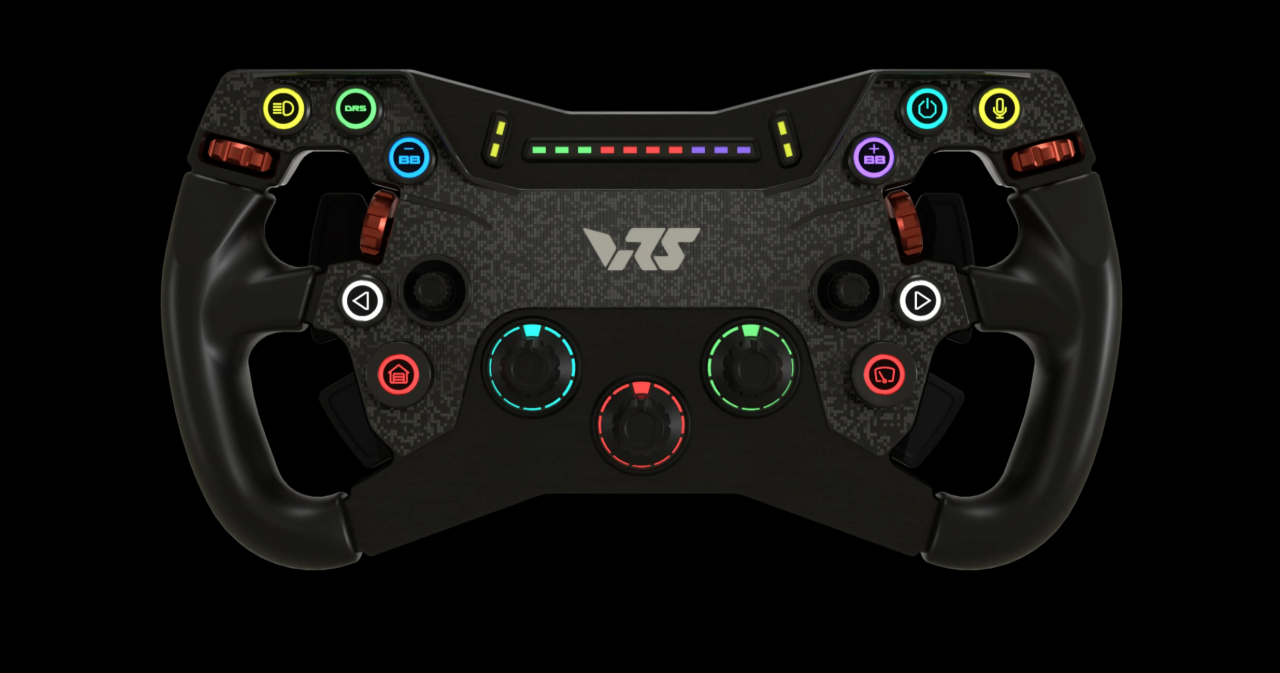
VRS R295 Steering Wheel
Best Value @ $349
MOZA FSR2 Formula Wheel
Best Value @ $649
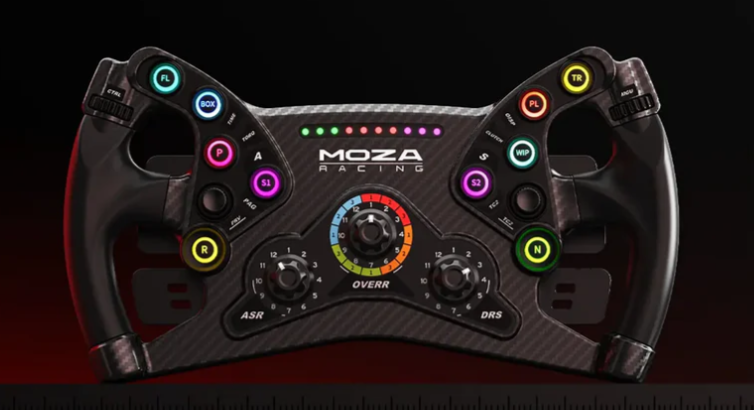
MOZA KS Steeering Wheel
Best Value @ $249
A wheelbase is the part of a simulator guests feel before they understand anything else. Turn into a curb at speed, catch a rear slide, or load the front tires through a fast corner, and the feedback tells the story. The best direct drive wheelbases make that story immediate, detailed, and convincing – whether the cockpit is built for a serious competitor or a corporate event floor filled with first-time racers.
For premium simulators, direct drive is not just a specification upgrade. It is the difference between a steering wheel that vibrates and a steering system that communicates grip, weight transfer, road texture, and the moment a car begins to move beneath the driver. Choosing the right unit means balancing force, refinement, compatibility, mounting, and the reality of who will use the rig.
What Makes Direct Drive Different
A direct drive wheelbase mounts the steering wheel directly to a powerful electric motor. There are no belts or gears between the motor and the wheel rim. That simpler mechanical path gives the driver faster response, cleaner detail, and substantially more available torque than entry-level wheel systems.
Raw strength gets most of the attention, but it is not the full reason direct drive feels better. A quality wheelbase can reproduce subtle forces without becoming harsh or vague. It should let a driver sense the car getting light over a crest, feel tire scrub as the steering is loaded, and recognize an approaching slide before it becomes a spin. Those details help experienced racers drive with greater consistency, while new guests immediately understand why a race car reacts differently from an ordinary road car.
For events, that fidelity creates a more memorable experience. A polished full-motion simulator with a weak or imprecise wheel can feel disconnected. Pairing motion, pedals, visuals, and pro-driver-grade steering feedback gives guests a complete physical experience rather than a screen-based game.
Best Direct Drive Wheelbases: The Right Fit Matters
There is no single best wheelbase for every installation. A competitive driver with a rigid aluminum profile cockpit may want high torque and deep tuning control. A brand activation needs repeatable operation, clean cable management, fast driver changes, and equipment that remains composed after a long day of enthusiastic use.
The strongest buying decision starts with the intended environment. For a permanent personal rig, the priority may be maximum detail and a favorite wheel ecosystem. For corporate parties, trade shows, and conferences, reliability and ease of operation often matter just as much as peak force. The wheelbase must feel special to a novice without being intimidating, and it must integrate cleanly into a cockpit that can handle repeated use.
Torque: More Than a Number on a Spec Sheet
Torque is measured in Newton meters, commonly written as Nm. Higher torque provides more headroom, which allows the wheelbase to produce strong feedback without constantly operating at its limit. It also preserves detail when the simulation sends multiple force signals at once, such as heavy cornering load combined with curb strikes and surface texture.
For many serious home setups, a wheelbase in the 12 to 15 Nm range delivers a compelling balance of realism, control, and value. It has enough authority to communicate a demanding GT or formula-style car while remaining approachable for longer sessions. Higher-output units around 20 Nm and above are especially appealing to advanced racers and professional-style installations, provided the cockpit, mount, and wheel rim are built to match.
More torque is not automatically more enjoyable. Excessive force can fatigue drivers, hide fine details, or make a simulator less welcoming for event guests. A well-configured wheelbase at sensible settings is better than an overpowered system set to punish every driver. In a public event environment, adjustable profiles are valuable: use a confident but comfortable setting for casual guests, then raise detail and force for a coached hot-lap challenge.
Force Feedback Quality Separates Premium Hardware
Two wheelbases with similar torque figures can feel very different. The better unit is usually the one that delivers force feedback smoothly, responds quickly to small inputs, and remains composed when the car is loaded heavily. Look for low-latency response, a refined motor control system, and software that allows useful adjustments without forcing users into endless experimentation.
Filtering matters here. Simulations can produce sharp or noisy effects that do not always translate naturally through hardware. Good wheelbase software lets an operator tune damping, friction, inertia, interpolation, and overall strength so the steering feels planted and informative. The goal is not to amplify every bump. It is to preserve the signals that help the driver place the car with confidence.
This distinction is particularly valuable when professional racing coaches are guiding guests. Clear steering feedback makes coaching more effective. A coach can explain trail braking, steering release, or the first signs of oversteer, and the guest can actually feel those moments through the wheel.
Wheel Ecosystem and Compatibility
A direct drive wheelbase is only one part of the steering system. The wheel rim, quick release, button layout, shifters, display, and software ecosystem all shape the final experience. Before committing, verify that the wheelbase supports the rims and accessories needed for the intended racing disciplines.
A round wheel is versatile for rally, drifting, stock cars, and general event use. A GT-style rim gives road-course drivers a familiar layout with easy access to controls. Formula-style rims suit open-wheel and prototype racing, where compact hand positions and shift paddles matter. For a commercial simulator, versatility is usually the smarter choice unless the event theme is tightly focused on Formula racing or a specific motorsport category.
VRS is a strong consideration for drivers who prioritize serious force feedback and a focused performance platform. Conspit offers a compelling route for builders looking to create a cohesive, modern cockpit with high-end controls and a polished presentation. The correct choice depends on the desired wheel options, budget allocation, and whether the rig needs broad guest appeal or a highly specific competition setup.
Compatibility also extends to the simulation platform. Confirm support for the PC titles used in the installation, as well as the required drivers, firmware process, and control mapping. In an event deployment, the best system is one that starts cleanly, stays consistent, and can be reset quickly between sessions.
Mounting and Cockpit Strength Are Non-Negotiable
A direct drive wheelbase should never be treated as a standalone purchase. Its force is only useful when the cockpit and mount can resist it. Flex at the wheel deck dulls feedback, introduces noise, and can make the steering feel less precise. It also undermines the premium impression a high-end simulator is meant to deliver.
Rigid aluminum profile cockpits and purpose-built steel frames are ideal for higher-torque wheelbases. The mounting solution should match the base’s bolt pattern and recommended orientation, with no improvised brackets or questionable adapters. Check that the pedal deck, seat mounts, monitor support, and motion components are equally capable. Steering force reveals weakness anywhere in the structure.
For mobile event simulators, installation quality matters even more. Equipment is transported, assembled, used by hundreds of guests, and packed down again. Professional cable routing, protected connectors, secure fasteners, and tested mounting points prevent avoidable downtime. A wheelbase that is excellent in a static racing room can become a poor event choice if its setup is fragile or slow to service.
Tuning for Competition Versus Guest Experience
Competitive drivers often prefer steering settings that reveal as much tire and chassis information as possible. They may run stronger forces, lower filtering, and car-specific profiles. That can be rewarding, but it is not always the right approach for a corporate activation.
For guest-facing simulators, predictable behavior wins. The steering should center naturally, communicate curbs and traction loss clearly, and avoid violent oscillation or unexpectedly heavy forces. A comfortable baseline lets first-time drivers focus on braking points, racing lines, and the fun of chasing a lap time. Advanced guests can still enjoy the resolution of premium hardware without needing a pre-race technical briefing.
This is where professionally managed simulator experiences stand apart. Sim Racing Warehouse pairs high-level equipment with trained racing coaches who can help each guest get comfortable quickly, then push for a faster, more confident lap. For branded events, the impact is amplified when the physical simulator, in-sim cars, and track billboards carry the company identity throughout the experience.
Where the Budget Delivers the Most Value
A direct drive wheelbase deserves a meaningful share of the budget, but not at the expense of everything around it. An exceptional base paired with a flexible cockpit, basic pedals, or an uncomfortable seat will leave performance on the table. In most premium builds, the best outcome comes from treating the wheelbase, pedals, chassis, display, and seating position as one system.
Spend more on torque when the cockpit is rigid, the drivers are experienced, and the simulator will be used for serious practice or competitive racing. Spend more on operational reliability and a well-rounded cockpit when the goal is guest throughput, brand engagement, and a polished event experience. Both approaches can be premium. They simply measure value differently.
The wheelbase should make every corner feel credible, not merely forceful. Choose one that fits the cockpit, the drivers, and the level of support behind the installation – then let the first hard braking zone do the convincing.
SHARE THIS STORY ANYWHERE YOU LIKE
SHARE THIS STORY ANYWHERE
fusion_global=”97″]
