

Best Sim Racing Pedal Sets for Serious Drivers
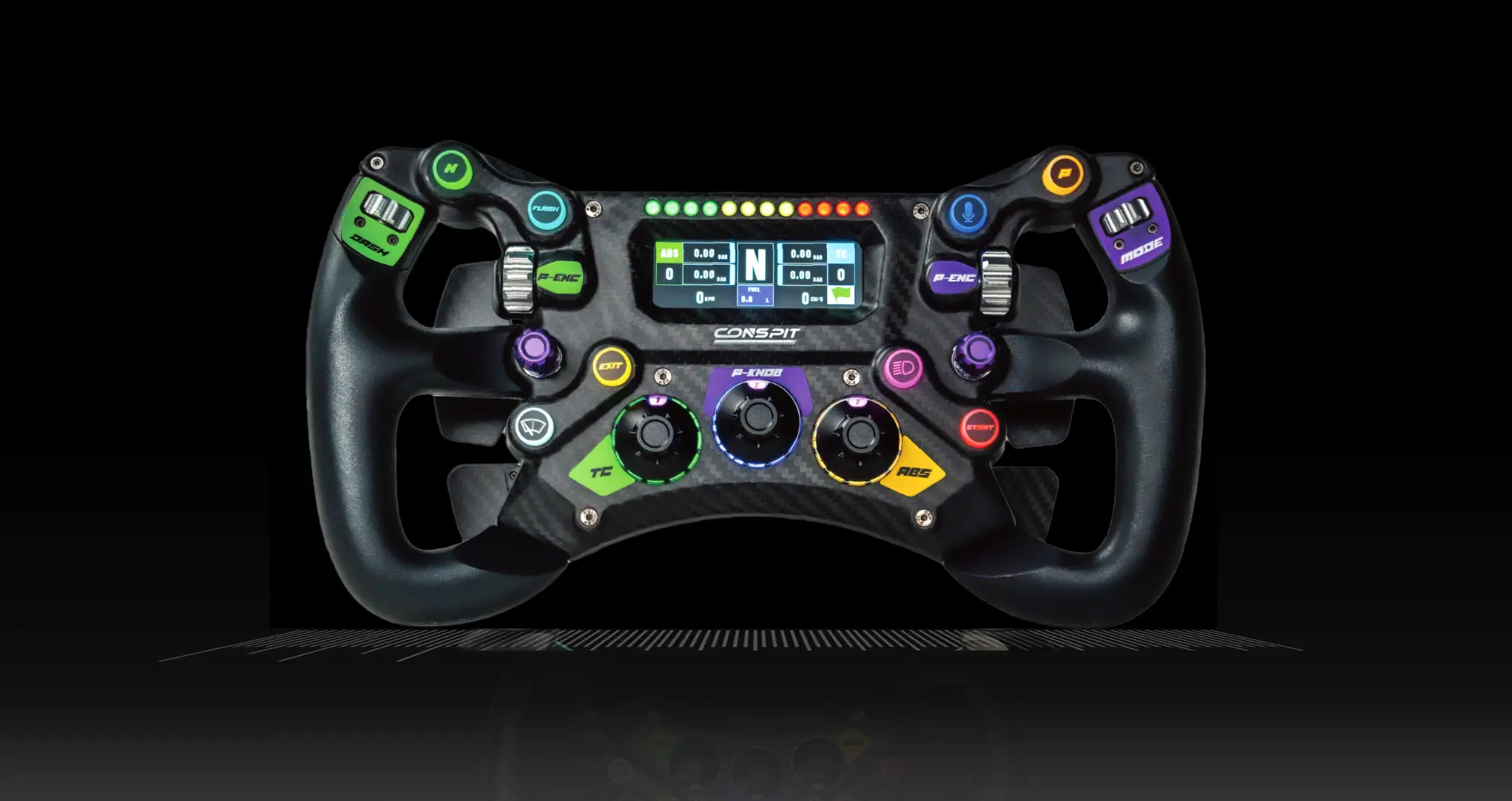
CONSPIT 300GT STEERING WHEEL
Best Value @ $399
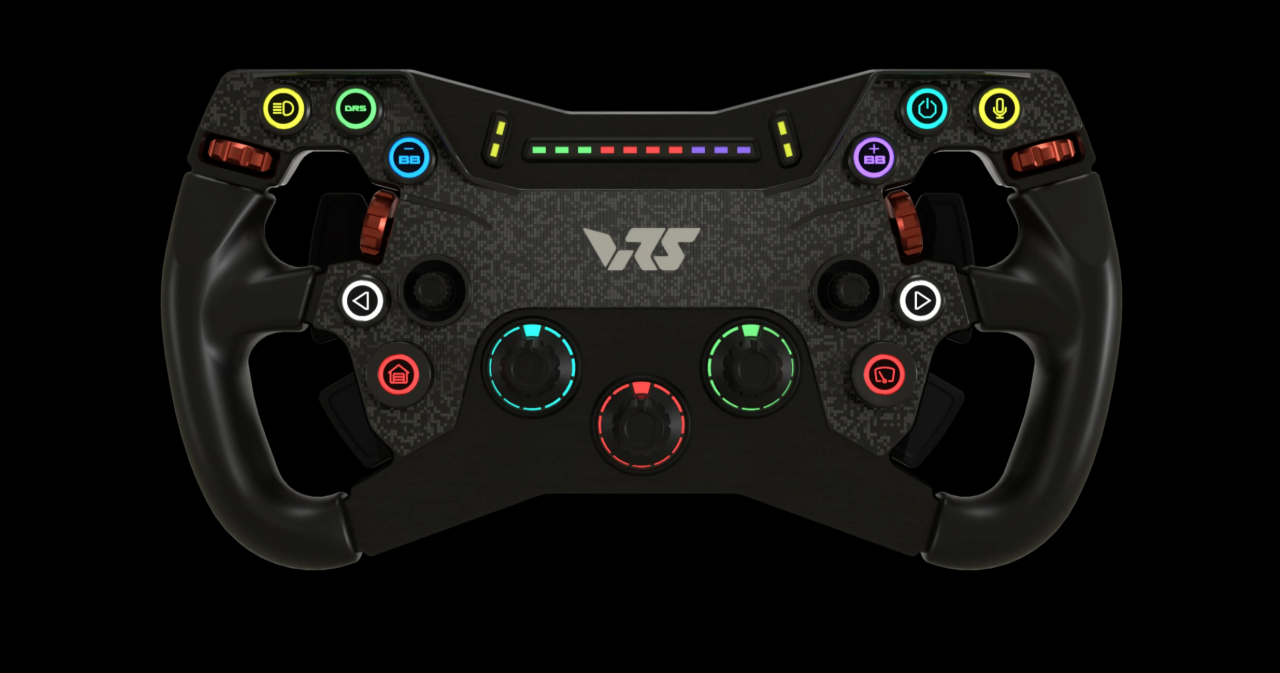
VRS R295 Steering Wheel
Best Value @ $349
MOZA FSR2 Formula Wheel
Best Value @ $649
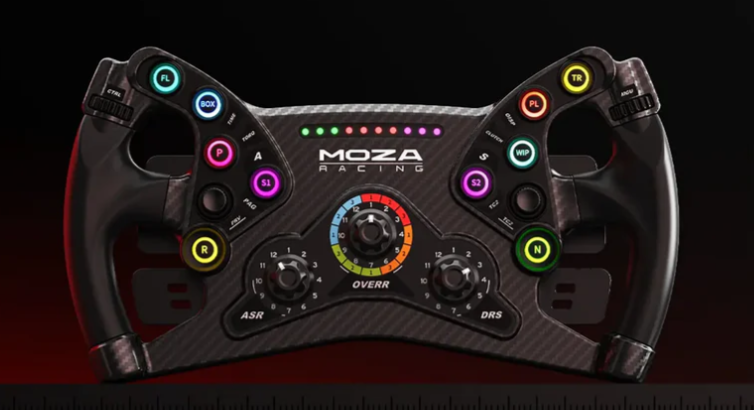
MOZA KS Steeering Wheel
Best Value @ $249
A driver can survive a lap with an imperfect steering input. A bad brake pedal ends the lap at corner entry. That is why the best sim racing pedal sets are not simply the ones with the most metal, the highest price, or the loudest product claims. They are the sets that let a driver apply the same braking pressure, find the threshold, and release the pedal smoothly enough to carry speed into the apex.
For a home competitor, that consistency becomes lap time. For a corporate event, trade show, or team-building activation, it becomes something equally valuable: a simulator that feels convincing to first-time guests while remaining durable through a full day of use. Premium pedals give trained racing coaches a better platform to help every guest brake later, gain confidence, and enjoy the race rather than fight the equipment.
What Separates the Best Sim Racing Pedal Sets
The brake matters more than the throttle and clutch when choosing pedals. Entry-level sets often measure pedal travel with a potentiometer or Hall sensor. This can work well, especially for casual use, but the driver is primarily learning a position: press the pedal to a familiar point, then hope that point produces the right braking force.
A load-cell brake measures force instead. That distinction is substantial. In a real race car, a driver develops braking muscle memory through pressure against the pedal. A quality load-cell set brings that behavior into the simulator. Rather than guessing where the pedal sits, the driver can repeat a pressure level, trail off the brake with more control, and respond naturally when grip changes.
Hydraulic-style systems can add another layer of resistance and pedal feel, but they are not automatically the right purchase. They often demand more adjustment, a sturdier cockpit, and a driver who appreciates their finer differences. For most serious sim racers, a well-engineered load-cell pedal set, firmly mounted and correctly adjusted, delivers the biggest improvement per dollar.
The best pedal choice also has to fit the rig. High brake forces can flex a lightweight wheel stand, move a pedal plate, or loosen mounting hardware over time. That is wasted performance. A premium cockpit and a rigid pedal deck make the pedal set feel more precise because the force goes into the sensor, not into bending the structure below it.
Our Picks by Driver and Simulator Use
There is no single winner for every rig. The best sim racing pedal sets depend on whether the priority is competition, adjustment range, budget discipline, or reliable public-event operation.
Best overall: VRS DirectForce Pro Pedals
VRS DirectForce Pro Pedals are a serious contender for drivers who want a direct, high-force braking experience without paying for features they will never use. Their appeal is straightforward: rigid construction, a strong load-cell brake, and a pedal feel designed around repeatability. This is the type of set that rewards a driver who spends time practicing threshold braking rather than constantly changing settings.
They are especially well suited to a fixed aluminum-profile cockpit or another equally solid chassis. On a flexible stand, their potential is limited. The trade-off is that their firm, competition-minded character can feel demanding for a casual driver at first. Once adjusted properly, that same firmness is what makes them so predictable through long stints.
Best for tuners: Conspit performance pedals
Conspit pedals appeal to racers who want a premium mechanical platform with meaningful setup adjustment. Pedal geometry, travel, resistance, and sensor behavior can all influence the way a driver approaches braking. A set in this category makes sense for someone building a dedicated simulator and refining it around a preferred driving style, whether that means a short, firm GT-style brake or more usable travel for road cars.
That adjustability has a practical limit. More settings do not guarantee faster laps, and frequent changes can prevent a driver from building consistent muscle memory. Start with a comfortable pedal position and brake force, then drive enough laps to understand what genuinely needs adjustment. For event simulators, a stable, carefully chosen setting is usually smarter than a highly personalized one. Guests need a pedal that makes sense immediately.
Best value upgrade: a quality load-cell two-pedal set
A two-pedal load-cell set is often the right move for drivers focused on modern GT, touring car, and formula racing. The clutch is useful for certain cars and disciplines, but it is not the main source of lap-time consistency for most racers. Putting more of the budget into brake quality and cockpit rigidity usually produces a better result than buying a less capable three-pedal set.
This category is also sensible for commercial simulator builds where simplicity matters. Fewer moving parts reduce setup variables, while a strong brake and smooth throttle still provide the pro-driver-grade feel guests notice immediately. A professional coach can teach braking fundamentals faster when the hardware responds consistently from one session to the next.
Best for immersion: a premium three-pedal set
A clutch-equipped pedal set earns its place when the simulator experience includes classic racing, manual-transmission cars, rally stages, or a full H-pattern shifter setup. It adds another physical skill and makes a complete cockpit feel closer to a real car. For a permanent entertainment space or enthusiast build, that extra engagement can be worth it.
For a high-volume corporate activation, consider the guest experience before adding a clutch. Some guests will love it; others may stall repeatedly or lose time trying to coordinate three pedals. Automatic or paddle-shifted race cars, paired with high-quality brake and throttle pedals, usually keep the line moving and the competition accessible.
Brake Feel Is Personal, but Rigidity Is Not
Drivers often describe an ideal brake pedal with contradictory terms: firm but progressive, short but controllable, realistic but not exhausting. All can be true. The right setup is less about copying another driver’s preference and more about achieving a brake response that is stable over thousands of inputs.
A pedal should provide enough resistance that the driver can lean into the brake without accidentally overshooting maximum pressure. It should also offer enough progression near the limit to make trail braking possible. If maximum braking arrives too abruptly, the driver tends to jab at the pedal. If it requires excessive force, fatigue can become a problem during endurance sessions or all-day events.
Rigidity is the non-negotiable part. Secure the pedals to a purpose-built plate, check that the seat does not slide under braking, and position the wheel so the driver can apply pressure without reaching. A pedal set cannot compensate for a seat that moves every time the brake is pressed.
Pedals for Corporate Events Need a Different Standard
At an event, a simulator is used by experienced racers, curious executives, conference attendees, and guests who may not have played a racing game in years. The best setup must satisfy all of them. That means realistic brake feedback without a punishing initial bite, controls that stay calibrated, and hardware that survives repeated use without developing play or flex.
Full-motion simulators raise the stakes. Motion cues make braking and weight transfer feel more physical, so vague pedals become even more noticeable. A high-quality load-cell brake helps the guest connect pedal pressure with the car’s behavior on screen. Coaches can then give clear, useful direction: brake firmly in a straight line, ease off as the car turns, and get back to power with purpose.
For branded activations, the pedal set is not the visual centerpiece, but it protects the experience behind the branding. Guests may remember their company livery on the race car and trackside billboards, yet the reason they stay for another lap is that the simulator feels credible. That is the standard Sim Racing Warehouse builds toward for premium racing experiences.
Buy the Pedals as Part of the System
Pedals should never be treated as an isolated upgrade. Confirm cockpit mounting compatibility, pedal plate stiffness, available USB connections, software support, and the space needed for the driver’s feet. If the brake can produce serious force, plan for a chassis that can accept it. If several drivers will share the rig, prioritize simple adjustments and settings that remain dependable.
Also consider the driving discipline. Formula-style driving can favor a more compact, firmer setup. GT and endurance racing often benefit from a comfortable, repeatable brake that remains easy to modulate late in a session. Rally and historic racing may make a clutch more valuable. The right answer changes with the cars you run and the people who will use the simulator.
Choose a pedal set that makes the brake pedal feel like a reliable reference point, not another variable to manage. When every stop into Turn 1 feels repeatable, drivers improve faster, coaches can give more meaningful feedback, and every guest gets closer to the rush of a real race weekend.
SHARE THIS STORY ANYWHERE YOU LIKE
SHARE THIS STORY ANYWHERE
fusion_global=”97″]
