

Corporate Racing Simulator Case Study for Event ROI
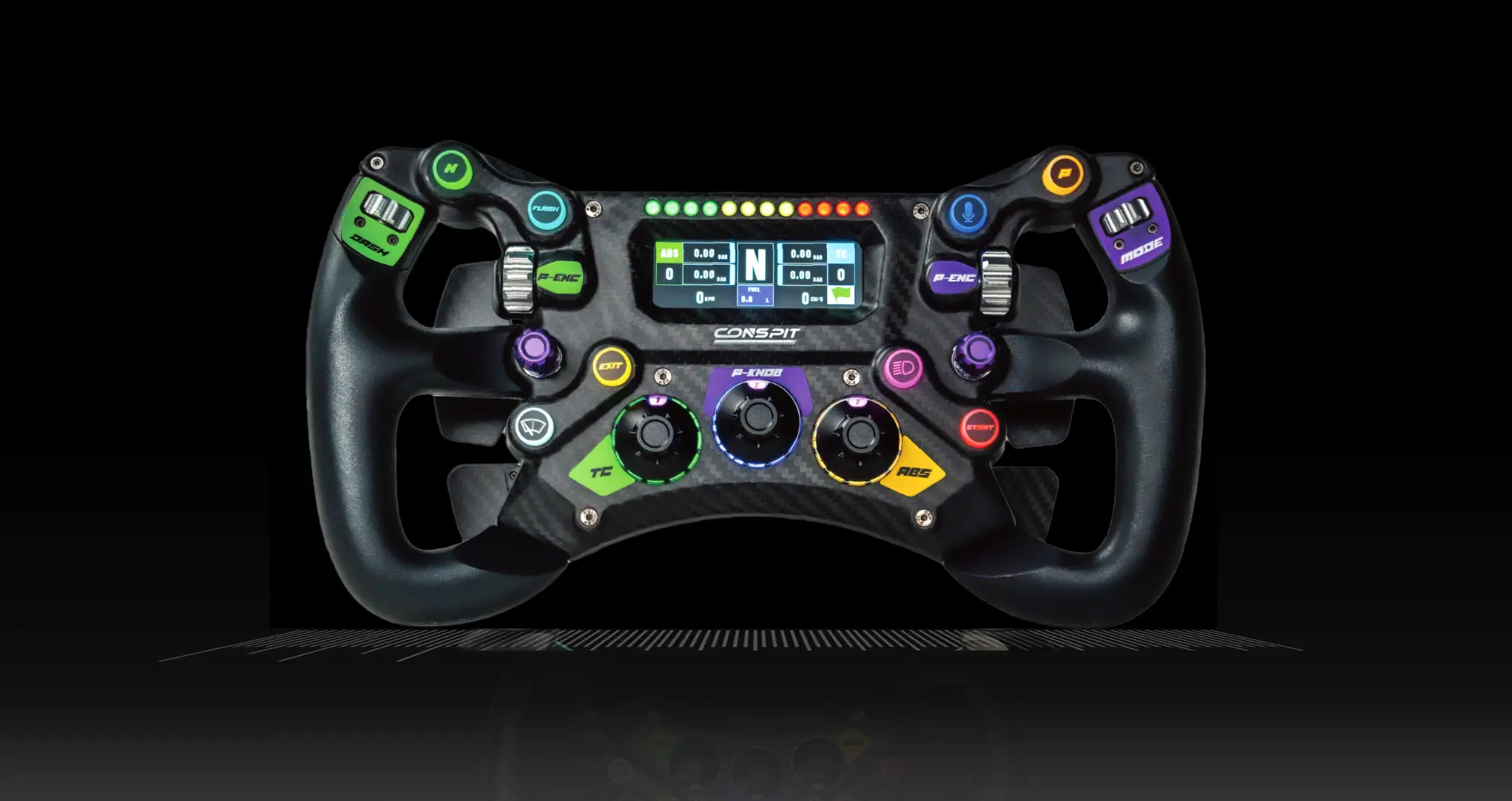
CONSPIT 300GT STEERING WHEEL
Best Value @ $399
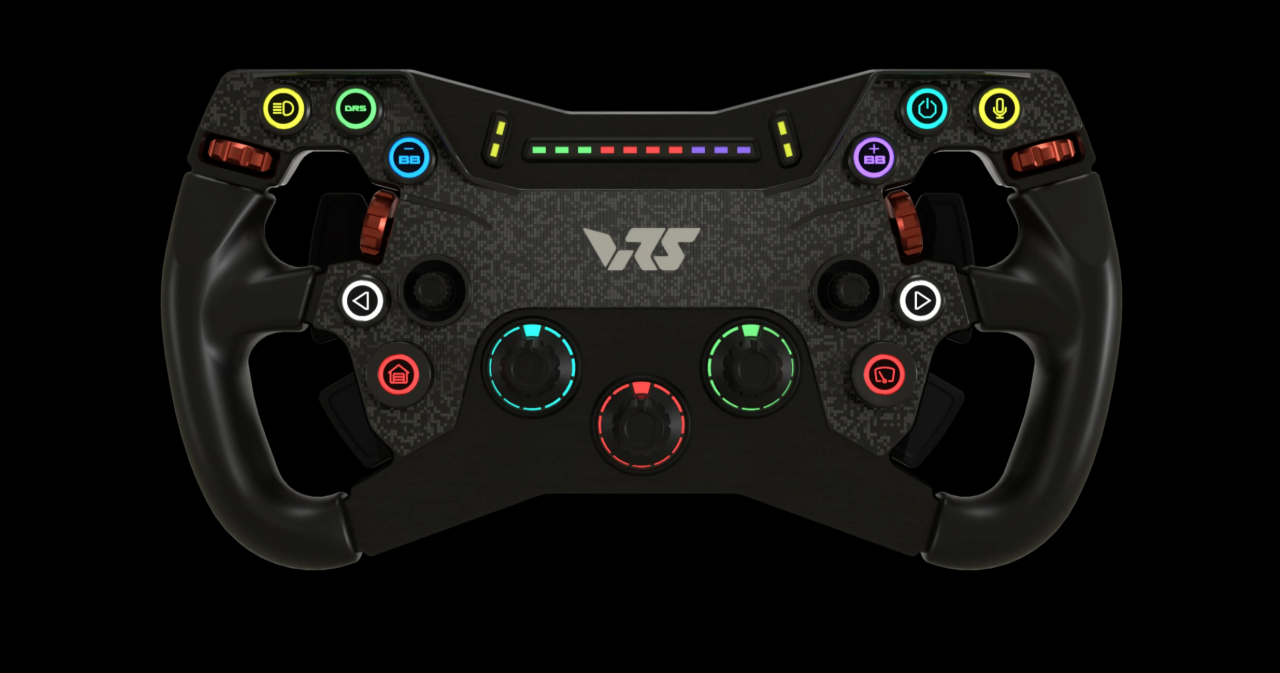
VRS R295 Steering Wheel
Best Value @ $349
MOZA FSR2 Formula Wheel
Best Value @ $649
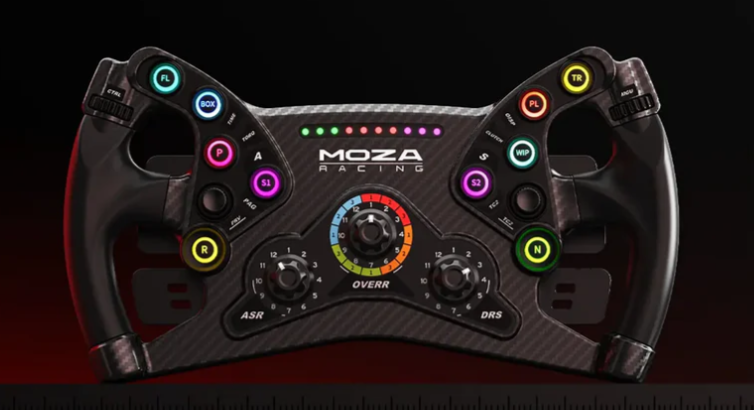
MOZA KS Steeering Wheel
Best Value @ $249
A strong corporate racing simulator case study is not really about lap times. It is about what happens when a crowded event floor suddenly has a clear center of gravity: guests stop, watch, compete, talk to brand representatives, and return for another run. For corporate planners and marketing teams, that attention is the asset. The simulator is the vehicle that earns it.
The following representative case study reflects the planning decisions, guest behavior, and performance measures that matter when a company brings full-motion racing simulators to a conference, client event, or branded activation. The scenario is composite, but the operational lessons are very real.
The Event Challenge: Create Energy That Supports the Brand
A national technology company was preparing for a two-day customer conference with several hundred attendees. The agenda was packed with product sessions, partner meetings, meals, and evening networking. Leadership did not want generic entertainment parked in a ballroom corner. They needed an attraction that could generate visible energy, encourage organic conversations, and give sales teams a reason to reconnect with priority accounts.
The event team had three requirements. First, the experience had to look premium enough for a senior audience. Second, it needed to work for guests with no racing background. Third, the activation had to carry the company’s identity beyond a logo on a sign.
A full-motion racing simulator rental met the brief because it combined spectacle with participation. Guests could see the cockpit move, hear the engine response, and watch live racing on external displays before they ever took a seat. That created a natural audience around every session rather than a private activity that disappeared behind a booth wall.
Corporate Racing Simulator Case Study: The Activation Plan
The event used two pro-driver-grade full-motion racing simulators positioned near the networking lounge and adjacent to a high-traffic sponsor corridor. Two rigs prevented a long single-file line while making head-to-head racing possible. The format was deliberately short: practice time for unfamiliar guests, followed by a timed lap or quick competitive race.
The experience was branded in three places. The physical simulator panels carried the company identity. The virtual race cars featured matching liveries. Trackside billboards in the simulation environment displayed campaign messaging, so every screen, spectator photo, and shared video reinforced the same brand presence.
That distinction matters. A logo on a backdrop can be missed. Branding on the car a guest is driving, the track they are racing through, and the equipment drawing a crowd becomes part of the memory of the experience.
Professional racing coaches managed the guest journey from the first interaction. They welcomed participants, adjusted seating and controls, explained the race format, and gave concise driving guidance. A first-time driver did not need to understand braking points or racing lines to have a great run. A competitive guest could receive more advanced coaching and chase a faster time.
This is where premium event simulator rentals separate themselves from an unattended game station. The equipment creates the excitement, but trained coaches keep the line moving, remove intimidation, and make each guest feel like the event was built for them.
The Competition Format
The company chose a leaderboard rather than a winner-take-all tournament. Every participant received a timed session, and the fastest drivers appeared on a large display throughout the day. The top times were reset for the evening reception, giving guests who had attended daytime sessions a reason to return and challenge coworkers or clients.
The prize was intentionally modest: branded racing gear and recognition during the reception. The real incentive was visibility. People wanted their name at the top of the board, especially when colleagues and customers could watch the action.
A leaderboard can be highly effective, but it is not the answer for every event. A private client dinner may benefit more from rotating team heats and a hosted final race. A trade show often needs rapid individual sessions that maximize throughput. The right format depends on whether the priority is relationship building, competitive team bonding, lead volume, or brand theater.
What Guests Actually Did
The strongest result was not simply the number of drivers. It was the number of people who stayed engaged after their own session ended.
Some guests returned to watch teammates race. Others used the lounge setting to start conversations with account managers. Several executives who initially said they were “just watching” ended up in the cockpit after seeing coworkers enjoy it. The full-motion experience gave the activation a low-pressure social quality: people could participate at their comfort level, whether that meant racing hard, cheering, filming, or discussing the cars and track on screen.
The coaches played a major role in keeping that momentum. They celebrated a clean lap as much as a fast lap, offered quick tips between attempts, and made competitive moments feel welcoming rather than exclusive. That balance helped the experience work across ages, job titles, and driving experience levels.
The event team also noticed an advantage that is easy to overlook during planning. A racing simulator gives attendees something specific to talk about. Instead of opening with a formal business question, a sales representative could ask, “Did you beat your teammate’s time?” That is a more natural entry point into a conversation and a much better one to remember later.
Measuring Value Beyond the Queue
The client tracked participation, but did not treat it as the only metric. A packed line is encouraging, yet event value comes from the quality of the engagement around it.
The most useful measurements included the number of unique drivers, repeat sessions, average session length, leaderboard participation, and the percentage of priority guests who visited the activation. The marketing team also counted badge scans tied to the simulator area and reviewed social posts, event photos, and video captures that featured the branded cars or screens.
For sales leadership, the meaningful number was the follow-up opportunity. Representatives recorded which target accounts raced, who brought colleagues back to compete, and which conversations continued after the activity. Those observations were more valuable than a raw foot-traffic total because they connected the activation to actual relationship-building.
There were trade-offs. Running longer race sessions created a more immersive experience, but reduced the number of guests who could drive during peak hours. Shorter sessions increased throughput, but needed careful coaching to avoid feeling rushed. The final plan used quick qualifying runs during the busiest conference windows and slightly longer head-to-head races during the evening reception.
That schedule protected the guest experience without sacrificing access. It also gave the client two different reasons for attendees to participate: quick fun during the day and a more social competition later.
What Made the Experience Feel Premium
Premium does not mean making the experience complicated. It means removing friction while preserving the feeling that guests are doing something extraordinary.
The cockpit quality, responsive controls, realistic motion, professional displays, and clean presentation all helped establish that standard. Just as important, every element was ready before guests arrived. The event team did not need to troubleshoot hardware, explain calibration, or direct traffic. The simulator crew managed setup, operation, coaching, and breakdown, allowing planners to focus on the larger program.
Customization elevated the investment further. The branded virtual environment gave the company far more visual ownership than a standard entertainment rental. It also made the activation easier to photograph, share internally, and use in post-event recaps. When a guest posts a video of a race, the brand is not sitting off to the side. It is inside the moment.
For companies hosting events in Nashville, Dallas, Orlando, Atlanta, Indianapolis, and other major markets, the practical advantage is mobility. A high-impact motorsport experience can be installed at a convention center, hotel ballroom, office, trade show floor, or private venue without requiring attendees to travel to a track.
The Planning Lesson for Corporate Teams
A simulator activation performs best when it is treated as part of the event strategy, not as a last-minute entertainment add-on. Placement affects visibility. Race format affects guest flow. Coaching affects participation. Branding affects recall. And the data collection plan determines whether the team can prove value once the event is over.
Sim Racing Warehouse builds full-motion racing simulator experiences around those details, from pro-grade equipment and trained racing coaches to branded cars, simulator graphics, and track billboards. The goal is not just to give guests a fun few minutes. It is to create a moment they want to talk about, photograph, and revisit.
The best corporate events give people a reason to put their phones down and step into the room. A well-run racing experience gives them an even better reason to come back: there is always one more lap to chase. Book your event today.
SHARE THIS STORY ANYWHERE YOU LIKE
SHARE THIS STORY ANYWHERE
fusion_global=”97″]
