

Corporate Simulators vs VR Experiences for Events
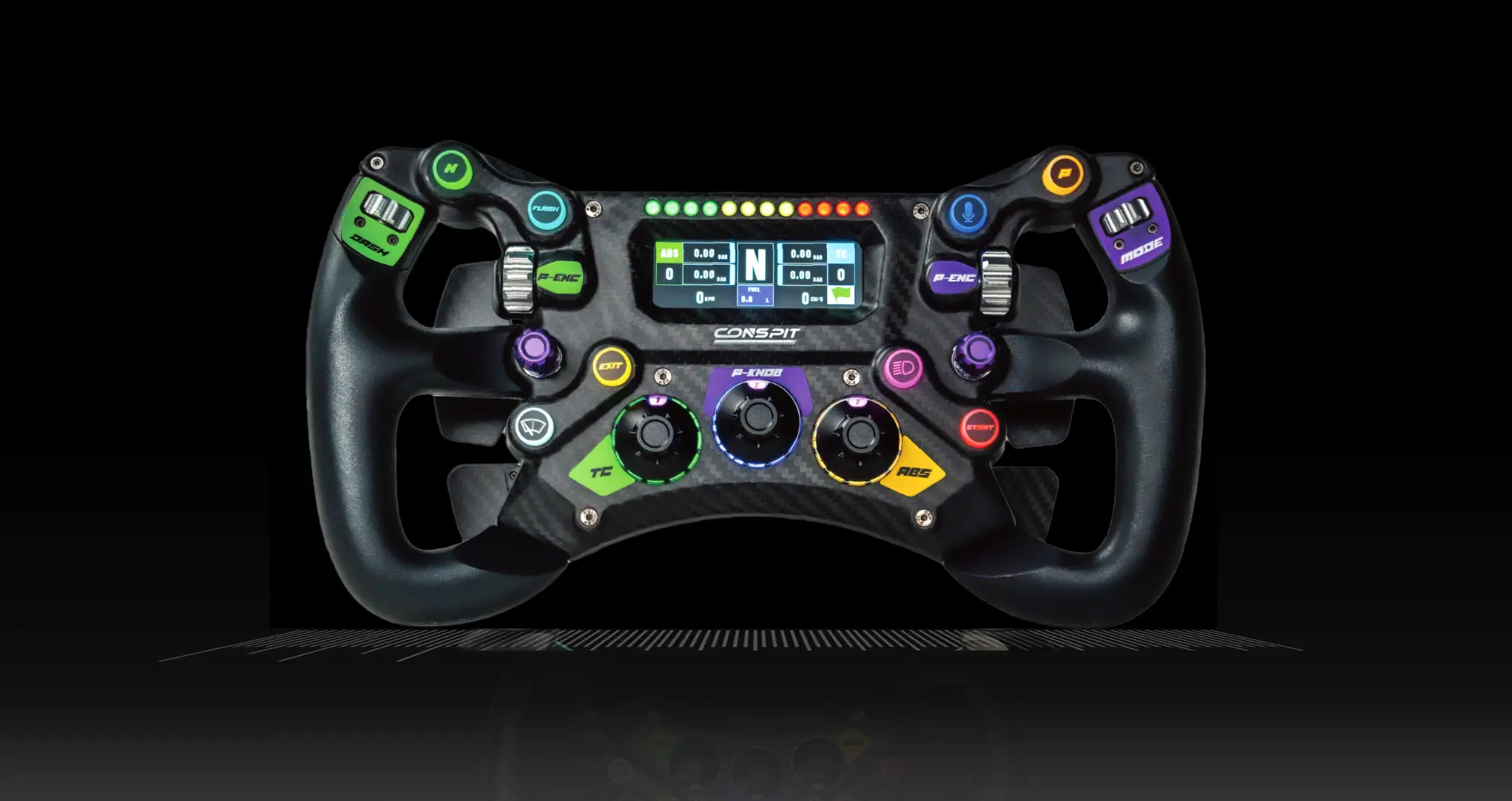
CONSPIT 300GT STEERING WHEEL
Best Value @ $399
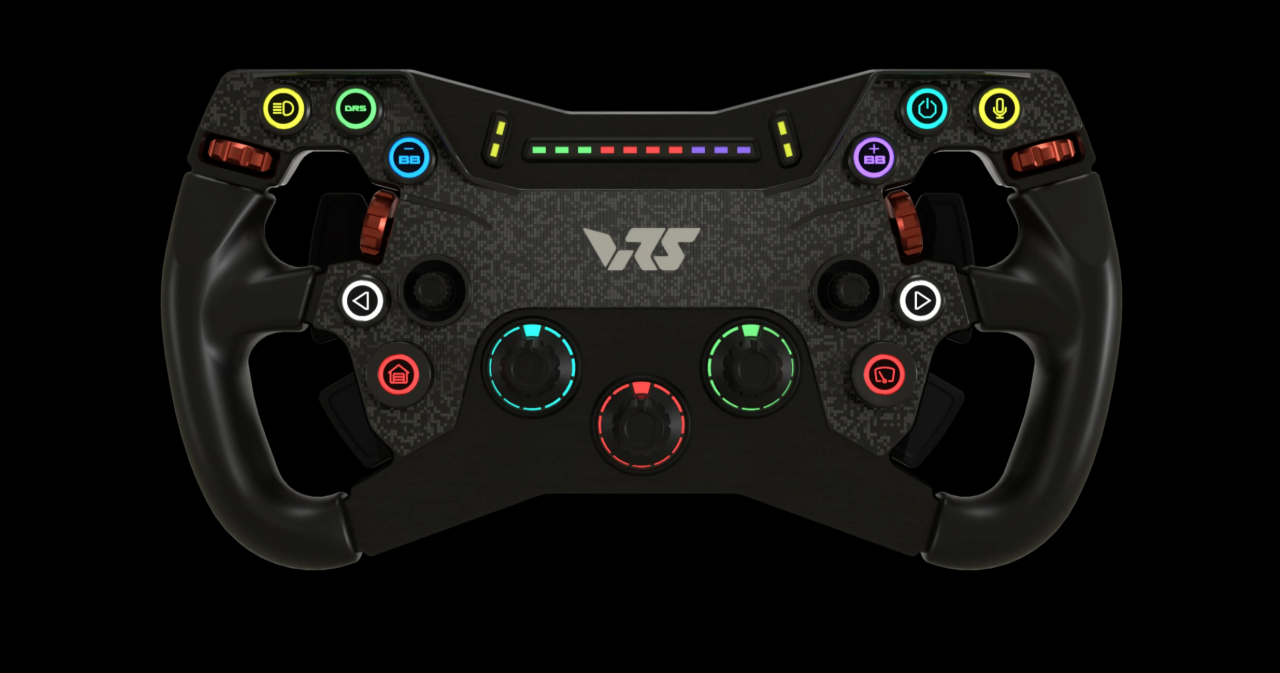
VRS R295 Steering Wheel
Best Value @ $349
MOZA FSR2 Formula Wheel
Best Value @ $649
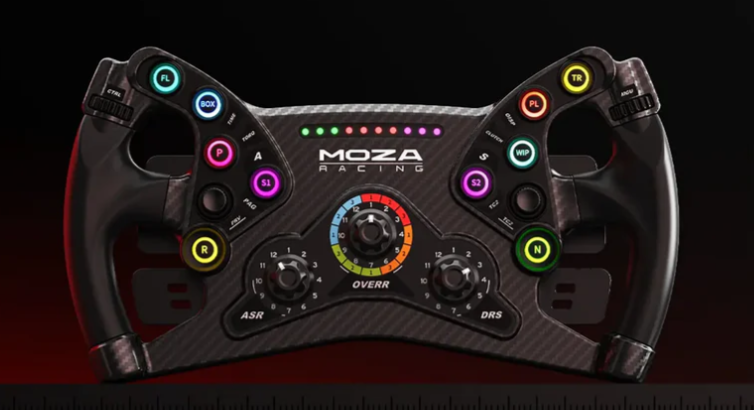
MOZA KS Steeering Wheel
Best Value @ $249
A crowded trade show floor gives attendees seconds to decide what deserves their attention. The choice between corporate simulators vs vr experiences can determine whether they walk past your booth or spend ten memorable minutes competing, sharing content, and talking about your brand.
Both formats can create excitement. But they are not interchangeable. A general VR activation can transport guests into a new environment, while a professional racing simulator puts them in a physically convincing driver’s seat with a clear challenge, visible performance, and a natural reason for coworkers or prospects to gather around. For corporate events where brand visibility, repeat participation, and premium execution matter, that distinction changes the result.
Corporate Simulators vs VR Experiences: The Core Difference
A VR experience is a broad category. It may involve a standalone headset, a multiplayer virtual game, a custom branded world, or a motion platform paired with immersive visuals. Its strength is flexibility. A brand can place guests on a mountain, in a product demonstration, or inside a fictional story that would be impossible to build in the physical world.
Corporate simulators, particularly full-motion racing simulators, are more focused. The guest enters a racing seat, grips a pro-driver-grade steering wheel, works real pedals, and reacts to a vehicle that moves beneath them. Rather than asking attendees to understand an open-ended virtual environment, the experience gives them an immediate objective: learn the track, put down a fast lap, and climb the leaderboard.
That clarity matters at conferences, client events, and corporate parties. Guests do not need gaming experience to understand a race. They can watch a colleague drive, cheer during an overtake, compare lap times, and decide to take their own turn. The activation becomes part entertainment, part competition, and part conversation starter.
Why Racing Simulators Often Work Better in Public Event Spaces
Headset-based VR can be highly personal. One guest sees the virtual world while everyone else watches from outside it. A monitor can help spectators follow along, but the person in the headset is still visually separated from the room. This can be ideal for a quiet, one-on-one product story or a controlled demo area.
A racing simulator is designed to perform in public. The cockpit, wheel movement, full-motion platform, large displays, and driver reactions all create visible energy. People understand what is happening before they even step into line. Every session has a beginning, a goal, and a finish, making it easy to cycle through attendees without losing momentum.
The physical format also feels premium in a way that matters for high-value audiences. A polished cockpit with professional-grade hardware signals care and quality. At a leadership retreat, automotive event, hospitality activation, or customer appreciation party, the experience looks substantial before the first engine note plays.
There is also a practical advantage: racing simulators preserve the human interaction that makes events valuable. Guests can make eye contact with a trained coach, speak with colleagues, and engage with brand ambassadors while waiting or driving. The technology supports the room rather than pulling participants away from it.
Competition Turns Entertainment Into Participation
The strongest corporate activations are not passive. They give people a reason to return, bring a coworker over, or post a score in the team chat. Racing naturally creates that loop.
A timed-lap challenge is easy to organize around a conference schedule. Guests can compete individually, by department, by client group, or as part of a scheduled finals session. A live leaderboard gives the experience a visible center of gravity. Someone who drove early may come back later to defend a position. Someone who watched from the sidelines may join after realizing a teammate is only a few tenths ahead.
VR can support competition as well, especially in multiplayer formats. The trade-off is that it often requires more orientation, more equipment turnover, and more careful space management. Motion sickness, headset fit, hygiene procedures, and a guest’s comfort level with enclosed visual immersion can affect participation.
Racing simulators are not free from logistics, but the learning curve is usually friendlier. Guests recognize a steering wheel and pedals immediately. Professional racing coaches can make the first lap feel accessible by adjusting settings, explaining braking points, and encouraging drivers through the experience. That guidance is a major difference between simply renting equipment and delivering an activation people remember positively.
Brand Integration Is More Visible on a Simulator
For marketing teams, an event attraction must do more than generate a line. It should create brand exposure that feels intentional rather than pasted on at the last minute.
VR branding can be immersive when the experience is custom built. A company can place its products, logo, or message inside a virtual environment. However, bespoke development can add time, cost, and approval complexity. A generic VR game with a logo on the sign-up screen may not give a sponsor much meaningful visibility.
A branded racing experience offers several high-impact placements at once. Your identity can appear on the simulator itself, on the in-sim race cars, and across trackside billboards. Guests, spectators, and event photographers all see the brand during the action. The visual story is strong even for people who never drive.
This matters especially when the event content will be used after the doors close. A photo of a guest in a branded cockpit has immediate context. A short video of a competitive lap, a reaction to the full-motion platform, or a leaderboard celebration gives social teams usable material without having to explain what viewers are seeing.
When VR Is the Better Corporate Choice
A racing simulator is not the answer to every event brief. VR is often the better fit when the central goal is to show an environment, process, or product that cannot be physically demonstrated. A real estate developer may want guests to tour an unbuilt property. A manufacturer may need to show the inner workings of complex machinery. A training-focused program may need attendees to practice a specific scenario safely.
VR can also make sense when a campaign depends on fantasy, storytelling, or total visual transformation. If the message is about being somewhere impossible, virtual reality has an obvious advantage.
The key question is not which technology is more advanced. It is what behavior the activation needs to create. If success means focused one-on-one immersion and message control, VR may be the right investment. If success means drawing a crowd, fostering friendly rivalry, hosting repeatable sessions, and giving your brand visible presence throughout the room, a full-motion racing simulator is often the stronger choice.
What Premium Execution Looks Like
The difference between a memorable simulator activation and a novelty attraction comes down to equipment, staffing, and event design. Consumer-grade controls or a poorly configured seat can turn a promising idea into a short-lived distraction. Pro-driver-grade wheel bases, pedals, racing seats, and full-motion systems create the feedback that makes guests lean into the drive.
Staffing is equally important. A trained racing coach keeps lines moving, helps nervous first-time drivers, explains the challenge, and gives experienced guests the confidence to push harder. Coaches also protect the quality of the experience by handling adjustments and keeping each run consistent. At a corporate event, that operational control is part of the product.
The event format should match the room. A compact trade show booth may benefit from quick qualifying sessions and a continuously visible leaderboard. A private corporate party can support longer heats, team brackets, and a final race. A client appreciation event may prioritize coached drives and polished brand presentation over all-out competition. The hardware can be similar, but the experience should never feel copied and pasted.
Choosing for Your Next Event
Start with the audience you want to attract and the action you want them to take. If you need an immersive demonstration of a concept that cannot be brought into the venue, VR can create a compelling world. If you need a premium anchor attraction that brings guests together, creates instant competition, and puts your brand in the center of the action, full-motion sim racing has a distinct advantage.
Sim Racing Warehouse brings professional racing coaches, pro-driver-grade equipment, and custom brand integration to corporate activations across major event markets. The goal is not just to give guests a turn behind the wheel. It is to give your event a competitive, highly visible moment people will still be talking about after the final lap.
Choose the experience that gives your guests a reason to gather, compete, and remember who put them in the driver’s seat.
SHARE THIS STORY ANYWHERE YOU LIKE
SHARE THIS STORY ANYWHERE
fusion_global=”97″]
