

Full Motion Simulator Booth Engagement That Works
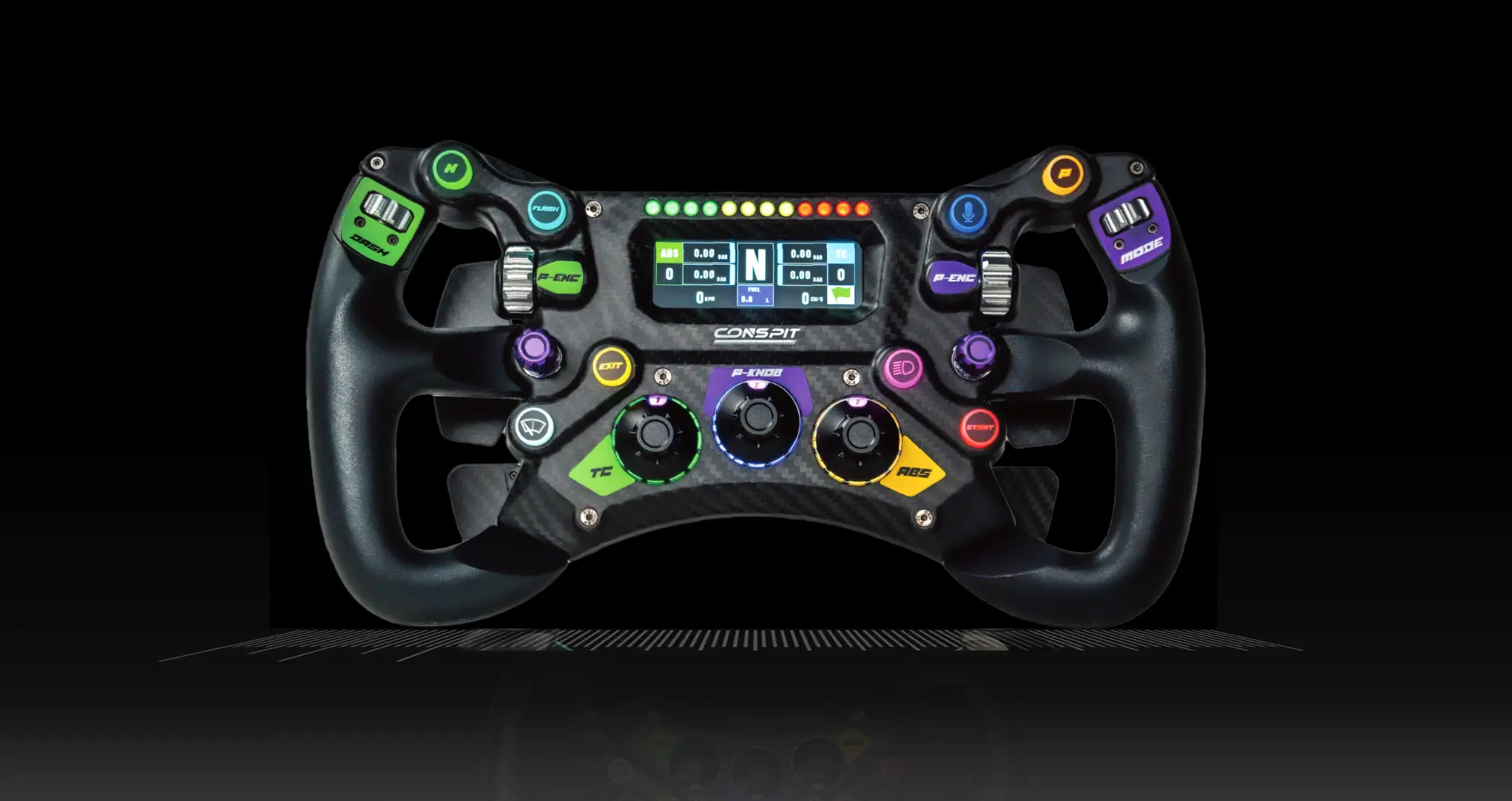
CONSPIT 300GT STEERING WHEEL
Best Value @ $399
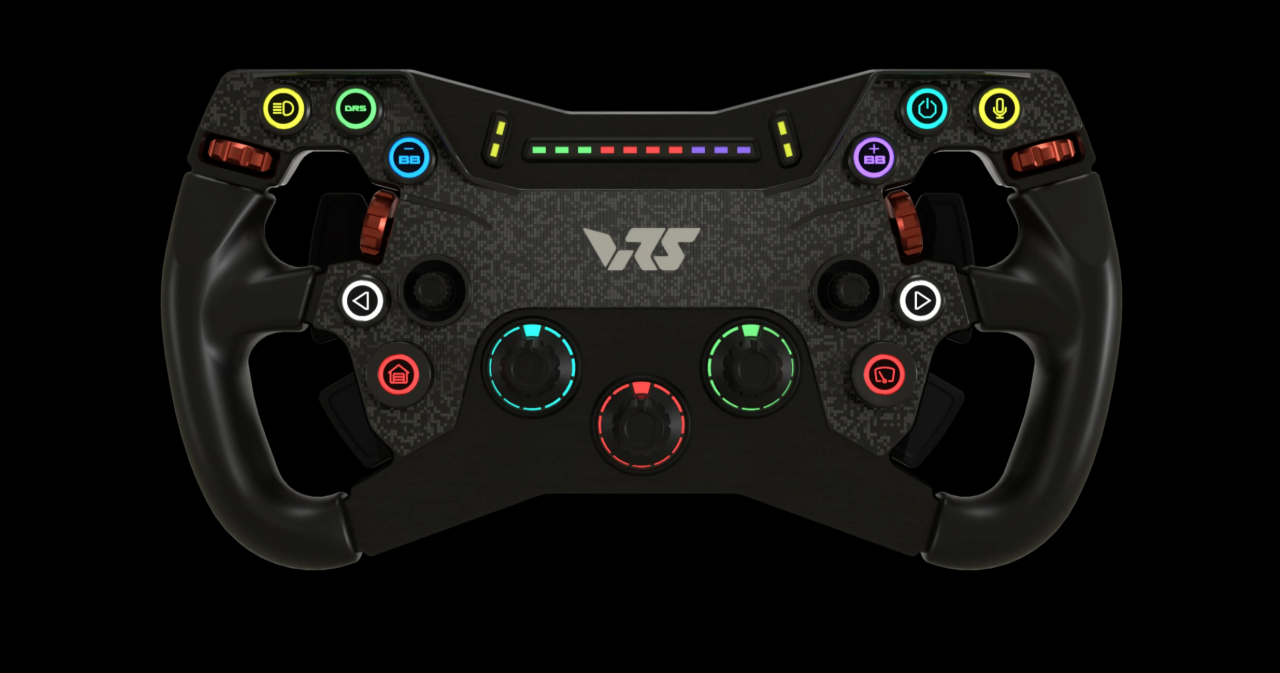
VRS R295 Steering Wheel
Best Value @ $349
MOZA FSR2 Formula Wheel
Best Value @ $649
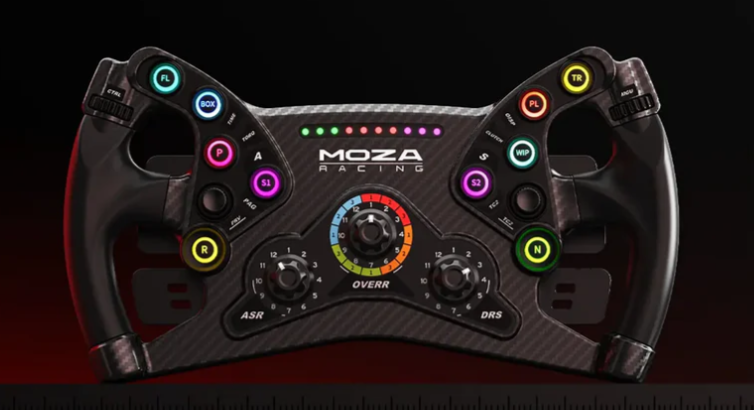
MOZA KS Steeering Wheel
Best Value @ $249
A crowded trade show aisle gives attendees seconds to decide where to stop. Full motion simulator booth engagement changes that decision instantly: the movement of the rig, the sound of a race start, and a live driver fighting for a lap time create a visible reason to step closer. The real value, however, is not just drawing a crowd. It is turning that crowd into brand conversations your team can use.
For corporate events, conferences, product launches, and client hospitality, a premium racing simulator gives people something most booths do not: a memorable role in the experience. They are not watching a presentation or collecting another giveaway. They are climbing into a pro-driver-grade cockpit, taking the wheel, and competing.
Engagement Starts Before the First Guest Drives
The best simulator activations are designed for the audience, venue, and event objective before the equipment reaches the show floor. A booth intended to create broad awareness needs a different format than one built to reward top clients, generate qualified leads, or bring remote employees together at a company meeting.
Start by defining the action you want guests to take after their drive. That may be scanning a QR code, booking a product demonstration, meeting with a sales representative, posting a branded race result, or simply spending more time with your team. Without that next step, even an excellent race experience can become entertainment that is disconnected from the event strategy.
The simulator format should support the goal. Short qualifying sessions work well when traffic is high and the objective is maximum participation. A timed leaderboard adds repeat visits and friendly competition. Longer head-to-head races create a premium hospitality moment for smaller groups, executives, and key accounts. It depends on the floor plan, guest volume, and whether the activation is expected to move people quickly or keep them engaged in deeper conversations.
Why Full Motion Simulator Booth Engagement Holds Attention
A static display can attract interest, but motion creates a stronger visual signal across a busy room. When the cockpit responds to braking, cornering, acceleration, and track surface changes, spectators understand that this is not a basic video game station. They can see that the driver is physically involved.
That distinction matters for premium brands. Full-motion racing simulators signal performance, precision, and investment in the guest experience. The equipment needs to look and feel credible up close as well. Pro-driver-grade steering systems, pedals, racing seats, visual displays, and motion platforms give guests a physical connection to the lap rather than a simplified arcade experience.
The effect extends beyond the person in the seat. Colleagues gather to watch a difficult corner, compare lap times, and cheer on a teammate. That shared moment creates natural conversation between people who may have arrived at the booth as strangers. For a team-building event, it gives departments a common challenge without forcing anyone into an awkward icebreaker.
A simulator alone does not guarantee attention for the full event. Guests need to understand the challenge quickly. A visible lap timer, a simple track choice, and a clear invitation from the event staff prevent the experience from becoming intimidating or unclear. The strongest booths feel active, but never chaotic.
Brand the Entire Race Experience
Branding on the outside of a simulator is useful, but it is only one part of the exposure. A well-designed activation puts the brand directly in the guest’s line of sight throughout the race. That can include branded simulator panels, livery on the in-sim race car, and trackside billboards visible during every lap.
This approach makes the brand part of the story rather than an afterthought beside the equipment. A guest remembers chasing a personal best in a car carrying the event sponsor’s colors. A spectator sees the logo repeatedly as the car passes signage on the circuit. The photos, video clips, and leaderboard content have a consistent visual identity without looking like a generic step-and-repeat backdrop.
Customization also lets the activation match the event. An automotive client may want an endurance-race atmosphere. A technology company may prefer a futuristic single-lap challenge. A sales kickoff might center on regional teams competing for a championship. The racing format, on-screen visuals, and physical booth presence should all reinforce the same message.
Coaches Turn Curiosity Into Confidence
Many guests will have never used a racing simulator. Some will race competitively at home, while others may be hesitant to sit down because they do not want to look inexperienced in front of coworkers or clients. Professional trained racing coaches make that gap manageable.
A coach can get a first-time guest comfortable within moments, explain the pedals and steering controls, and offer one useful piece of driving advice before the session begins. They can also work with experienced drivers who want to improve a braking zone or find time through a corner. That personal guidance raises the perceived quality of the activation and keeps the line moving with confidence.
From an event planner’s perspective, trained staff also protect the guest experience. They manage session flow, reset the rig between drivers, keep the competition fair, and know when to adjust difficulty or assistance settings. Your internal team can focus on meeting attendees instead of troubleshooting hardware or explaining controls.
At a conference booth, coaches serve another strategic purpose: they create a natural handoff to your sales team. Once a guest finishes a lap, the coach can celebrate the result, point them to the leaderboard, and introduce them to the right representative. That transition is far more comfortable than interrupting someone before they have had a reason to engage.
Design the Booth Around Throughput and Spectators
Capacity is one of the most practical decisions in simulator event planning. One full-motion rig can create an exclusive, high-touch experience, but a large convention crowd may require multiple simulators to keep wait times reasonable. The right answer is not always more equipment. It is the configuration that matches expected traffic and available floor space.
A strong layout provides room for the driver, coach, waiting guests, and spectators without blocking adjacent exhibitors. Screens should be visible from the aisle, because the race needs to advertise itself. A leaderboard should be easy to read at a distance. If attendees can watch the action before joining the line, anticipation builds naturally.
Consider the guest journey from approach to follow-up. They see a driver racing, learn the challenge, register if needed, receive a brief coaching introduction, drive, view their result, and then move into the next brand interaction. Every stage should be clear. Confusing sign-up procedures and long unexplained waits are where engagement loses momentum.
For large crowds, short sessions are often better than full race weekends or complex championships. For private client events, longer races can be worth the extra time because they create space for hospitality and conversation. The experience should feel premium at either pace, not rushed for public events or overly slow for a packed exhibit hall.
Make Competition Useful After the Lap
The leaderboard is not merely a game feature. It gives guests a reason to return, challenge a coworker, and bring another person to the booth. It also gives your team a simple conversation starter: “You are only three-tenths behind first place.” That is an easier opening than a cold product pitch.
Prize structure should be proportionate to the audience. A daily fastest-lap award can keep a trade show activation active across several days. A final race among top qualifiers works well for a conference closing reception. For internal events, teams can compete by office, department, or region, creating a visible shared goal.
The trade-off is fairness. If a leaderboard is central to the program, the track, car settings, and coaching support must be consistent. Experienced drivers may naturally post quicker times, but newcomers should still feel they have a legitimate chance to participate and improve. Separate rookie and open categories can help when the audience has a wide range of skill levels.
Measure More Than Foot Traffic
A busy booth looks successful, but event results should show more than a crowd around the simulators. Track total drives, repeat drives, average wait time, qualified conversations, scans or registrations, and meetings booked after the experience. If the brand is using social content, measure the number of guest photos or clips created and shared during the activation.
Quality matters alongside volume. A smaller client event with 80 deeply engaged guests may produce better sales opportunities than thousands of brief trade show interactions. Ask the sales team what made conversations easier, which guests returned, and whether the simulator gave them a natural way to explain the brand’s product, culture, or performance promise.
Sim Racing Warehouse brings this planning mindset to full-motion simulator rentals, pairing premium equipment with trained racing coaches and custom branding that puts your company on the rig, the race car, and the circuit itself. The objective is a polished activation that feels exciting to guests and practical for the team running the event.
The best booth is the one attendees describe before they are asked about it. Give them a lap worth talking about, a score worth defending, and a branded race moment they will remember long after the convention floor closes.
SHARE THIS STORY ANYWHERE YOU LIKE
SHARE THIS STORY ANYWHERE
fusion_global=”97″]
