

Simulator Rental Versus Photo Booth: Best Event Fit
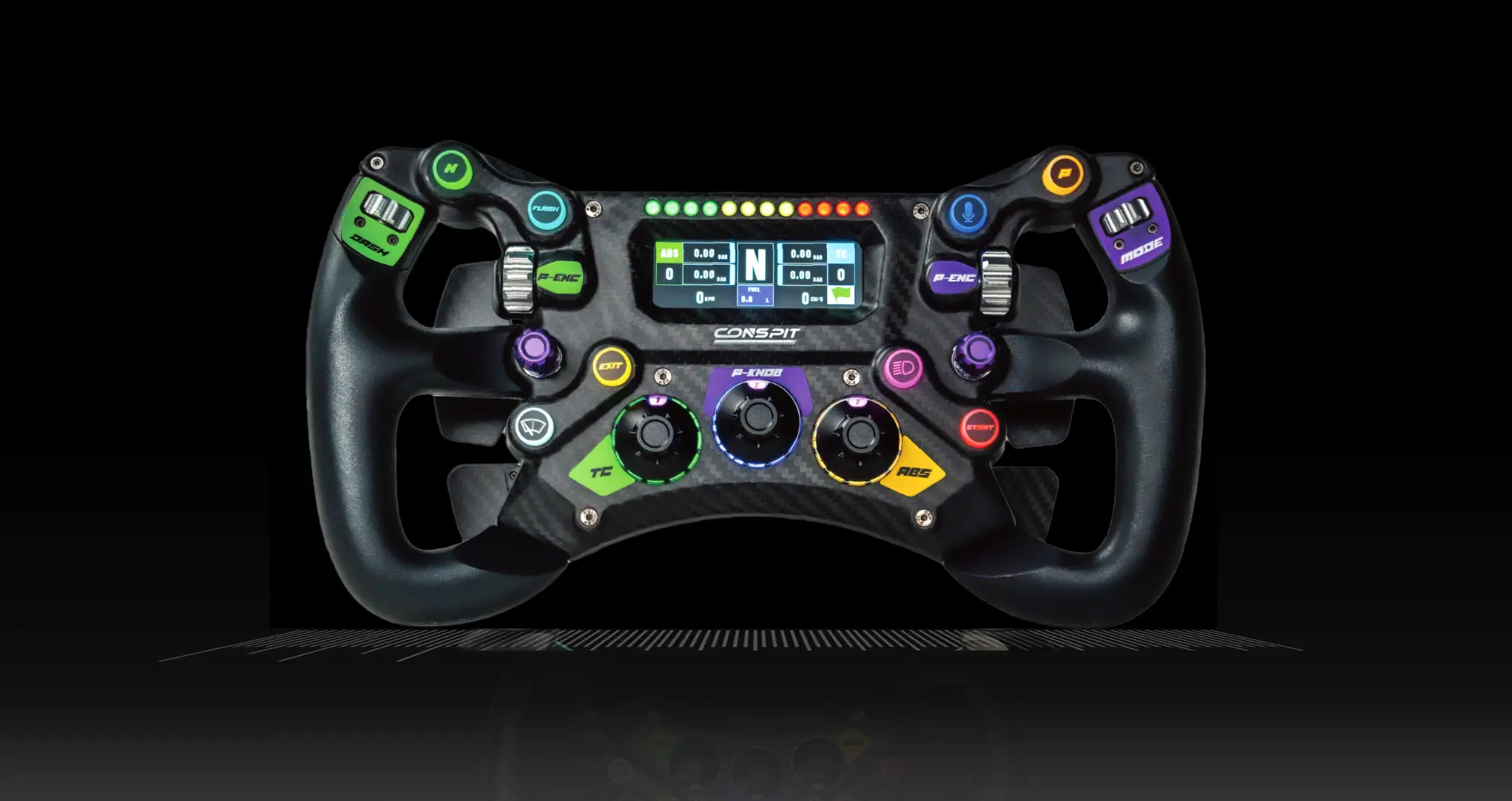
CONSPIT 300GT STEERING WHEEL
Best Value @ $399
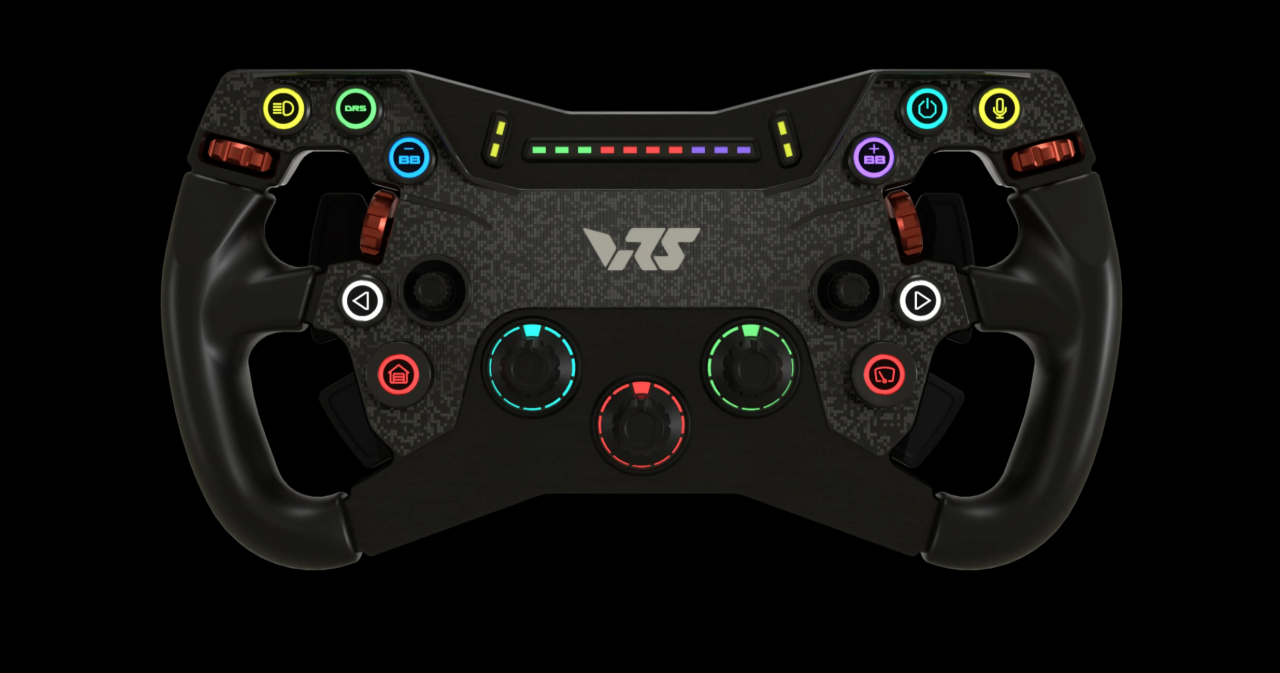
VRS R295 Steering Wheel
Best Value @ $349
MOZA FSR2 Formula Wheel
Best Value @ $649
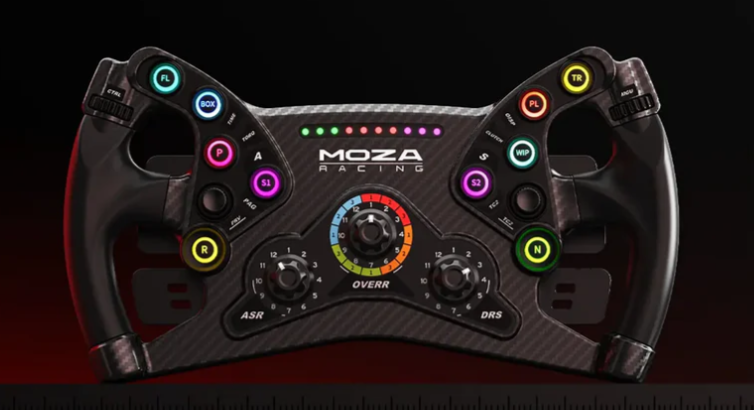
MOZA KS Steeering Wheel
Best Value @ $249
A crowded trade show floor has a simple problem: people have seen the backdrop, the props, and the standard photo booth before. The simulator rental versus photo booth decision comes down to whether your event needs a quick keepsake or an experience guests will actively talk about, compete in, and remember after they leave.
A photo booth still has a place at many events. It is familiar, low-pressure, and easy for guests to understand in seconds. But for corporate parties, conferences, product launches, and client activations where attention is expensive, a full-motion racing simulator creates a different kind of draw. It gives attendees a reason to stop, participate, and return with coworkers to try for a better lap time.
Simulator Rental Versus Photo Booth: The Core Difference
A photo booth captures a moment. A racing simulator creates one.
That distinction matters when the goal is more than filling a quiet corner of the room. With a photo booth, guests step in, pose, receive an image, and move on. The format works well for weddings, gala entrances, and events where the main objective is collecting branded photos with minimal participation effort.
A premium racing simulator turns the entertainment area into a live attraction. Guests can feel the movement of the cockpit, grip a pro-driver-grade steering wheel, brake into a corner, and watch their position on a leaderboard. Coworkers gather around to cheer, challenge each other, and compare times. Even attendees waiting for a turn become part of the activity.
For event planners, that spectator energy is often the difference. A strong activation should not only serve the person using it. It should create visible momentum around the experience and make the event feel active from across the room.
When a Photo Booth Is the Better Choice
A photo booth is not a lesser option. It is simply designed for a different job.
Choose a photo booth when your audience includes a large number of guests who may prefer a low-commitment activity, when the schedule allows only brief interactions, or when a printed or digital portrait is the main deliverable. It can also fit smaller venues with limited power, floor space, or staffing flexibility.
Photo booths are especially effective when the theme is visual and social. A costume party, awards dinner, holiday celebration, or formal fundraiser may benefit more from polished group pictures than competitive entertainment. Guests can participate regardless of age, familiarity with games, or comfort level with a high-energy activity.
The limitation is that its engagement is usually individual or group-based, but not communal. People may enjoy their photos, yet the experience rarely creates a growing crowd, a competitive conversation, or a reason to revisit the activation later in the event.
When a Racing Simulator Delivers More Value
A simulator rental earns its place when the event needs to feel premium, energetic, and distinctly different from a standard hospitality setup. It is built for corporate groups that want entertainment with real participation rather than passive background fun.
Full-motion racing simulators are particularly effective at conferences and trade shows, where every exhibitor is competing for attention. The visual impact of a racing cockpit attracts people before they understand the details. Once they see a colleague racing, moving with the track, and trying to beat a posted lap time, the activation becomes easier to join.
The experience also works exceptionally well for team-building events. A lap-time challenge gives employees a shared goal without requiring prior racing knowledge. One guest may focus on smooth driving, another may chase the fastest time, and others may simply enjoy the sensation of driving a high-performance race car. Professional racing coaches keep the experience welcoming by guiding each guest through the controls and helping them improve quickly.
That coaching matters. Premium equipment alone is impressive, but a trained coach turns a simulator into an approachable experience for first-time drivers. Guests do not need to be motorsport fans to have fun. They need a clear introduction, encouragement, and someone who can make the first lap feel exciting rather than intimidating.
Engagement lasts longer than a single interaction
A photo booth interaction often lasts a few minutes. A simulator session can create engagement before, during, and after the drive. Guests watch the action, discuss racing lines, revisit the leaderboard, and encourage teammates to take their turn.
This extended attention is useful for marketers. If attendees remain near the activation, they have more time to see branded visuals, speak with staff, and absorb the message behind the experience. For a trade show booth, that can create better conversations than a giveaway that disappears into a tote bag.
There is a trade-off: a simulator needs more space and more intentional event planning than a simple photo setup. It is a feature attraction, not an accessory. That is precisely why it works when the goal is to create a focal point.
Branding: A Major Gap Between the Two Options
Both formats can carry a logo, but the depth of brand integration is dramatically different.
A photo booth can include a branded overlay, backdrop, template, or prop. Those elements appear in guest photos and can extend through social sharing. For campaigns centered on a visual identity, that is useful and direct.
A racing simulator creates multiple layers of brand visibility. Your branding can appear directly on the physical simulators, inside the in-sim race cars, and on trackside billboards. Rather than sitting behind guests for one posed shot, the brand becomes part of the action they are experiencing.
That distinction is valuable for automotive, technology, financial services, sports, gaming, recruiting, and business-to-business brands that want to be associated with performance, precision, competition, or innovation. The branded car and track environment create a memorable setting without forcing a sales message into every interaction.
For client events, this approach also feels more elevated. Guests are not merely photographed next to a logo. They are given a premium experience that reflects well on the host company.
Consider Guest Flow Before You Commit
The right choice depends on attendance, event duration, and the way guests move through the venue.
A photo booth can process people quickly, particularly when guests arrive in groups. If your event has a short reception window and hundreds of attendees need an activity at once, it may offer easier volume. A racing simulator provides more depth per participant, which makes it better suited to longer events, open-house formats, trade shows, and receptions where guests circulate over several hours.
For larger simulator activations, multiple units and a visible leaderboard can keep participation moving while building excitement. Guests can watch one driver, compare their results, and decide when they want to race. A skilled event team can organize qualifying-style challenges, head-to-head matchups, or timed competitions that give the experience structure without making it feel rigid.
Venue planning also deserves attention. A full-motion simulator requires an appropriate footprint, access for load-in, reliable power, and space for spectators. An experienced rental partner will address these details before event day so the activation looks intentional rather than squeezed into an unused corner.
The Best Question Is Not “Which Is More Fun?”
Both can be fun. The more useful question is: what should guests remember about this event?
If the answer is a polished group photo, a themed keepsake, or a quick social post, a photo booth may be the right fit. If the answer is “our booth was the one everyone talked about,” “our team actually bonded,” or “clients experienced something they had never seen before,” a full-motion racing simulator is the stronger investment.
There is also room for both at a major event. A photo booth can cover quick visual content while simulators create the headline attraction. But if the budget requires one centerpiece, prioritize the option that supports your event objective instead of selecting the most familiar rental.
For corporate events in Nashville, Dallas, Orlando, Atlanta, Chicago, Indianapolis, and beyond, Sim Racing Warehouse brings pro-driver-grade equipment, trained racing coaches, and branding built around your campaign. Book your event today with an activation that gives guests more than a photo to take home – give them a finish line to chase.
SHARE THIS STORY ANYWHERE YOU LIKE
SHARE THIS STORY ANYWHERE
fusion_global=”97″]
