

What Sim Racing Wheel to Buy in 2026
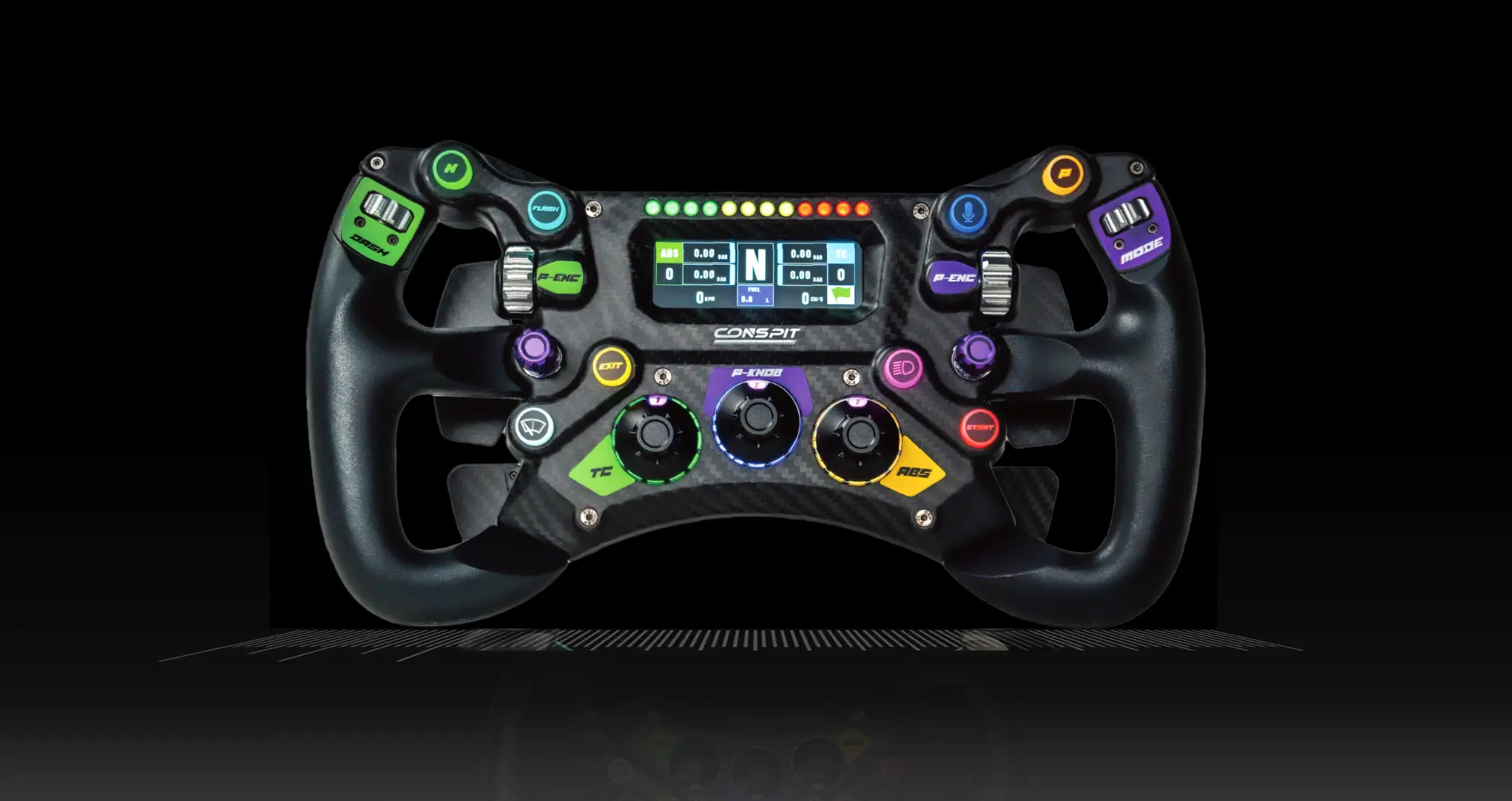
CONSPIT 300GT STEERING WHEEL
Best Value @ $399
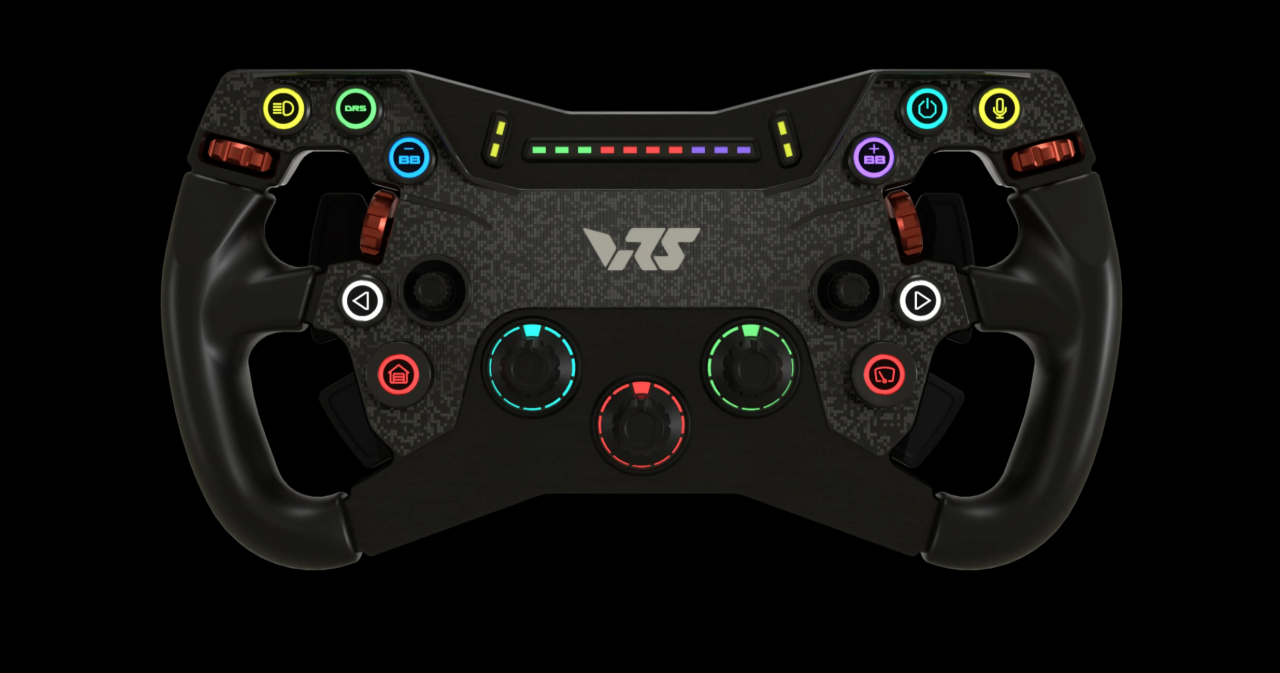
VRS R295 Steering Wheel
Best Value @ $349
MOZA FSR2 Formula Wheel
Best Value @ $649
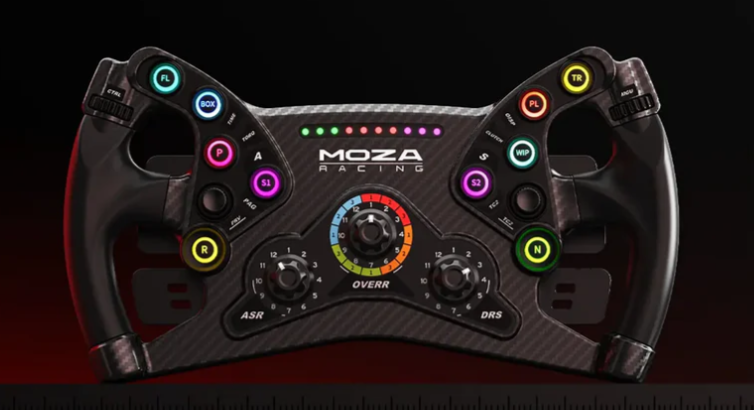
MOZA KS Steeering Wheel
Best Value @ $249
The wrong wheel is easy to spot at an event. It feels vague in fast corners, goes light when you want detail, and turns a premium simulator into something that feels more like an arcade cabinet. If you are asking what sim racing wheel to buy, the real question is which wheel will give your drivers the right mix of control, realism, reliability, and value for the kind of experience you want to deliver.
That matters whether you are building a personal setup, spec’ing simulators for a hospitality lounge, or planning a branded activation where every guest expects pro-level hardware. A wheel is not just a steering input. It shapes how believable the simulator feels in the first ten seconds, and those first ten seconds are usually when people decide whether they are impressed.
What sim racing wheel to buy depends on the experience you want
A lot of buyers start with price, then brand, then looks. In practice, the order should be reversed from a performance standpoint. Start with the type of driving experience you need, then think about wheel base strength, then rim shape, then ecosystem and budget.
If your goal is broad appeal for events or mixed-use setups, you usually want something intuitive and confidence-inspiring. Guests who have never touched a simulator do better with a wheel that communicates grip clearly without feeling overly aggressive. If your goal is competitive driving or coaching, higher fidelity starts to matter more because drivers will actually use the added detail.
That is why there is no single best answer to what sim racing wheel to buy. A setup that feels perfect for a trained driver running long stints may be too intense, too expensive, or too specialized for a corporate event where dozens of guests rotate through in an hour.
Start with the wheel base, not the rim
Most buying mistakes happen because people shop the wheel rim first. The rim is visible, and it is the part everyone touches, but the wheel base does the heavy lifting. Force feedback quality, response speed, smoothness, and consistency all live there.
For most serious buyers today, direct drive is the standard worth targeting. It gives stronger, cleaner, and more detailed force feedback than older gear-driven or belt-driven systems. That difference is not just for experts. Even casual drivers notice when a direct drive base feels more precise mid-corner or catches slides more naturally.
The next question is torque. Lower-torque direct drive bases can still be excellent, especially for mixed-use rigs, first-time sim racers, and event environments where comfort and accessibility matter. Mid-range torque is often the sweet spot because it delivers convincing detail without overwhelming newer drivers. High-torque systems are impressive, but they make the most sense when the chassis, seat, mount, and user skill level all justify the extra performance.
This is where experienced guidance matters. A powerful wheel base mounted to a flexible cockpit is wasted money. The wheel may be excellent, but the system will feel compromised. The better approach is to think in terms of a matched package rather than a single hero product.
Rim style changes more than most buyers expect
Once the base is sorted, the rim choice becomes much easier. Still, it deserves more attention than many people give it.
A round wheel is the most versatile option. It works well for GT cars, road cars, oval, drifting, rally-style driving, and general-purpose simulator use. If your setup needs to handle a wide range of users and driving styles, a round rim is often the safest investment.
A formula or butterfly-style wheel feels more specialized. It is excellent for open-wheel racing and modern GT driving because hand placement is more fixed and inputs can feel sharper. It also looks more dramatic, which can be useful for premium displays and event environments where visual impact matters. The trade-off is that some casual users find it less intuitive, especially if they are expecting a traditional steering wheel.
Diameter matters too. Smaller rims feel quicker and more responsive, while larger rims can feel heavier and more natural for certain disciplines. Grip material, button placement, paddle feel, and build quality also affect the experience. If multiple drivers will use the simulator in quick rotation, easy-to-reach controls and a durable finish become more important than boutique details.
What sim racing wheel to buy on different budgets
Budget matters, but not in the simplistic way online buying guides often frame it. The goal is not to spend the least. It is to avoid spending in the wrong place.
At the entry premium level, a lower-torque direct drive wheel can be the right call for buyers who want a major step up in realism without committing to a full top-tier racing rig. This tier works well for home users and for event setups that need reliable performance with wide user accessibility.
In the mid-tier, you start getting the kind of force feedback quality that makes a simulator feel genuinely serious. This is often the best value zone for enthusiasts, brand activations, and team-building experiences because the hardware feels clearly premium without forcing every other component into ultra-high-end territory.
At the top end, the gains are real, but they are more conditional. You get more headroom, more detail, and often better materials and ecosystem options. But the returns depend on the rest of the build. Without a rigid cockpit, strong pedals, quality displays, and proper setup, the wheel alone will not create a flagship experience.
That is why experienced buyers think in complete systems. If the budget is fixed, it is usually smarter to buy a very good wheel and preserve room for a proper mount, pedals, and seating than to max out the wheel and compromise everything else.
Ecosystem matters more than the spec sheet
The numbers on a product page can be useful, but they never tell the whole story. Quick-release design, firmware maturity, wheel compatibility, button module options, and long-term upgrade paths all matter.
A healthy ecosystem gives you room to expand. Maybe today you need one all-purpose wheel. Six months from now, you may want a dedicated formula rim, a second driver station, or a cleaner branded presentation for client-facing events. Buying into a platform with strong accessory support makes those upgrades much easier.
Support matters too. When simulators are being used for revenue-generating events or public-facing activations, downtime is expensive. Reliability, serviceability, and access to knowledgeable guidance can be more valuable than squeezing out one extra line item on a spec sheet.
Brands like VRS have built strong reputations among serious users because the hardware is designed for real performance, not just flashy marketing. In the same way, a well-selected complete bundle often outperforms a random collection of individually appealing parts.
The best wheel for events is not always the best wheel for experts
This is the part many articles miss. If you are choosing hardware for corporate entertainment, conferences, or branded experiences, your ideal wheel is not necessarily the most extreme one.
Event environments need consistency. They need hardware that feels premium immediately, survives repeated use, and works well for both first-time drivers and competitive guests. Strong force feedback is great, but it has to be tuned properly. Too little, and the experience feels flat. Too much, and guests fatigue quickly or struggle to control the car.
In premium mobile simulator experiences, the goal is not just realism in isolation. It is realism that translates into fun, confidence, and repeat engagement. The best wheel in that context is one that helps a guest feel fast, capable, and excited within a lap or two.
That is one reason professionally configured simulators stand out at live events. The hardware is chosen as part of a complete experience, with trained staff, proper calibration, and coaching that helps each driver get more from the session.
A smart buying decision is usually a package decision
If you are still deciding what sim racing wheel to buy, zoom out for a second. Ask what kind of simulator experience you want people to remember. Do you want broad accessibility, competitive precision, visual wow factor, or a balanced premium setup that can do a bit of everything?
For most buyers, the best answer is a direct drive wheel base in the mid-range, paired with a durable rim that matches the primary driving use, installed on a rigid cockpit with components that belong together. That approach avoids the two classic mistakes: underbuying and regretting it, or overspending on one part while the rest of the simulator holds it back.
At Sim Racing Warehouse, that system-first mindset is what separates a decent simulator from one that feels event-ready and genuinely pro-grade. If your wheel choice supports the full experience rather than fighting it, drivers notice right away.
The best wheel is the one that makes the whole simulator feel intentional.
SHARE THIS STORY ANYWHERE YOU LIKE
SHARE THIS STORY ANYWHERE
fusion_global=”97″]
