

Choose Conspit Sim Racing Products for Great Value
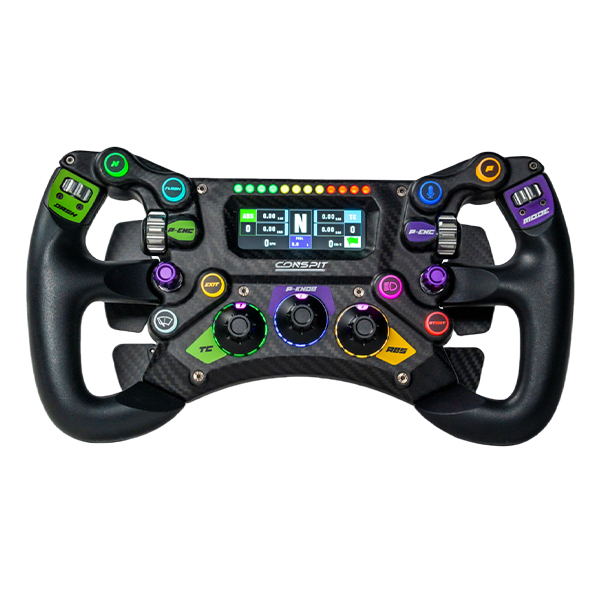
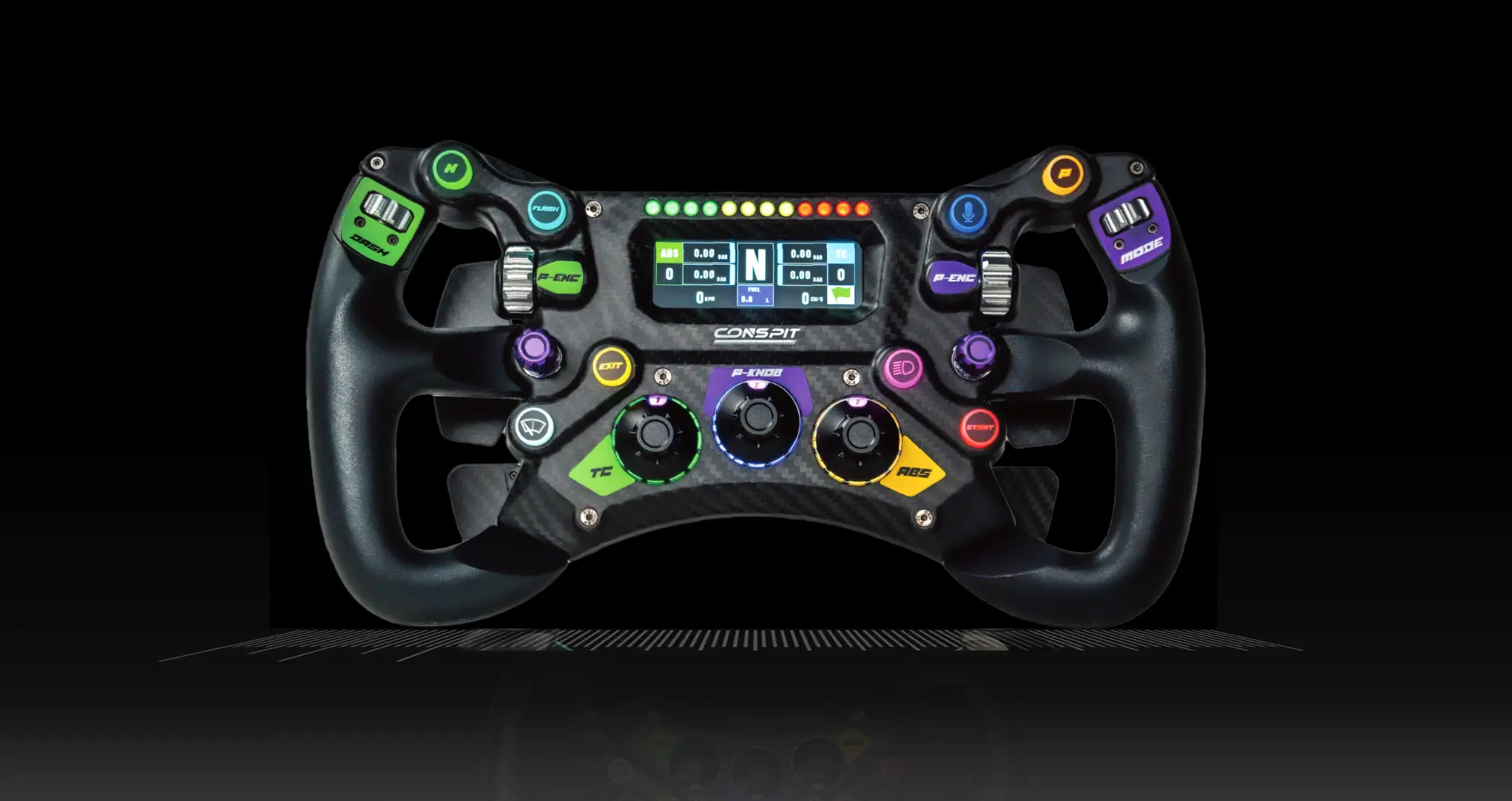
CONSPIT 300GT STEERING WHEEL
Best Value @ $399
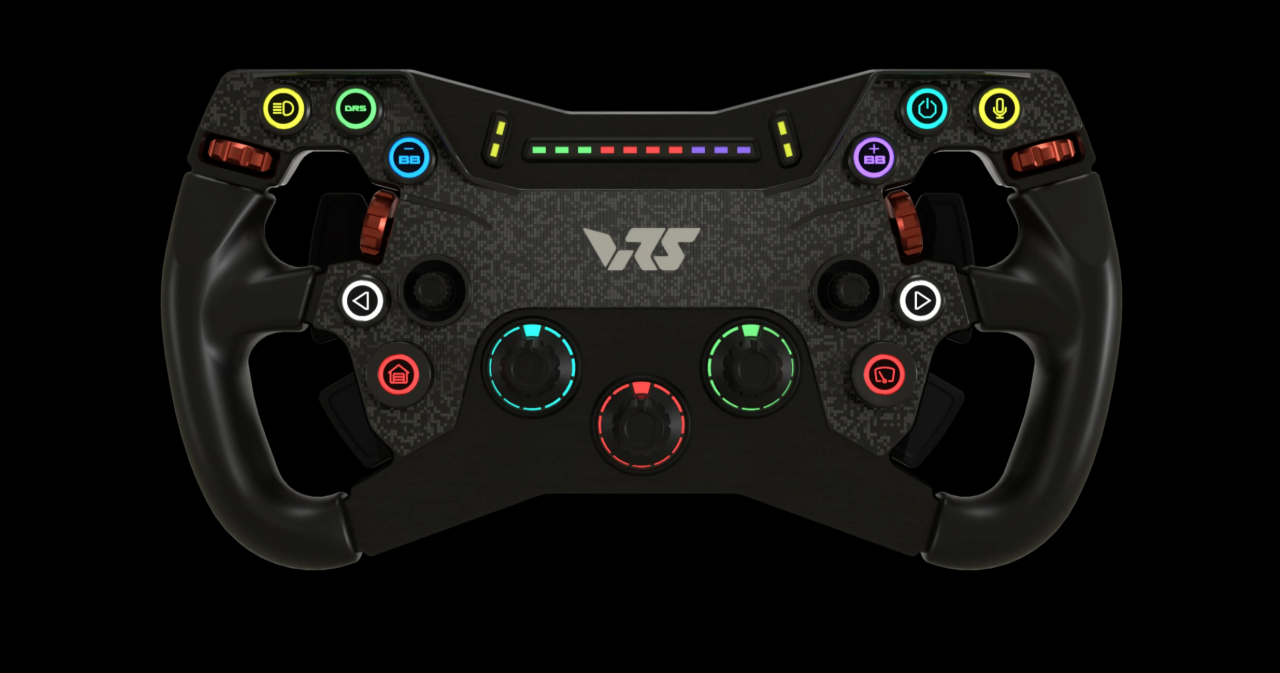
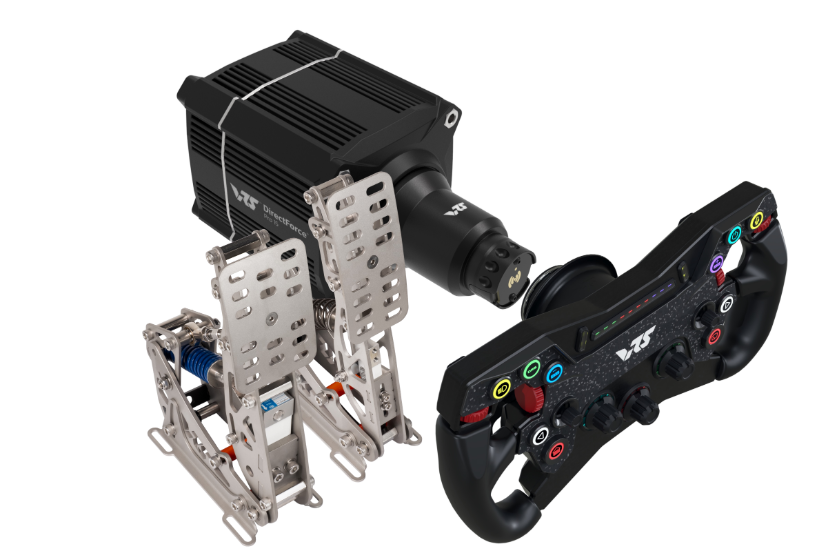
VRS R295 Steering Wheel
Best Value @ $349
MOZA FSR2 Formula Wheel
Best Value @ $649
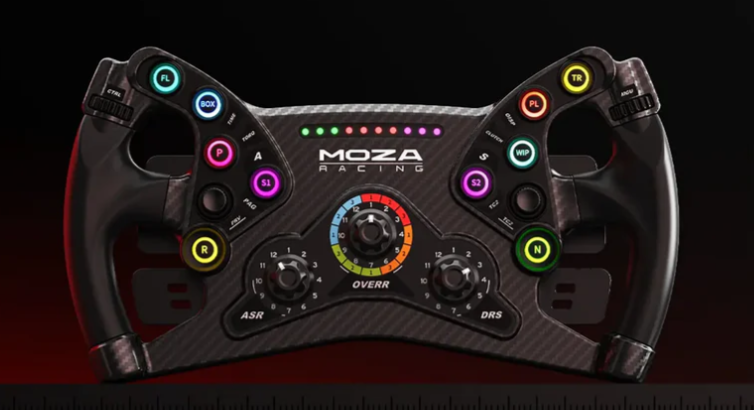
MOZA KS Steeering Wheel
Best Value @ $249
Exploring the Conspit Sim Racing Product Catalog: Affordable Excellence in Virtual Motorsports
In the rapidly evolving world of sim racing, where precision, immersion, and realism define the experience, Conspit has emerged as a compelling player. Founded in 2020 and headquartered in Shanghai, China, Conspit specializes in professional-grade racing simulation hardware. The brand’s ethos revolves around bridging the gap between virtual and real-world motorsports, drawing from collaborations with professional racing teams like Climax Racing and R&B Racing. Conspit’s products are designed for esports enthusiasts, pro driver training, and everyday sim racers seeking high performance without exorbitant costs. Their catalog encompasses wheelbases, steering wheels, pedals, accessories, and cockpits, all emphasizing innovation, durability, and value.
What sets Conspit apart is its “Pro Drivers’ Choice” philosophy, where hardware is tested by actual racers to ensure authenticity. For instance, the brand’s CEO has been spotted drifting real cars to validate sim feedback. As of 2025, Conspit has expanded globally, partnering with distributors and appearing at events like the SimRacing Expo. This article delves into their product lineup, analyzing prices, quality, reliability, and the compelling reasons sim racers should consider Conspit over established competitors like Fanatec, Simagic, Moza, and Logitech. We’ll also unpack the value proposition that makes Conspit a disruptor in the market.
The Conspit Product Catalog: A Comprehensive Overview
Conspit’s ecosystem is modular and user-friendly, allowing racers to build custom setups. Products are categorized into wheelbases for force feedback, steering wheels for control, pedals for braking and acceleration realism, accessories for enhancements, and cockpits for full immersion. Most items integrate seamlessly with popular software like SimHub for telemetry and customization.
Wheelbases: These form the core of any direct-drive (DD) setup, delivering torque and feedback. Conspit’s Ares series is the flagship.
- Ares (10-12Nm): Entry-level DD base with 10-12Nm torque, a skewed-pole motor for smooth, low-cogging feedback, and a 23-bit optical encoder for precision. Features include pro driver presets, smart torque control, and CNC aluminum housing. It’s compact, quiet, and supports wireless quick-release (QR) for Conspit wheels.
- Ares Platinum (18-20Nm): The premium variant ups torque to 18-20Nm for intense, sustained force without overheating, thanks to enhanced cooling and a higher-rated power supply. It includes advanced FFB tuning and temperature management, ideal for endurance racing.
Steering Wheels: Conspit’s wheels blend ergonomics, telemetry, and premium materials like carbon fiber and TPU grips.
- 300 GT: A 300mm GT-style round wheel with a 3-inch display, RGB LEDs (RPM, buttons, rotaries), eight buttons, three rotary encoders, and magnetic paddles. It supports SimHub for dashboards and LEDs, with a 3D carbon fiber structure for stiffness.
- MAX 01: Formula-oriented with a 4.3-5 inch touchscreen, 21 LEDs, touch-sensitive encoders, and haptic feedback integration. It’s plug-and-play with SimHub, offering telemetry like lap times and flags.
- 290GP: A next-gen formula wheel with 3D ergonomics, a 4.3-inch LCD, connected shift paddles, and bindable clutch paddles. It features Hall sensors for reliable shifting and customizable dashboards.
- PW1 Formula: Entry-level formula wheel with carbon fiber construction, basic buttons, and compatibility with H.AO hub for modularity.
- RX320 Rim: A 320mm microfiber leather rim for endurance, focusing on grip and durability.
Pedals: Conspit’s hydraulic pedals stand out with haptic motors for vibration feedback, mimicking road surfaces.
- CPP Lite (2/3-Pedal): Monoblock hydraulic system with Hall sensors (300% accuracy), adjustable faces, and rumble motors per pedal. The brake uses a dual-stage hydraulic for progressive feel; clutch and throttle are responsive.
- CPP EVO (2/3-Pedal): Premium upgrade with full metal construction, more adjustability (angles, travel), and refined hydraulics. Includes SimHub/Conspit Link support for haptic tuning.
Accessories: These enhance setups without overhauling the core.
- H.AO Hub: Carbon fiber hub for swapping rims (e.g., GT to rally) while keeping electronics. Supports 70mm/50mm patterns and USB/wireless connectivity.
- H3 Dual-Mode Hydraulic Handbrake: Patented for drifting/rally, with adjustable resistance and hydraulics.
- CSD Dashboard: 5-inch IPS screen with SimHub integration, tactile knobs for in-race adjustments.
Cockpits and Other:
- FP-Lite Formula Cockpit: Adjustable aluminum frame with headrest and monitor bracket (up to 49-inch ultrawide).
- Additional items include rig mats, seats, and extension rods (e.g., 15cm for wheels).
This catalog covers beginners to pros, with bundles like “Build Your Own” combining bases, wheels, and pedals.
Pricing: Accessibility Meets Premium Features
Conspit’s pricing strategy is a key differentiator, offering mid-to-high-end specs at entry-to-mid-range costs. Based on 2025 retail from official sites and distributors like Player1 Sim Gear and Abruzzi:
- Wheelbases: Ares (10-12Nm) around $540-599; Ares Platinum (18-20Nm) $850-899.
- Steering Wheels: 300 GT $399-450; MAX 01 $450-500; 290GP $400-450; PW1 $300-350; RX320 Rim $150-200.
- Pedals: CPP Lite 2-Pedal $500, 3-Pedal $600; CPP EVO 2-Pedal $750, 3-Pedal $850.
- Accessories: H.AO Hub $150-200; H3 Handbrake $200-250; CSD Dashboard $150.
- Cockpits: FP-Lite $400-500, with add-ons like monitor brackets $50-100.
Bundles can save 10-20%, e.g., Ares Platinum + 300 GT + CPP EVO for under $2,000. Compared to competitors, this is 20-50% cheaper: A similar Simagic setup (Alpha Mini base + GT Neo wheel + pedals) exceeds $2,500, while Fanatec’s CSL DD bundle hits $1,500 but lacks hydraulics or haptics. Prices vary by region, but Conspit’s direct sales and global distributors keep them competitive.
Quality: Premium Build and Innovative Design
Conspit’s quality shines through materials and engineering. Wheels use 12-layer prepreg carbon fiber (Le Mans-grade) and CNC aluminum, ensuring zero flex and lightweight durability. Grips are TPU for sweat-free, glove-optional use, with ergonomics tested for long sessions—e.g., the 300 GT’s 09H15 position mimics real GT cars. Pedals feature innovative monoblock hydraulics with dual-stage brakes for progressive resistance, plus haptic motors for ABS/kerb feedback, surpassing load-cell alternatives in realism.
Reviews praise the finish: Buttons have crisp clicks (though some note milky aesthetics on MAX 01), paddles are magnetic and quiet, and displays are high-res (800×268 on 300 GT). Force feedback is smooth and detailed, with low latency in sims like iRacing and Assetto Corsa Competizione. Innovations like 3D-ergonomic layouts and SimHub compatibility add depth—e.g., proximity signals on LEDs. While grips could be softer and encoders stiffer, overall build rivals pricier brands.
Reliability: Solid Performance with Room for Growth
Reliability is strong, with no widespread reports of failures in 2025 reviews. Wheelbases like Ares Platinum handle extended sessions without overheating or torque drop, thanks to smart controls. Pedals’ Hall sensors ensure contactless accuracy, and hydraulics hold up under heavy braking. Users note consistent shifting via Hall sensors on wheels, with minimal play.
Software (Conspit Link) has improved, offering easy LED/FFB tuning, though early versions lagged. SimHub support mitigates this, and firmware updates address minor issues like profile switching. Compatibility is broad (PC-focused, works with common QRs like NRG). Some nitpicks include occasional accidental encoder activation, but no deal-breakers. Long-term durability matches competitors, backed by pro team use.
Why Choose Conspit Over the Competition?
Conspit excels where others falter: balancing features and affordability. Versus Fanatec, Conspit’s hydraulics and haptics provide superior brake feel without the reliability woes (e.g., Fanatec’s QR failures). Simagic’s GT Neo is quality but pricier with plastic-heavy builds; Conspit’s carbon fiber at $399 undercuts it. Moza’s R9 base is comparable but lacks Conspit’s haptic pedals and modular hubs. Logitech/Thrustmaster offer budget options but fall short in DD power and immersion.
Innovation is key—haptic feedback, 3D ergonomics, and motorsport collaborations give Conspit an edge for realism. For value seekers, it’s a no-brainer: Get 90% of premium performance at 60% cost.
The Value Proposition: Innovation at an Accessible Price
Conspit’s value lies in democratizing high-end sim racing. For under $1,000, you can assemble a DD base, wheel, and hydraulic pedals with features like SimHub telemetry and haptics—unmatched at this price. The modular ecosystem reduces upgrade costs (e.g., H.AO for rim swaps), and pro validation ensures reliability. Early adopters rave about the “insane value,” with reviewers calling it a “threat” to incumbents.
Drawbacks? Software refinement and global availability are evolving, but Conspit’s rapid innovation (e.g., SimHub updates) shows commitment. For sim racers prioritizing bang-for-buck realism, Conspit delivers a compelling, future-proof ecosystem.
In summary, Conspit’s catalog offers quality, reliable hardware at prices that challenge the status quo. Whether you’re a casual racer or aspiring pro, it’s worth considering for its unbeatable value proposition. As the brand grows, expect even more disruption in sim racing.
SHARE THIS STORY ANYWHERE YOU LIKE
SHARE THIS STORY ANYWHERE

fusion_global=”97″]
