

Best Sim Racing Wheel Base PS5 Picks
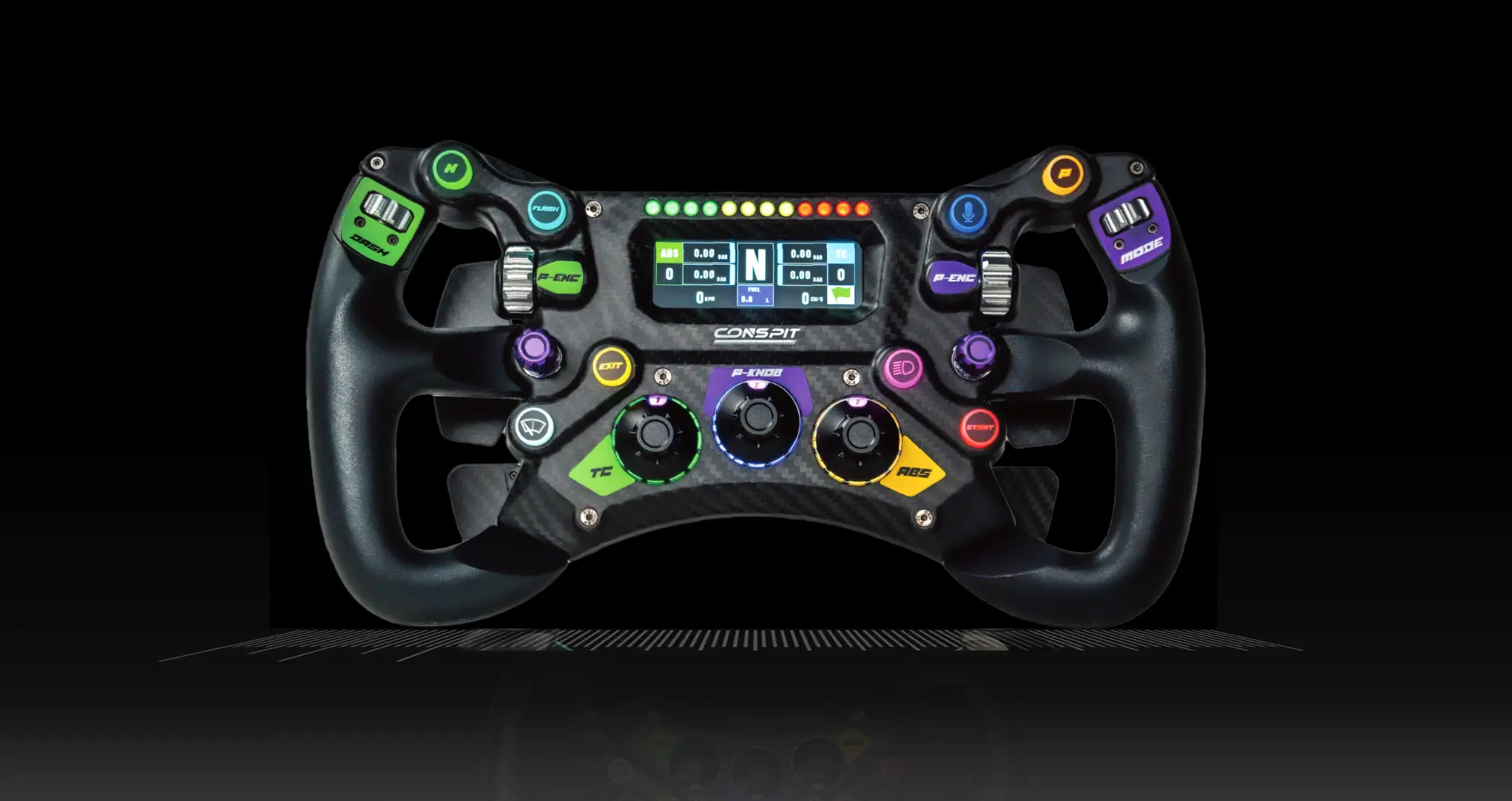
CONSPIT 300GT STEERING WHEEL
Best Value @ $399
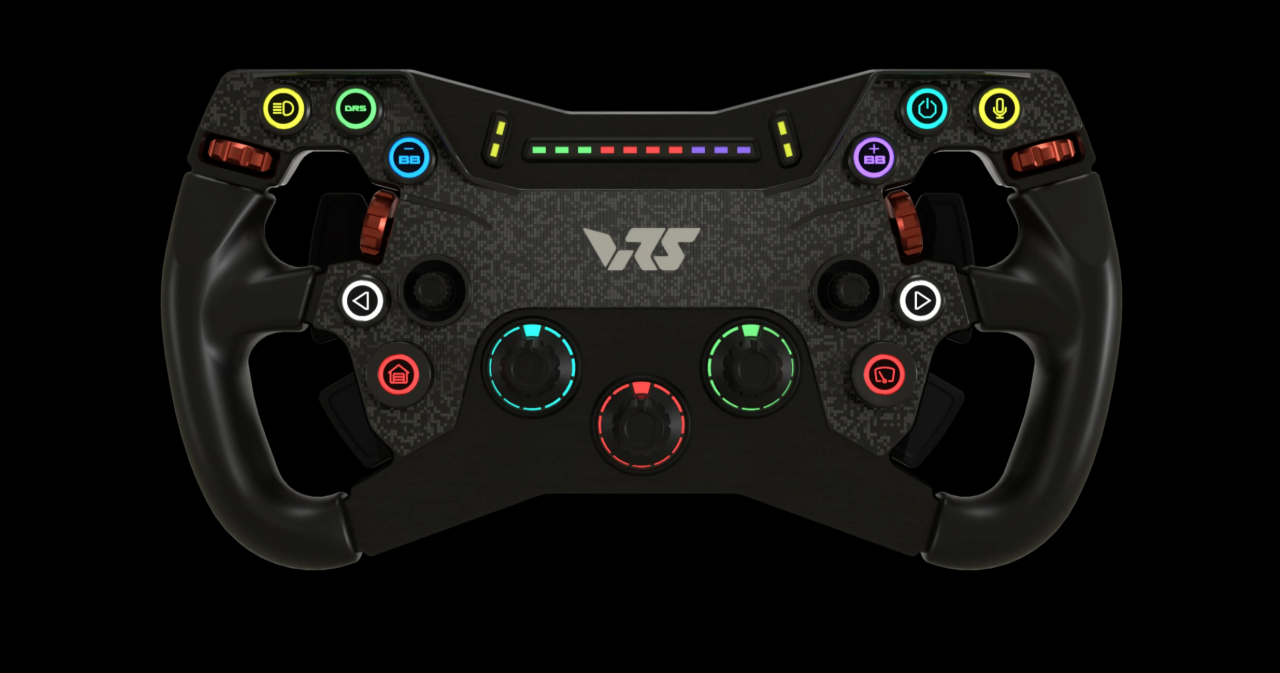
VRS R295 Steering Wheel
Best Value @ $349
MOZA FSR2 Formula Wheel
Best Value @ $649
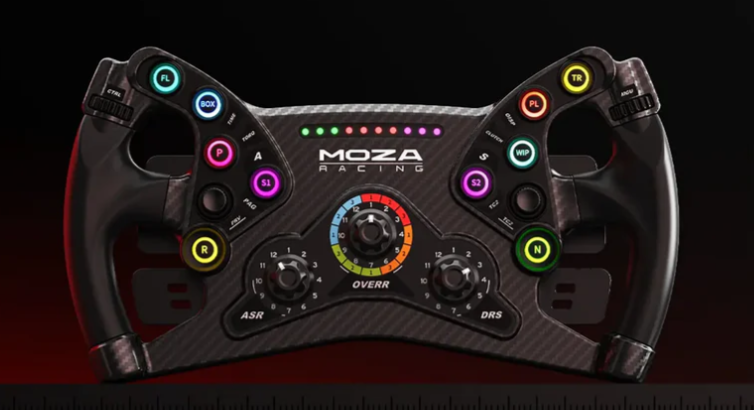
MOZA KS Steeering Wheel
Best Value @ $249
A fast car on screen means nothing if the steering feels vague, delayed, or flat. If you are shopping for a sim racing wheel base PS5 setup, the real decision is not just brand or price – it is how much detail you want from the car, how serious your sessions are, and whether the rest of your rig can keep up.
For casual players, almost any supported wheel can feel like a big step up from a controller. For committed drivers, event activations, or buyers building a premium cockpit that needs to impress from lap one, the wheel base is where the experience either comes alive or falls short. On PS5, that choice gets more specific because console compatibility, licensing, and ecosystem fit matter just as much as torque.
What makes a sim racing wheel base PS5-ready
Not every wheel base works on PS5, even if it performs beautifully on PC. That is the first filter. A PS5-compatible base needs official console support through the base itself, the wheel, or a licensed ecosystem. If the hardware is not recognized correctly by the console, none of the torque figures or premium materials will matter.
That is why buyers should think in systems, not isolated parts. A wheel base, steering wheel, pedals, cockpit, and mounting solution all influence the final result. We see this all the time when helping customers configure full simulator builds and live event setups – the strongest hardware on paper can still disappoint if it is mismatched with the wrong stand, seat, or use case.
For PS5 specifically, there are three practical buying questions. First, is it officially compatible with the games you actually play? Second, can your cockpit or wheel stand handle the force output? Third, are you buying into an ecosystem with room to grow later?
Gear-driven vs direct drive on PS5
The biggest dividing line in this category is still gear or belt systems versus direct drive.
Gear-driven and belt-driven wheel bases are usually more affordable and more forgiving for first-time buyers. They can feel good, especially in mainstream racing games, and they often make sense for households where the wheel will be used casually or shared by different players. They are also easier to pair with lighter wheel stands and entry-level cockpits.
Direct drive is where things get serious. In a direct drive wheel base, the steering wheel mounts directly to the motor. That means faster response, sharper detail, and more believable force feedback. You feel grip loss earlier, curb strikes more clearly, and weight transfer with far more precision. If your goal is consistency, immersion, or a premium guest experience, direct drive is hard to beat.
There is a trade-off, though. Direct drive costs more, demands a stronger mounting solution, and can be overkill if the user only runs occasional arcade-style sessions. It also exposes weak points elsewhere. Soft pedal trays, flexible mounts, and light foldable stands become obvious once stronger feedback enters the picture.
How much torque do you really need?
Torque numbers get attention because they are easy to compare, but they do not tell the whole story. A lower-powered wheel base with clean tuning and stable PS5 support can be a better choice than a stronger base that pushes your cockpit past its limits.
For many PS5 racers, the sweet spot is in the midrange. Enough torque to feel road texture, understeer, and rear-end rotation, but not so much that the setup becomes tiring or intimidating. This range often works well for home users and also for branded event environments where guests need a premium experience without a steep learning curve.
Higher torque makes sense if you already have a rigid cockpit, race frequently, and want the closest thing to a competition-grade feel. It is especially worthwhile in longer sessions where small details help with lap-to-lap confidence. But stronger is not automatically better for everyone. If multiple people will use the simulator in a corporate hospitality setting, a more balanced force level is often the smarter choice.
The ecosystems that usually matter most
When shoppers look for the best sim racing wheel base PS5 options, they usually end up comparing ecosystems rather than individual motor units.
Logitech appeals to buyers who want a polished package, easy setup, and strong mainstream support. Its direct drive offering brought more serious performance to console users without demanding a complicated buying process. That simplicity matters if you want dependable operation and clean integration.
Thrustmaster remains relevant because of its wide recognition and tiered product range. Buyers can start with something approachable and, depending on the ecosystem, upgrade pieces over time. For some users that flexibility is enough reason to stay in the brand.
Fanatec often attracts the enthusiast crowd because it offers a more performance-focused path, especially for users who want stronger force feedback, modular wheel options, and a clear upgrade ladder. The appeal is obvious, but so is the need to pay close attention to exact compatibility across the base, wheel, and console support.
The right answer depends on how you plan to use the setup. A solo racer chasing better lap times has different priorities than an event planner building a durable, repeatable attraction for hundreds of guests over a weekend.
Choosing for home use versus events
This is where many articles miss the point. A wheel base that is perfect for a private gaming room may not be the right choice for conferences, trade shows, or branded experiences.
At home, you can optimize around personal preference. You can tune force feedback for one driver, choose a stiffer pedal set, and build around your favorite title. If the setup takes some learning, that is fine. It is your rig.
For events, reliability and approachability become just as important as realism. Guests need to sit down and understand the experience quickly. The force feedback has to feel exciting without being punishing. The hardware must survive repeated use, and the simulator has to look premium from across the room. That is why our event builds emphasize pro-driver-grade equipment, strong mounting, clean presentation, and trained racing coaches who help guests get the most out of every session.
If your goal is brand impact, there is another layer. The wheel base is only one piece of the full experience. Cockpit aesthetics, monitor positioning, motion integration, and on-screen branding all matter more when the simulator is part of a live activation. In those cases, the best hardware choice is the one that supports performance and smooth delivery under pressure.
Common mistakes buyers make
The first mistake is shopping by torque alone. The second is assuming every wheel base advertised online will work properly on PS5. The third is underbuilding the rest of the rig.
A premium wheel base mounted to a weak stand will flex, shake, and waste much of the detail you paid for. The same goes for poor seating position. If the driver is reaching too far or bracing awkwardly, the force feedback will feel less natural no matter how advanced the motor is.
Another common miss is ignoring the wheel rim itself. On PS5, the experience changes dramatically depending on whether you are using a GT-style wheel, a round wheel, or an open-wheel format. Button layout, grip size, and paddle feel all affect confidence and comfort. Buyers who want a complete solution should think beyond the base and spec the full interface the driver will actually touch.
So which sim racing wheel base PS5 buyers should choose?
If you want the shortest path to quality, choose a fully supported PS5 ecosystem with a reputation for stable performance and straightforward setup. If you are an enthusiast with a rigid cockpit and a real appetite for better detail, direct drive is worth the jump. If you are outfitting an event or experiential display, prioritize durability, guest-friendly tuning, and a complete simulator package rather than chasing the highest number on a spec sheet.
For many buyers, the smartest move is not buying a wheel base first. It is defining the complete use case first. Are you building a personal GT cockpit? A family-friendly racing station? A high-visibility branded attraction for a conference floor? Once that is clear, the right wheel base becomes much easier to identify.
That is also where specialist guidance pays off. A properly matched setup feels faster, cleaner, and more impressive because every part is working together. And on PS5, where compatibility matters more than most people expect, that kind of planning saves time and prevents expensive mistakes.
The best wheel base is not the one with the most hype. It is the one that fits your games, your rig, your drivers, and the experience you want people to remember after the checkered flag.
SHARE THIS STORY ANYWHERE YOU LIKE
SHARE THIS STORY ANYWHERE
fusion_global=”97″]
