

How to Choose a Sim Racing Wheel Base Bundle
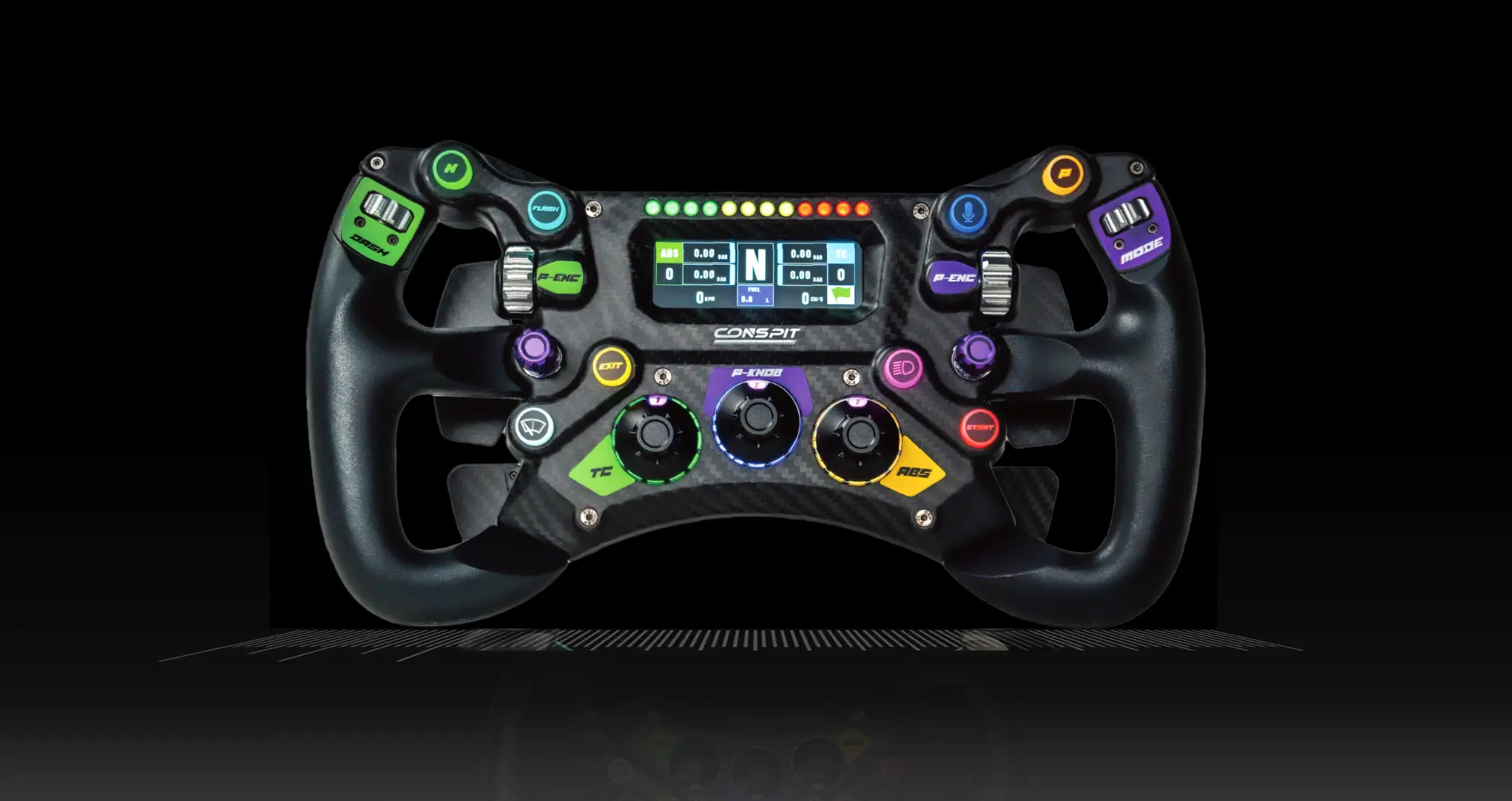
CONSPIT 300GT STEERING WHEEL
Best Value @ $399
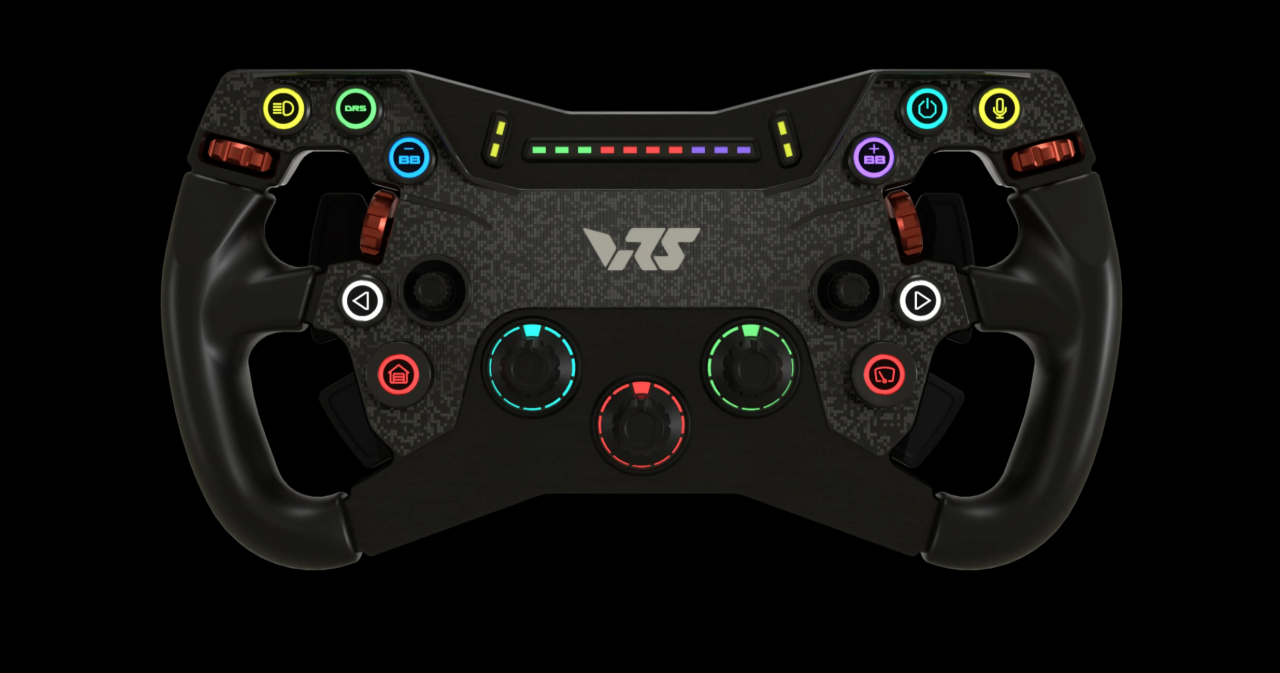
VRS R295 Steering Wheel
Best Value @ $349
MOZA FSR2 Formula Wheel
Best Value @ $649
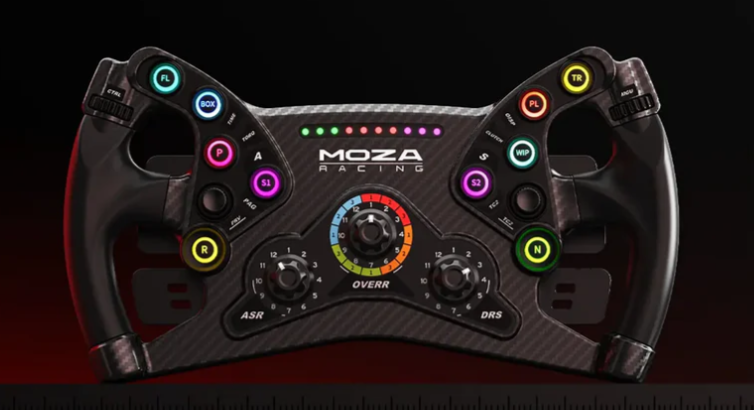
MOZA KS Steeering Wheel
Best Value @ $249
A bad simulator setup usually fails in one of two places – weak force feedback or mismatched parts. That is why a sim racing wheel base bundle matters more than most buyers expect. If the wheel base, steering wheel, pedals, mounting solution, and cockpit all work together from the start, the result feels tighter, more realistic, and far easier to trust whether you are building a serious home rig or planning a premium racing activation.
For buyers comparing options, the wheel base is the center of the experience. It dictates force feedback strength, detail, responsiveness, and the overall connection between driver and virtual car. But buying the base alone is where many setups go sideways. A bundle removes guesswork and makes sure the parts around the motor actually match the performance you are paying for.
Why a sim racing wheel base bundle makes more sense
On paper, buying components one by one looks flexible. In practice, it often creates friction. You may end up with a wheel that needs a separate hub, pedals that require another interface, or a cockpit that cannot handle the torque of a direct drive system without flex.
A sim racing wheel base bundle is useful because it solves those problems before they show up in your cart or in your event footprint. Instead of trying to piece together a complete system from five product pages and a few forum threads, you start with a package built around compatibility, performance level, and intended use.
That matters even more for commercial applications. Corporate event planners and marketing teams do not need a collection of impressive-looking parts that happen to fit in the same room. They need a simulator that works under pressure, loads quickly, holds calibration, and delivers a pro-grade experience to every guest. The right bundle supports that from day one.
Start with the wheel base, not the wheel rim
Many first-time buyers shop visually. They pick the F1-style rim or GT wheel first, then look for a base to match it. That is backward.
The base is the real performance decision. Belt-driven systems can still be enjoyable for casual use, but direct drive is the standard for buyers who want precision, stronger force feedback, and faster response. It is also the better fit for premium installations where realism is part of the value proposition.
When comparing wheel bases, torque is the first spec people notice. More torque can mean a more dynamic and convincing drive, but higher numbers are not automatically better for every use case. A private enthusiast may want all the detail and physical load they can get. A corporate event environment is different. You want enough strength to feel exciting and authentic, but not so much that first-time drivers feel intimidated after one lap.
This is where bundle design matters. A well-built package pairs the base with a cockpit, wheel, and control set that make sense together. High-torque bases need rigid mounts. Premium force feedback deserves a wheel with good ergonomics and solid materials. Strong hardware also needs proper seating and pedal positioning so drivers can control the car instead of fighting the rig.
What should be included in the bundle
Not every bundle is complete in the same way. Some focus narrowly on the wheel base and steering wheel. Others are closer to a ready-to-run simulator package.
For most serious buyers, a useful bundle should account for the base, the wheel rim, pedals, and a mounting platform or cockpit. If the goal is a polished home setup, that may be enough. If the goal is a branded event installation or high-traffic experience, you should think beyond the base package and consider seating, display integration, cable management, and the durability of the entire footprint.
The hidden issue is not whether the parts technically connect. It is whether they perform consistently together. For example, load cell pedals can transform braking feel, but they also demand a stable chassis. A premium direct drive wheel base can provide excellent detail, but if the mounting platform flexes under load, much of that advantage gets lost.
This is why experienced buyers often move toward curated bundles instead of building from scratch. The value is not just convenience. It is avoiding weak links.
How to match the bundle to the driver
The best bundle for a competitive sim racer is not always the best bundle for a marketing event or team-building activation. That distinction matters.
For home users focused on lap times, consistency and adjustability usually lead the conversation. They want a wheel base with detailed force feedback, pedals that support repeatable braking, and room to expand later. In that case, modularity matters. The bundle should give them a strong starting point without boxing them into one ecosystem forever.
For event planners, the priorities shift. Reliability, visual impact, ease of use, and throughput become just as important as outright driving fidelity. Guests may range from experienced racers to people who have never touched a simulator. The ideal system still needs to feel impressive, but it also needs to be approachable and durable across repeated use.
That is where professional guidance changes the buying decision. At Sim Racing Warehouse, that same principle drives both premium hardware selection and live event execution. The best simulator experience is not created by impressive specs alone. It comes from choosing equipment that matches the audience, the format, and the expected level of use.
Budget matters, but so does the upgrade path
Most buyers set a budget first, which is sensible. The mistake is treating every dollar the same.
A lower-cost bundle can be the right move if it gets you into a stable, compatible setup with a clear path to improve later. A cheap bundle with weak pedals, a compromised mount, or limited ecosystem support often costs more in the long run because it gets replaced piece by piece.
This is especially relevant in the direct drive category. Spending more on the wheel base while underinvesting in the chassis or pedals can create an unbalanced rig. The force feedback may be strong, but the overall control feel will still be mediocre. On the other hand, a well-matched mid-tier bundle can outperform a poorly planned high-end setup in day-to-day use.
If you are buying for events or client entertainment, total cost should also include setup labor, transport realities, user turnover, and brand presentation. The most expensive hardware is not always the smartest commercial choice. Sometimes the better investment is a more efficient, battle-tested package that delivers a smoother guest experience and supports repeat activations.
Compatibility is where good bundles earn their value
This is the part many buyers underestimate. Compatibility is not just about ports and adapters. It includes software behavior, firmware updates, mounting standards, wheel-side quick release systems, pedal integration, and how the entire system behaves under load.
A strong bundle simplifies those decisions. It reduces the chance that one component becomes the bottleneck or the headache. It also shortens the time from purchase to driving, which matters for both enthusiasts and businesses.
If your use case includes multiple simulators, event travel, or shared use among many drivers, simplicity becomes a real performance advantage. Fewer compatibility issues mean less downtime, faster troubleshooting, and more confidence when the simulator needs to perform in front of a crowd.
The right bundle should feel intentional
The best sim racing wheel base bundle does not look random. It feels engineered around a clear goal.
For some buyers, that goal is realism at home with room to grow into a more advanced cockpit. For others, it is a clean commercial setup that can impress executives, draw traffic at a trade show, or turn a corporate party into something people actually talk about afterward. Those are different jobs, and the right bundle should reflect that.
A serious package balances performance, compatibility, mounting strength, and user experience. It also respects the fact that not every driver wants the same thing. Some want raw detail and adjustability. Others want a simulator that feels exciting within seconds and keeps guests engaged all day.
That is why the smartest buying question is not “What is the strongest wheel base I can afford?” It is “What complete setup will perform best for the way I plan to use it?” Once you ask that, the bundle becomes much easier to evaluate.
A great simulator does not happen because one component looks impressive on paper. It happens when every part works together and gives the driver confidence the moment the lights go out.
SHARE THIS STORY ANYWHERE YOU LIKE
SHARE THIS STORY ANYWHERE
fusion_global=”97″]
