

Conference Booth Racing Simulator Activations
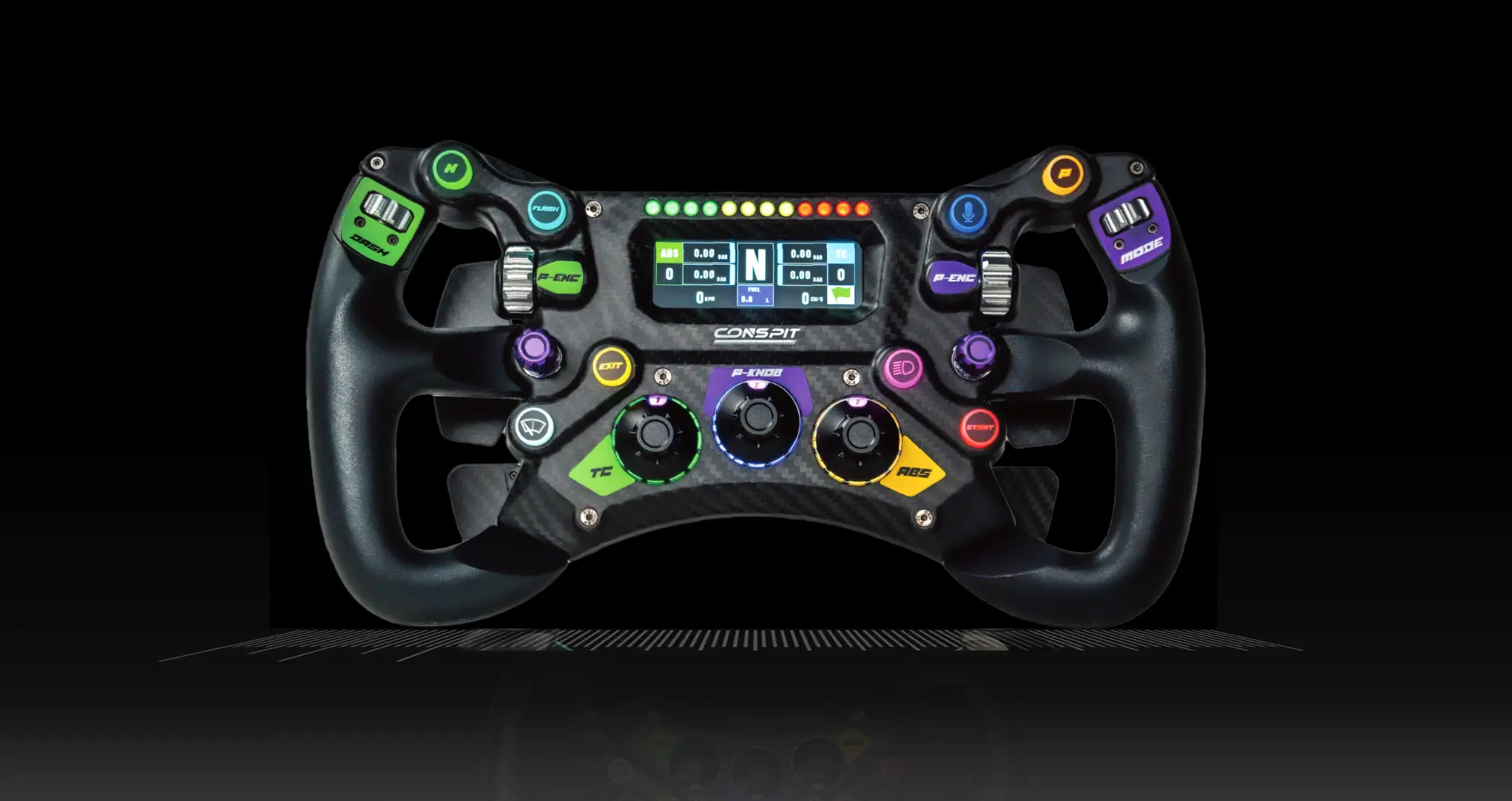
CONSPIT 300GT STEERING WHEEL
Best Value @ $399
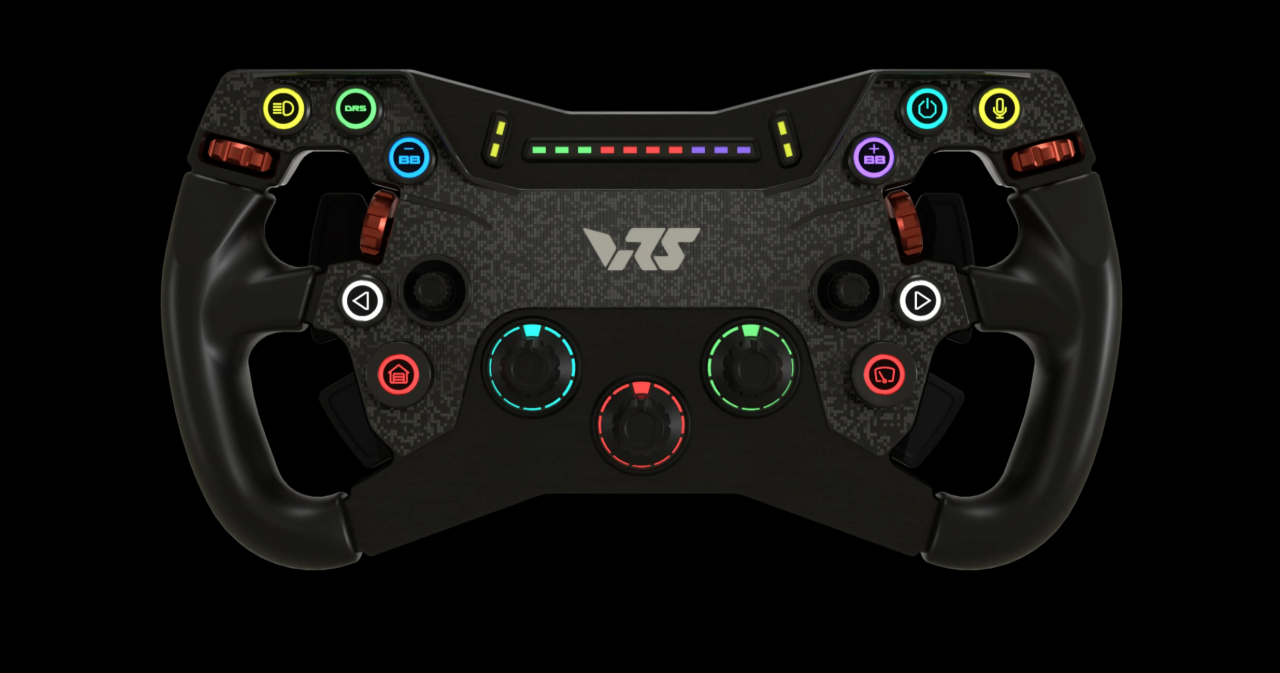
VRS R295 Steering Wheel
Best Value @ $349
MOZA FSR2 Formula Wheel
Best Value @ $649
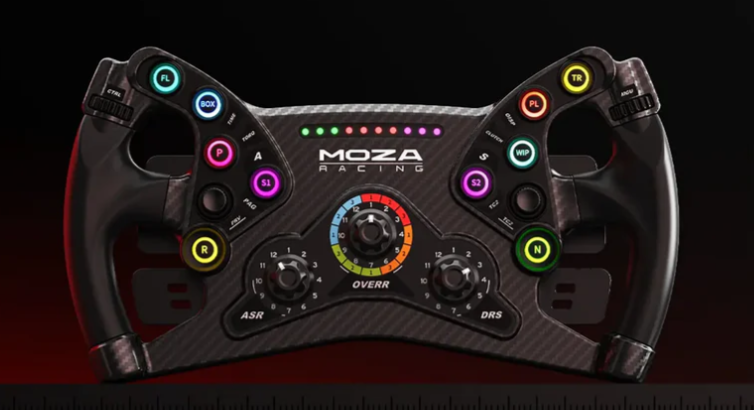
MOZA KS Steeering Wheel
Best Value @ $249
Trade show floors are crowded, loud, and full of booths promising engagement. Very few actually earn it. Conference booth racing simulator activations work because they give attendees something most exhibits do not – a reason to stop, compete, stay longer, and talk to your team while adrenaline is still high.
That difference matters when your booth budget is under pressure to produce more than foot traffic. Marketing teams need experiences that pull people in, create branded content opportunities, and open real conversations with prospects. A racing simulator does all three when it is built and staffed correctly. When it is not, it can turn into an expensive prop with a line of spectators and very little pipeline value.
Why conference booth racing simulator activations stand out
A strong booth activation has to do two jobs at once. It has to attract attention from across the aisle, and it has to support sales conversations once people step in. Sim racing is unusually good at both because it is instantly visual and immediately participatory.
People understand competition in a split second. A motion platform moving through corners, a leaderboard on display, a branded race car on screen, and a coach guiding the driver create energy without needing a long explanation. Even attendees who never follow motorsports understand the challenge of putting down a fast lap. That broad appeal makes sim racing a smart fit for conferences where your audience includes executives, partners, clients, and staff with different levels of technical interest.
The real advantage is dwell time. A brochure may hold attention for ten seconds. A traditional giveaway might buy thirty. A racing session can keep someone at your booth for several minutes, and often longer if coworkers gather to watch, compare times, or wait for their turn. That extra time gives your team space to qualify leads naturally instead of forcing a rushed pitch over aisle traffic.
What separates a serious activation from a novelty
Not every simulator setup belongs on a conference floor. Consumer-grade gear can look fine in a private game room and still fall short in a branded event environment. Corporate activations need reliability, polish, and staff who know how to keep throughput moving while maintaining the premium feel your brand paid for.
That starts with the hardware. Pro-driver-grade wheel bases, pedals, racing seats, cockpits, and full-motion systems create a more convincing experience, but they also hold up better under constant use. At a busy expo, equipment gets used by dozens or hundreds of attendees in a tight time window. Weak components, poor cable management, or unstable mounts create delays fast, and delays kill momentum.
The coaching matters just as much as the equipment. A trained racing coach does more than explain the controls. They lower the barrier for first-time drivers, keep sessions running on schedule, and help every guest leave with a sense of accomplishment. That changes the experience from “I tried a simulator” to “I just competed in your branded racing challenge.” That shift is what makes people remember the booth later.
Branding is where the activation earns its keep
A racing simulator is already visually strong, but the strongest conference activations do not stop at putting a logo on a monitor. They treat the simulator as a branded environment.
That can include your company on the simulator chassis, your logo and colors on the virtual race car, and branded billboards built directly into the in-sim track. Those details matter because they turn every photo, video clip, and spectator moment into a brand impression. Instead of attendees remembering that they drove “a simulator somewhere,” they remember driving your simulator, in your race car, inside your campaign.
This is also where many event planners underestimate the upside. A booth activation should not only entertain the person in the seat. It should create a stage around them. Coworkers filming lap attempts, sales reps reacting to leaderboard changes, and passersby stopping to watch all increase the value of the footprint you already paid for. Strong branding makes sure that attention stays attached to your company.
The trade-off between spectacle and booth flow
Bigger is not always better on a convention floor. A full-motion simulator with dramatic movement can draw a crowd, but crowd size is only useful if it helps your goals. Some events call for a hero setup that acts as a magnet. Others need multiple stations with shorter drive sessions to maximize participation and lead capture.
It depends on your booth size, audience, and sales strategy. If your team wants high-volume traffic and broad brand awareness, a compact head-to-head format or timed hot-lap challenge may be the better fit. If the event is more relationship-driven and focused on premium buyers, a more cinematic, high-end simulator experience can create a stronger impression with fewer but more qualified interactions.
This is where experience matters. The right partner should be able to shape the activation around your objectives instead of forcing every event into the same package. That includes advising on footprint, power, line management, staffing, sound, and session length before show day.
How conference booth racing simulator activations support lead generation
The common criticism of experiential booths is fair: people can have fun without becoming leads. That risk is real if the activation is disconnected from the sales process.
The best setups close that gap by making competition part of the funnel. Leaderboards, timed challenges, prize structures, and pre-race registration create natural moments to collect contact details and qualify attendees. A rep can ask who they are with, what brought them to the show, or whether they are evaluating solutions in the category, all without interrupting the experience.
The emotional timing helps. Right after a lap, people are engaged, smiling, and willing to talk. Your team is no longer starting from zero. They are responding to a live moment the attendee just had inside your brand space. That is a much easier conversation than trying to pull someone away from the aisle with a generic opener.
For team-building coordinators and internal event organizers, the value can extend beyond pure lead capture. Sim racing naturally encourages replay, comparison, and friendly rivalry. That makes it useful for hosted client gatherings, partner lounges, and conference after-parties where your goal is to deepen relationships, not just scan badges.
What event planners should ask before booking
A simulator activation can look great in a proposal and still underperform in person. The gap usually comes down to execution. Event planners should look closely at whether the provider can handle logistics, setup, onsite coaching, and brand customization without compromising the guest experience.
Ask how the equipment is transported and installed, how much staffing is included, and how they keep lines moving during peak traffic. Ask what happens if the event audience includes complete beginners. Ask how branding is applied across the physical simulator and virtual environment. Ask whether the gear is truly event-grade or simply retail equipment being repurposed for public use.
These questions are especially important for multi-city exhibitors and conference producers. A partner with real event experience can adapt to different venues, union rules, loading schedules, and floor plans. That is one reason companies working events in places like Nashville, Dallas, Orlando, Atlanta, or Indianapolis often prioritize providers that understand both the technical side of sim racing and the realities of conference operations.
Where premium equipment changes the outcome
Attendees may not know one wheel base from another, but they absolutely feel the difference between average and exceptional hardware. Precise force feedback, stable pedal feel, a rigid cockpit, and motion that responds cleanly all shape whether the experience feels professional or gimmicky.
That perception reflects directly on your brand. If your company positions itself as innovative, high-performance, or premium, your booth activation should reinforce that image. Cheap-feeling equipment sends the opposite message, even if the crowd is initially curious.
This is why serious providers focus on complete systems instead of disconnected parts. The simulator has to work as one polished experience. Visual presentation, hardware quality, software reliability, and staff guidance all need to align. At Sim Racing Warehouse, that is the standard we build around because event results depend on much more than putting a seat and screen on a show floor.
The best activations feel easy to join
One final point gets overlooked all the time: accessibility wins. A conference booth activation should look premium without looking intimidating. If the experience feels too technical or too exclusive, many attendees will watch but never participate.
That is why a coached format works so well. Guests do not need racing experience. They just need a clear invitation, a fast orientation, and the confidence that someone will help them have a great run. When the activation is designed that way, it reaches both the competitive prospect chasing the leaderboard and the cautious attendee who only joined because a colleague encouraged them.
That range is what makes sim racing such a strong conference tool. It can be bold enough to stop traffic and structured enough to support real business goals. Book your event today, and make sure your booth gives people something worth remembering after the hall clears.
SHARE THIS STORY ANYWHERE YOU LIKE
SHARE THIS STORY ANYWHERE
fusion_global=”97″]
