

Full Motion Simulator Trade Shows That Draw Crowds
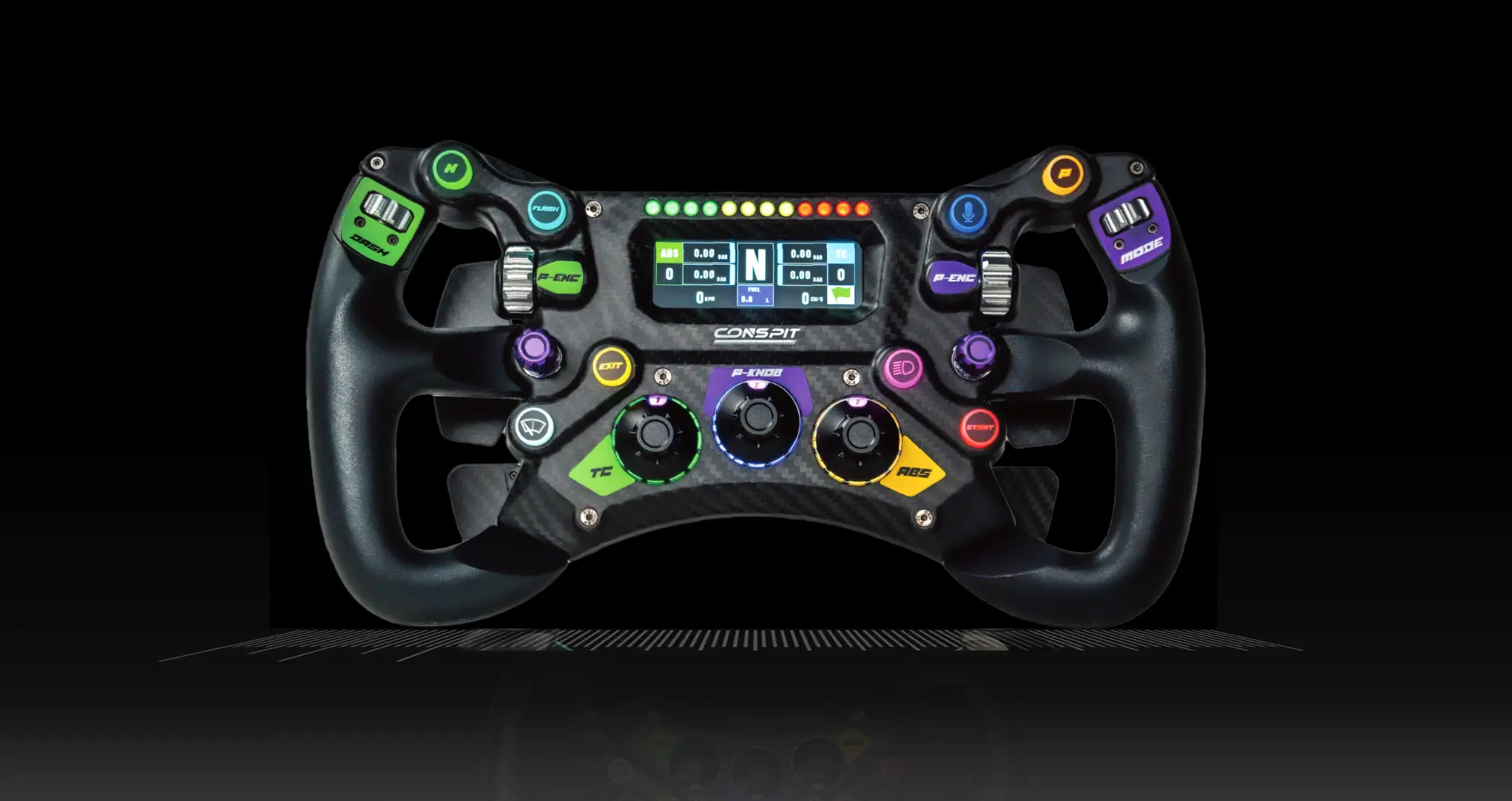
CONSPIT 300GT STEERING WHEEL
Best Value @ $399
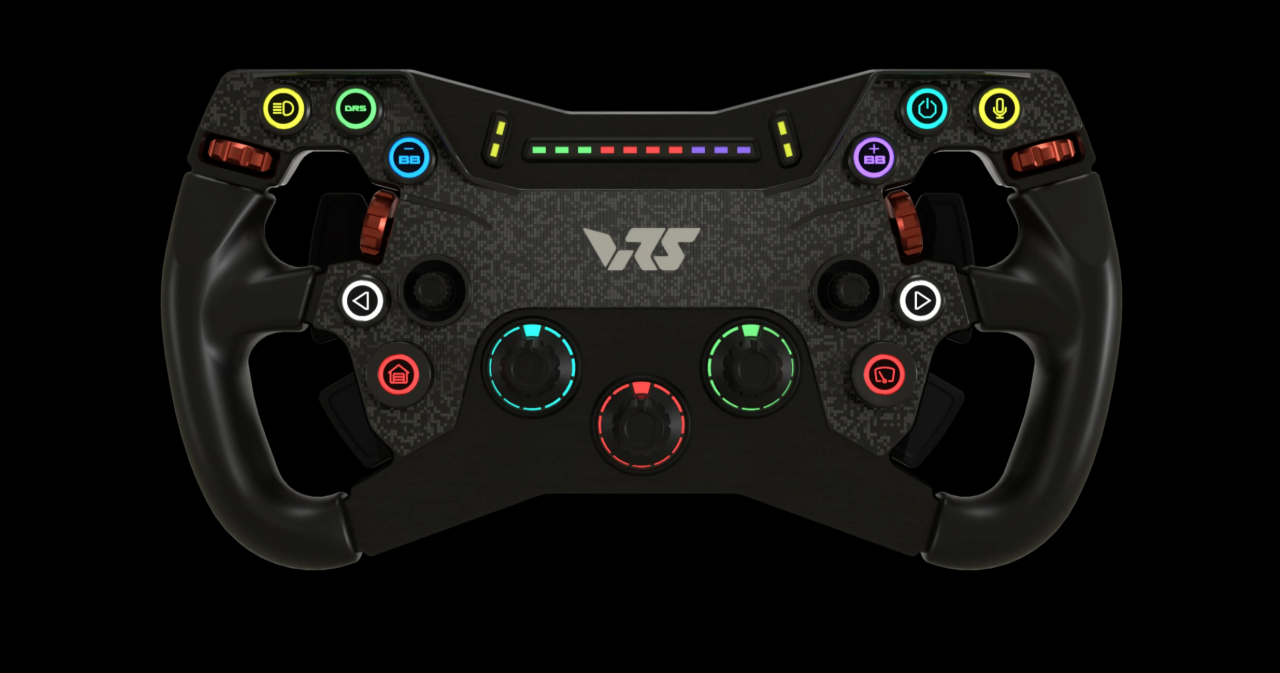
VRS R295 Steering Wheel
Best Value @ $349
MOZA FSR2 Formula Wheel
Best Value @ $649
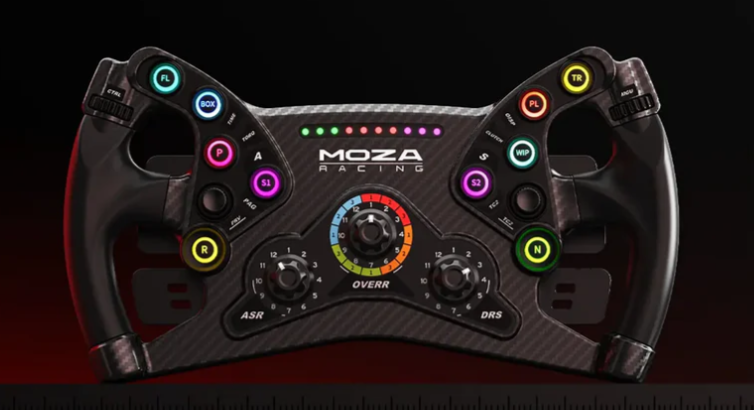
MOZA KS Steeering Wheel
Best Value @ $249
A busy exhibit hall gives attendees hundreds of reasons to keep walking. Full motion simulator trade shows give them a reason to stop, sit down, compete, and remember the company that put them behind the wheel. The difference is not simply having a racing game at a booth. It is delivering a polished, pro-driver-grade experience that creates real energy around your brand while your team has meaningful conversations with prospects.
For convention organizers, marketing leaders, and event planners, a full-motion racing simulator is a high-impact activation with a practical business purpose. It attracts traffic, extends dwell time, creates natural social content, and gives guests a memorable connection to the sponsoring brand. When the equipment, coaching, branding, and event flow are handled correctly, the simulator becomes more than entertainment. It becomes a destination on the trade show floor.
Why Full Motion Simulator Trade Shows Get Attention
Most booth activities ask people to watch, scan, or collect something. A motion simulator asks them to participate. The seat responds to acceleration, braking, cornering, and track surface changes, giving guests a physical sense of what the car is doing. That movement turns a quick glance into a genuine experience.
The visual impact matters before anyone even drives. A professional racing cockpit, competition-grade steering wheel and pedals, large displays, and purposeful branding signal quality from across the aisle. Once a race begins, the sounds, motion, friendly competition, and crowd reaction create an energy that pulls in the next group of attendees.
That energy is especially valuable at conferences where products or services can be difficult to demonstrate in a few minutes. A racing activation gives visitors an easy entry point. They can compete for a fastest lap, take a break between sessions, or challenge a colleague. Your staff then has a natural opening to explain the brand, qualify the guest, or arrange a follow-up conversation.
Motion Creates a Stronger Memory
Attendees may forget another bowl of giveaways by the time they reach the hotel. They are far less likely to forget the moment they caught a slide, improved their lap time with a coach, or saw their name climb a leaderboard. Motion adds physical feedback to a visual experience, which makes the interaction feel more immediate and personal.
A well-run simulator experience also gives every guest a small victory to pursue. First-time drivers can learn the racing line and finish a clean lap. Experienced sim racers can chase a competitive benchmark. That range matters at corporate events because the audience will include both confident competitors and people who have never used a racing wheel before.
The Equipment Determines the Guest Experience
Not all racing simulators are built for a trade show environment. Consumer-style gaming stations can be entertaining, but they often lack the visual presence, feedback, reliability, and support required for a premium corporate activation. If your goal is to represent a high-value brand, the simulator should feel like a serious piece of motorsport equipment.
A full-motion setup should combine a rigid cockpit, high-fidelity wheel and pedal controls, responsive motion hardware, powerful visual displays, and professionally configured racing software. Each component contributes to immersion. More importantly, the system must be stable enough to run continuously through a long show day with guests of different sizes, skill levels, and comfort levels.
There is a trade-off to consider. Larger motion platforms and multi-simulator lineups generate more spectacle, but they require more floor space, electrical planning, and a thoughtful traffic layout. A smaller footprint can work exceptionally well for an executive reception, client lounge, or compact exhibit space when the experience is positioned as an exclusive challenge rather than a high-volume attraction.
The right configuration depends on your venue, expected attendance, booth size, and activation goal. A lead-generation campaign may benefit from multiple stations and a leaderboard that keeps the line moving. A premium client event may be better served by fewer simulators, more coaching time, and a hospitality-focused presentation.
Racing Coaches Turn a Line Into an Experience
The best trade show activations do not leave guests to figure everything out alone. Professional trained racing coaches make a dramatic difference in both guest confidence and throughput. They welcome each driver, adjust the seating position, explain the controls, and give clear, encouraging feedback that helps the guest enjoy the experience quickly.
Coaching is particularly important with full-motion equipment. A first-time driver may be excited but unsure of the braking force, steering response, or movement of the platform. A calm coach sets expectations, keeps the environment comfortable, and turns that initial uncertainty into excitement. The result is a better experience for the driver and a smoother operation for your event team.
For competitive guests, coaches add another level of credibility. They can offer a braking tip, explain why a corner is difficult, or help a driver shave time from a lap. That guidance gives the activation a professional motorsport feel instead of a casual arcade atmosphere.
Brand the Entire Racing Moment
A logo on a backdrop is helpful. A brand that exists inside the racing experience is far more memorable. Full-motion simulator trade shows are strongest when branding appears across the physical setup and the digital race environment.
Your identity can be displayed on the simulator itself, on surrounding signage, and within the race car livery. Virtual track billboards can carry your campaign message as drivers move through the circuit. This creates a consistent visual story for the guest, the waiting crowd, event photography, and any social clips captured during the activation.
The value is not limited to logo visibility. A branded leaderboard can reinforce a product launch, sales competition, or event theme. The winner might receive a prize, a VIP experience, or recognition at a client dinner later that evening. For internal events, team-based standings can support friendly rivalry without making the activity feel forced.
Keep the call to action simple. If guests must complete an overwhelming form before racing, the line will slow and enthusiasm can fade. A short lead capture step, a badge scan, or an optional post-race follow-up works better when it is integrated into the guest journey rather than placed in front of it.
Plan for Traffic, Not Just Track Time
A simulator can attract a crowd quickly, which is exactly why the operating plan matters. The goal is to create visible excitement without allowing a long, confusing queue to become a frustration. Set clear expectations for session length, establish a welcoming check-in point, and position staff so attendees know where to wait and where to exit.
Short qualifying sessions are effective for high-traffic show floors. They allow more guests to drive while preserving the competitive appeal of a leaderboard. Longer sessions make sense for smaller audiences, sponsor hospitality, and private corporate parties where relationship building matters more than volume.
The surrounding space deserves attention as well. Give waiting guests a good view of the screens and driver reactions. A spectator area keeps the activation active even when someone else is in the seat. It also gives your sales team room to engage people before and after their race without interrupting the driver.
Venue logistics should be confirmed well before show day. Access times, freight procedures, power availability, floor loading, internet needs, noise restrictions, and emergency egress can all affect the final footprint. An experienced simulator partner anticipates these details and coordinates with your exhibit team, venue contacts, and event producer.
Measure More Than the Fastest Lap
The leaderboard creates excitement, but your post-event results should go further. Track the number of participants, qualified leads, badge scans, meetings booked, social mentions, and any product conversations tied to the activation. If the event includes multiple days, compare traffic by time block to refine staffing and promotional efforts.
Qualitative feedback matters too. Listen for the phrases guests use when they leave the cockpit. Comments about realism, coaching, competition, and brand visibility reveal whether the activation matched the impression you wanted to create. Those observations can shape future conference experiences, roadshows, client events, and employee programs.
For companies exhibiting in Nashville, Dallas, Orlando, Atlanta, Chicago, Indianapolis, and other major event markets, local deployment experience can reduce planning pressure and help the activation arrive event-ready. The equipment is only part of the service. The real value is a trained team that can install, operate, coach, troubleshoot, and maintain a premium guest experience from opening bell to final lap.
A trade show booth does not need to be louder than every competitor to be remembered. It needs to give attendees a reason to feel something. With pro-driver-grade equipment, skilled coaching, and branding that follows every lap, Sim Racing Warehouse can help turn your next event space into the place attendees talk about after the show floor closes. Book your event today.
SHARE THIS STORY ANYWHERE YOU LIKE
SHARE THIS STORY ANYWHERE
fusion_global=”97″]
