

Experiential Marketing Simulator Trends for 2026
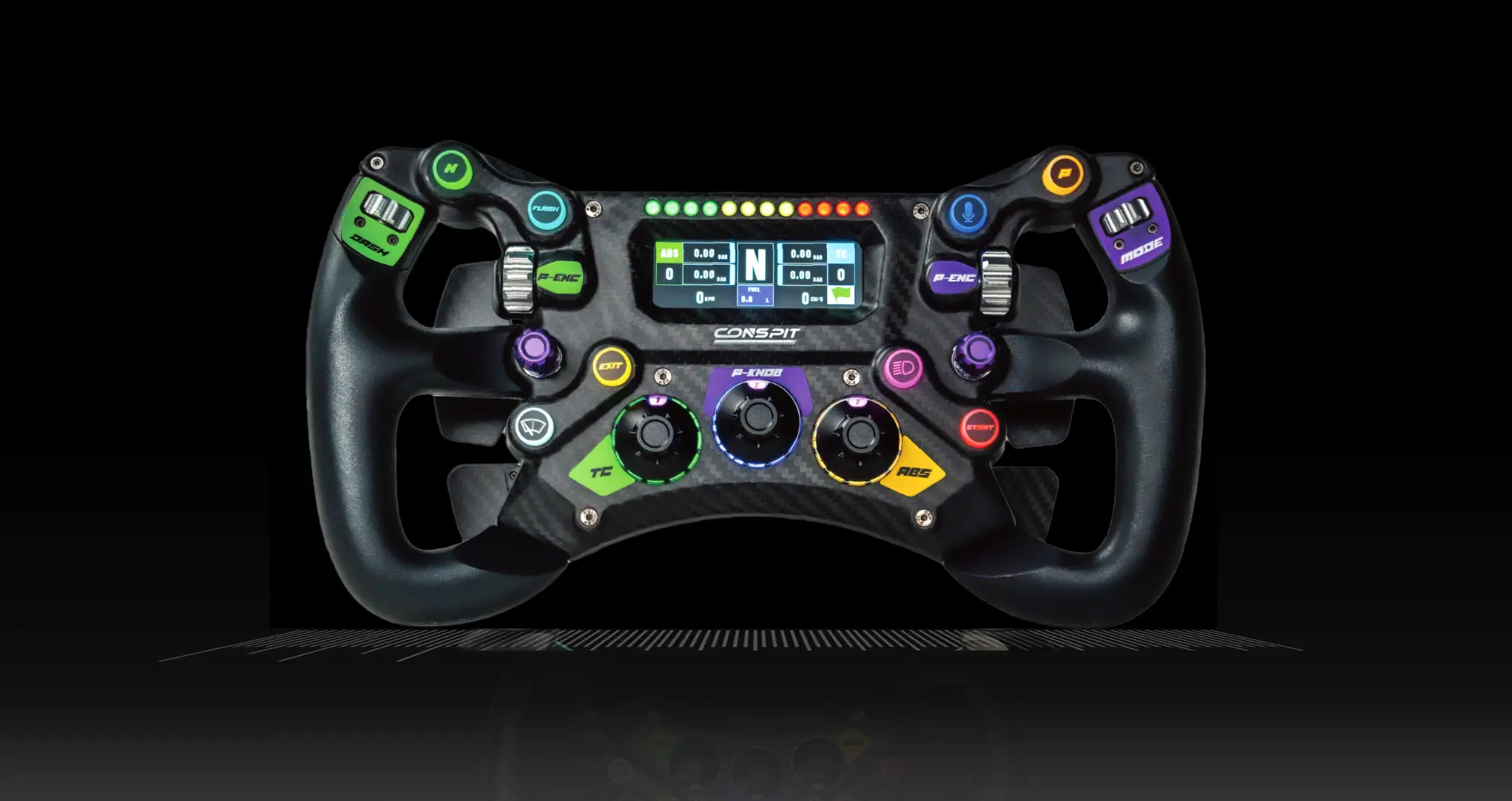
CONSPIT 300GT STEERING WHEEL
Best Value @ $399
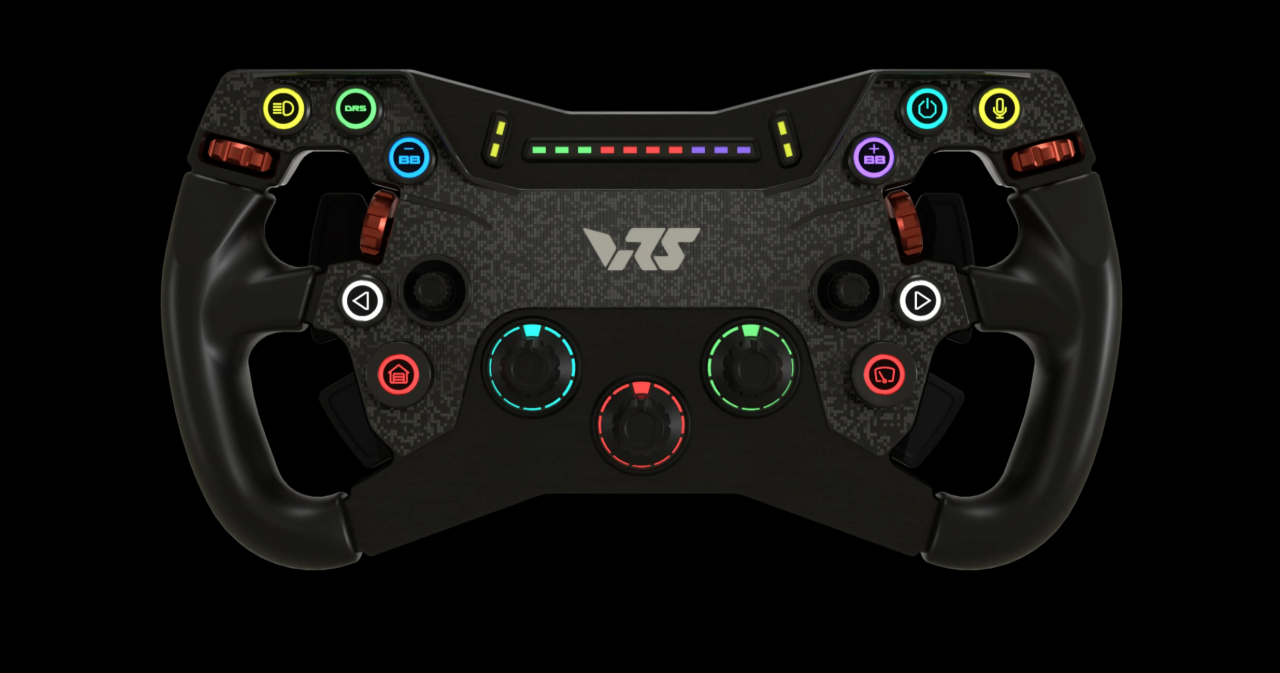
VRS R295 Steering Wheel
Best Value @ $349
MOZA FSR2 Formula Wheel
Best Value @ $649
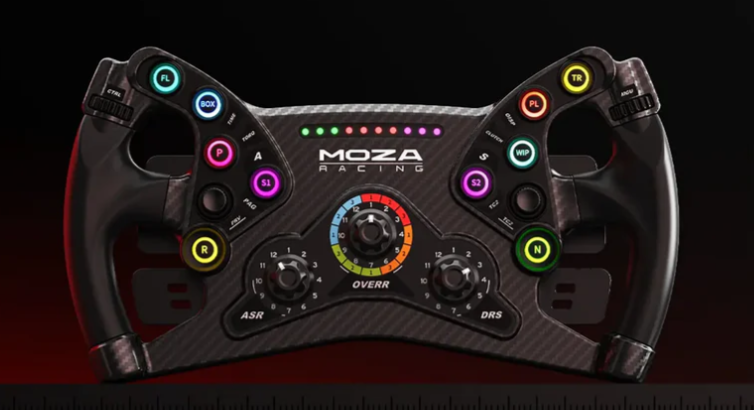
MOZA KS Steeering Wheel
Best Value @ $249
A crowded trade show floor gives attendees plenty to see and very little reason to stop. The experiential marketing simulator trends gaining traction in 2026 solve that problem with a format people immediately understand: take the wheel, feel the car move, chase a lap time, and see your brand built into the action. For corporate events, the difference is not simply better entertainment. It is a more deliberate way to earn attention, create a shared story, and keep guests coming back for another run.
For planners, the opportunity is bigger than placing a racing game near the booth. A premium full-motion racing simulator can become the center of a client event, conference lounge, product launch, or team-building program when it combines pro-driver-grade equipment, trained racing coaches, and visible brand integration.
Experiential Marketing Simulator Trends That Matter
The strongest trend is a move away from passive branded moments. Photo backdrops and giveaway tables still have a place, but they rarely give attendees a reason to spend meaningful time with a brand. Competitive, physical, and social activations do. Sim racing brings all three together without the cost, risk, and logistical limitations of putting guests into real race cars.
Full-motion platforms have become particularly valuable because movement changes the guest’s perception of the experience. A quality wheel, responsive pedals, race seat, immersive visuals, and motion cues make the activity feel purposeful rather than like an office arcade game. Guests do not need racing experience to recognize the difference. They feel it on the first braking zone.
That matters for brands seeking premium positioning. If the event message is performance, precision, engineering, hospitality, or competition, a high-level simulator reinforces that message through the guest experience itself. The hardware is part of the brand statement.
The rise of coached competition
A simulator with no guidance can create a line, a few quick laps, and hesitant first-time drivers. A coached simulator experience creates a progression. Professional trained racing coaches welcome guests, set expectations, offer quick driving tips, and help nervous participants find confidence behind the wheel.
This is one of the most practical trends for corporate activations because coaching makes the experience inclusive. An experienced racer wants feedback on braking and corner entry. A first-time guest may simply need reassurance that they can enjoy a clean lap without knowing every button. Both audiences receive a better experience when an expert is present.
Coaches also keep the activation moving. They can reset the driver, explain the challenge, celebrate a personal best, and direct the next guest into the seat. That combination of hospitality and competition is what turns a simulator rental into an organized brand experience.
Brand placement is moving inside the race
Event planners increasingly want branding that is seen during the activity, not only before or after it. The most effective simulator activations place the client’s identity directly into the virtual environment. A custom-branded racing car, trackside billboards, on-screen leaderboards, and physical simulator branding create repeated impressions throughout every session.
This approach is more memorable because the branding becomes part of the driver’s achievement. When a guest posts a lap-time photo or talks about overtaking a colleague, the branded vehicle and track environment are already part of the story.
There is a trade-off. Overloading every screen with logos can make a polished activation feel like a sales presentation. The best creative direction uses brand color, placement, and messaging with restraint. The experience should still feel like racing first. That is what earns the attention that makes the branding valuable.
From Spectator Entertainment to Shared Competition
The most successful simulator setups are designed for the people waiting as carefully as the person driving. Racing naturally creates an audience: coworkers watch a fast lap, cheer a late braking move, and debate who can top the leaderboard. That social energy is a major reason sim racing is outperforming isolated virtual experiences at conferences and parties.
Leaderboards remain a proven mechanic, but they are becoming more tailored to the event. A sales kickoff may use regional teams. A client hospitality event may run short head-to-head challenges. A convention booth may feature a fastest-lap contest with a scheduled daily final. The format should match the traffic pattern, available event time, and desired level of participation.
Short sessions often work best at busy trade shows, where guests may only have a few minutes. Longer races are a better fit for evening receptions, customer appreciation events, and team-building programs. Neither is automatically better. The right choice depends on whether the goal is reach, relationship-building, or competitive engagement.
Multi-simulator competition also changes the energy in the room. Guests can race against colleagues in real time instead of taking turns in silence. For larger events, that increases throughput while creating a much stronger visual focal point. The result is an activation that guests can participate in, watch, and talk about from several feet away.
Premium Hardware Is Now Part of the Experience Standard
As attendees become more familiar with gaming, esports, and immersive entertainment, their expectations have risen. A loose wheel, basic pedals, or generic seating can undercut an otherwise strong event concept. Premium equipment signals that the brand invested in the experience and respects the guest’s time.
Professional-grade steering systems, realistic pedal assemblies, rigid racing cockpits, and full-motion systems deliver the control and feedback that make driving satisfying. They also support the credibility of a racing coach. It is much easier to explain braking technique or smooth steering inputs when the equipment responds with precision.
Reliability deserves equal attention. Event activations run on fixed schedules, and a technical interruption can stall a booth or interrupt a key client moment. Experienced providers plan for stable hardware, clean cable management, proper staffing, and rapid operational support. Those details may not appear in an event recap, but attendees notice when they are missing.
Measurement Is Becoming More Practical
Marketing leaders are under pressure to connect live experiences to outcomes. Simulator activations cannot rely solely on a crowded photo or a smiling guest to demonstrate value. The good news is that racing provides natural engagement signals.
Session counts, repeat drives, average dwell time, leaderboard participation, team registrations, and opt-in lead capture can all show whether the activation held attention. For private corporate events, participation by department or team can reveal whether the format truly brought people together. For trade shows, the most useful metric may be the number of qualified conversations that happened after a guest left the cockpit.
Measurement should not make the experience feel transactional. Asking a guest to complete a long form before they can race creates friction. A simple opt-in tied to a lap-time result, event photo, prize drawing, or post-event standings usually feels more natural. The value exchange needs to be clear.
Mobility and Customization Are Deciding Factors
National event calendars rarely stay in one market, and corporate planners need activations that can adapt to different venues. Ballroom layouts, exhibit footprints, loading access, power availability, and guest volume all influence the right simulator configuration. A full-motion setup is compelling, but it needs a professional plan for space, operation, and visibility.
Customization is equally decisive. A simulator package should fit the event rather than force the event to fit the package. That may mean a compact footprint for a convention booth, a multi-rig race format for a large conference, or a high-impact full-motion centerpiece for a corporate party.
Sim Racing Warehouse brings that flexibility to events across markets including Nashville, Dallas, Orlando, Atlanta, Chicago, Indianapolis, and beyond, pairing premium simulator rentals with trained coaches and brand-forward race environments. The goal is not to rent equipment and walk away. It is to create a racing experience that works for the room, the audience, and the campaign.
The Trend Behind Every Successful Activation
The lasting shift is not technology for technology’s sake. It is the expectation that event entertainment should give people a role. Guests no longer want to stand beside an activation and watch a demo. They want to compete, improve, represent their team, and have a moment worth sharing.
A well-produced sim racing experience gives them that role while giving the host brand a natural place in the action. When planning the next conference, client event, or corporate celebration, choose an experience guests will want to beat, not just browse. Book your event today and put your brand in the driver’s seat.
SHARE THIS STORY ANYWHERE YOU LIKE
SHARE THIS STORY ANYWHERE
fusion_global=”97″]
