

Simulator Activation ROI Examples That Prove Value
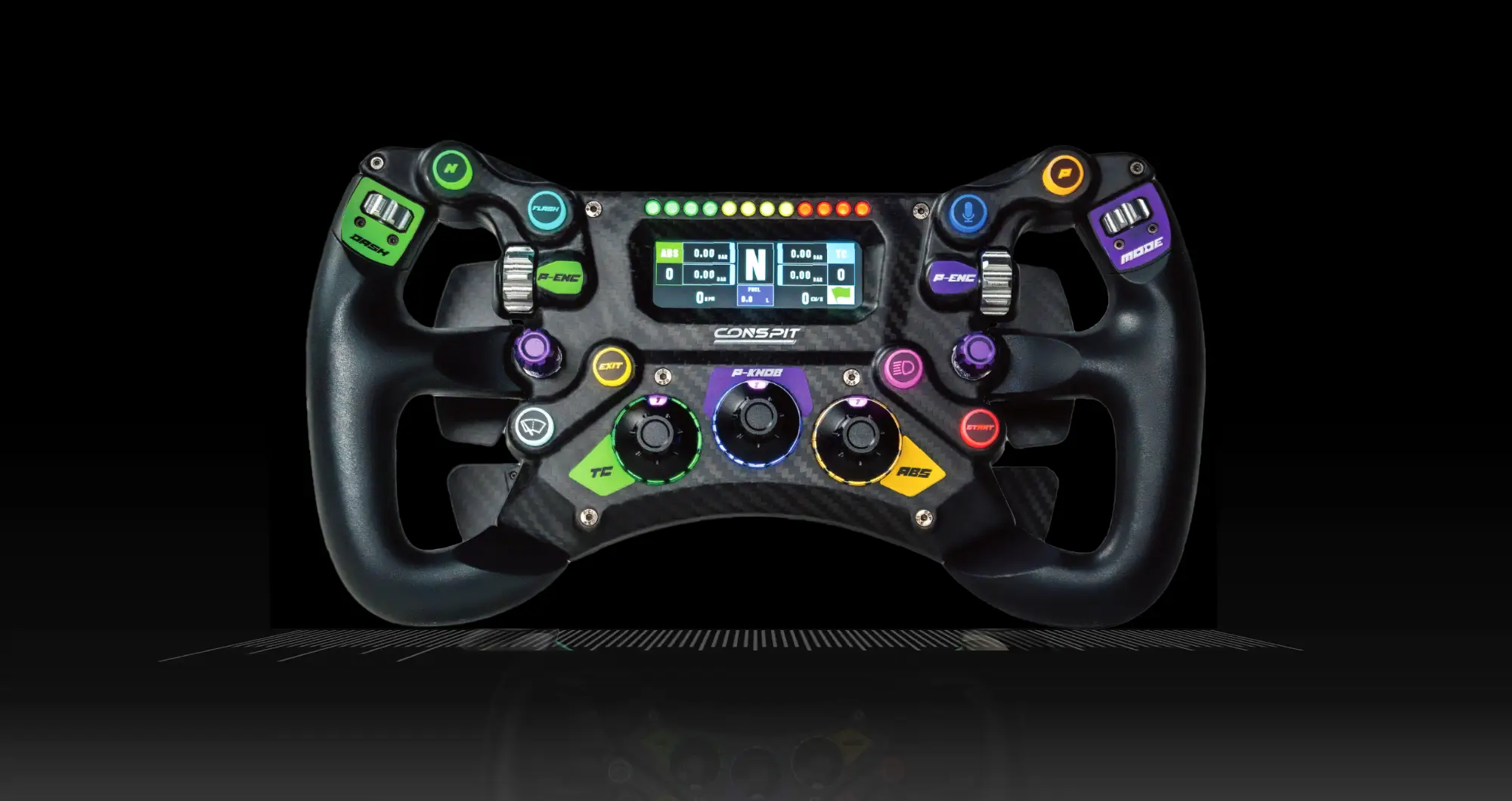
CONSPIT 300GT STEERING WHEEL
Best Value @ $399
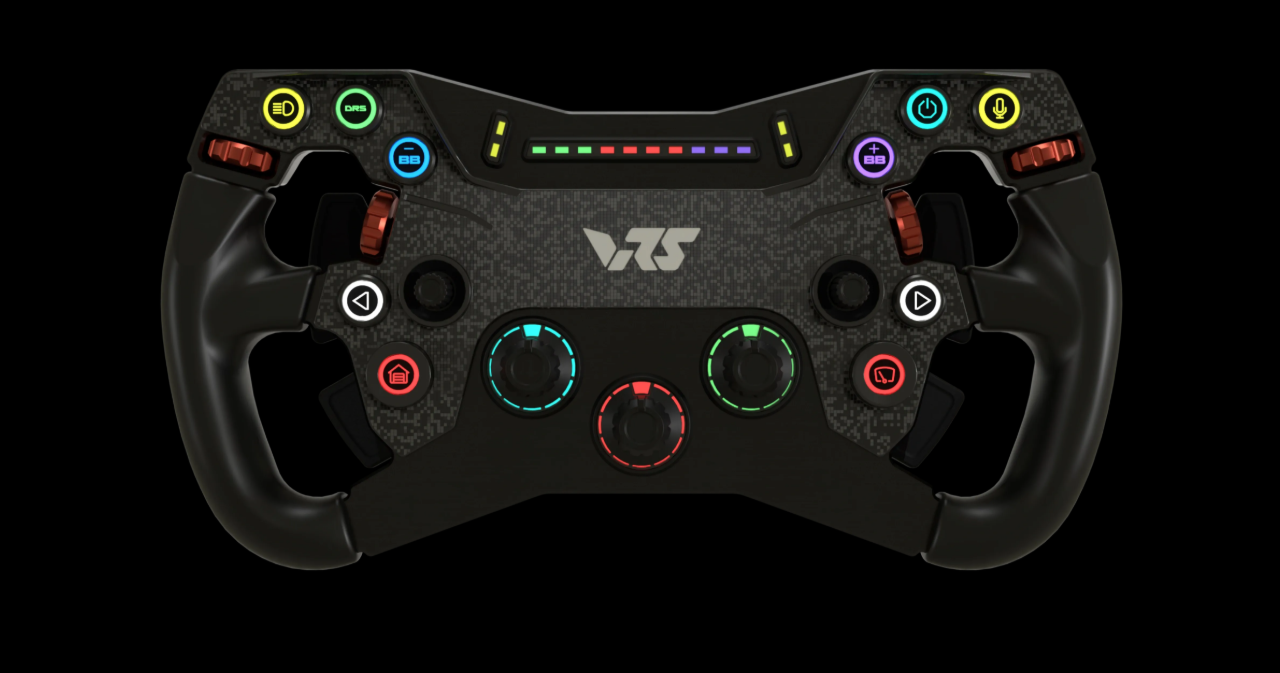
VRS R295 Steering Wheel
Best Value @ $349
MOZA FSR2 Formula Wheel
Best Value @ $649
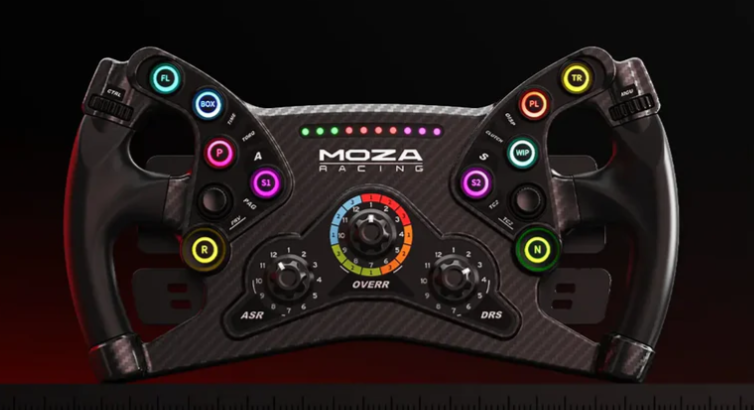
MOZA KS Steeering Wheel
Best Value @ $249
A full-motion racing simulator can stop traffic at a conference, but a crowded booth is not the same as a strong return. The best simulator activation ROI examples connect the excitement of the race to outcomes a marketing team, sales leader, or event planner can defend: qualified conversations, measurable pipeline, branded content, and stronger relationships with guests.
That distinction changes the planning conversation. Rather than asking whether simulators will be entertaining, ask what job the experience must do. Is it earning scheduled demos? Giving VIP clients a memorable reason to stay? Increasing booth traffic during slow hours? Creating team-building energy at a corporate party? The answer determines what should be measured and where the investment earns its value.
What Counts as ROI for a Simulator Activation?
Return on investment is not limited to immediate sales made on the event floor. For a high-consideration B2B purchase, a racing simulator activation may create value through lead capture and follow-up opportunities that mature weeks or months later. For an internal event, the return may show up in participation, employee sentiment, retention, or the quality of cross-team interaction.
A practical starting calculation is:
ROI = (value created – total activation cost) / total activation cost x 100
The key phrase is total activation cost. Include the simulator rental, shipping, onsite staffing, venue requirements, branding, lead-capture technology, prizes, and campaign follow-up. Leaving out those items creates an attractive number that does not hold up under scrutiny.
Value also needs a realistic definition. A scanned badge is not automatically a qualified lead. A social post does not automatically equal revenue. Assign value according to your normal marketing and sales data, then use the simulator experience to improve the metrics that matter most.
Simulator Activation ROI Examples for Corporate Events
Trade show lead generation with a scheduled race challenge
A technology company rents two branded full-motion simulators for a two-day industry show. Guests set a fastest-lap time, enter their contact information, and select their job role and business challenge before racing. The company promotes hourly leaderboard updates and schedules short product conversations for high-fit attendees.
The activation produces 420 entries. Of those, 140 meet the company’s ideal customer profile, and 45 agree to a post-show meeting. If the company’s historical close rate from qualified meeting to customer is 20% and the average first-year gross profit per customer is $8,000, the projected gross-profit value is $72,000. Against a $24,000 all-in activation cost, the projected return is substantial.
The important detail is not the entry count. It is the qualification design. A simple prize drawing may produce a large number of contacts but few useful conversations. Adding a brief, relevant form and a clear reason to speak with the team creates fewer dead-end scans and a more credible ROI case.
Client hospitality that protects and expands accounts
A professional services firm hosts a client appreciation event during a major race weekend. The firm invites 60 current clients and prospects, with trained racing coaches keeping every guest engaged regardless of experience. The event includes head-to-head sessions, a branded leaderboard, and relaxed time between races for account teams to connect.
The event cost is $18,000. There may be no contract signed that evening, but the firm tracks attendance, follow-up meetings, renewal discussions, and expansion opportunities tied to guests. Within the next quarter, three attendees enter renewal negotiations and one expands their scope of work by $40,000 in annual gross profit.
Attributing every dollar to the simulator would be careless. Relationships have history, and buying decisions rarely come from one event. Still, if the activation gave account teams meaningful time with decision-makers and helped advance a documented opportunity, it contributed measurable commercial value. This is where CRM notes and disciplined follow-up matter more than raw attendance.
Employee team building with participation as a performance signal
A company uses racing simulators at its annual sales meeting rather than relying on a standard reception. Teams compete in timed heats, with coaching available for first-time drivers and advanced guests. The format creates a shared challenge without requiring athletic ability or prior motorsports knowledge.
The financial case may be indirect, but it can still be measured. Track participation rate, average dwell time, post-event survey results, and attendance at the broader meeting. Compare those results with prior events that used passive entertainment. If 92% of attendees participate, 88% rate the activity as a highlight, and the company sees stronger cross-regional interaction during the meeting, that is useful evidence for the next event budget.
For internal events, avoid claiming that one race night “caused” a retention improvement. A better claim is that a premium shared experience supported engagement goals and produced clear evidence of participation and positive sentiment. That level of precision builds trust with leadership.
Product launch content that extends beyond the room
A consumer brand launches a new product at a conference with custom branding on the simulator rigs, in-sim race cars, and virtual track billboards. Guests receive a short video clip of their lap with the campaign message and an optional prompt to share it. The brand also captures professional photos of the fastest drivers and uses the leaderboard as recurring content throughout the event.
Here, the activation has two value streams: onsite engagement and reusable content. The brand can measure opt-in video deliveries, social shares, tagged posts, earned impressions, landing-page visits, and email engagement after the event. A content asset has value only when there is a distribution plan, so the team should prepare follow-up emails, social edits, and sales assets before the event opens.
This example works best when the branding feels like part of the race environment rather than a logo placed in the corner. High-visibility customization gives guests a story worth sharing while keeping the brand present in every photo, video, car livery, and virtual billboard.
The Metrics That Make the Numbers Credible
Not every event needs the same dashboard. A convention booth should focus on qualified leads, meetings booked, cost per qualified lead, and pipeline influenced. A client event should prioritize attendee mix, account engagement, opportunities advanced, and renewal or expansion conversations. An employee event should measure participation, satisfaction, and the specific culture goals it was built to support.
Four metrics are especially useful when comparing activations: total qualified engagements, average guest dwell time, conversion to a defined next step, and cost per meaningful outcome. A meaningful outcome could be a sales meeting, a product demonstration, an opt-in content delivery, or a documented account conversation. Define it before the event, not after the results are known.
Do not overlook operational metrics. Simulator uptime, average session length, queue abandonment, and coach-to-guest interaction affect the final result. A striking setup that develops a long, unmanaged line can lose valuable guests before they ever race. Pro-driver-grade equipment, trained coaches, and a thoughtful event footprint protect the experience and the business case behind it.
Where Simulator Activations Can Miss the Mark
A simulator is not automatically the right investment. If the audience has no time to participate, the booth footprint is too constrained, or the event objective is a high-volume giveaway, a racing experience may not be the best fit. It also underperforms when branding, lead capture, and follow-up are treated as last-minute details.
There is a trade-off between throughput and immersion. A shorter racing session lets more guests participate, while a fuller coaching and competition format creates deeper engagement with fewer people. Neither approach is universally better. Choose based on whether the event needs broad awareness, quality conversations, VIP hospitality, or content creation.
Sim Racing Warehouse builds full-motion racing simulator experiences around that decision, with trained racing coaches and brand placement across the physical simulators and virtual race environment. For corporate events in markets such as Nashville, Dallas, Orlando, Atlanta, and Indianapolis, that level of execution helps turn a memorable attraction into an organized marketing asset.
The most persuasive ROI story starts before the first engine sound. Set one primary goal, decide what a meaningful guest action looks like, capture the right information, and give the sales or marketing team a clear follow-up path. Then let the race do what ordinary event entertainment rarely can: give people a reason to stop, compete, talk, and remember your brand after they leave the room. Book your event today with measurement built into the experience.
