

The Future of Corporate Event Simulators
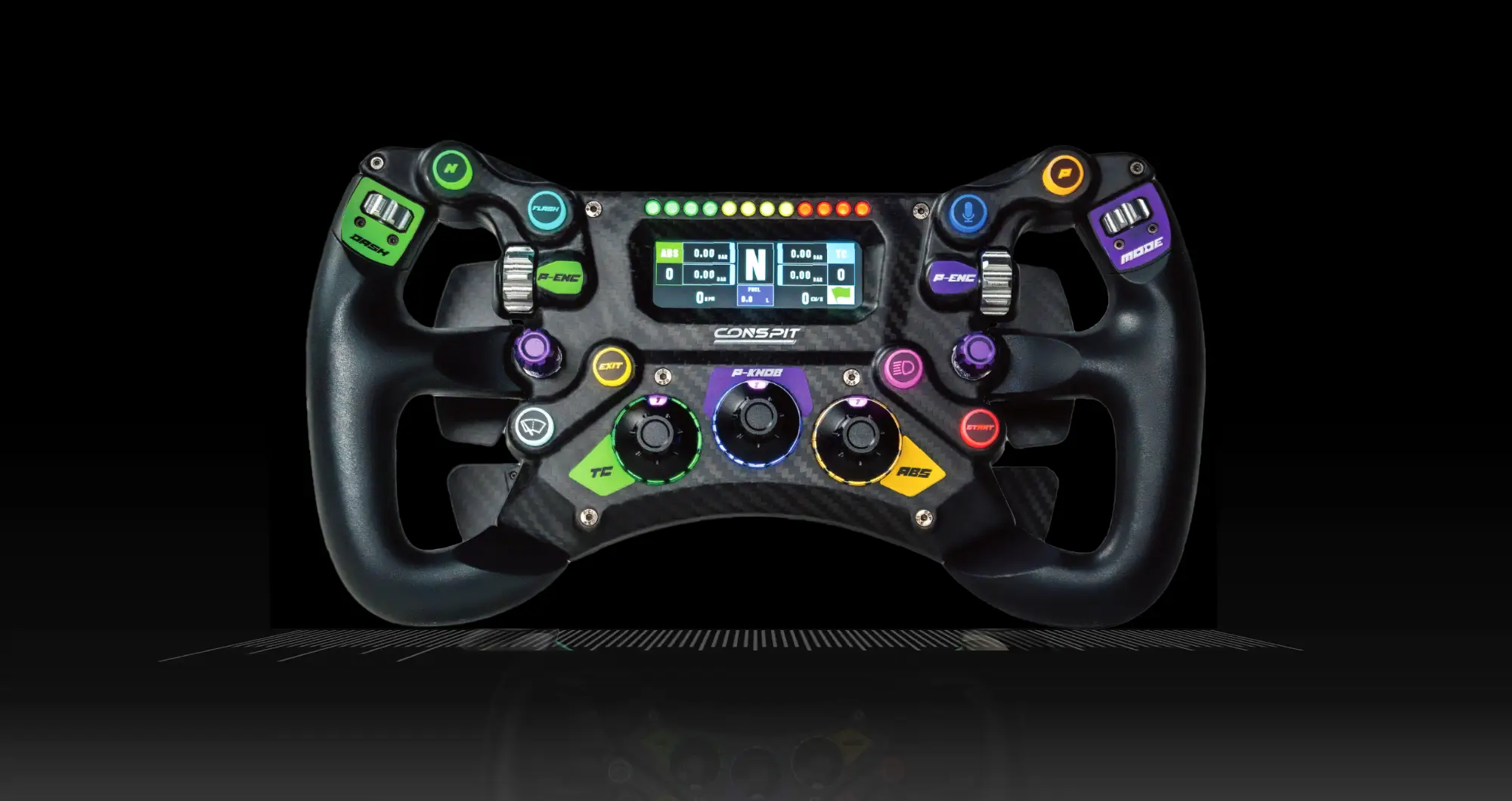
CONSPIT 300GT STEERING WHEEL
Best Value @ $399
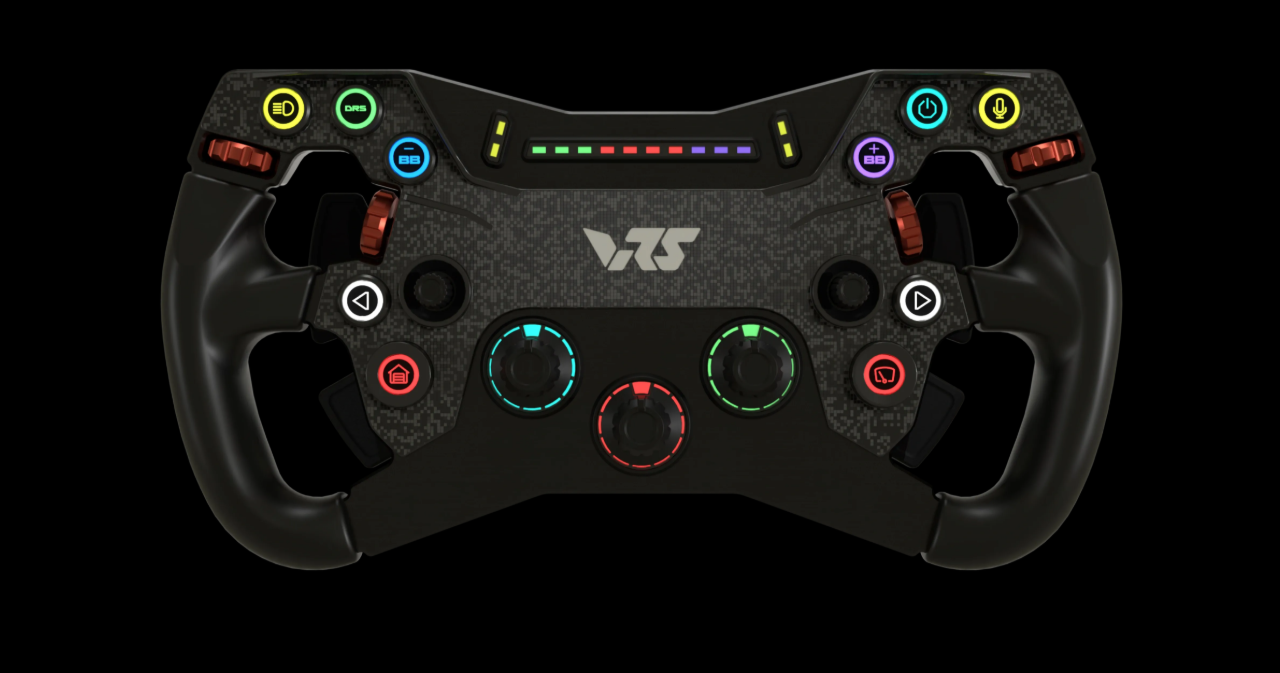
VRS R295 Steering Wheel
Best Value @ $349
MOZA FSR2 Formula Wheel
Best Value @ $649
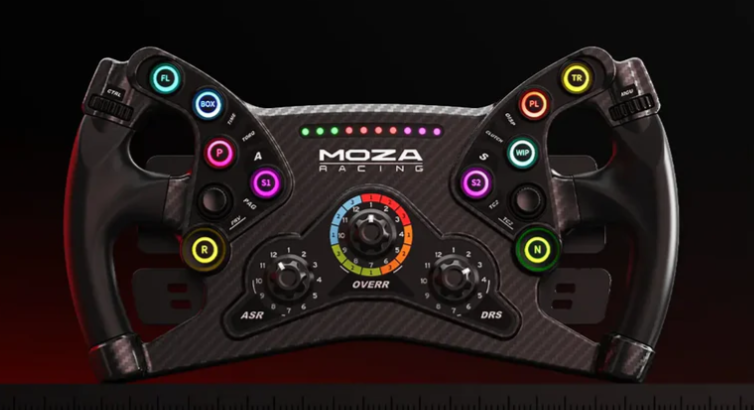
MOZA KS Steeering Wheel
Best Value @ $249
A packed expo floor can make even a strong brand message disappear. The future of corporate event simulators is not about placing another screen in a booth. It is about creating a high-energy moment that stops traffic, gives guests a story to tell, and places a brand at the center of the action.
For corporate planners and marketing teams, full-motion sim racing is becoming a more strategic event investment. It combines the spectator appeal of motorsport with approachable competition, measurable engagement, and visual branding that lasts well beyond a handshake. The simulators are the draw, but the experience around them is what determines whether an activation feels premium or forgettable.
The Future of Corporate Event Simulators Is Participatory
Passive entertainment has a place at corporate events, but it rarely holds attention for long. Guests may watch a performance, pick up a giveaway, or take a quick photo. A racing simulator asks them to participate. They select a car, settle into a racing cockpit, feel the movement of the track, and compete for a lap time.
That participation matters because it changes the role of the attendee. They are no longer simply receiving a brand message. They are making a memory connected to the brand. A clean lap can spark pride. A spin can start a conversation. A leaderboard gives colleagues and prospects a reason to return later and see where they stand.
The strongest activations also make room for the crowd. Racing works exceptionally well as a spectator experience: people recognize the stakes immediately, whether it is a one-lap qualifying challenge, a head-to-head race, or a fastest-time contest running throughout a conference. On a busy trade show floor, that visible momentum is often as valuable as the drive itself.
Motion and Realism Will Define Premium Experiences
Not every simulator creates the same impression. The gap between a casual gaming station and a pro-driver-grade full-motion racing simulator is clear the moment a guest sits down. A rigid cockpit, responsive wheel base, precise pedals, high-quality display, and full-motion platform create physical feedback that makes the vehicle feel alive.
For a corporate event, realism is not just a technical specification. It communicates quality. If a company is hosting clients, recognizing employees, launching a product, or seeking qualified trade show conversations, the equipment should support the level of the occasion.
Full-motion systems are especially effective because they make racing understandable to people who have never driven a simulator before. Guests can feel braking, acceleration, curbing, and changes in direction. That sensory feedback turns a quick drive into an immersive experience without requiring prior motorsport knowledge.
There is a practical trade-off. Larger motion rigs require more floor space, power planning, and careful load-in coordination than a basic screen-and-wheel setup. For a compact booth, one or two premium simulators with a clear queue and a visible leaderboard can outperform a crowded setup with lower-grade equipment. For a large gala, conference, or hospitality space, a multi-rig race lounge can become the event’s main attraction.
Professional Coaching Keeps the Line Moving
The hardware gets guests into the seat. Skilled event staff keeps the experience welcoming, competitive, and efficient.
A first-time driver can be intimidated by pedals, steering feedback, racing lines, and unfamiliar controls. A trained racing coach changes that in seconds. They set the seating position, explain the objective, provide a few simple driving cues, and encourage the guest through the session. The result is less hesitation, fewer abandoned attempts, and more people leaving the cockpit energized.
Coaching also protects the premium nature of the activation. Rather than leaving guests to troubleshoot menus or wait for an unattended reset, an experienced team manages the flow from registration through racing and results. They can adjust formats for beginners and competitive drivers, keep a tournament on schedule, and create moments of friendly rivalry without letting the line stall.
This human layer is becoming more valuable as event technology becomes more sophisticated. Guests do not judge an activation solely by its equipment. They remember whether they felt comfortable joining in, whether someone helped them improve, and whether the experience ran smoothly when the room was at its busiest.
Brand Integration Will Move Beyond a Logo on the Rig
A branded simulator wrap is powerful, but it is only the starting point. The most effective corporate simulator programs carry brand presence into the entire racing environment.
A company can be featured on the physical cockpit, the driver’s virtual race car, trackside billboards, leaderboard graphics, start screens, and event signage. That consistency gives every photo and video a clear connection to the host brand. It also gives attendees a more natural reason to share their experience internally and on social channels.
The key is restraint. A racing car covered in competing messages can look more like a decal sheet than a premium motorsport entry. The best creative direction uses a focused campaign message, a clean visual system, and colors that remain legible on camera. For a product launch, the virtual car and track can reinforce the new product. For employee engagement, the leaderboard can feature departments or regional teams. For client hospitality, the setting can feel like a private race weekend rather than a sales pitch.
This is where event simulators become more than entertainment rentals. They become branded media environments that happen to be highly enjoyable.
Data Will Matter, but Competition Must Stay Fun
Corporate teams increasingly want evidence that an activation delivered value. Simulator experiences can provide useful signals: total drivers, repeat sessions, average session length, leaderboard participation, tournament entries, and lead capture when it fits the event’s consent process.
Those metrics should support the guest experience rather than interrupt it. Asking a visitor to complete a long form before they can race can create friction, especially at a fast-moving convention. In some settings, a simple opt-in tied to race results or prize eligibility is appropriate. At an internal event, the priority may be team connection rather than lead volume.
The format should match the event goal. A trade show may benefit from short, repeatable hot-lap challenges that keep the queue moving. A corporate party may call for longer head-to-head races and an awards moment. A sales kickoff can use team scoring to create energy across the room. There is no single correct format, which is why experienced event planning is as important as the simulator itself.
Corporate Racing Will Become More Flexible and More Social
The future will not belong only to the biggest convention halls. Mobile simulator programs are making premium racing practical for hotel ballrooms, customer appreciation events, college recruiting programs, office celebrations, and regional conferences. Planners can bring a serious motorsport experience to the audience instead of asking the audience to travel to a fixed venue.
That flexibility is particularly valuable for brands hosting events across multiple markets. Consistent hardware, trained coaches, branding standards, and race formats help a campaign feel connected from one city to the next while still leaving room for local customization. Sim Racing Warehouse brings that model to corporate events across markets including Nashville, Dallas, Orlando, Atlanta, Chicago, and Indianapolis.
Social design will also become more deliberate. The best racing activations offer several ways to take part: driving, watching, cheering on a colleague, comparing lap times, posing for content, or returning for a rematch. Not everyone needs to be a serious sim racer. The experience succeeds when a confident competitor and a total beginner can both feel included.
The Winning Activation Will Feel Like a Real Event Within the Event
A premium simulator experience needs a clear beginning, a reason to compete, and a satisfying payoff. That might mean a leaderboard finale, a winner announcement, branded trophies, or a simple photo moment after a guest sets a personal best. Without that structure, even excellent equipment can become a novelty people try once and forget.
As corporate audiences become harder to impress, the advantage will go to event experiences that are physical, social, camera-ready, and genuinely fun. Full-motion sim racing meets that standard because it gives people something rare at a business event: a chance to feel the pressure of the braking zone, chase a faster lap, and share the result with the people around them.
When planning the next conference, party, or client event, treat the simulator as the stage for a branded competition, not just another attraction on the floor. Give guests a car worth driving, a coach who can help them enjoy it, and a finish line worth remembering. Book your event today.
