

Full Motion Simulator Questions, Answered
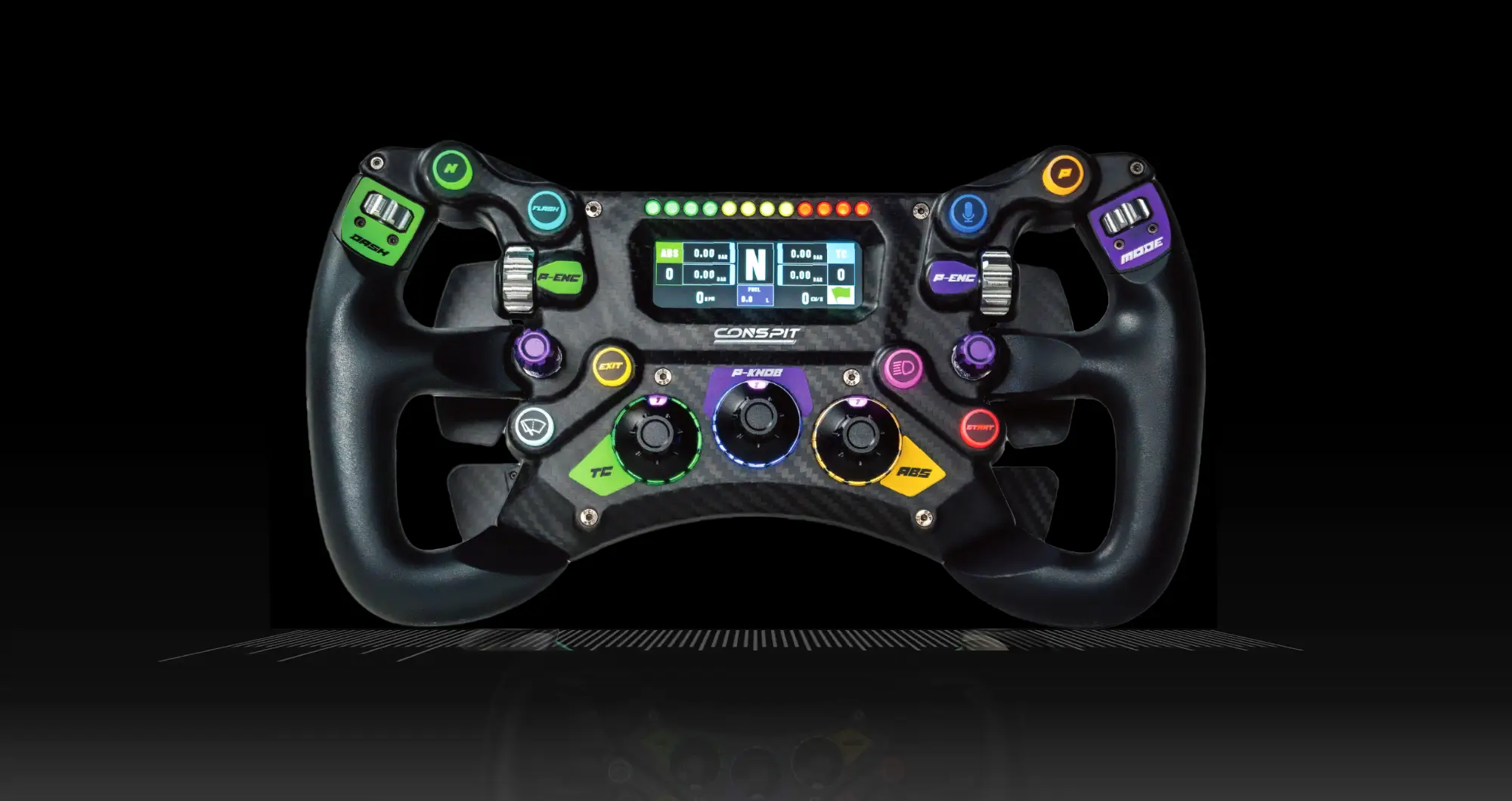
CONSPIT 300GT STEERING WHEEL
Best Value @ $399
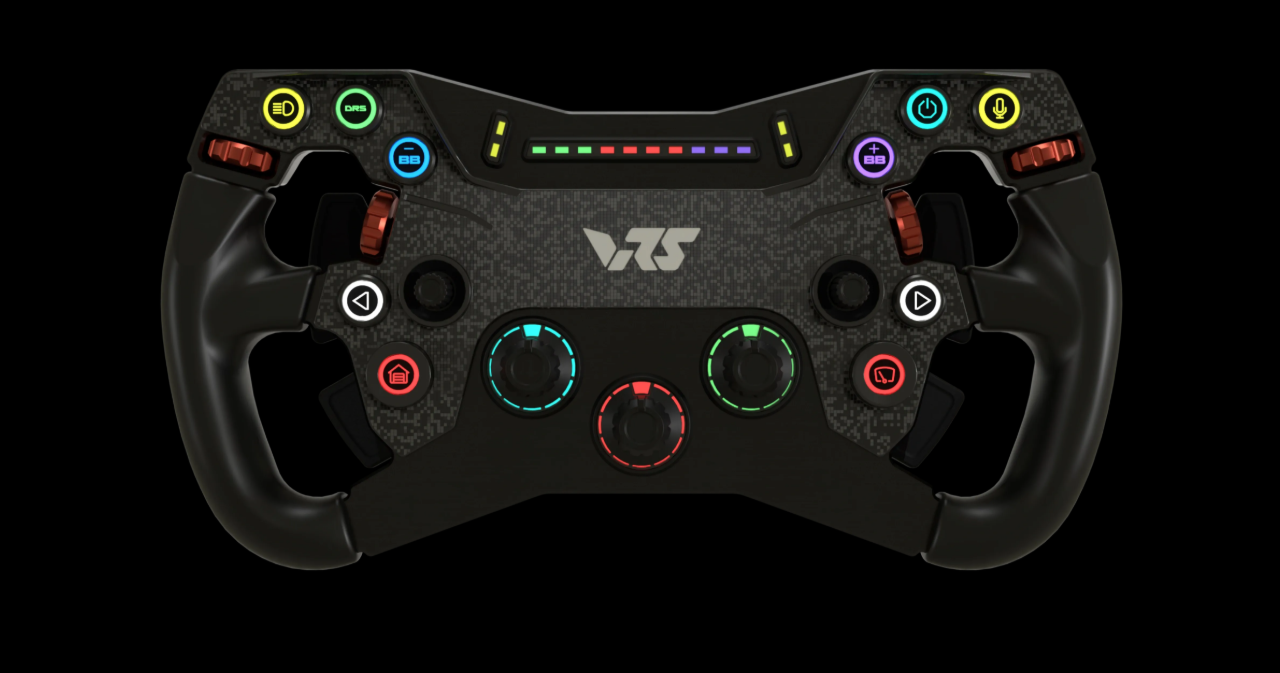
VRS R295 Steering Wheel
Best Value @ $349
MOZA FSR2 Formula Wheel
Best Value @ $649
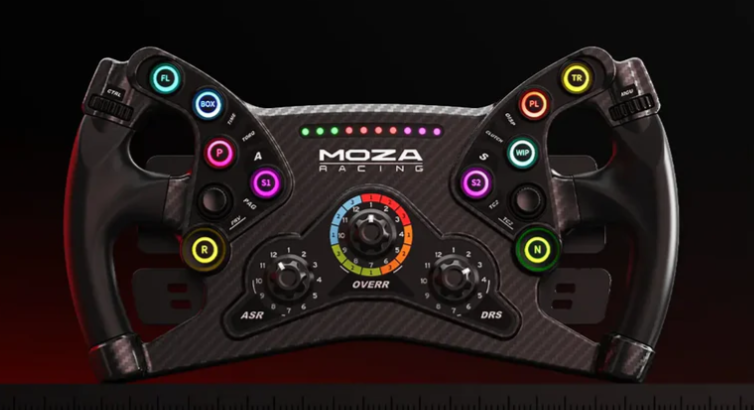
MOZA KS Steeering Wheel
Best Value @ $249
A full-motion simulator can stop traffic at a conference, turn a corporate party into a genuine competition, and give guests a story worth repeating. But before an event planner commits, the same full motion simulator questions come up: Does the motion feel realistic? Will it fit the venue? Can it carry our brand? And is it engaging for people who have never raced before?
Those are the right questions to ask. A premium simulator rental is not simply a screen, a steering wheel, and a racing game. It is a coached, high-energy experience that has to work for experienced drivers, first-time guests, your event schedule, and your marketing goals at the same time.
Full Motion Simulator Questions Event Planners Should Ask
What does “full motion” actually add to the experience?
Full motion means the racing cockpit moves in response to what is happening on track. Acceleration can press a driver back into the seat, braking creates forward load, curbs shake through the chassis, and corners introduce the body movement that a stationary rig cannot reproduce. The objective is not to toss a guest around. Quality motion is tuned to communicate what the virtual car is doing, making the driving experience more believable and more exciting.
That added physical feedback matters at events because it is visible. A guest in a motion rig looks engaged before they say a word, which naturally draws a crowd. It also gives spectators a clearer sense of the battle on screen. For a brand activation or busy trade show, that energy can be as valuable as the lap itself.
There is a trade-off. Motion should be precise and appropriate for a mixed audience, rather than aggressively configured for an experienced racer alone. Professional event operation means adjusting the experience to keep it thrilling, approachable, and comfortable across a full day of guests.
Is a full-motion racing simulator suitable for beginners?
Yes, provided the experience is staffed and configured properly. Most corporate-event guests are not sim racers. They may have driven a road car, watched Formula 1, or never used a performance steering wheel at all. They do not need a long technical briefing before having fun.
That is where trained racing coaches change the event. A coach gets each guest seated correctly, explains the key controls in plain language, provides useful cues on braking and cornering, and keeps the line moving. A few confident instructions can help a first-time driver put in a respectable lap instead of spending their session lost in menus or spinning at every corner.
The best format depends on the crowd. A short hot-lap challenge creates quick turnover for a convention floor. A timed leaderboard gives a competitive sales team something to chase throughout an evening. Head-to-head racing works especially well for team building, client entertainment, and parties where the room is already social. The equipment is pro-driver-grade, but the guest experience should never feel exclusive to experts.
What equipment should we expect at a premium event rental?
The difference between an entry-level gaming setup and a professional simulator is obvious once a guest takes the wheel. Premium rigs use rigid cockpits, high-fidelity force-feedback steering systems, responsive performance pedals, immersive displays, and motion platforms built to withstand repeated event use. Every component contributes to the feeling that the car has weight, grip, and consequence.
Equally important, the system must be dependable. An impressive equipment list means little if a simulator is offline during your busiest hour. Event-ready equipment should arrive prepared, be installed by experienced staff, and be monitored throughout the activation. A coach or technician can resolve small issues before they interrupt the guest experience.
Ask a prospective provider what is included beyond the hardware. Staffing, setup, calibration, on-site support, guest coaching, scheduling, and breakdown all affect the actual value of the rental. The strongest experiences are managed from arrival through the final checkered flag.
How much space and power does a simulator activation need?
Space requirements vary based on the simulator count, display format, queue area, branded elements, and venue access. A single cockpit may fit a focused hospitality area, while a multi-simulator competition needs enough room for drivers, spectators, coaches, and a visible leaderboard. The crowd around the rigs is part of the activation, not an inconvenience to plan around.
Ceiling height, elevator dimensions, door widths, load-in timing, floor capacity, and reliable electrical access all deserve attention before event day. A ballroom and a trade show floor present different logistical conditions. So do a downtown hotel with limited loading access and a large convention center with scheduled dock windows.
A professional provider should review the venue plan in advance and recommend an appropriate footprint. In markets including Nashville, Dallas, Orlando, Atlanta, Chicago, and Indianapolis, that advance coordination helps ensure the simulator is a feature of the event rather than a last-minute production problem.
Can the simulators be branded for a corporate event?
They can, and this is often where a simulator rental becomes a marketing asset instead of entertainment alone. Brand visibility can extend across the physical simulator, the virtual race car, and trackside billboards inside the racing environment. Guests see the brand while driving, spectators see it while watching, and photos capture it throughout the event.
The right approach depends on your objective. A product launch may center the brand on an eye-catching car livery. A conference sponsor may benefit from prominent cockpit graphics and virtual signage. A client event may call for more subtle co-branding that supports a premium atmosphere without overwhelming the experience.
Customization also creates better content opportunities. A branded leaderboard, recognizable car, and visible simulator graphics give event teams a cohesive visual package for attendee photos and social posts. It is not guaranteed that every guest will share content, but an experience that looks distinctive is far more likely to be photographed than a generic activity in the corner.
How do you measure whether the activation worked?
The answer depends on why you are bringing simulators to the event. For team building, participation and friendly competition may matter most. For a trade show, you may care about qualified conversations, dwell time, scans, or appointments created around the attraction. For a client party, the measure may be the quality of interaction and the feeling guests carry away.
Set the goal before selecting the format. If lead capture matters, integrate registration or a simple data-collection process without slowing the line. If brand awareness is the priority, prioritize visible customization and a layout that faces foot traffic. If morale is the aim, build in leaderboard updates, finals rounds, or a winner presentation so people have a reason to return and cheer for colleagues.
Avoid judging success only by the number of laps completed. A simulator can create value through repeat visits, spectator engagement, sales conversations, and memorable brand association. Those outcomes are harder to reduce to one number, but they are often the reason a high-impact experience earns its place in the event plan.
Additional Questions About Full Motion Simulator Rentals
Are full-motion simulators a good fit for a short event window?
They can be, but format discipline matters. If guests only have a few minutes, short coached sessions and a clear rotation system are more effective than a lengthy race weekend format. The goal is to give each driver a real moment behind the wheel while keeping spectators interested and the queue moving.
Will motion make guests uncomfortable?
Most guests enjoy the added sensation, especially when motion settings are professionally managed. Comfort varies by individual, so a trained coach should be attentive and ready to adjust guidance or offer a less intense session. Clear entry and exit support also matters for guests in formal attire, varied footwear, or limited mobility.
Should we rent one simulator or several?
One simulator creates a premium focal point and works well when space is limited. Multiple rigs increase capacity and make direct competition possible. The right choice depends on attendance, time available, venue footprint, and whether the activation is meant to entertain a select group or engage a high volume of guests.
A great simulator event does more than place people in a virtual car. It gives them a coached chance to compete, laugh, improve, and connect around an experience that feels far bigger than a screen. Book your event today with a plan built around your audience, your brand, and the moment you want them to remember.
SHARE THIS STORY ANYWHERE YOU LIKE
SHARE THIS STORY ANYWHERE
fusion_global=”97″]
