

Corporate Racing Simulator Activation Example
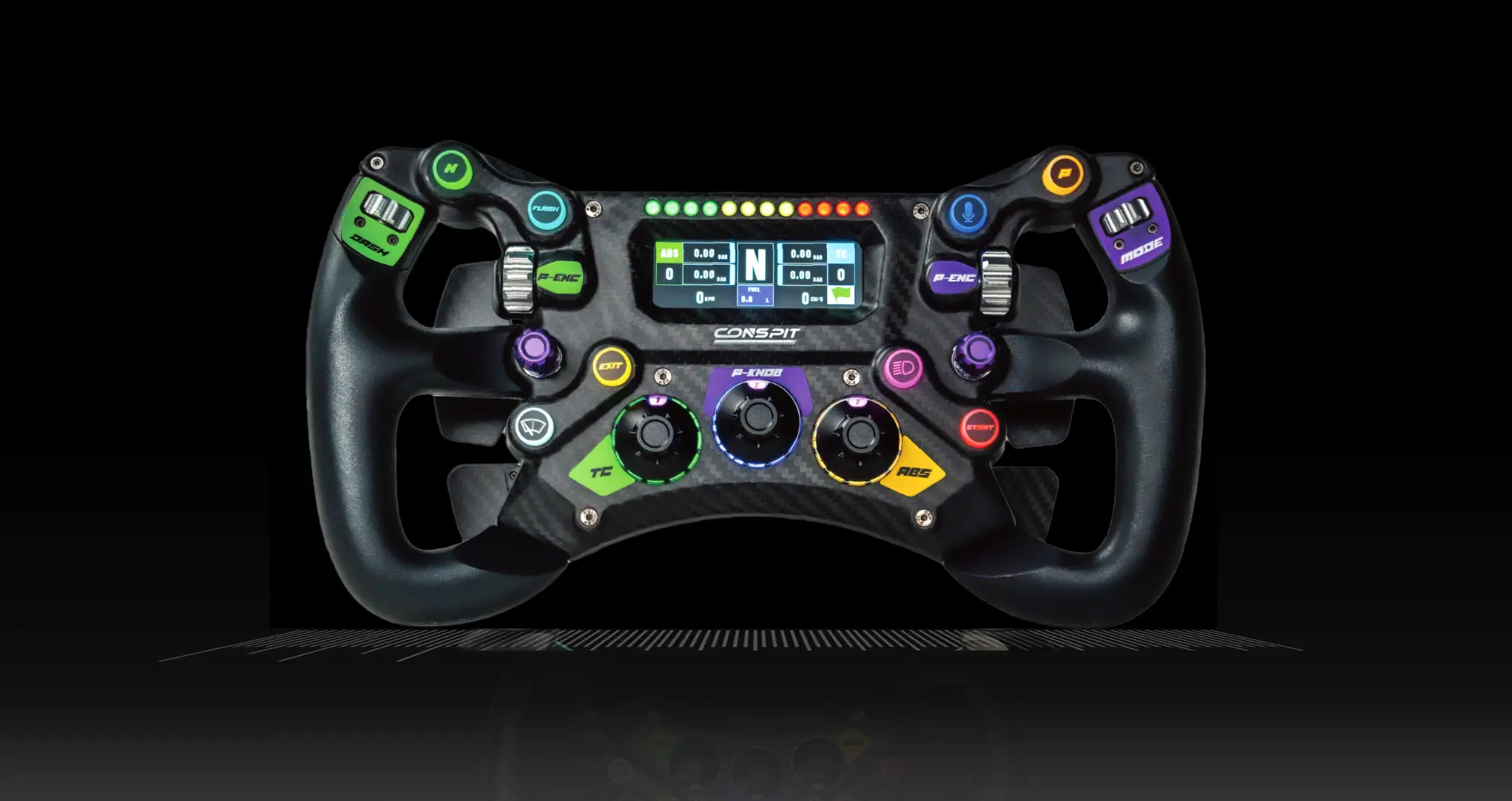
CONSPIT 300GT STEERING WHEEL
Best Value @ $399
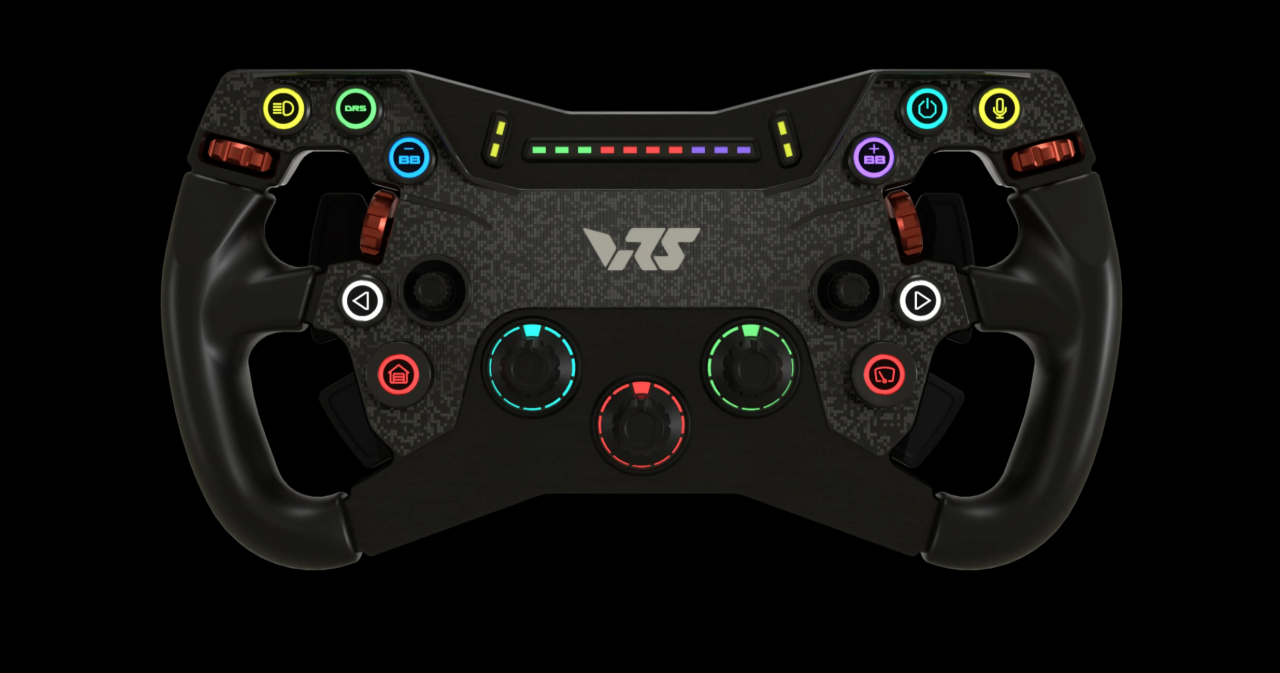
VRS R295 Steering Wheel
Best Value @ $349
MOZA FSR2 Formula Wheel
Best Value @ $649
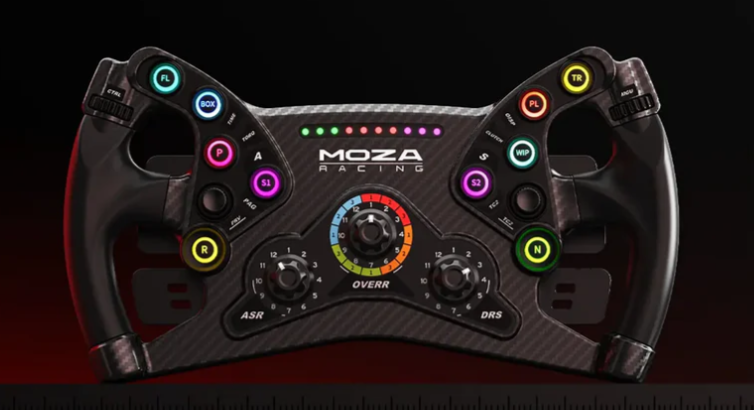
MOZA KS Steeering Wheel
Best Value @ $249
Picture a trade show floor where most booths are asking for attention and one booth is earning it. A strong corporate racing simulator activation example does exactly that. It turns passive foot traffic into active participation, gives sponsors a branded environment people actually remember, and creates a live experience that feels premium instead of gimmicky.
For corporate event planners and marketing teams, that difference matters. Renting simulators is easy. Designing an activation that supports lead generation, brand visibility, guest flow, and real excitement is where the work gets serious. The best activations are built like race programs – every detail has a job.
What a strong corporate racing simulator activation example looks like
Take a common scenario: a technology company exhibiting at a large industry conference wants a booth that pulls in decision-makers without feeling like a carnival game. Instead of a generic giveaway station, the brand installs two full-motion racing simulators with pro-driver-grade hardware, trained racing coaches, and a custom in-sim environment that mirrors the company’s visual identity.
The rigs carry the company’s branding on the bodywork and surrounding displays. Inside the simulation, the cars wear the same logos and color palette. Trackside billboards repeat key campaign messaging. A leaderboard screen rotates the fastest laps, while staff collect participant details for prize drawings, post-race photos, or follow-up conversations.
This kind of setup works because it gives people a reason to stop, a reason to stay, and a reason to talk. Guests are not just seeing a logo. They are driving inside a branded experience with a coach helping them improve lap after lap. That level of involvement changes how long people engage and how clearly they remember the brand afterward.
Why this activation format performs better than standard booth entertainment
A racing simulator is not automatically a good activation. It becomes a good activation when the experience is structured around business goals.
If the goal is traffic, simulators create a visible focal point. Motion rigs draw attention from across the room, especially when spectators can watch live laps and leaderboard shifts. If the goal is deeper conversation, the waiting area and post-session recap naturally create openings for sales teams to engage guests while interest is high.
If the goal is premium brand positioning, equipment quality matters. There is a big difference between consumer-grade entertainment and pro-driver-grade systems that feel credible, stable, and polished in a corporate environment. Attendees can tell. So can clients.
There are trade-offs, though. A racing activation takes more planning than a photo booth or prize wheel. It needs power planning, footprint management, staffing, and a clear guest-flow strategy. The upside is that when it is done well, it does more than fill space. It becomes the reason people remember the booth.
The anatomy of a high-performing racing simulator activation
The most effective activations usually balance four things at once: visual draw, guest throughput, coaching support, and branded integration.
Visual draw starts before anyone sits down. Full-motion platforms, racing seats, display screens, and clean event staging create the first impression. This is where event organizers often underestimate the value of professional presentation. The simulator has to look like part of the brand experience, not like a gaming setup dropped into a corner.
Guest throughput is where many activations either succeed or stall. A two-minute lap challenge sounds simple, but actual booth flow includes onboarding, seat adjustment, instructions, the drive session, and exit. That is why trained coaches matter. They keep the line moving, help each guest get comfortable quickly, and make sure the experience feels smooth without feeling rushed.
Branded integration is the piece that turns entertainment into marketing. When branding appears on the simulator exterior, in the digital car livery, and on virtual track billboards, the exposure becomes immersive. Guests see the brand while driving, spectators see the brand while watching, and event photography captures the brand in every angle.
A realistic corporate racing simulator activation example at a conference
Imagine a financial services company hosting a client appreciation area during a conference in Orlando. The audience includes current customers, prospects, and internal stakeholders. The event team wants an attraction that feels elevated, competitive, and polished enough for executive attendance.
The activation uses three branded simulators positioned around a central leaderboard display. Each guest runs a timed hot lap on the same track and car setup, keeping the competition fair and easy to understand. Coaches greet participants, explain the challenge, and make quick adjustments for comfort and confidence.
Throughout the day, the company’s brand appears everywhere it should. The simulator shells match campaign colors. The in-sim race car carries corporate graphics. Virtual billboards around the circuit reinforce messaging. Staff can invite VIPs to private head-to-head sessions or reserve time blocks for key accounts.
From an event strategy standpoint, this setup does several jobs at once. It creates a premium entertainment zone, gives the sales team a reason to invite clients back to the booth, and produces natural moments for photos, social clips, and conversation. More importantly, it keeps the experience aligned with the brand rather than distracting from it.
That is the difference between a memorable activation and a novelty rental.
Where a corporate racing simulator activation example makes the most sense
This format works especially well at trade shows, sales meetings, client hospitality events, product launches, and team-building programs. It is strongest when a company wants guests to interact rather than simply observe.
At a conference booth, the value is foot traffic and dwell time. At a client event, the value is shared experience and hospitality. At an internal team event, the value shifts toward competition, camaraderie, and a break from standard programming. The hardware may be similar in each case, but the design choices should change based on the audience.
For example, a trade show activation might prioritize shorter sessions and strong branding visibility. A leadership retreat might focus on coaching, mini-tournaments, and conversation. A product launch might tie the race format to campaign themes, brand positioning, or a prize structure tied to attendance goals.
What event planners should watch before booking
The easiest mistake is judging the activation only by the simulator itself. The real question is whether the provider can deliver the full experience around it.
That includes trained staff who know how to coach first-time drivers, not just set up equipment. It includes reliable pro-level hardware that can handle heavy guest turnover. It includes branding capability beyond a banner in the background. It also includes practical event execution – load-in, footprint planning, power needs, cable management, and support during the event.
Another factor is audience confidence. Not every attendee walks up feeling ready to race. Good coaches remove that hesitation quickly. They help guests feel capable, keep the energy up, and make the experience fun for both competitive drivers and complete beginners. That coaching layer often determines whether the activation feels exclusive in a good way or intimidating in a bad way.
Why customization changes the ROI
Customization is where racing simulator activations start earning more than applause. A generic sim setup may entertain, but a branded experience extends campaign value.
When your logo appears on the simulators, on the digital race cars, and across the virtual track environment, every lap reinforces brand presence. Every spectator sees the same message. Every event photo carries the identity forward. This matters because corporate events are crowded with forgettable impressions. Branded immersion is harder to ignore and easier to recall later.
For brands that care about premium presentation, this also protects perception. High-end equipment paired with thoughtful visual integration signals competence. It tells guests the company invested in quality, not just distraction.
The business case behind the excitement
A racing simulator activation works because it compresses several event goals into one footprint. It attracts attention, extends engagement time, gives staff a conversation starter, and supports sponsorship visibility without feeling forced.
It is not the lowest-cost event option, and it should not be treated like one. But for planners who need a high-impact attraction with measurable audience interaction, the value is easy to justify. The right setup can pull people in from across the room, keep them engaged long enough for meaningful brand contact, and leave them with a story they are still telling after the event ends.
At Sim Racing Warehouse, that is the standard we build toward – full-motion experiences with trained racing coaches, pro-driver-grade equipment, and custom branding that puts your company at the center of the action. When the activation is designed with purpose, guests do not just stop by. They line up, compete, share the moment, and remember who brought them there.
The best event ideas are not always the loudest ones. They are the ones that give people something worth talking about after the lights go down, and a well-built racing simulator activation does exactly that.
SHARE THIS STORY ANYWHERE YOU LIKE
SHARE THIS STORY ANYWHERE
fusion_global=”97″]
