

Choose the Right Direct Drive Wheel Bundle
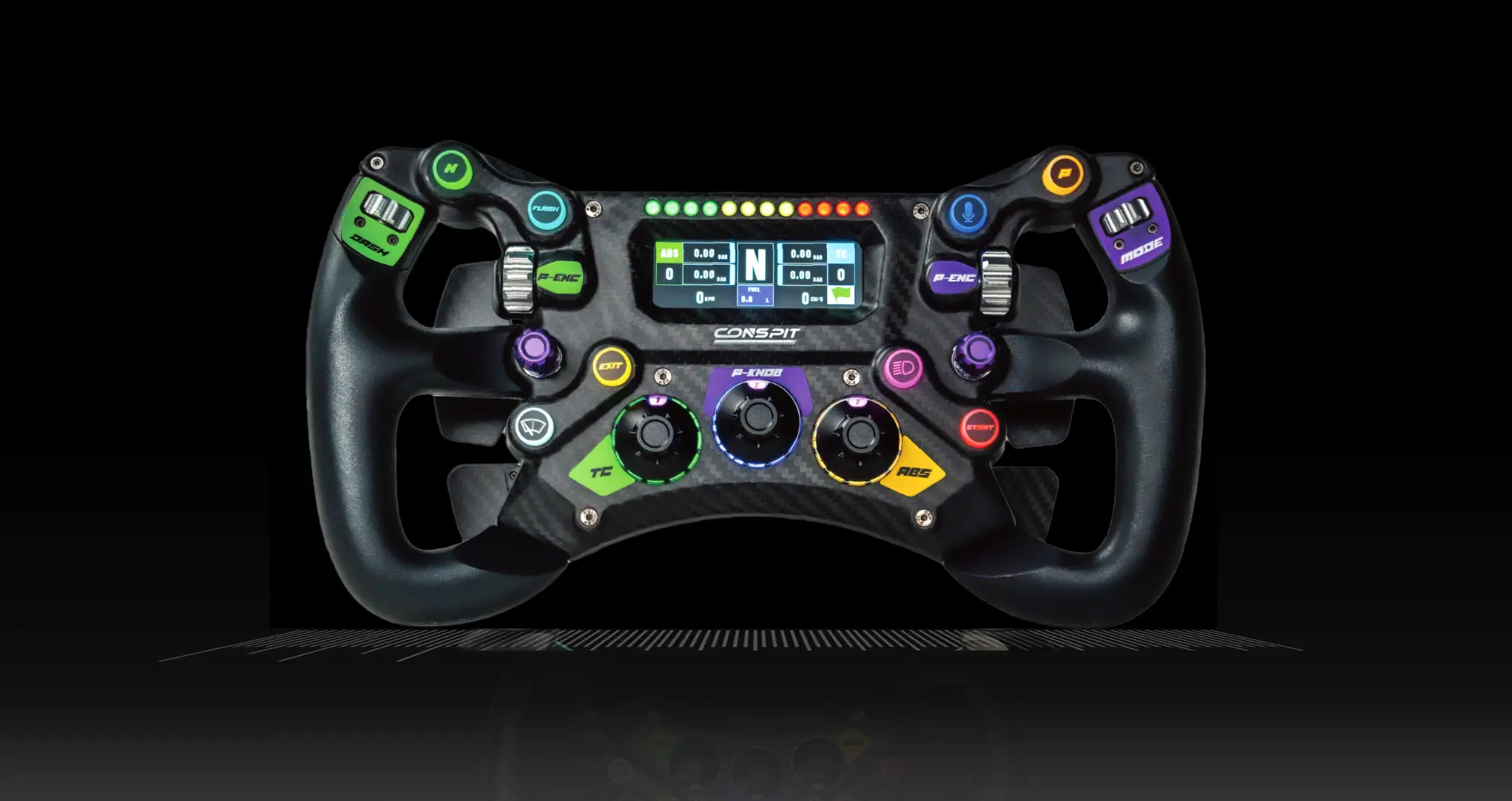
CONSPIT 300GT STEERING WHEEL
Best Value @ $399
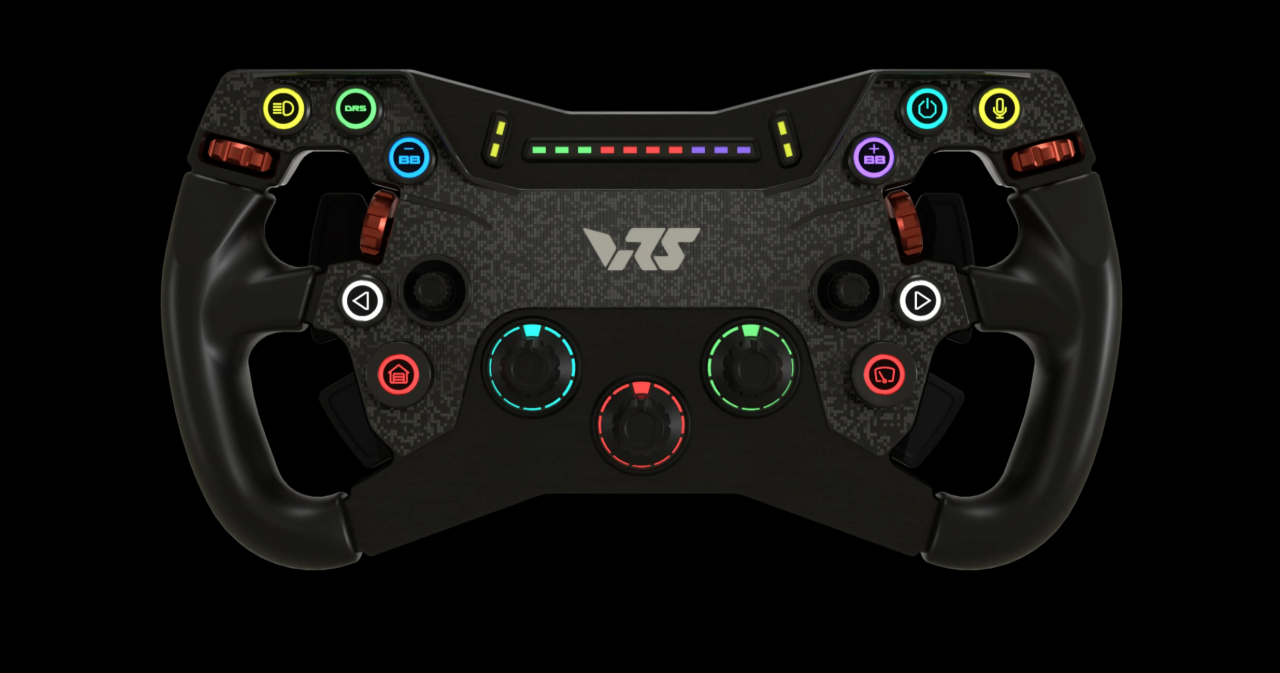
VRS R295 Steering Wheel
Best Value @ $349
MOZA FSR2 Formula Wheel
Best Value @ $649
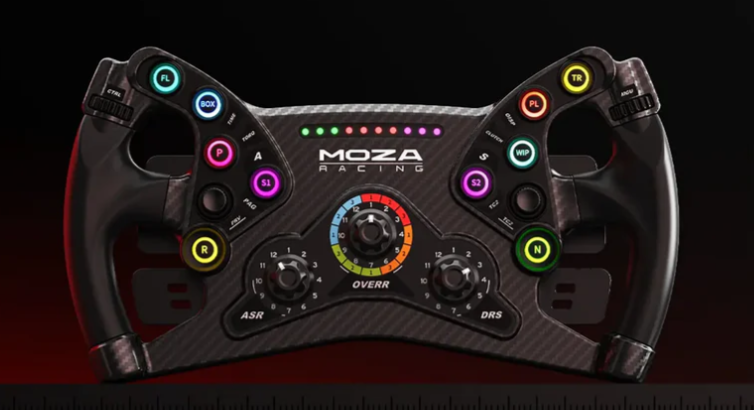
MOZA KS Steeering Wheel
Best Value @ $249
The difference between a simulator that feels like a game and one that commands a driver’s full attention often starts at the wheel base. A direct drive wheel bundle puts the motor, steering wheel, controls, and often the pedals into one considered package, removing the guesswork that comes with buying disconnected components. For serious home racers, that means a cleaner route to a capable rig. For event teams and corporate activations, it means a more credible, repeatable experience for every guest who takes the seat.
Direct drive is not simply about having more force. It is about detail: the weight building through a high-speed corner, the front tires beginning to slide, or the quick correction needed when the rear end steps out. The right bundle turns those signals into useful feedback without asking the buyer to sort through a maze of adapters, mounting standards, and mismatched performance levels.
What Makes a Direct Drive Wheel Bundle Different
Traditional gear-driven or belt-driven wheel bases use mechanical systems between the motor and steering shaft. Those designs can still be enjoyable, particularly for casual driving, but they filter or soften part of the force-feedback signal. A direct drive base connects the motor directly to the wheel shaft. The result is faster response, greater precision, and a more convincing sense of what the virtual car is doing at the tires.
That precision matters long before a driver reaches a professional level. A newcomer may not describe the difference as increased fidelity, but they will recognize that the steering feels connected, stable, and believable. An experienced racer will notice finer road texture, more confidence under braking, and clearer warnings before traction disappears.
A bundle is valuable because direct drive hardware performs best as part of a system. A powerful wheel base attached to a light desk, a generic mount, or pedals that slide across the floor will not deliver the experience the motor is capable of producing. The strongest bundles pair compatible hardware with a realistic view of the rig that will support it.
The Parts That Deserve Equal Attention
The wheel base gets most of the attention, and understandably so. Torque output determines the available steering force and the amount of detail the base can reproduce without clipping. Yet maximum torque is only one part of the decision. Signal quality, adjustment range, cooling, software support, and the strength of the quick-release system all affect day-to-day use.
For many dedicated racers, a mid-to-high-torque direct drive base offers the best balance. It has enough headroom to preserve detail during heavy cornering forces, while still allowing the driver to set a comfortable output level for longer sessions. More power can be worthwhile, especially for drivers seeking a demanding GT, prototype, or formula-car experience, but it also requires a properly rigid cockpit and careful setup. Excessive force is not automatically more realistic, and it can become tiring for guests at an event.
The steering wheel itself should suit the cars being driven. A round wheel is versatile for rally, drifting, road cars, and many GT applications. A formula-style rim provides a compact, focused interface for open-wheel and prototype racing. Button placement, paddle quality, screen integration, and wheel diameter all shape the experience. A bundle with a wheel that does not fit the primary discipline is not a complete solution, even if the base is exceptional.
Pedals deserve the same level of scrutiny. A load-cell or hydraulic-style brake solution measures pressure rather than just travel, helping drivers build repeatable braking muscle memory. That matters when chasing lap time, but it also gives first-time guests a more natural pedal feel than a soft, travel-only brake. Adjustable pedal faces, spacing, and resistance make a bundle easier to fit to different drivers.
Finally, consider the hardware that keeps everything still. Direct drive bases demand a solid mount, and a rigid aluminum-profile or purpose-built racing cockpit gives the wheel and pedals a stable foundation. Flex in the deck or pedal tray can dilute feedback, create noise, and make braking inconsistent. This is one area where a lower-cost compromise can undermine premium hardware.
Choosing a Direct Drive Wheel Bundle for the Driver
The best direct drive wheel bundle depends on the driver’s goals, available space, and existing equipment. A buyer moving from a beginner wheel should prioritize compatibility and rigidity over chasing the highest published torque number. A well-matched wheel base, quality pedals, and secure cockpit will feel dramatically more capable than an overpowered base attached to an unstable frame.
Competitive racers should look for adjustment depth and durability. Fine control over force feedback, reliable quick-release hardware, and pedals with meaningful resistance adjustments allow the setup to grow with the driver. It is also smart to consider the racing disciplines that will actually fill most sessions. A driver splitting time between GT racing, endurance events, and formula cars may benefit from a system with interchangeable wheel options rather than trying to make one rim serve every role.
Space changes the equation. A permanent sim room can support a full cockpit, large display or triple-screen arrangement, and a more substantial wheel base. An apartment setup may require a compact frame, foldaway solution, or carefully selected fixed mount. Direct drive is still possible in a smaller footprint, but the mounting plan should be decided before the bundle is purchased.
Budget should account for the complete driving position, not only the wheel base. A bundle may appear less expensive until the buyer adds a proper mount, seat, pedal plate, display solution, and accessories. Planning the total system upfront prevents the common outcome of upgrading one weak component after another.
When the Bundle Is Built for an Event Floor
A corporate event simulator has different demands than a personal rig. It must perform consistently through hundreds of handoffs, accommodate drivers of different heights and experience levels, and look credible in front of clients, trade show attendees, or employees. Direct drive feedback can make the experience immediately more memorable, but it must be tuned for accessibility as well as realism.
For a live event, the preferred setting is not necessarily the strongest one. The goal is controlled, confidence-building feedback that gives a first-time driver the sensation of a real car without making the steering intimidating. Professional trained racing coaches can then help each guest understand braking points, steering inputs, and the quickest way to find the fun. That guidance turns a queue of spectators into an active, competitive experience.
Presentation matters, too. A premium direct drive wheel bundle belongs in a complete simulator environment with a stable racing seat, polished display setup, and reliable controls. For brand activations, custom graphics on the simulator, in-sim race cars, and trackside billboards make the racing action work harder for the sponsor. The equipment provides the performance foundation; the custom experience gives it marketing value.
This is why event planners often benefit from a professionally configured simulator rental rather than treating race hardware as a collection of parts. Setup, calibration, driver coaching, on-site flow, and visual branding all affect the outcome. In markets such as Nashville, Dallas, Orlando, Atlanta, and Chicago, a full-motion racing simulator can also add the physical sensation of acceleration, braking, and cornering to the direct drive steering response.
Avoiding the Mismatched Bundle Problem
The most expensive item in a bundle should not dictate every other purchase. A strong system has balanced capabilities. The cockpit should tolerate the base’s torque. The pedal set should offer enough control to match the fidelity at the wheel. The wheel rim should fit the driving style. The display, computer, and seating position should let the driver use the hardware comfortably.
Compatibility is equally practical. Check that the wheel, base, pedals, mounting hardware, and console or PC platform are intended to work together. Some combinations require additional adapters or separate control connections. Those details are manageable, but they should be confirmed before the equipment arrives, especially when a setup needs to be ready for a scheduled event.
Support also has value. A direct drive system has settings worth refining, from steering force and damping to pedal resistance and seating position. Sim Racing Warehouse helps buyers think through the full configuration, whether the goal is a personal competition rig or a polished racing experience that guests will remember.
The right bundle should make the first lap feel purposeful, not complicated. Build around the cars, drivers, and environment you want to serve, then choose hardware with enough quality and headroom to keep that feeling intact long after the novelty of force feedback wears off.
SHARE THIS STORY ANYWHERE YOU LIKE
SHARE THIS STORY ANYWHERE
fusion_global=”97″]
