

Mobile Racing Simulator for Events That Delivers
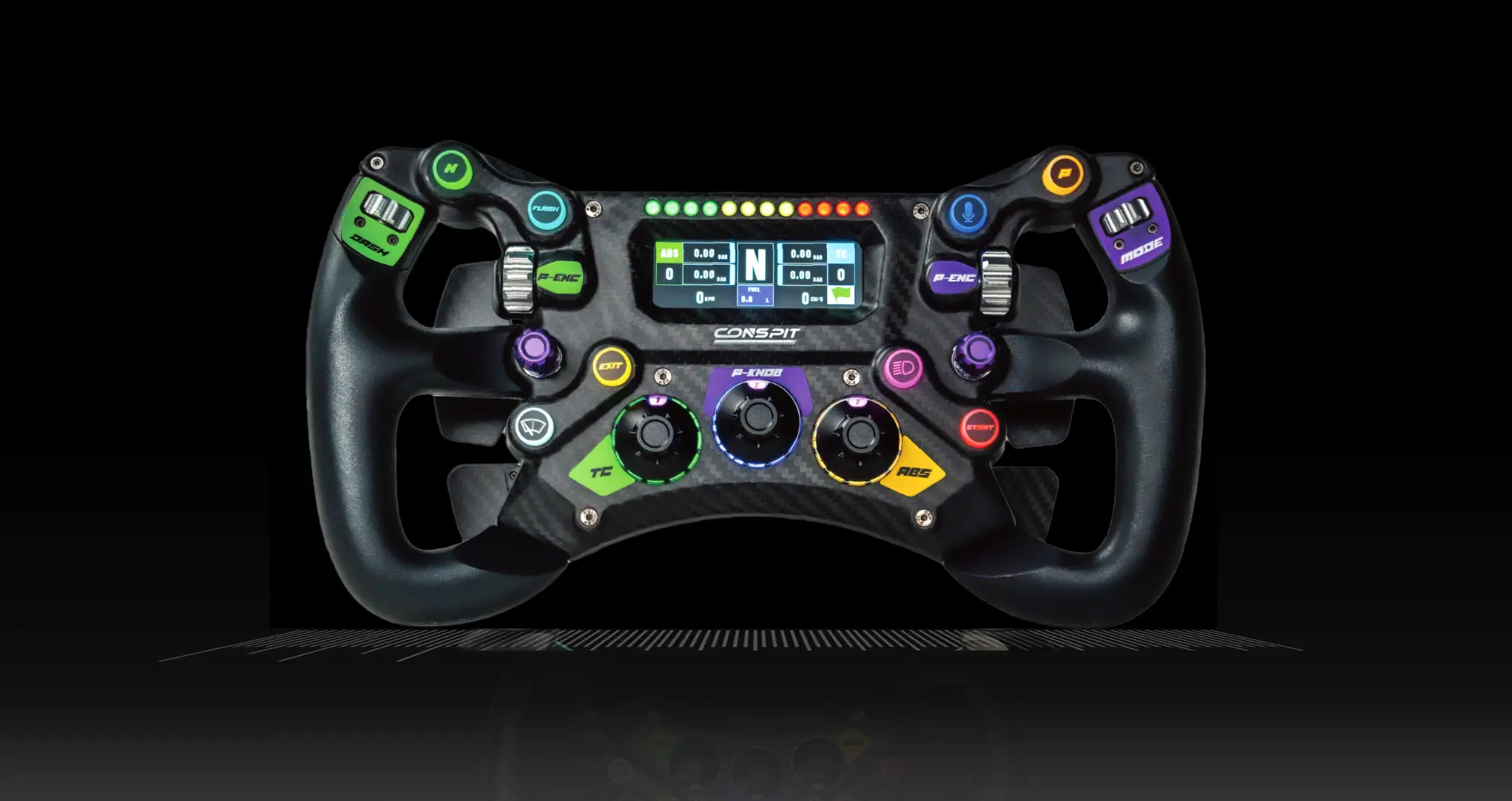
CONSPIT 300GT STEERING WHEEL
Best Value @ $399
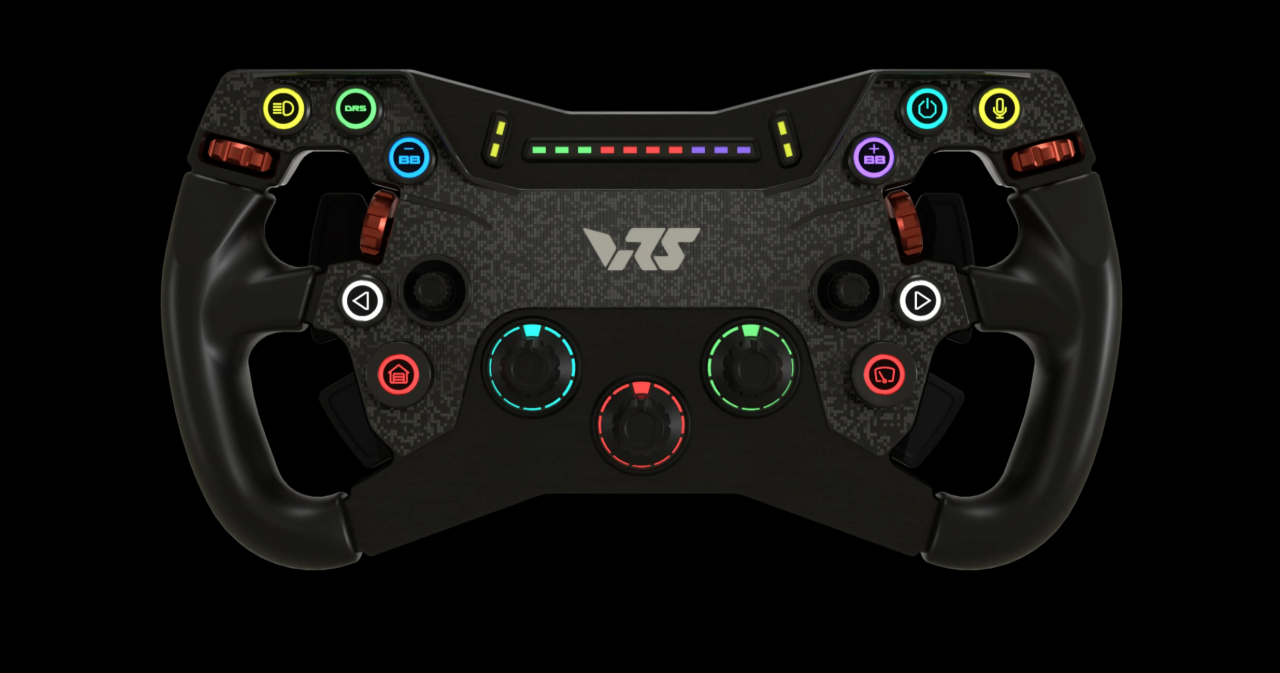
VRS R295 Steering Wheel
Best Value @ $349
MOZA FSR2 Formula Wheel
Best Value @ $649
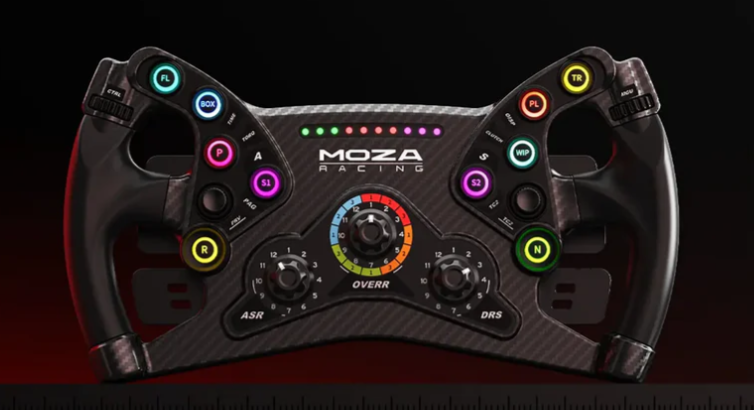
MOZA KS Steeering Wheel
Best Value @ $249
A crowded expo hall tells you very quickly what attracts people and what gets ignored. Branded backdrops blend into the noise. Standard games pull a few casual looks. A mobile racing simulator for events changes the pace of the room because it creates motion, competition, and a visible line of people waiting for their turn.
For corporate planners, marketers, and conference organizers, that difference matters. You are not just filling floor space. You are trying to hold attention, create a strong brand impression, and give guests something worth talking about after the event ends. When the simulator setup is done right, it works as entertainment, lead generation, and team engagement at the same time.
Why a mobile racing simulator for events stands out
Most event entertainment is passive. Guests watch it, sample it, or pass by it. Sim racing is active by design. People drive, react, compete, and immediately want another lap because there is a score to beat and a result to improve.
That competitive loop is a big reason racing simulators perform so well in corporate settings. At a trade show, it gives attendees a reason to stop and stay longer at your booth. At a client event, it gives people a shared experience that does not feel forced. At a team-building session, it creates natural conversation because guests compare lap times, celebrate close finishes, and coach each other through the course.
The mobile format matters just as much as the simulator itself. Bringing a professional-grade setup directly to a ballroom, convention center, office, or activation space removes the friction of sending guests somewhere else. The experience shows up where your audience already is, which makes participation easier and turnout stronger.
What separates a premium simulator rental from a novelty setup
Not every racing simulator belongs at a corporate event. There is a major difference between a consumer-grade gaming station and a pro-driver-grade event installation. That difference shows up in guest confidence, line length, reliability, and overall brand perception.
A premium event simulator should feel serious the second a guest sits down. Strong force feedback, stable seating, accurate pedals, responsive displays, and realistic car behavior all shape the experience. If the rig feels flimsy or the software feels arcade-like in the wrong setting, guests notice. For a high-value brand activation, that mismatch can cheapen the impression you are trying to create.
Full-motion systems add another layer when the venue and event goals support it. Motion can amplify immersion and make the simulator more visually magnetic from across the room. That said, motion is not always the automatic answer. If your footprint is tight or your event needs fast driver turnover, a well-built static pro setup may move more participants through the experience while still delivering strong impact. It depends on whether your priority is spectacle, throughput, or a balance of both.
Coaching is another separator that often gets overlooked. Professional trained racing coaches change the guest experience from simple gameplay into guided competition. New drivers feel more comfortable. Experienced guests push harder. And the event runs cleaner because someone is managing flow, explaining the format, and keeping energy high.
The best event types for sim racing
A racing simulator is flexible, but it performs best when the experience matches the room. At trade shows and conventions, it works because it creates a visible attraction and gives your team a natural conversation starter. Instead of opening with a sales pitch, your staff can start with lap times, challenge rounds, or leaderboard placement.
At corporate parties, the simulator adds energy without requiring guests to be racing fans first. The appeal is broader than many planners expect. People understand competition immediately, and even spectators get pulled in because they can watch the action unfold in real time.
For team-building events, the format can be tailored to fit the company culture. Some groups want head-to-head competition. Others respond better to relay formats, timed challenges, or coached sessions where the emphasis is on improvement rather than pure speed. The flexibility is a strength, but it only works if the provider knows how to match the structure to the audience.
Client entertainment is another strong fit, especially when you need a premium hospitality element that feels more memorable than standard lounge activities. A polished simulator installation with branded visuals and guided coaching feels elevated. It gives guests a story to take with them, which is often what event budgets are really buying.
Branding opportunities most planners miss
The strongest event activations do more than entertain. They make the brand part of the experience itself. That is where a racing simulator can outperform other attractions.
A premium provider can showcase your branding directly on the simulators, inside the in-sim race cars, and on virtual track billboards. That changes the guest experience from using a generic attraction to participating inside your branded environment. It is a more immersive form of visibility, and it tends to produce better photos, better social sharing, and better recall.
This matters for sponsors too. If multiple stakeholders need visibility, the simulator becomes more than entertainment. It becomes branded event media. The trade-off is that customization requires planning. If you want custom assets that look polished rather than rushed, the event team needs enough lead time to build them properly.
Logistics can make or break the experience
From the outside, sim racing looks simple. Bring in the rigs, power them on, and start racing. In practice, event execution is where good providers separate themselves.
Venue access, load-in windows, power requirements, internet considerations, space planning, crowd flow, and staffing all affect performance on event day. A great simulator setup that is squeezed into the wrong footprint or installed without regard for audience movement can lose much of its value.
This is especially true at conferences and trade shows where every square foot matters. A mobile racing simulator for events should be planned around visibility and throughput. You want enough presence to draw attention, but not so much complexity that the setup slows the pace of your booth or overwhelms nearby conversations.
Reliability is another non-negotiable. Corporate events do not forgive downtime. Hardware has to be professionally maintained, calibrated, and supported on-site by people who understand both the equipment and the audience. If a guest sits down and waits while someone troubleshoots basic issues, the energy disappears fast.
That is one reason experienced event operators matter more than flashy specs on paper. Premium equipment is essential, but execution is what guests remember.
What corporate planners should look for in a provider
The best provider is not just renting gear. They are managing an experience. That means the conversation should go beyond how many simulators are available or whether motion is included.
A serious partner should be able to discuss event goals clearly. Are you trying to generate booth traffic, reward clients, create team-building moments, or support a sponsor activation? The right setup for each of those goals may look different.
They should also be able to explain guest management. How are races structured? How are wait times handled? Can beginners participate without feeling intimidated? Is there coaching on-site? Those questions matter because the value of sim racing is not in the hardware alone. It is in how effectively people move through the experience and leave feeling engaged.
Customization is another sign of a strong partner. If your event needs branded cars, branded billboards, or a format tailored to executives, prospects, or mixed-ability teams, the provider should be ready to build around that. Sim Racing Warehouse has built its reputation around that kind of premium customization, backed by trained racing coaches and professional-grade event equipment that feels worthy of a serious brand.
Is it worth the investment?
For the right event, yes, especially when the goal is measurable engagement rather than background entertainment. Sim racing earns attention in a way many rentals do not. People stay longer, interact more deeply, and create more visible excitement around the activation.
That said, it is not the right fit for every audience. If your event needs silent, low-profile entertainment in a tightly controlled networking space, a racing simulator may be too high-energy. If your guest list is very small and highly formal, the budget may be better spent on a different hospitality feature. But when you need impact, competition, and memorable brand interaction, it is hard to match.
The real question is not whether guests will enjoy it. They usually will. The better question is whether the provider can shape the simulator into a polished event asset instead of just dropping off equipment. That is where the best results come from.
A great event does not just give people something to do. It gives them something to talk about on the ride home, in the follow-up meeting, and long after the booth comes down. Book your event today if you want the kind of attraction people line up for before they even know what prize is on the line.
SHARE THIS STORY ANYWHERE YOU LIKE
SHARE THIS STORY ANYWHERE
fusion_global=”97″]
