

IndyCar Racing Simulators Draw Crowds in Kansas City
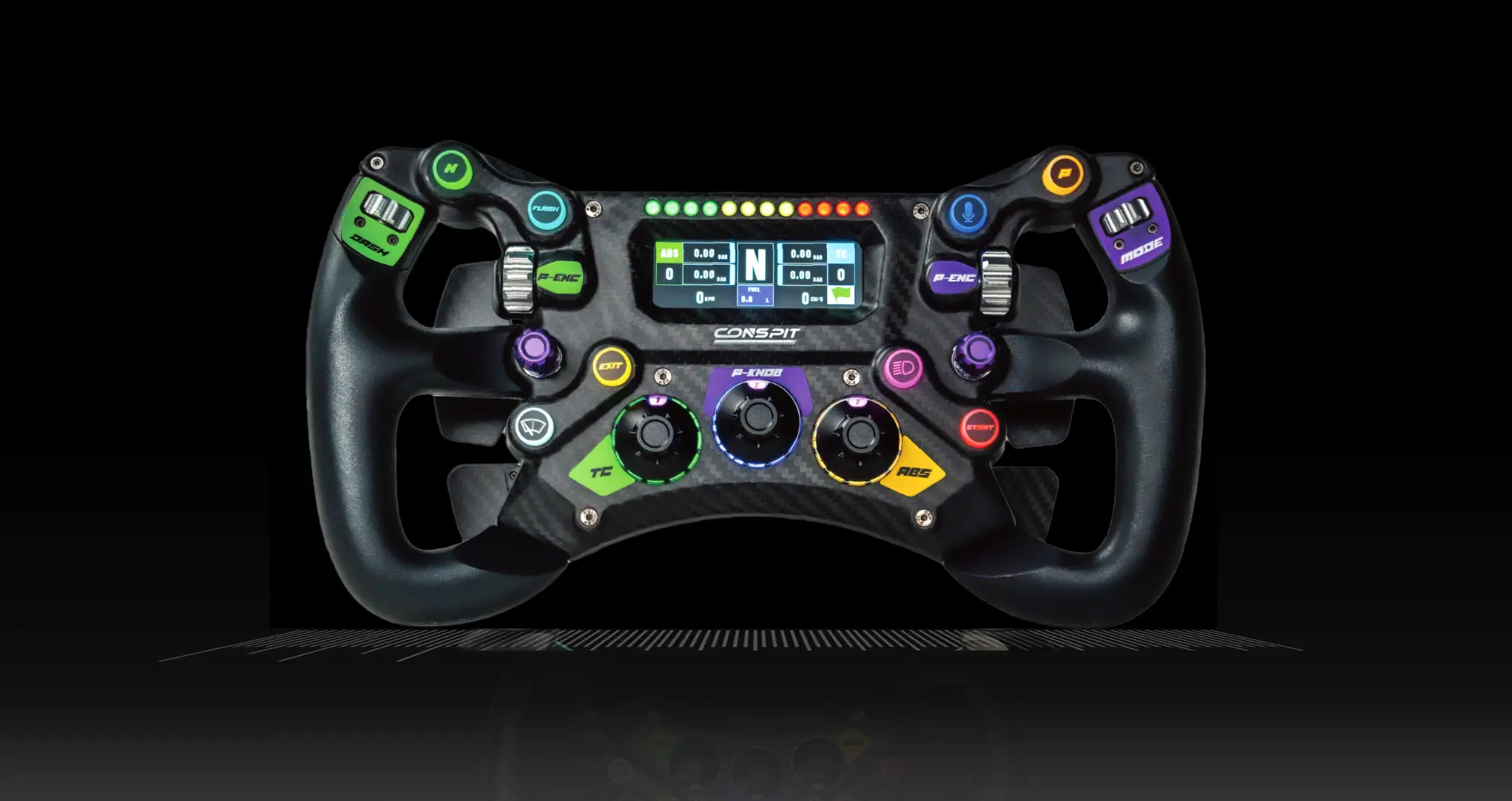
CONSPIT 300GT STEERING WHEEL
Best Value @ $399
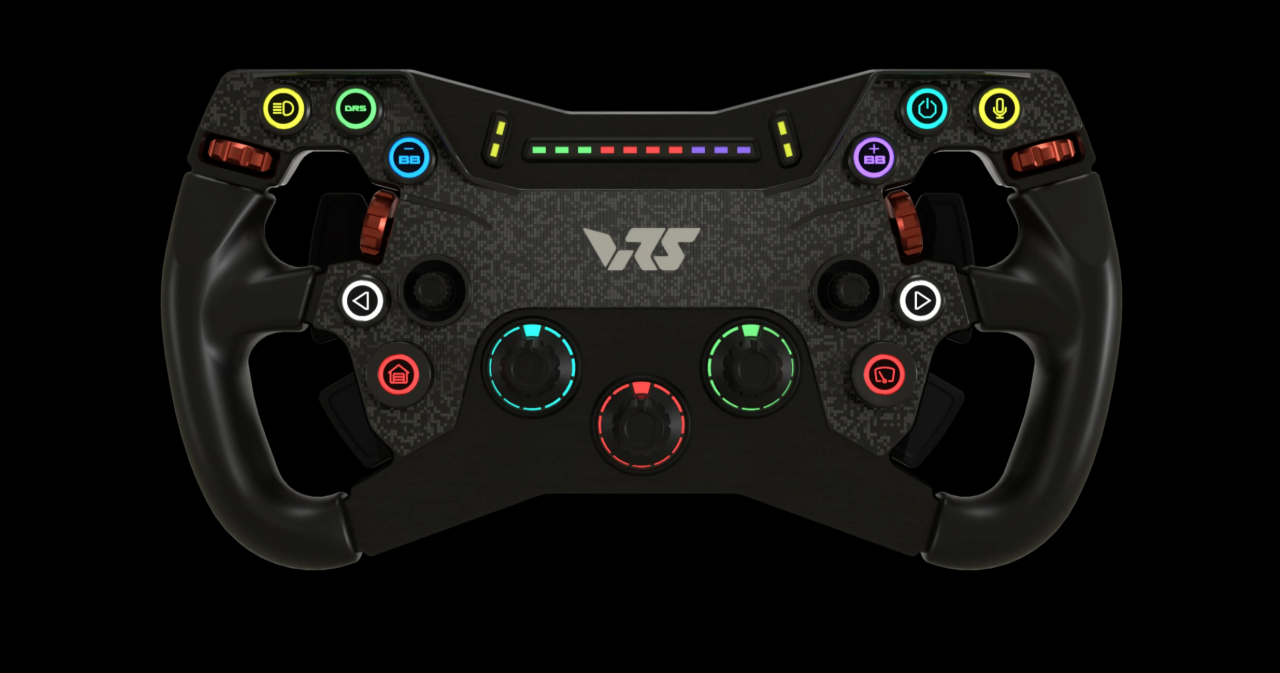
VRS R295 Steering Wheel
Best Value @ $349
MOZA FSR2 Formula Wheel
Best Value @ $649
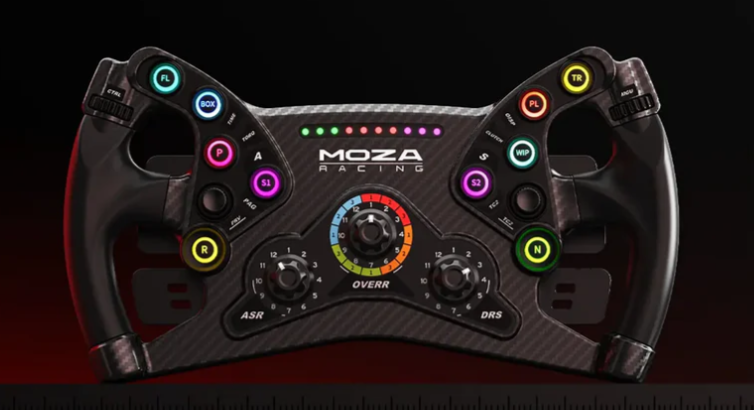
MOZA KS Steeering Wheel
Best Value @ $249
The line usually forms before the first green flag ever drops. At a well-run event, people hear the engine note, spot the motion platform, watch someone wrestle through a fast corner, and suddenly the whole booth has gravity. That is exactly why indycar racing simulators draw crowds in Kansas City. They do more than entertain for a few minutes. They create a live attraction that people notice, talk about, and remember after the event floor clears.
For corporate planners and brand marketers, that matters. A generic game station can fill space. A pro-driver-grade IndyCar simulator setup can anchor an activation, keep traffic steady, and give your team something better than a handshake and a brochure. The difference is not just the car on screen. It is the combination of visual impact, competitive energy, and guided coaching that turns a simulator from a novelty into a crowd-building tool.
Why IndyCar racing simulators draw crowds in Kansas City
Kansas City is a strong market for high-energy event experiences because audiences here respond to competition, spectacle, and hands-on interaction. A premium IndyCar simulator checks all three boxes. It has the open-wheel look people instantly recognize, the speed profile that feels dramatic even to first-time drivers, and the kind of lap-based challenge that makes coworkers and clients want one more shot.
That crowd appeal is not random. Open-wheel racing carries a built-in sense of precision and risk. Guests sit low, see the exposed tires, and feel every steering input matter. Even spectators who have never followed a full racing season understand what they are watching. The format is easy to read from a distance, which is useful at conferences and trade shows where you have only a few seconds to pull someone in.
There is also a practical side. IndyCar-style simulator experiences work well for both small executive gatherings and larger public activations. A compact footprint can still create a premium presence, while multi-simulator setups can turn an open area into a true head-to-head competition zone. That flexibility makes the experience attractive to planners who need one entertainment feature to do several jobs at once.
The crowd starts with visual impact
A lot of event entertainment falls flat because it does not look important from across the room. A premium racing simulator solves that immediately. A full-motion chassis, professional display setup, racing seat, wheel, pedals, and branded environment communicate value before anyone takes a turn.
For marketers, that visual weight matters. If you are investing in floor space, sponsorship dollars, or a client-facing event, you need an attraction that looks worthy of attention. A polished IndyCar simulator installation creates that impression fast. It signals performance, technology, and competition all at once.
Customization makes the effect stronger. When your brand appears on the simulator itself, inside the in-sim race car, and on digital trackside billboards, the activation stops feeling like rented entertainment and starts functioning like a branded environment. Guests are not just driving. They are interacting inside your campaign.
Spectators become participants quickly
One reason racing simulators perform so well at events is that they work for more than the person in the seat. A good activation creates a small audience around each run. People watch lap times, react to mistakes, celebrate strong corners, and compare results. That spectator energy keeps the area active even between sessions.
IndyCar-style driving is especially effective here because the challenge is obvious. Guests can see that the car is quick, reactive, and unforgiving enough to be exciting, but not so technical that the experience becomes inaccessible. A first-time driver can still have fun immediately. A competitive guest can start chasing tenths within minutes. That balance is hard to get right, and it is a major reason these simulators keep drawing attention.
The live coaching element changes everything. When trained racing coaches guide each guest, the experience becomes more engaging and less intimidating. Instead of dropping someone into a seat and hoping for the best, a coach helps them understand braking points, steering inputs, and how to build a cleaner lap. Guests feel supported, which means more smiles, more retries, and better conversations around the simulator.
Why this format works for corporate events
For event planners, crowd size alone is not the goal. The real question is whether the attraction helps the event succeed. IndyCar simulator activations do that in several ways, especially when the equipment and staffing are handled at a professional level.
At trade shows, the simulator acts as a traffic magnet. It gives your team a reason to start conversations without forcing a hard sell. At internal company events, it creates friendly competition that cuts across departments and job titles. At client entertainment functions, it offers a premium activity that feels more elevated than standard arcade-style options.
There is also a strong fit with team building. Racing has a natural performance mindset. People want to improve, compare results, and beat the leaderboard. That creates instant interaction among guests who may not know each other well. The best setups turn those quick moments into a shared experience, especially when a host or coach keeps the energy moving.
That said, not every event needs the same structure. A conference booth may need shorter sessions and high throughput. A private corporate party may benefit from longer coached runs and a leaderboard finale. The best results come from matching the simulator format to the event objective, not forcing the same setup into every room.
Equipment quality changes the result
This is one area where planners can easily underestimate the difference between basic and premium. If the wheel feels vague, the pedals lack realism, the seating position is off, or the visuals stutter, guests notice. They may not have the technical language for it, but they know when an experience feels cheap.
Pro-driver-grade equipment changes both immersion and credibility. Strong force feedback lets guests feel the car load up in corners. Stable cockpits and proper seating improve comfort and control. Full-motion systems add another level of drama and realism, especially for spectators watching the rig react under braking and acceleration.
That quality matters even more when your audience includes executives, partners, or high-value clients. A premium simulator activation reflects on your brand. If you want the event to feel polished, the hardware, software, staffing, and presentation all need to support that standard.
This is where specialist providers stand apart from general entertainment vendors. Sim Racing Warehouse, for example, focuses on premium simulator experiences built around serious equipment, trained racing coaches, and tailored event execution. For planners, that means fewer compromises and a cleaner path to an activation that looks and performs like it should.
Kansas City events reward experiences with replay value
Not every event attraction can hold attention beyond the first try. Racing simulators can, because the second lap is always more interesting than the first. Once guests understand the track and the controls, they want another chance. That replay value is a major advantage for planners trying to keep energy in one area over several hours.
In Kansas City, where corporate events often need to balance professionalism with actual entertainment, that matters. You want something memorable, but you also want something that does not feel childish or disposable. IndyCar simulators hit that middle ground well. They are exciting enough to pull people in and sophisticated enough to make sense in a polished business setting.
There is also an easy tie-in to competition formats. Fastest lap contests, team-versus-team sessions, executive challenge heats, and branded leaderboard campaigns all give the simulator more purpose. Instead of a passive attraction, it becomes part of the event program.
The real value is what happens around the simulator
The strongest event activations are not just about the hardware. They are about the interactions the hardware creates. A racing simulator gives attendees a reason to stop, watch, compete, and talk. It gives your staff a natural opening. It gives your brand a more memorable role in the room.
That is why IndyCar simulators continue to outperform lower-impact entertainment options. They combine spectacle with substance. They can be branded deeply, coached professionally, and tailored to different event goals without losing the core appeal that makes people gather around in the first place.
If you are planning an event in Kansas City and want something that pulls a crowd for the right reasons, this category deserves serious consideration. The best setups do not just fill time. They create a focal point people keep coming back to, lap after lap.
SHARE THIS STORY ANYWHERE YOU LIKE
SHARE THIS STORY ANYWHERE
fusion_global=”97″]
