

Can Simulators Fit Indoors? Yes, With a Plan
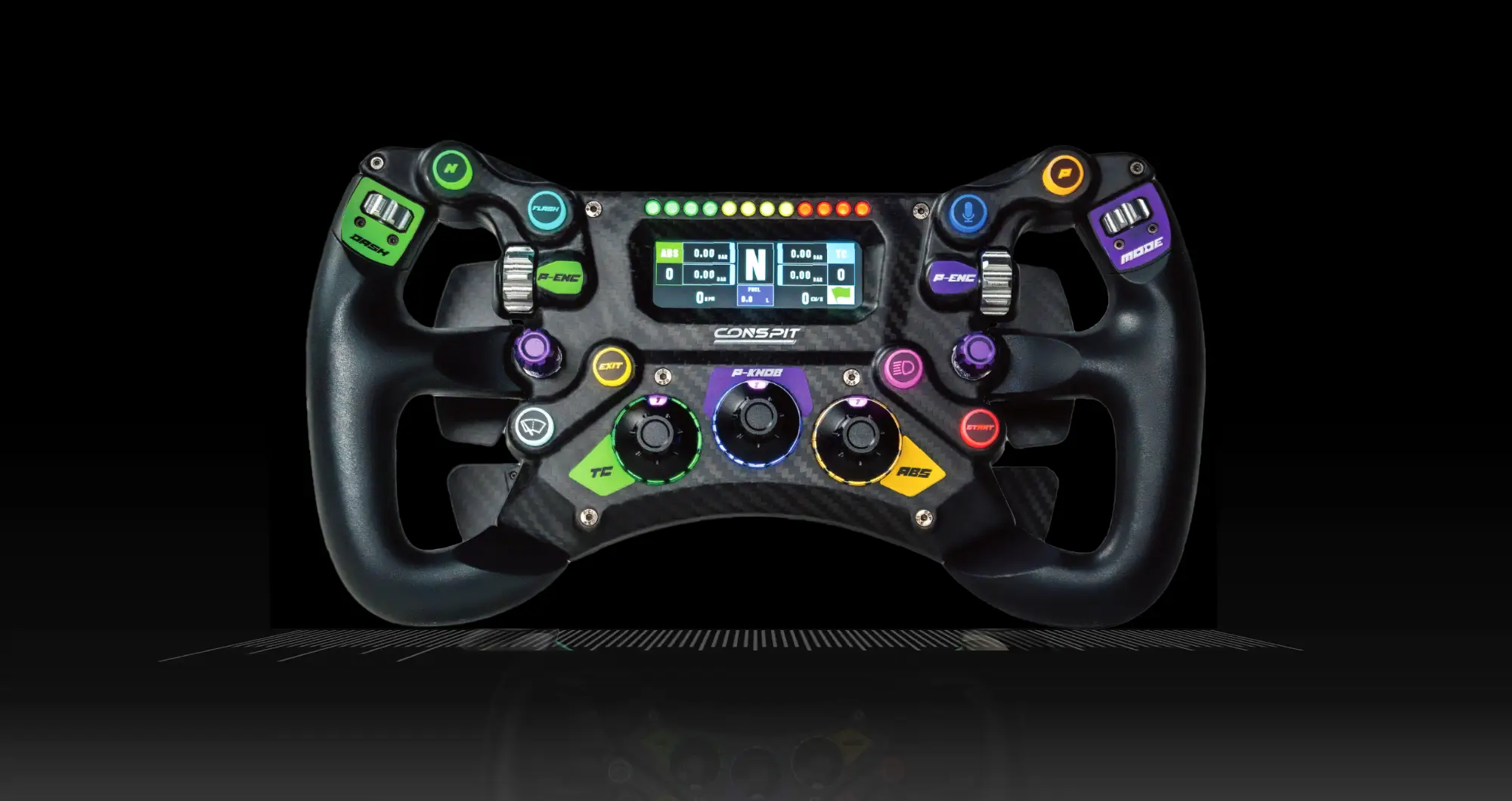
CONSPIT 300GT STEERING WHEEL
Best Value @ $399
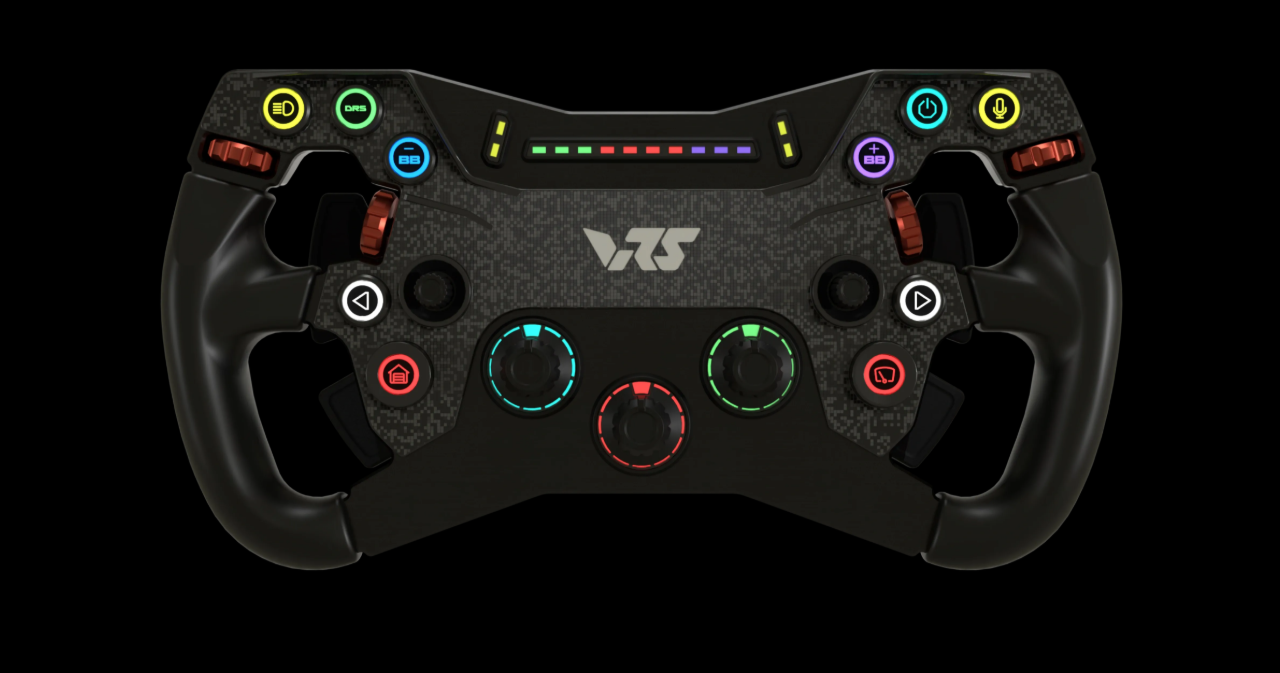
VRS R295 Steering Wheel
Best Value @ $349
MOZA FSR2 Formula Wheel
Best Value @ $649
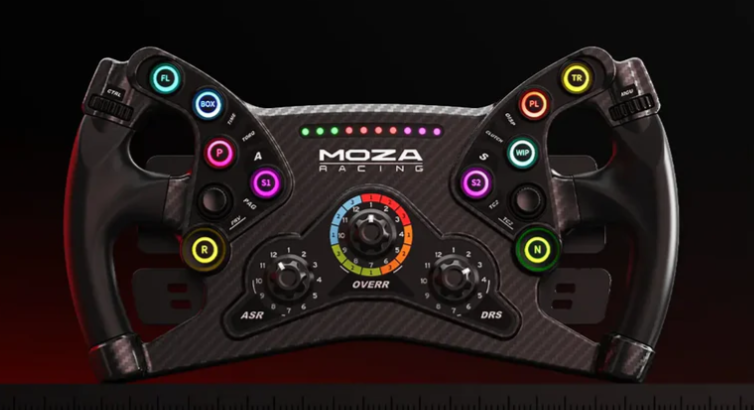
MOZA KS Steeering Wheel
Best Value @ $249
A ballroom can become a race paddock faster than most planners expect. The real question is not simply, “can simulators fit indoors?” It is whether the simulator experience has been planned around the room, the guest flow, and the level of impact the event needs to deliver.
For corporate parties, trade shows, conferences, and team-building events, indoor racing simulators are often an excellent fit. They bring high-energy competition into a controlled environment, protect the experience from weather, and create a natural focal point for guests. Full-motion equipment does require more forethought than a simple arcade game, but a professional layout makes the result feel intentional rather than squeezed into leftover floor space.
Can Simulators Fit Indoors at Your Event?
Yes. Premium racing simulators can operate indoors in hotels, convention centers, offices, ballrooms, exhibit halls, private venues, and many other event spaces. The key is matching the number and style of simulators to the venue’s usable footprint.
A professional racing station is more than a seat and steering wheel. It includes the cockpit, display or displays, a powerful PC, cable management, operator access, and enough room for guests to enter and exit comfortably. Full-motion racing simulators also need a protected operating zone so the moving platform can perform safely and guests can enjoy the action without crowding the driver.
That does not mean every venue needs a massive exhibit hall. A smaller activation can make a strong impression with one or two simulators and a thoughtfully designed waiting area. Larger spaces can support head-to-head competition, tournament brackets, live leaderboards, spectator viewing, and branded scenery that turns the racing experience into a centerpiece.
The Space Behind a Great Indoor Simulator Setup
The available square footage matters, but usable space matters more. A room may look large on a floor plan yet lose valuable area to columns, buffet service, registration tables, staging, doors, and fire lanes. Event planners should consider the complete guest journey: where people see the attraction, line up, receive coaching, race, celebrate, and move on to the next activity.
For a single stationary simulator, a compact footprint can work well when the goal is a quick, high-quality racing experience. Full-motion units need additional clearance around the platform. Multi-simulator installations require enough separation for operators, spectators, and branding elements while keeping the race action visually connected.
Ceiling height deserves attention, especially in venues with low decorative fixtures, chandeliers, hanging signs, or overhead AV. Most indoor environments are suitable, but the simulator’s display configuration and any overhead branded elements should be reviewed before event day. Clear vertical space also helps the activation feel open rather than crowded.
Access Is Often the Deciding Factor
An event room may be large enough, but the load-in path can be the real constraint. Elevators, loading docks, hallways, service doors, ramps, and turns all affect what equipment can enter the space efficiently.
This is where experienced event partners make a difference. Professional teams evaluate the route from the truck to the event floor, not just the final footprint. They account for door widths, elevator capacity, venue restrictions, union requirements where applicable, and the timing of other vendors loading in. A simulator that fits in the ballroom still needs a practical route into the ballroom.
Ground-floor locations with direct access are typically simplest. Upper-level ballrooms and hotel conference spaces can work exceptionally well when elevator access and advance coordination are in place. The goal is a clean installation that is ready before guests arrive, not a last-minute production problem in the lobby.
Power, Flooring, and Venue Conditions
Indoor venues offer one major advantage: predictable operating conditions. There is no direct sun washing out screens, no rain risk, and no wind affecting signage. Still, a premium sim racing installation needs the right basics.
Reliable electrical service is essential for racing PCs, displays, motion platforms, networking, and supporting equipment. Standard venue power is often sufficient for a smaller setup, while larger activations may call for dedicated circuits or a venue electrician’s review. Power planning should include cable routing so the guest area remains polished and safe.
Flooring also affects placement. Level, stable surfaces are ideal, particularly for full-motion racing simulators. Carpeted ballrooms, concrete exhibit floors, and finished event spaces can all be suitable. The installation team can determine whether protective floor coverings or leveling considerations are appropriate for the equipment and venue.
Internet is useful but not always mandatory. A local racing experience can run reliably without relying on venue Wi-Fi, while connected leaderboards, streamed content, or specific event integrations may require a more detailed network conversation. At a busy conference, it is wise not to assume public Wi-Fi will carry an important activation.
Making the Simulator Area Work for Guests
A simulator tucked into a back corner may technically fit indoors, but it will not necessarily create the reaction your event deserves. Placement should give the activation energy and visibility while protecting traffic flow.
Near a reception zone, sponsor area, lounge, or trade show aisle, the sound of engines and the sight of competitive racing draw people in naturally. In a seated dinner environment, simulators may work better in a pre-function area or adjacent room where guests can participate without overpowering conversation. For team-building programs, placing the race zone near the main meeting room makes it easy to rotate groups through a tournament.
Spectators are part of the experience. Large displays let coworkers, clients, and passersby follow the action, cheer on a driver, and see who is leading. This creates a shared moment even for guests who do not immediately sit behind the wheel.
Professional trained racing coaches elevate that moment. Rather than leaving guests to figure out unfamiliar equipment alone, coaches help each driver get comfortable, explain braking and steering technique, and keep the queue moving. Novices feel supported, while experienced racers get the confidence to push for a faster lap. That guidance is especially valuable at corporate events where the audience can range from first-time drivers to serious motorsport fans.
Full-Motion Simulators Need Smart Clearance
Full-motion racing simulators deliver a more physical, memorable ride by responding to acceleration, braking, bumps, and cornering forces. They are a strong choice for brands and event planners seeking a premium attraction rather than a basic gaming station.
They also require a deliberate layout. The operating perimeter must remain clear, and guests need a defined entry and exit path. Barriers, stanchions, flooring, or branded elements can help establish the space while keeping the setup attractive.
The trade-off is simple: motion equipment uses more room than a fixed cockpit, but it creates a much bigger visual and emotional payoff. At a product launch, client event, or high-traffic conference booth, that payoff can be worth the footprint. The movement signals that this is a real experience, not just another screen-based activity.
Indoor Branding Can Go Far Beyond a Backdrop
An indoor simulator installation gives brands a rare opportunity to surround guests with a controlled visual experience. The simulator can carry your company branding, while the in-sim racing cars and track billboards can display the same identity. It is a cohesive brand environment that appears in photos, video, spectator screens, and the driver’s own race session.
This customization is particularly effective for conferences, dealer meetings, sponsor activations, and sales kickoffs. Instead of placing a logo on a banner and hoping attendees notice it, the brand becomes part of the competition. Guests remember the fast lap, the friendly rivalry, and the image of their own company on the car as they race.
For indoor events with limited floor space, branding can also help define the footprint without adding clutter. A compact activation with strong visual design can feel more premium than a larger setup with no clear identity.
Questions Worth Answering Before Event Day
The most productive venue conversation covers a few practical details early: the room dimensions, ceiling height, load-in route, electrical availability, final floor plan, operating hours, and any noise limitations. It is also helpful to know whether the activation will be a casual open-play attraction, a scheduled team competition, or a lead-generation experience at a trade show.
Those answers shape the right simulator count, display arrangement, staffing level, and branding plan. A two-hour client reception has different needs from an all-day convention booth. Likewise, a single full-motion hero unit may outperform several smaller stations when floor space is limited and the goal is to create a premium visual statement.
Sim Racing Warehouse brings pro-driver-grade equipment, experienced event operations, and trained racing coaches to indoor activations across markets including Nashville, Dallas, Orlando, Atlanta, Chicago, and Indianapolis. The focus is not merely fitting equipment into a room. It is creating an organized, high-energy racing experience that guests talk about after the event ends.
A well-planned indoor simulator setup does more than occupy square footage. It gives your guests a reason to gather, compete, laugh, and remember who put them in the driver’s seat. Book your event today with the room, audience, and experience in mind.
SHARE THIS STORY ANYWHERE YOU LIKE
SHARE THIS STORY ANYWHERE
fusion_global=”97″]
