

Full Motion Simulator Guide for Corporate Events
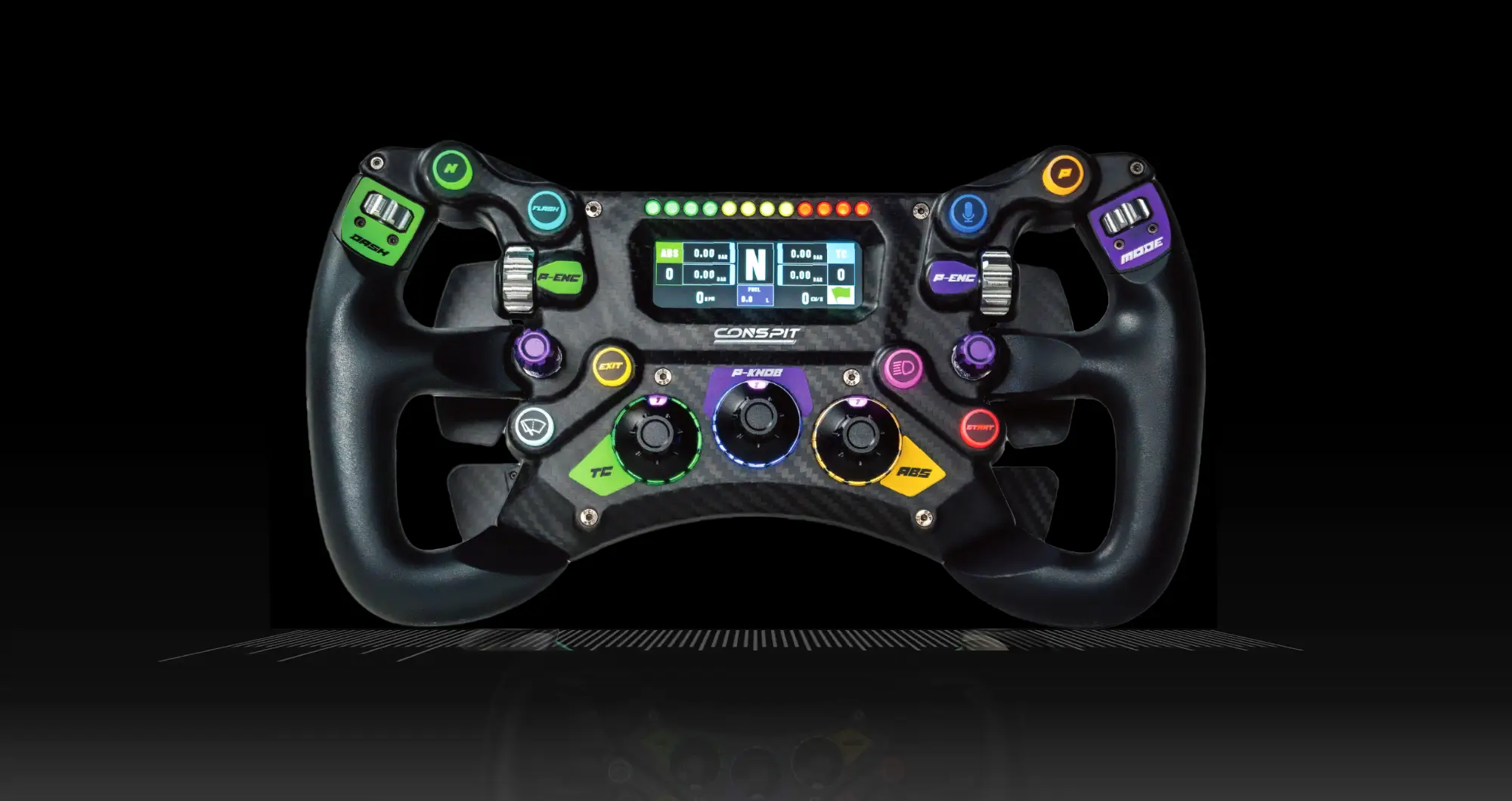
CONSPIT 300GT STEERING WHEEL
Best Value @ $399
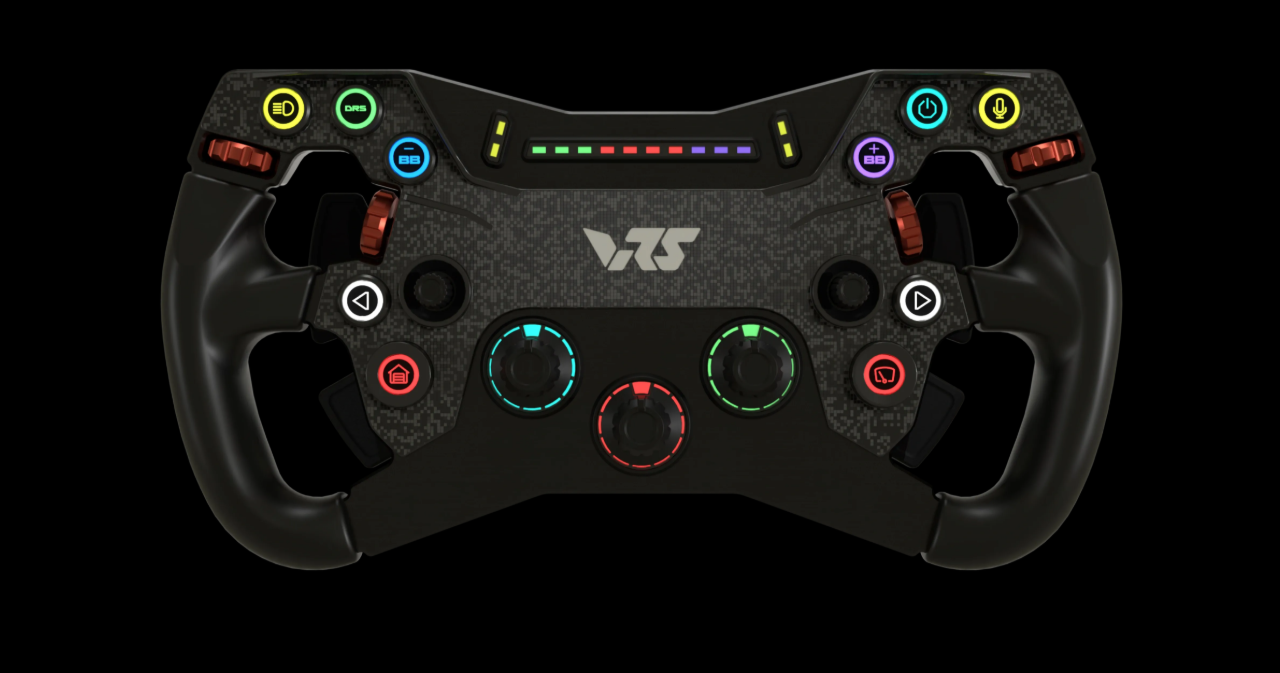
VRS R295 Steering Wheel
Best Value @ $349
MOZA FSR2 Formula Wheel
Best Value @ $649
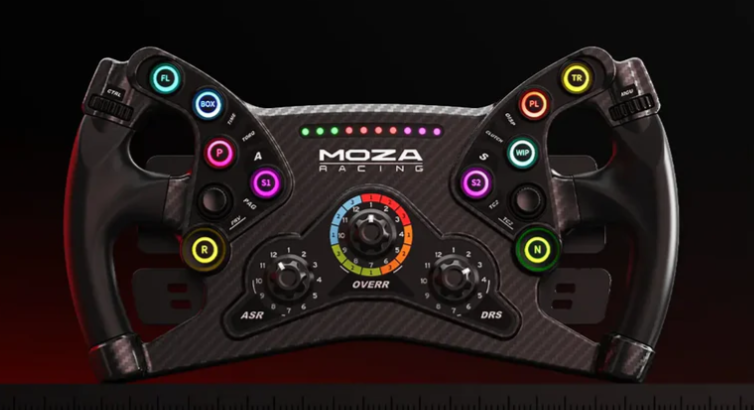
MOZA KS Steeering Wheel
Best Value @ $249
A full motion simulator guide should start with the feeling you want guests to remember: the brake pedal firm beneath their foot, the car rotating into a corner, and a trained racing coach helping them find a faster line on the next lap. For a corporate event, that moment turns a crowded booth, client reception, or team celebration into an experience people actively talk about afterward.
A premium racing activation is not simply a game station with a steering wheel. It is a live, coached motorsport experience built around pro-driver-grade equipment, visual impact, reliable event operations, and branding that belongs in the action. The right setup can pull attendees in from across the room, give experienced racers a genuine challenge, and make first-time drivers feel confident enough to take the wheel.
What a Full Motion Racing Simulator Delivers
A full-motion simulator moves with the virtual car. Under braking, acceleration, curbs, and direction changes, the cockpit responds in ways a static rig cannot. That physical feedback adds urgency and immersion, especially when paired with a high-torque wheel base, precision pedals, a rigid racing seat, and a large-format display or multi-screen visual system.
For corporate planners, the practical advantage is attention. A moving cockpit creates a natural audience. Colleagues gather around to watch lap times, cheer on a close pass, and challenge one another to a rematch. At a convention, it gives passersby a reason to stop. At a private event, it gives the room a shared focal point that does not require guests to already know each other.
Motion also needs to be purposeful. More movement is not automatically better. A polished rental experience uses motion cues that feel responsive and exciting without making the simulator intimidating for newcomers. Configuration should account for the guest mix, available floor space, event duration, and the type of racing selected.
Full Motion Simulator Guide: Plan for the Guest Experience
The strongest activations are designed around guest flow before equipment is placed on the floor. Consider who will drive, who will watch, and what each person should take away from the experience. A trade show may need quick, repeatable sessions that keep a line moving. A leadership offsite may benefit from longer coached races and a leaderboard that encourages friendly competition throughout the day.
Session length is one of the most important choices. Short hot-lap runs maximize participation and work well when traffic is high. Longer races create more drama and give coaches time to help each driver improve. Neither format is universally right. The decision depends on attendance, staffing, venue hours, and whether the event goal is broad brand exposure or a deeper hosted experience for a smaller guest list.
Professional racing coaches make the difference between a simulator that looks impressive and an activation guests genuinely enjoy. They welcome hesitant drivers, adjust seating and controls, explain the basics in plain language, and give quick feedback that helps each guest feel progress. That support matters when a CEO, client, or first-time driver steps into the cockpit. Nobody should feel abandoned with unfamiliar equipment and a countdown timer.
A leaderboard can extend the excitement, but it should serve the event rather than dominate it. Some groups respond to a fastest-lap contest. Others prefer team scores, head-to-head races, or a casual open-drive format. The best competitive structure gives skilled drivers a reason to push while leaving room for everyone else to have fun.
Hardware That Supports a Premium Activation
At an event, equipment quality is visible. A flexing frame, vague pedals, or a consumer-grade wheel can dilute the experience quickly, particularly with audiences that value performance, technology, or luxury. Professional equipment feels substantial before the car even leaves the pit lane.
A premium full-motion racing simulator starts with a rigid cockpit and racing seat that accommodate a wide range of drivers. It should use a direct-drive wheel system for detailed steering feedback and load-cell or similarly performance-focused pedals that reward controlled braking. The motion platform, visual system, PC hardware, and simulation software must work as one system, with settings dialed in before guests arrive.
Reliability deserves as much attention as spectacle. Event hardware runs continuously, is used by drivers with different experience levels, and must perform on schedule. This is why an experienced provider brings tested equipment, trained onsite staff, and a clear plan for setup, operation, and teardown. A great simulator should feel effortless to the guest, even though a great deal of preparation happens behind the scenes.
The visual format also changes the mood. A large single display creates a clean footprint and works well in many event spaces. Triple screens bring peripheral vision and a more cockpit-like view. For certain environments, a bigger presentation can make the simulator a centerpiece from across a ballroom or expo floor. The correct choice balances immersion with sightlines, space, and brand presentation.
Make the Brand Part of the Race
A corporate simulator rental earns more value when it becomes a branded environment rather than generic entertainment. Your logo can appear on the physical simulator, while custom car liveries and trackside billboards put the brand inside the race itself. Every time a driver turns into a corner or a spectator watches a replay, the message remains in the experience.
This level of customization is especially valuable for product launches, dealer meetings, conference booths, and client-facing events. It creates photo and video moments that look intentional, not improvised. Guests do not just see a logo on a banner nearby. They drive a branded race car through a circuit built around the event identity.
Branding should still look like motorsport. A strong design uses clear logos, appropriate color contrast, and placements that feel authentic on the car and track. Overloading every surface can weaken the visual impact. The goal is recognition with polish, not visual noise.
Venue, Footprint, and Event Operations
Full-motion simulators need thoughtful placement. They need adequate floor space, dependable power, safe cable management, and enough room for a coach to assist drivers and for spectators to gather without blocking traffic. Noise, lighting, access routes, and venue load-in rules all deserve early attention.
The simulator should be easy to find but not placed where a line causes congestion. At a conference, a visible corner near the main traffic path can attract attention while allowing guests to queue comfortably. At a dinner or awards program, the activation may work better in a reception area where it can operate before and after the main program.
Ask the provider about the full operating plan, not just the cockpit itself. Clarify arrival timing, setup requirements, staffing, drive format, branding deadlines, and the approach to keeping the experience moving. These details protect the guest experience and help planners coordinate confidently with venues and production teams.
For multi-city programs, consistency matters. A recognizable simulator experience across Nashville, Dallas, Orlando, Atlanta, or Indianapolis lets teams carry the same visual standard and event energy from one stop to the next. It also reduces the risk of each market feeling like a separate, improvised activation.
When Full Motion Is the Right Choice
A full-motion setup is a compelling choice when immersion, premium positioning, and memorable participation are central to the event. It works particularly well for automotive audiences, technology companies, sales incentives, hospitality suites, recruiting events, and team-building programs where competition can create connection.
It may not be the right answer for every floor plan. A very tight booth, an event with extremely rapid throughput needs, or a setting with strict noise and power constraints may call for a different simulator format. That is not a compromise in quality. It is a matter of matching the activation to the event objective.
Sim Racing Warehouse approaches that decision with the same standard used for premium simulator builds: start with the intended experience, then specify the equipment, coaching, branding, and operations needed to deliver it. A simulator is most effective when it feels built for the room, the audience, and the brand.
The best closing moment is not the checkered flag. It is the guest stepping out of the cockpit, laughing with coworkers, comparing a lap time, and asking for one more run. Build the event around that reaction, and the racing experience will keep working long after the venue clears.
