

Rent Mobile Racing Simulators for Corporate Events
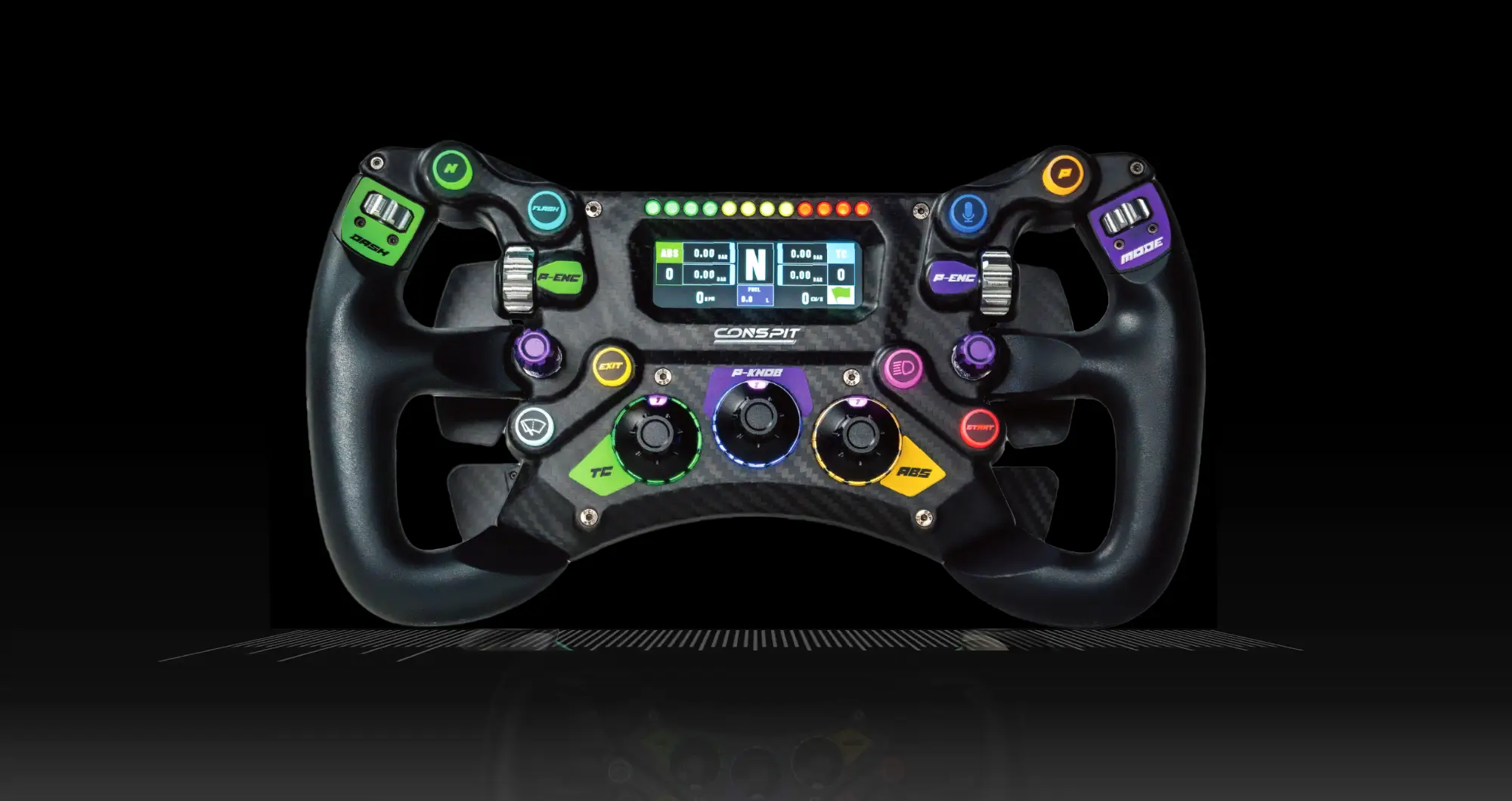
CONSPIT 300GT STEERING WHEEL
Best Value @ $399
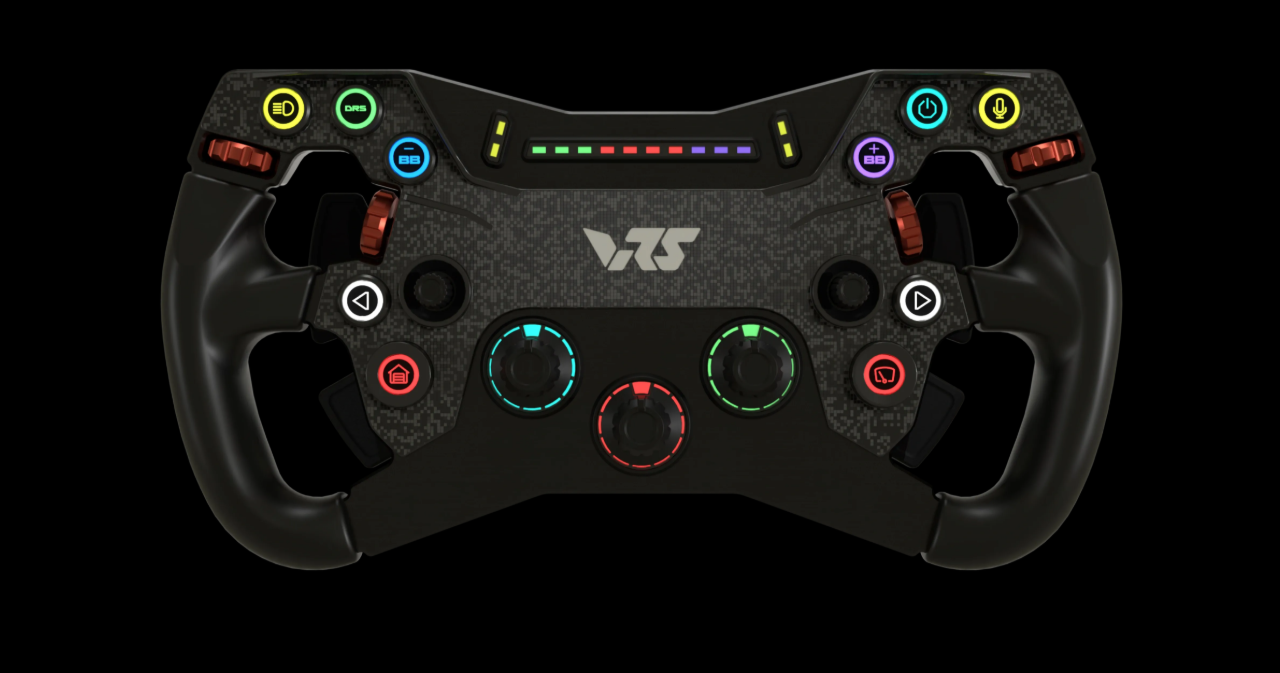
VRS R295 Steering Wheel
Best Value @ $349
MOZA FSR2 Formula Wheel
Best Value @ $649
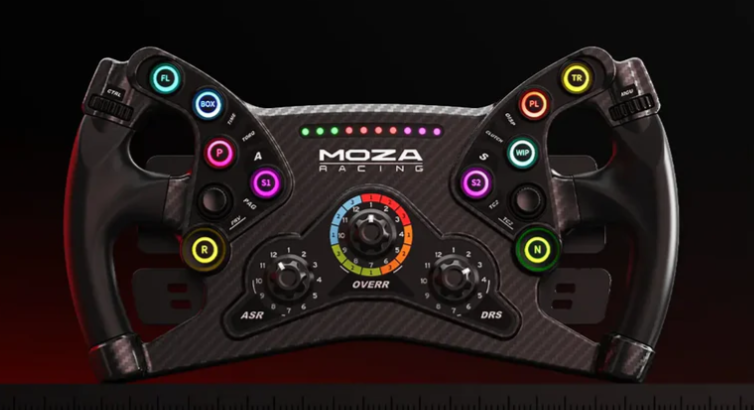
MOZA KS Steeering Wheel
Best Value @ $249
A crowded event floor changes the moment a guest straps into a full-motion cockpit, grips a pro-driver-grade wheel, and sees their lap time appear on the leaderboard. For organizations looking to rent mobile racing simulators, that reaction is the point: a high-energy experience that pulls people in, gives them a reason to stay, and creates a memory tied directly to your brand.
A racing simulator rental is not background entertainment. Done well, it becomes the center of a corporate party, trade show booth, conference activation, client event, or team-building program. The difference comes down to the equipment, the people running it, and the level of customization behind the experience.
Why Rent Mobile Racing Simulators for an Event?
Most event entertainment is passive. Guests watch, take a photo, or participate briefly before moving on. Sim racing creates a different kind of engagement. Drivers make decisions in real time, feel the car react beneath them, and immediately want another attempt at a faster lap.
That repeat-play appeal matters at corporate events. It keeps traffic moving while still giving each guest a personal challenge. A seasoned racer may chase tenths of a second, while a first-time driver can simply enjoy the thrill of navigating a high-performance race car. Both leave with a shared story, and both have a clear reason to talk about the activation afterward.
Mobile simulator rentals also solve a practical issue for planners: the experience comes to the venue. A professional team handles delivery, installation, testing, operation, and teardown, so your staff is not left troubleshooting gaming hardware during a reception or convention opening.
For a polished activation, the simulator should feel like a real motorsport environment rather than an off-the-shelf game station. Full-motion platforms add physical feedback through acceleration, braking, cornering, curbs, and track surface changes. Combined with premium controls, racing seats, large displays, and professional setup, that movement turns a screen-based activity into a convincing driving experience.
The Equipment Sets the Tone
There is a significant difference between a basic driving game and a simulator built around pro-driver-grade hardware. Event guests may not know the technical names for every component, but they notice the quality immediately. A rigid cockpit feels planted. A direct, responsive wheel feels precise. Proper pedals reward braking control instead of random button presses. Motion gives every corner more drama.
For corporate audiences, high-end equipment does more than impress enthusiasts. It signals that the host invested in an experience worth their guests’ time. That is especially valuable for executive receptions, customer appreciation events, product launches, hospitality suites, and premium conference environments where details influence perception.
The configuration should also match the event format. A single simulator can create an intimate, coached challenge for a VIP setting. Multiple linked stations can build competition for a larger audience, allowing guests to set laps side by side or compete through a live leaderboard. The right number depends on attendance, available space, event duration, and whether the simulator is the main attraction or one element in a larger program.
Full motion makes participation more memorable
Full-motion racing simulators are particularly effective when the goal is impact. As the virtual car brakes hard into a corner or rides over a curb, the cockpit responds. That physical sensation creates the immediate reaction that draws a crowd and gives nearby attendees something exciting to watch.
Motion is not just a visual spectacle. It helps drivers understand what the car is doing. Guests feel weight transfer under braking and acceleration, which makes the experience more intuitive and more rewarding than a static setup. For F1-inspired racing, GT competition, or road-course challenges, motion adds an extra layer of realism that guests remember.
There is a trade-off: motion systems require appropriate event space, safe access, reliable power, and a team that knows how to operate them. That is why experienced event support matters. A professional crew evaluates venue conditions in advance and builds the setup around the environment rather than forcing a generic package into the room.
Trained Racing Coaches Keep the Line Moving
Premium simulators deserve more than a technician standing nearby. Trained racing coaches transform the experience by welcoming each guest, adjusting the seating position, explaining the controls, and offering quick guidance that makes the first lap far more enjoyable.
This support is particularly important when your audience includes a mix of racing fans and newcomers. Without coaching, a first-time driver may be hesitant, spin repeatedly, or leave feeling that the experience was not for them. With a coach offering simple cues on braking points, steering inputs, and throttle control, that same guest can gain confidence within minutes.
Coaching also strengthens the competitive element. A friendly challenge – improve your time, beat your colleague, take the top spot on the leaderboard – gives participants a clear goal. It creates natural conversation between departments, clients, prospects, and attendees who might otherwise have little reason to interact.
At Sim Racing Warehouse, trained racing coaches are part of the event experience, not an afterthought. They help every guest get comfortable quickly while keeping the activation organized, energetic, and welcoming throughout the day or evening.
Turn the Simulator Into a Branded Activation
A mobile racing simulator can carry much more brand value than a logo on a backdrop. The strongest activations place your company identity inside the competition itself. Guests can see your branding on the physical simulator, on the digital race cars, and on virtual track billboards as they drive.
That level of integration gives the experience a purpose beyond entertainment. A sales team can use a custom-liveried car for a client event. A conference sponsor can keep its message in front of participants during every lap. A product launch can use colors, graphics, and track-side visuals that align with the campaign. Since guests are actively focused on the race, the branding is seen in a setting that feels exciting rather than interruptive.
Customization also creates better content opportunities. Spectators naturally take photos and videos of a dramatic motion cockpit, a colleague setting a fast lap, or a branded race car on screen. If social sharing is part of your event strategy, visual consistency matters. A thoughtfully branded simulator looks deliberate on camera and extends the activation beyond the venue.
Competition formats that work for corporate groups
The best race format depends on the audience and schedule. A drop-in hot-lap challenge works well for trade shows and conferences because guests can participate in a few minutes. Their best time is recorded, and the leaderboard gives them a reason to return later.
For private corporate events, a structured tournament can create stronger team engagement. Departments, tables, or client groups can compete for fastest average lap time, with coaches keeping the schedule fair and moving. A final round near the end of the event gives everyone a reason to gather and watch.
For smaller VIP groups, the simulator can be more relaxed and instructional. Guests receive more individual coaching, try different cars or circuits, and enjoy a premium motorsport experience without the pressure of a public leaderboard. The format should support the event objective, not distract from it.
Details to Confirm Before Booking
A mobile activation is easier to plan when the operational questions are handled early. Venue access, setup windows, ceiling and floor conditions, power availability, guest count, and available footprint all influence the right simulator package. A quality rental partner will ask about these details before recommending a format.
It is also worth considering the guest journey. Where will attendees first see the simulators? Is there enough room for spectators without blocking traffic? Will the leaderboard be visible? Can the activation support a prize, lead-capture process, or branded photo moment? These are small choices, but together they determine whether the simulator feels like a standalone attraction or a meaningful part of the event plan.
For events in Nashville, Dallas, Orlando, Atlanta, Chicago, St. Louis, New Orleans, Indianapolis, Kansas City, or Tulsa, local mobile support can simplify logistics while preserving the premium feel of a professionally managed activation. Early planning is especially valuable for convention calendars, large corporate gatherings, and multi-day programs where venue schedules are tight.
A great simulator experience gives every guest a story: the corner they finally nailed, the coworker they beat by two-tenths, or the moment the motion rig made them feel like a real driver. Build that moment into your next event, and give your audience a reason to stay in the room, join the competition, and remember the brand that put them in the driver’s seat.
