

Attract Attention at Your Conference Booth in Dallas
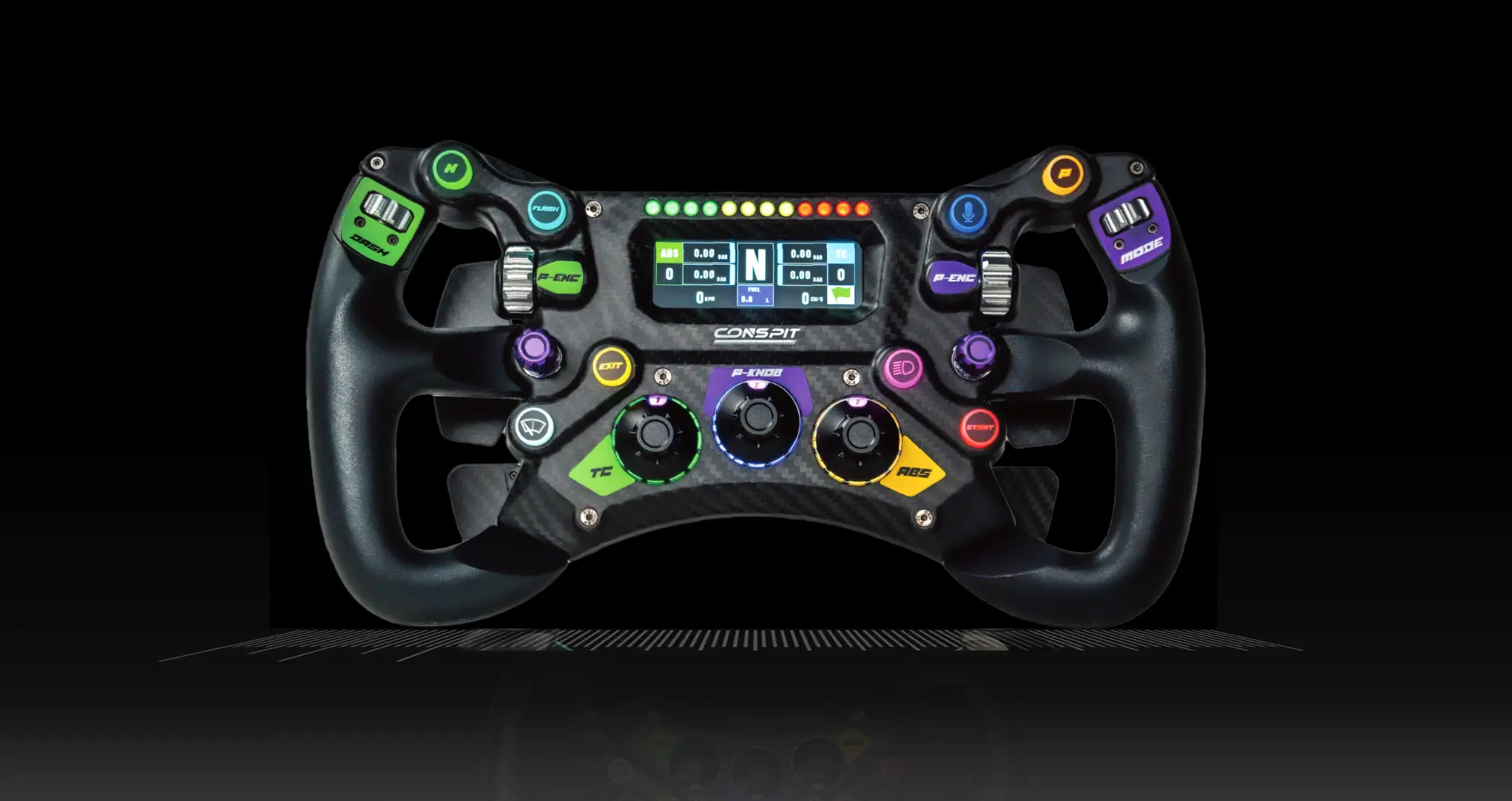
CONSPIT 300GT STEERING WHEEL
Best Value @ $399
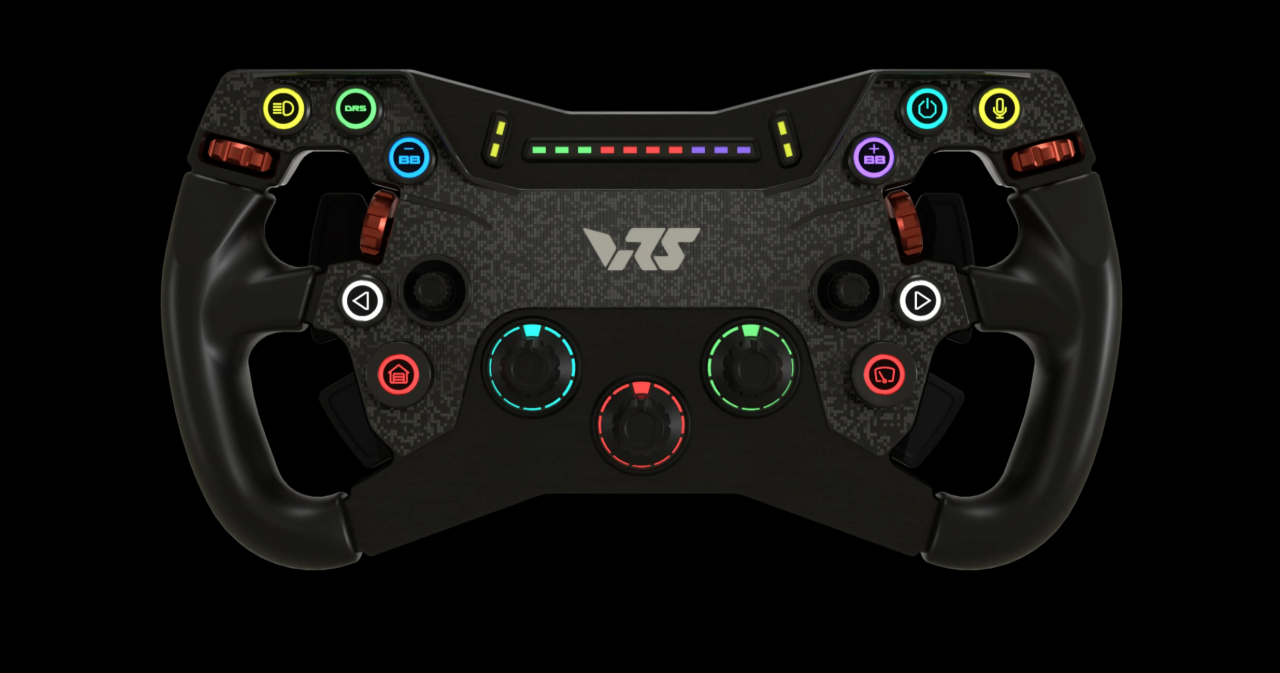
VRS R295 Steering Wheel
Best Value @ $349
MOZA FSR2 Formula Wheel
Best Value @ $649
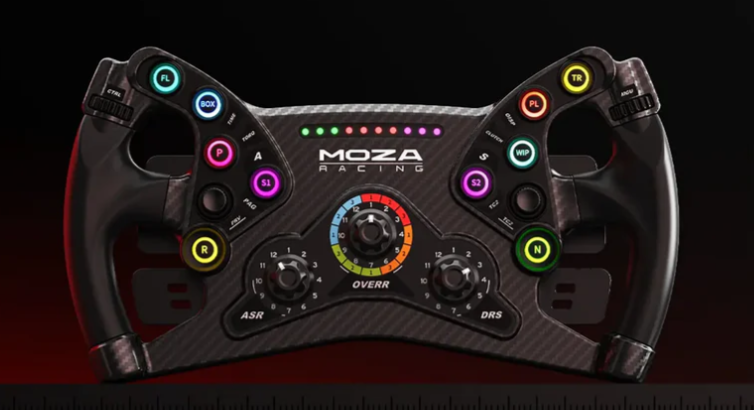
MOZA KS Steeering Wheel
Best Value @ $249
Trade show aisles are crowded, loud, and brutally competitive. If your goal is to attract attention at your conference booth racing simulators Dallas event planners use can do something static displays rarely manage – stop people mid-stride, pull a crowd, and keep them engaged long enough for real conversations to happen.
That difference matters because attention alone is not the win. The right booth activation has to create energy, fit your brand, and give your team a reason to connect with qualified attendees instead of handing out swag to people who were never going to buy. A premium racing simulator experience does that especially well when it is built for conferences, not just entertainment.
Why racing simulators work on a conference floor
Most booths ask attendees to look. Racing simulators ask them to participate. That shift changes the whole dynamic of your space.
A full-motion racing simulator naturally creates movement, noise, competition, and spectator interest. People notice the screen, the rig, the reactions from the driver, and the small crowd that forms around each session. Once that happens, your booth stops feeling like another branded setup and starts functioning like a live attraction.
For conference planners and marketing teams, that creates a practical advantage. You are not relying on foot traffic to casually notice a backdrop. You are giving attendees a reason to walk over, wait, watch, talk, and remember your brand afterward.
There is also a credibility factor. High-end sim racing equipment looks premium because it is premium. Pro-driver-grade wheel bases, pedals, seating, motion systems, and displays communicate quality before your team says a word. If your brand positioning depends on innovation, performance, precision, or competitive edge, the fit is natural.
Attract attention at your conference booth with racing simulators in Dallas
Dallas conferences tend to be fast-moving and high-volume, with plenty of brands competing for the same audience. In that environment, novelty helps, but novelty by itself wears off quickly. The booths that perform best are the ones that pair spectacle with structure.
That is where a professionally managed racing simulator activation stands apart from a generic game setup. Guests are not left guessing what to do. They are welcomed in, coached, and guided through a short experience that feels polished from the first lap. A trained racing coach keeps the line moving, helps beginners feel comfortable, and turns a quick drive into an experience people talk about with coworkers a few minutes later.
This is especially useful if your audience includes executives, buyers, or prospects who may not identify as gamers. A coached simulator experience lowers the barrier immediately. They do not need prior racing knowledge. They just need a seat, a few minutes, and a reason to compete.
The real value is not just the crowd
A busy booth looks good. A busy booth that supports pipeline and brand recall is better.
Racing simulators create dwell time, which gives your sales and event teams room to work. While one guest is driving, coworkers or colleagues often gather nearby. That opens multiple conversation points at once. Your team can explain the activation, qualify interest, schedule follow-up meetings, or simply use the energy of the moment to make introductions easier.
There is a trade-off, though. If the simulator is treated as a stand-alone attraction, it can pull attention away from your message. That is why the strongest conference executions build the branding directly into the experience. When your logo appears on the simulator, inside the virtual race car, and on in-sim trackside billboards, the brand is part of the action rather than something sitting off to the side.
That kind of integration is what turns entertainment into marketing. Attendees are not just remembering that they drove a simulator. They are remembering who put them in the seat.
What separates a premium activation from a basic gaming setup
Not every racing simulator rental belongs on a trade show floor. There is a big difference between consumer-grade entertainment and a conference-ready activation built for performance, throughput, and presentation.
The first difference is hardware quality. Professional-grade simulators deliver stronger realism, better responsiveness, and a more impressive visual presence. People can tell when the equipment feels serious. That matters for guest experience, and it matters for brand perception.
The second difference is staffing. Unsupervised setups create bottlenecks, technical delays, and awkward downtime. A trained coach keeps sessions efficient, helps guests improve quickly, and makes the whole booth feel intentional. For event organizers, that operational support is often as valuable as the simulator itself.
The third difference is customization. Generic racing content may entertain, but custom branding creates actual exposure. If the activation can feature your company on the simulator bodywork, the digital car livery, and the virtual track environment, every photo, video, and shared moment works harder for you.
Booth strategy matters as much as the simulator
A racing simulator can be the centerpiece of your booth, but it should not be the whole plan. The best results come when the activation fits into a broader event objective.
If your goal is lead generation, the simulator should create a clean handoff into a sales conversation or data capture moment. If your goal is client hospitality, the experience should feel premium, relaxed, and highly branded. If your goal is team building during a conference or expo, competition formats and leaderboard moments can add an extra layer of energy.
It also depends on booth size and floor layout. A compact footprint may be better served by one polished simulator with excellent visibility and strong staffing. A larger space can support multiple rigs, spectator engagement, and a more obvious competitive atmosphere. Bigger is not always better if the flow becomes messy or the brand message gets diluted.
This is one reason experienced event partners matter. They can help match the simulator configuration to your space, audience volume, and event goals instead of forcing a one-size-fits-all setup into every venue.
Why Dallas brands use simulators for more than foot traffic
Dallas is full of industries that care about performance, speed, precision, and innovation – from technology and finance to automotive, logistics, and professional services. Racing simulators align well with that mindset because they feel competitive without becoming gimmicky.
They also work across different event types. At a trade show, they pull traffic. At a user conference, they add premium entertainment between sessions. At a corporate party, they create a memorable shared experience. At a team-building event, they give colleagues a competitive challenge that people of very different backgrounds can enjoy.
That flexibility is a major advantage for planners trying to justify activation spend. A branded simulator experience is not locked into one narrow use case. It can support awareness, engagement, hospitality, and internal culture depending on how it is deployed.
Attention is easy to chase. Memorability is harder.
There are plenty of ways to get a glance at a conference. Very few create the kind of emotional response that sticks after the event ends. Racing does.
People remember the pressure of a fast lap, the cheering from teammates, the reaction of nearly spinning in a corner, and the satisfaction of putting up a strong time on a leaderboard. Those are emotional moments, and emotional moments carry brands farther than passive impressions do.
That said, the experience has to feel polished. If there are long resets, weak visuals, or cheap controls, the activation can backfire. Premium execution is what makes the memory positive and brand-safe. That is why companies that want to make a serious impression typically work with specialists rather than trying to piece together a temporary setup on their own.
For conference marketers, that is the bigger point. The objective is not to rent something flashy. It is to create a branded experience that earns attention, supports conversation, and leaves attendees with a clear sense that your company does things at a higher level.
Sim Racing Warehouse builds these experiences with pro-driver-grade equipment, trained coaching staff, and custom branding built directly into the activation so your booth does more than entertain. It performs.
If your next Dallas conference needs more than passersby and polite small talk, a premium racing simulator experience gives people a reason to stop, stay, compete, and remember who brought the excitement to the floor. Book your event today.
SHARE THIS STORY ANYWHERE YOU LIKE
SHARE THIS STORY ANYWHERE
fusion_global=”97″]
