

Design Branded Racing Experiences That Get Noticed
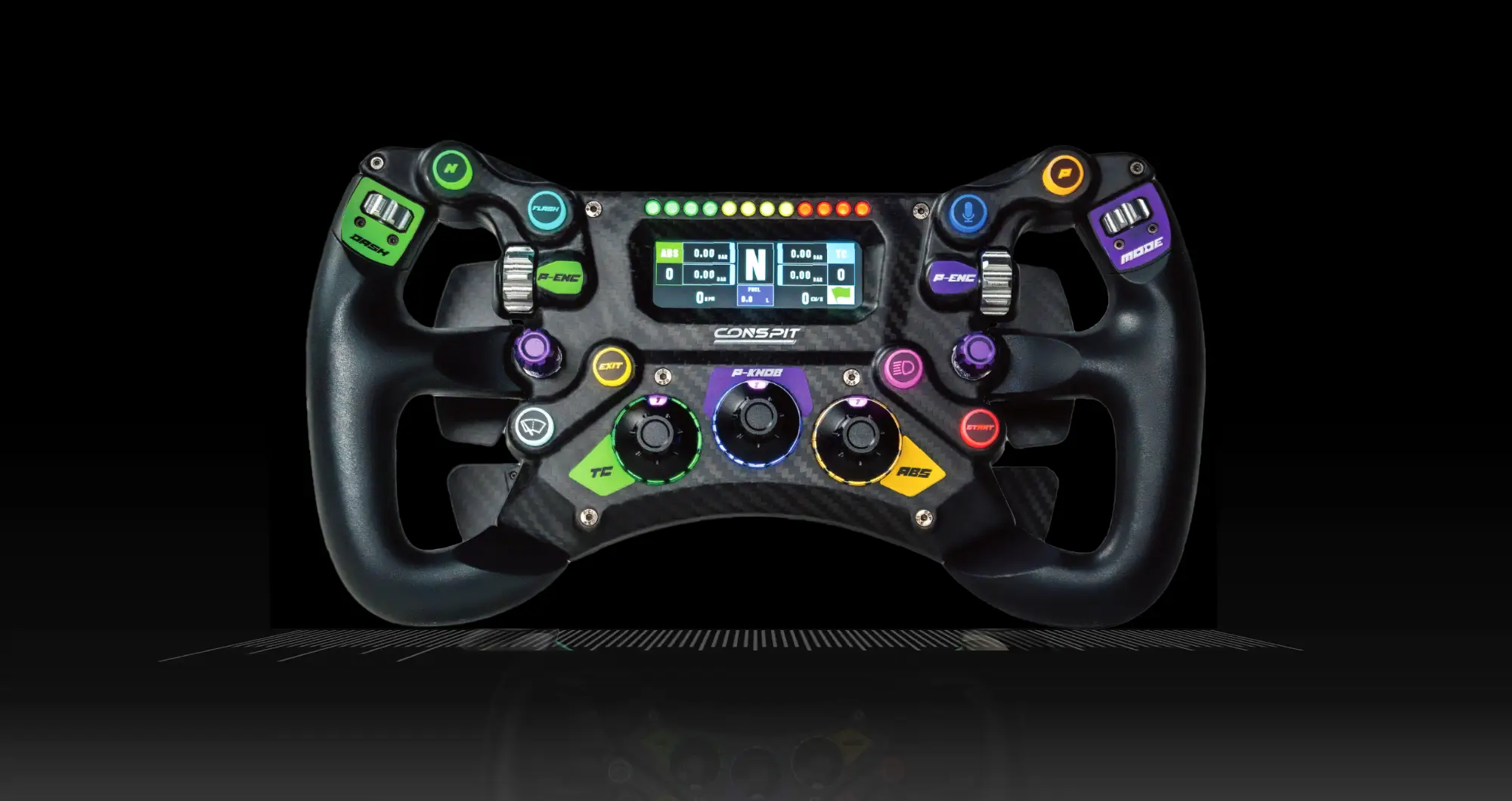
CONSPIT 300GT STEERING WHEEL
Best Value @ $399
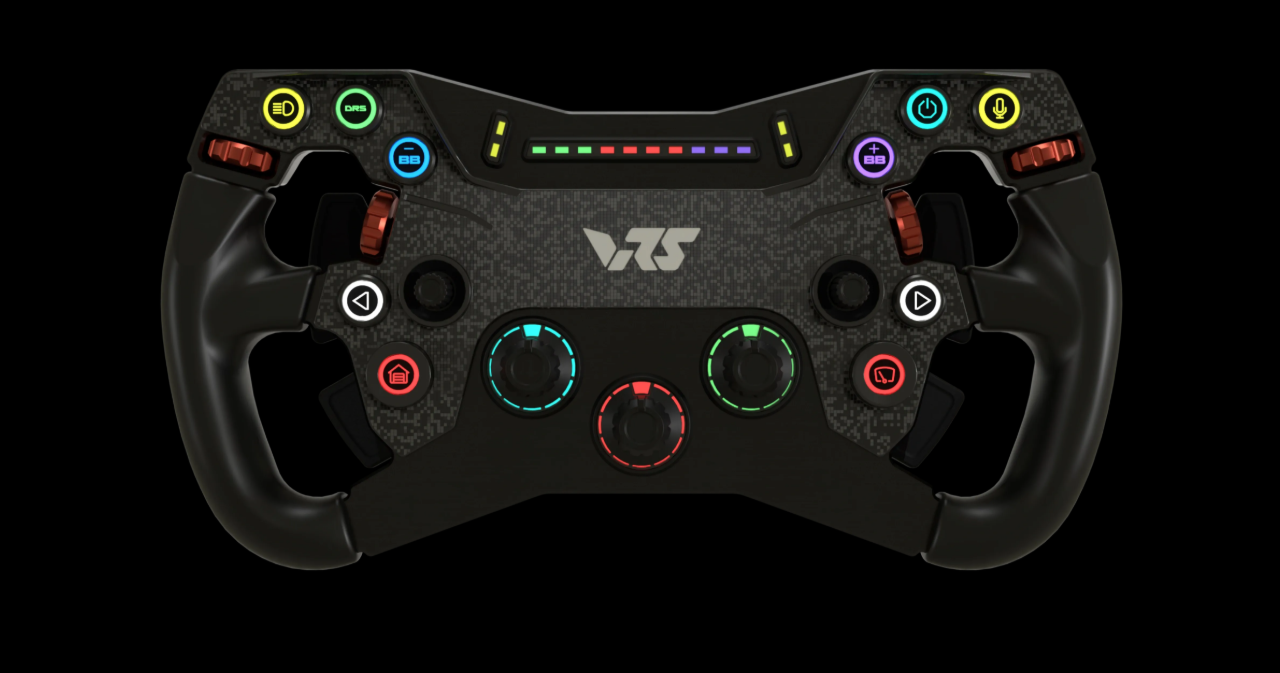
VRS R295 Steering Wheel
Best Value @ $349
MOZA FSR2 Formula Wheel
Best Value @ $649
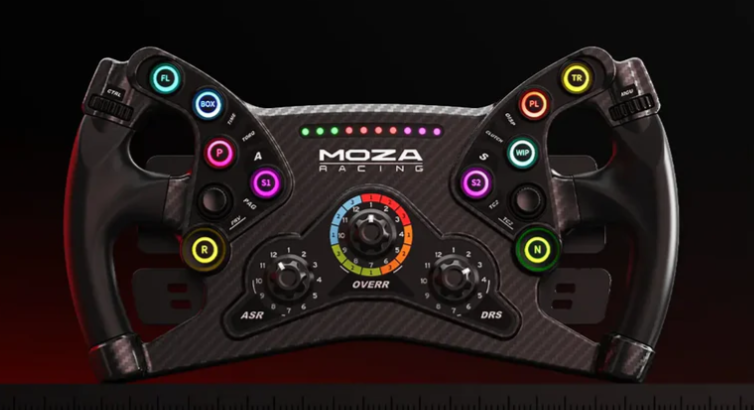
MOZA KS Steeering Wheel
Best Value @ $249
A logo on a step-and-repeat wall gets photographed. A logo on the car a guest is fighting to drive faster gets remembered. To design branded racing experiences that create real event value, the brand cannot feel pasted onto the entertainment. It needs to become part of the race itself – visible, purposeful, and present at the moments guests care about most.
For corporate events, conferences, trade shows, and client parties, full-motion racing simulators offer more than a line-forming attraction. They create a shared competitive moment that gives your brand repeated exposure while guests chase lap times, compare results, and come back for another run. The difference between a generic simulator rental and a memorable branded activation is in the planning: what participants see, what they feel, and what they have a reason to share.
Design Branded Racing Experiences Around the Driver
The driver’s view is the most valuable real estate in the activation. Before a guest turns a wheel, they should encounter your brand in a way that feels native to a professional race weekend. This can include branded simulator surrounds, team-themed racing suits or signage, custom vehicle liveries, trackside billboards, and leaderboard graphics.
The in-sim environment matters especially because guests spend their attention there. A branded race car appears in motion rather than as a static backdrop. Virtual track billboards reinforce the message lap after lap without interrupting gameplay. When the car, track, and physical simulator all share a visual identity, the experience feels like a custom motorsport event rather than a rented game station.
That consistency does not mean putting a logo on every available surface. Overbranding can make premium equipment look promotional and reduce the feeling of authenticity. Select a clear visual system: a primary logo placement, two or three brand colors, a campaign line if relevant, and clean graphics that work at speed. Let the simulator remain recognizably professional. The equipment itself should signal performance, not compromise.
Put Competition at the Center of the Activation
People do not remember their 14th branded tote bag. They remember beating their manager by two-tenths of a second.
A well-run sim racing event gives every guest an immediate goal. The best lap time, a head-to-head race, a department challenge, or a client-versus-team competition all create stakes that are easy to understand. The leaderboard then turns individual participation into a spectator moment. Colleagues gather to watch, offer advice, and celebrate an unexpected fast lap.
Choose the format based on the event flow. A busy convention booth may need short, repeatable hot-lap sessions that move a high volume of attendees through the experience. A corporate party has room for longer races, qualifying rounds, and a final among the fastest drivers. A team-building program can lean into collaborative formats, pairing participants as driver and strategist or building teams around cumulative lap-time goals.
The trade-off is simple: shorter sessions maximize participation, while longer sessions create deeper immersion. There is no single right choice. The format should support your attendance, venue schedule, and business objective rather than force guests into a race structure that does not fit the room.
Make the Leaderboard Work Harder
A leaderboard should feel like part of the brand experience, not a forgotten monitor on the side of the booth. Use a branded display that clearly shows names, lap times, team standings, and a visible prize threshold or final-race cutoff. Keep the information readable from several feet away so waiting guests can follow the action.
For lead generation or client engagement, registration can capture a guest’s name, company, or team before their session. Keep that interaction quick and transparent. The activation should lead with the thrill of driving, not a lengthy form. A smooth check-in and a compelling leaderboard give guests a reason to return later, which creates another meaningful brand touchpoint.
Build a Premium Experience Guests Can Feel
Branding earns attention, but performance earns credibility. A simulator with vague steering, weak braking, or an uncomfortable seating position will not deliver the sensation your audience expects from a premium racing activation. Full-motion systems, pro-driver-grade controls, high-resolution visuals, and a rigid racing cockpit make the difference visible from across the room and unmistakable once the session begins.
Motion is particularly effective for audiences who may never have tried sim racing. Acceleration, braking, cornering forces, and road texture give first-time drivers an intuitive connection to the car. The experience becomes physical. Guests lean into turns, react to a slide, and step out of the cockpit with a story to tell.
Professional equipment also protects the brand perception of the host. If your company is asking high-value prospects, employees, or partners to engage with an activation, every detail communicates standards. A polished racing rig with quality pedals, seating, wheel feedback, and purposeful display placement says that the event was designed with care.
Let Racing Coaches Turn Curiosity Into Confidence
A powerful simulator can intimidate guests who do not consider themselves gamers or motorsport fans. That is where trained racing coaches change the entire experience. A coach welcomes participants, adjusts the seating position, explains the controls in plain language, and gives each driver a practical target before the green flag.
The coaching should be encouraging, not technical for its own sake. A first-time guest may only need to hear where to brake and when to turn in. A more experienced driver might respond to advice about smooth throttle application or carrying speed through a corner. That personal guidance helps everyone get more from their session and keeps the line moving with confidence.
It also creates a stronger hospitality moment. Instead of being handed a controller and left alone, guests are treated like drivers entering a race program. For VIP events and client entertainment, that level of attention matters as much as the technology.
Match the Brand Story to the Racing Story
The strongest activations have a reason for existing beyond entertainment. A technology company can use sim racing to demonstrate precision and responsiveness. A financial team can build a campaign around calculated risk and performance under pressure. A sales organization can frame the race as a push toward a measurable goal. An automotive partner can create a natural motorsport environment where product conversations happen before and after each session.
The story does not need to be heavy-handed. Often, a branded race name, a concise event theme, and a well-designed driver briefing are enough to connect the competition to the larger occasion. The key is relevance. If the brand message and racing format have no relationship, attendees will notice.
For example, a conference sponsor may benefit from a high-visibility fastest-lap challenge that attracts traffic throughout the day. A company celebrating a major internal milestone may get more value from a private tournament where teams accumulate points, cheer each other on, and gather for an awards presentation. Both use the same core technology, but the emotional outcome is different.
Plan for Visibility Beyond the Cockpit
A branded racing experience should work for spectators as well as drivers. Position simulators where crowds can see the motion, the race screens, and the leaderboard without blocking traffic. Lighting, event signage, and a dedicated viewing area help turn a single driver’s run into a group moment.
Think about the content opportunity, too. A distinctive livery, a branded winner’s photo moment, and an energetic race environment give event photographers and social teams material worth capturing. Avoid requiring every guest to post or share. Instead, make the visual result compelling enough that people want to photograph it themselves.
Space and sound require practical judgment. Simulator motion and racing audio create excitement, but a quiet networking reception may need a more controlled layout or headphone-based approach. Large trade show floors can support a bolder, higher-energy setup. The right production decision depends on the venue, neighboring exhibitors, and the kind of conversation you want the experience to support.
Choose a Partner That Can Execute the Details
Custom graphics and premium hardware only matter if the operation is organized on event day. The rental partner should understand venue access, power requirements, load-in timing, traffic flow, staffing, safety, equipment calibration, and the difference between a corporate reception and a packed exhibition hall.
Sim Racing Warehouse delivers full-motion simulator rentals with trained racing coaches, professional-grade equipment, and branding placed on the physical simulators, in-sim race cars, and track billboards. That combination gives event teams a single experience that is exciting for guests and purposeful for the brand. It is especially valuable when the activation needs to look polished from the first arrival through the final leaderboard result.
A great branded race does not end when the timer stops. It leaves the room talking about who found the fastest line, who surprised everyone, and when the rematch will happen. Give your guests a race worth remembering, and your brand earns a place in that conversation.
