

Event Racing Simulator Success Examples That Work
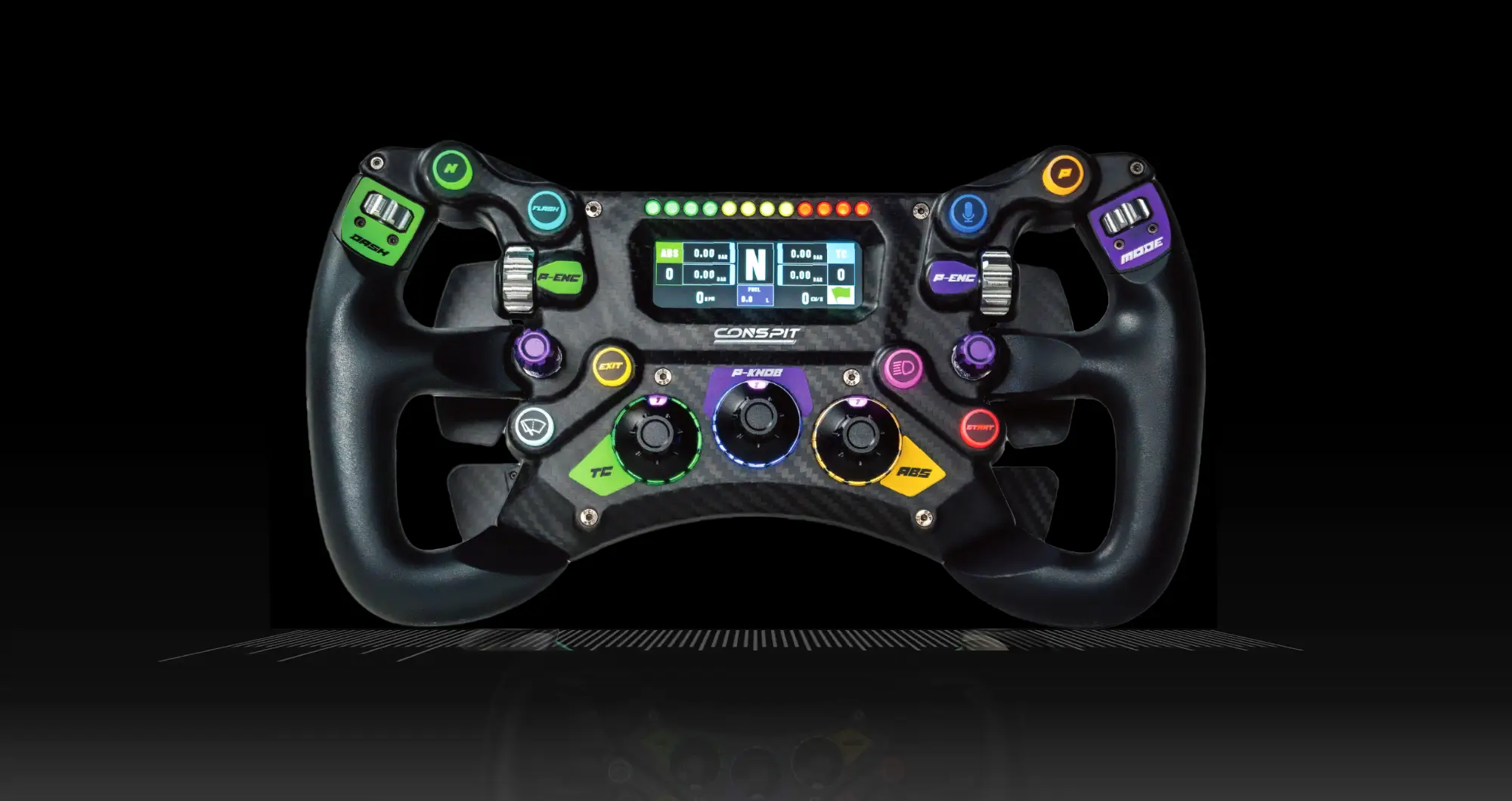
CONSPIT 300GT STEERING WHEEL
Best Value @ $399
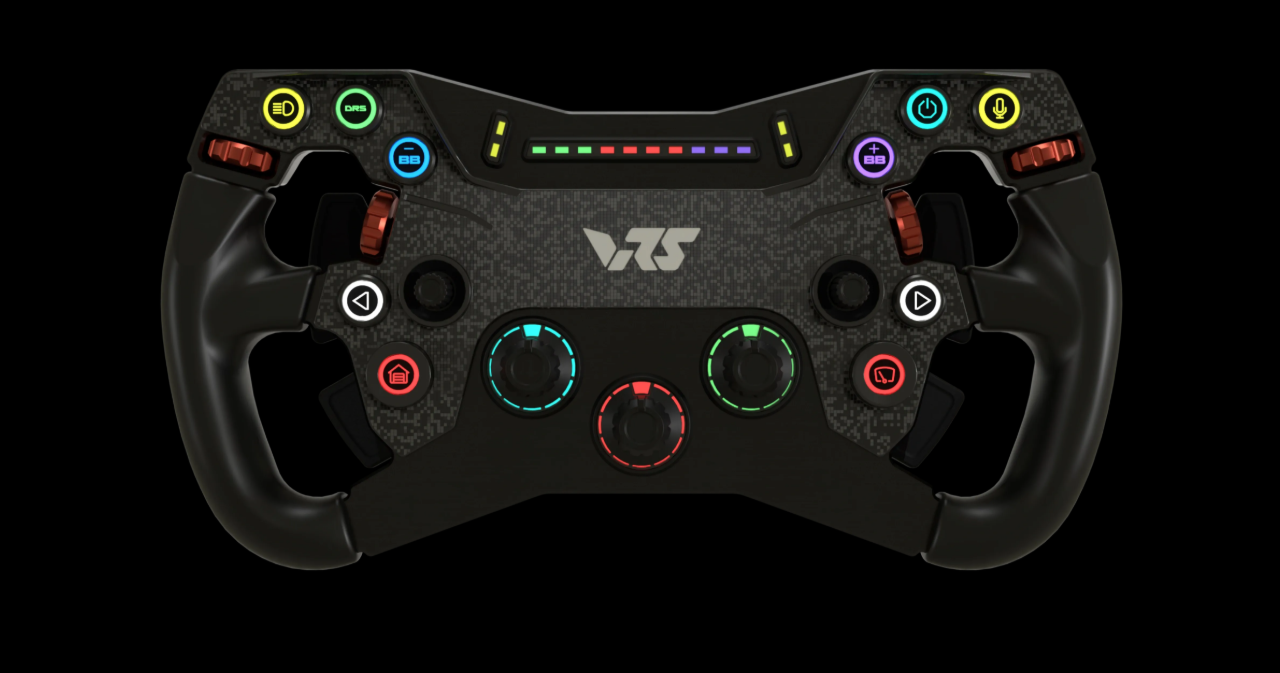
VRS R295 Steering Wheel
Best Value @ $349
MOZA FSR2 Formula Wheel
Best Value @ $649
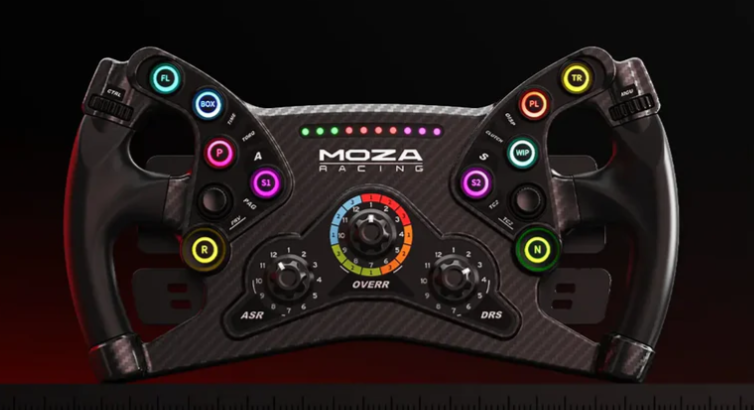
MOZA KS Steeering Wheel
Best Value @ $249
A packed trade show floor gives attendees dozens of reasons to keep walking. The event racing simulator success examples that stand out are the ones that stop that motion, put a guest in a real racing seat, and give them a reason to stay, compete, and come back with a colleague. The simulator is the draw, but the experience around it determines whether it becomes a memorable brand moment or just another line on the show floor.
For corporate events, premium sim racing works because it combines spectacle with participation. Guests do not merely watch a branded activation. They race, compare lap times, receive guidance from a trained racing coach, and see the sponsor’s identity on the car, the simulator, and the virtual circuit. That creates a more personal connection than a photo backdrop or a prize wheel can deliver.
What Successful Event Racing Simulator Activations Have in Common
The strongest activations are designed around an event objective before the equipment ever arrives. A sales team may need a high-energy conversation starter. A conference organizer may want an entertainment anchor that holds guests during a reception. A people team may be looking for team-building that does not force coworkers into an awkward icebreaker.
Full-motion racing simulators can serve each of those needs, but the format should change with the goal. A trade show needs fast driver turnover and a clear lead-capture flow. A client appreciation event benefits from longer sessions, coached races, and a polished leaderboard. An internal team event can support a friendly season format that gives every participant a chance to improve.
Professional-grade hardware matters here. Pro-driver-grade wheel bases, pedals, cockpits, displays, and motion systems make the first lap feel convincing rather than gimmicky. Just as important, trained coaches keep the experience approachable. A guest who has never driven a simulator should not feel intimidated by a high-performance setup. A coach can set expectations, explain braking points, make small adjustments, and turn initial nerves into a genuine competitive moment.
Example 1: The Trade Show Booth That Became a Destination
At a busy convention, a branded full-motion simulator can create the visual and audible energy that a standard booth lacks. The best version of this activation does not ask every attendee to complete a long race. It offers a concise challenge: a practice lap, a timed lap, and a leaderboard position.
One successful format places the sponsor’s logo on the simulator exterior, the in-sim race car, and trackside billboards. From several aisles away, people can see a driver working the wheel while the motion platform responds to braking and cornering. The branded visual appears repeatedly, not just on a banner behind the activity.
The business value comes from the operational details. A greeter manages the line and introduces the challenge. A racing coach gets each driver up to speed quickly. A booth representative has a natural opening to speak with guests after their lap, when adrenaline is high and their lap-time result is on screen. For qualified prospects, a return race later in the day becomes a useful reason to reconnect.
This model works best when the booth has enough space for spectators and a lead-capture plan that does not slow down the racing. It is less effective when the simulator is hidden in a small footprint or when registration takes longer than the actual experience.
Example 2: A Corporate Party With Real Team Rivalry
A holiday party or annual company celebration often has a difficult job: entertain employees with very different personalities without splitting the room into separate groups. Sim racing creates a shared focal point. People who do not want to drive can still watch the leaderboard, cheer for their department, and debate the fastest lap.
A strong event format divides the company into teams, assigns a series of short driving sessions, and posts results on a large display. The racing coach keeps the competition fair by helping new drivers understand the basics while still letting experienced drivers chase tenths of a second. The point is not to identify the next professional racer. It is to give every employee a chance to contribute a meaningful lap.
One practical success measure is repeat participation. When a guest returns after dinner to try to beat a coworker’s time, the activation is doing more than filling a corner of the room. It is extending engagement throughout the event. A final podium presentation, lighthearted awards, or a team trophy can give the party a finish that feels intentional.
There is a trade-off. A serious tournament can be exciting for competitive groups, but it may discourage first-time drivers if it feels too technical. For broad employee audiences, a mixed format usually performs better: a simple individual hot-lap challenge early in the event, followed by an optional team final for the fastest drivers.
Event Racing Simulator Success Examples for Brand Exposure
The most valuable branding opportunities are integrated into the race itself. A logo printed on equipment can be seen, but a logo that appears on a car speeding down a virtual straightaway becomes part of the story guests tell afterward. It also appears in photos and short videos captured by coworkers, customers, and event staff.
Consider a product launch where the sponsor wants attendees to associate the brand with precision, speed, or engineering. A customized racing environment can reflect those themes without requiring a long sales presentation. Brand colors on the simulator, sponsored cars in the game, and track billboards create a consistent visual system. The experience feels built for the company rather than rented at the last minute.
Customization should still be selective. Covering every available surface with logos can make a premium simulator feel cluttered. A better approach uses a clear hierarchy: the primary brand appears on the cockpit and race car, while event messaging supports the experience on screens, signage, or the leaderboard. Guests should recognize the sponsor immediately without losing the sensation of being in a real race environment.
Example 3: The Client Event That Encouraged Better Conversations
Client entertainment is successful when it provides a comfortable reason for people to interact. Sim racing does this particularly well because it replaces forced small talk with a shared challenge. A host can race alongside a client, compare results, or simply watch a fast lap together before moving into a conversation.
For an executive audience, the setting should feel polished from start to finish. High-level equipment, professional coaching, clean event staffing, and carefully managed race sessions signal that the host invested in the guest experience. Rather than a generic arcade game, the simulator becomes a premium hospitality feature.
A useful format includes a short coached session for each guest and a private leaderboard for the group. Avoid requiring every attendee to compete publicly. Some clients will enjoy the spotlight; others will prefer to take a few practice laps with a coach. Giving both options increases participation without weakening the event’s competitive energy.
Measuring Results Beyond the Fastest Lap
Lap times make a great centerpiece, but organizers should measure the result that matters to the event. For a conference, that may be the number of qualified conversations started near the simulators. For a brand activation, it may be content captured, return visits, or voluntary registration. For a team event, it may be participation across departments and post-event feedback.
The most reliable measurement plan is simple enough for event staff to run in real time. Track guest sessions, leaderboard entries, leads collected where appropriate, and the number of guests who return for another attempt. Pair those observations with a short follow-up survey or internal debrief. This reveals whether the simulator was only busy or genuinely valuable.
Do not overlook dwell time. A high-quality simulator activation naturally attracts spectators, which means the audience is usually larger than the number of drivers. If the presentation area supports viewing, branded content, and friendly commentary, each racing session can reach a small crowd rather than one person at a time.
The Difference Between a Rental and an Experience
A simulator alone cannot carry an event strategy. The best results come from matching the racing format, staffing, branding, and guest flow to the audience. A full-motion rig creates the initial wow factor, but expert coaching makes the experience accessible, and customized visuals give the sponsor a lasting place in the memory.
Sim Racing Warehouse builds event experiences around that complete picture, using premium equipment trusted by serious racers and trained coaches who help every guest find their confidence behind the wheel. Whether the event is a conference in Dallas, a client gathering in Nashville, or a large corporate celebration, the goal is the same: create a race people want to talk about after they step out of the cockpit.
Give guests a reason to take one more lap, challenge one more colleague, and remember whose brand put them on the grid. Book your event today.
SHARE THIS STORY ANYWHERE YOU LIKE
SHARE THIS STORY ANYWHERE
fusion_global=”97″]
