

Experiential Marketing Racing Simulators That Perform
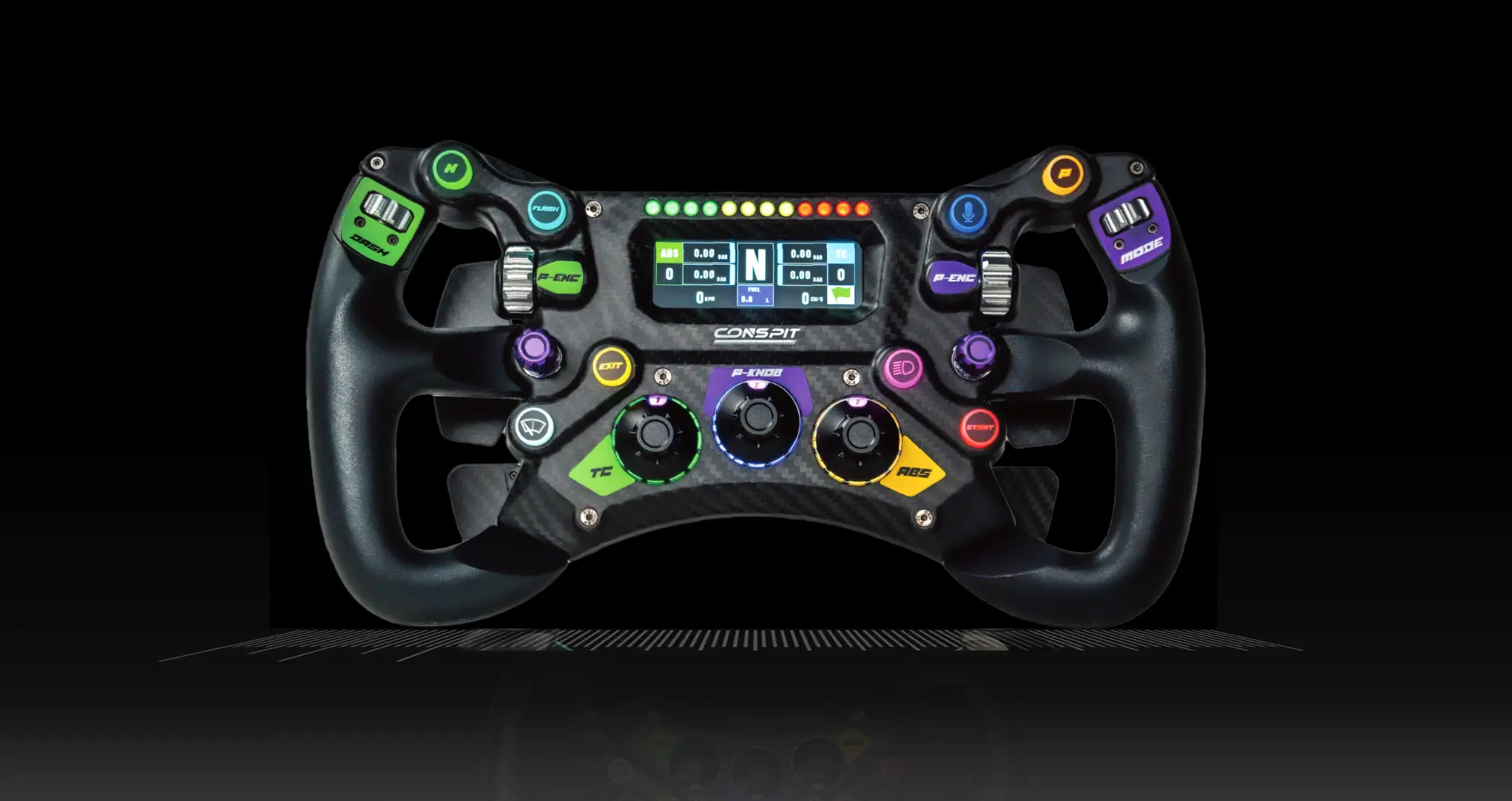
CONSPIT 300GT STEERING WHEEL
Best Value @ $399
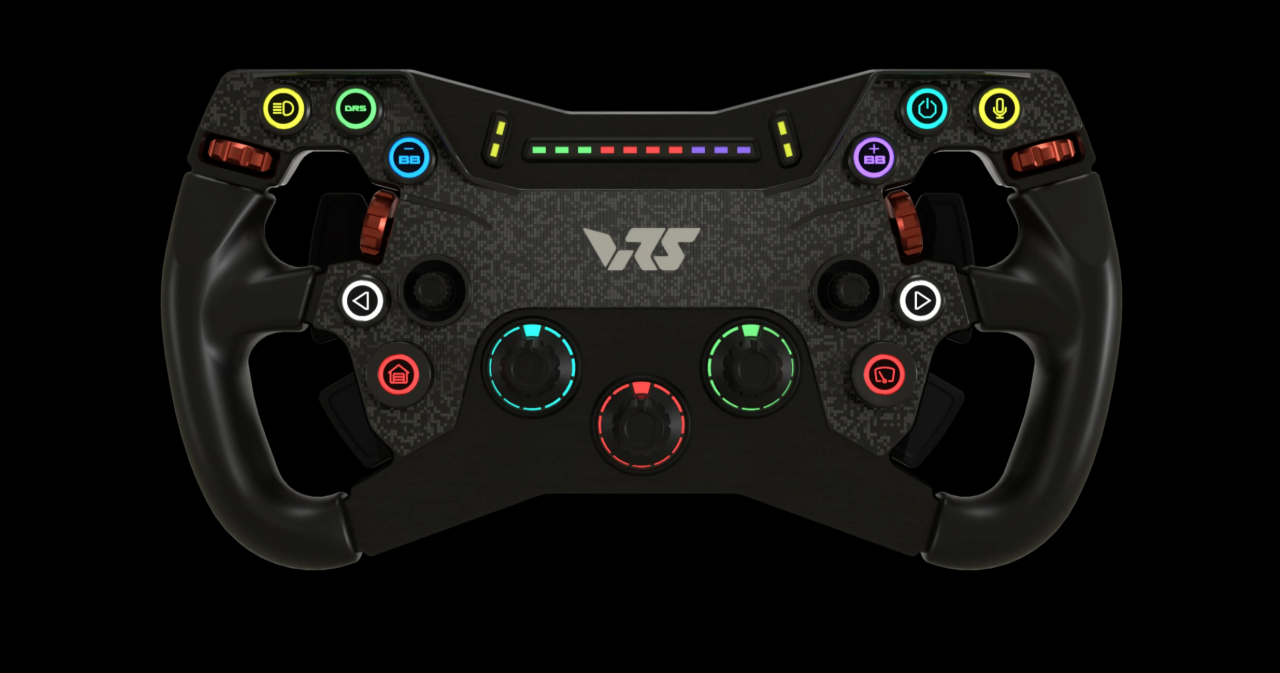
VRS R295 Steering Wheel
Best Value @ $349
MOZA FSR2 Formula Wheel
Best Value @ $649
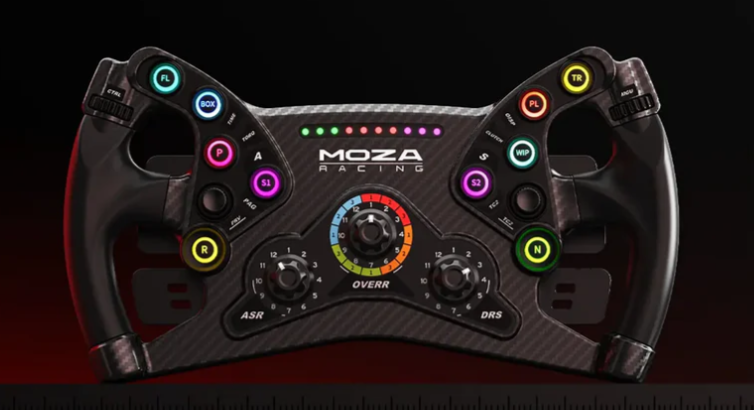
MOZA KS Steeering Wheel
Best Value @ $249
A crowded trade show floor gives attendees a hundred reasons to keep walking. A full-motion racing simulator gives them a reason to stop, sit down, compete, and remember who put them in the driver’s seat. Experiential marketing racing simulators turn passive event traffic into a high-energy brand moment built around speed, skill, and genuine participation.
For corporate events, conferences, client parties, and product launches, that distinction matters. A branded backdrop may be seen. A coached race, complete with a moving cockpit, a leaderboard, and a cheering crowd, gets felt. The right simulator activation creates an experience guests want to share, revisit, and talk about after the event ends.
Why Experiential Marketing Racing Simulators Earn Attention
Sim racing works because it is immediately understandable. Guests do not need to be motorsports experts to know what to do when they see a racing seat, steering wheel, pedals, and a track on screen. They recognize the challenge right away: put down a clean lap, beat a colleague, and claim a spot on the leaderboard.
That accessibility is valuable for event teams. The experience has enough realism to excite experienced drivers and racing fans, but it remains approachable for first-time guests when trained racing coaches are present. A professional coach can adjust the experience, explain braking points, build confidence, and keep the line moving without making anyone feel out of place.
The result is not just entertainment placed in a booth. It is a repeatable engagement engine. Guests watch others race, wait for their turn, compare lap times, and return to improve. That natural cycle creates energy around a brand footprint without relying on staff to force conversations.
Participation Creates a Stronger Brand Memory
There is a practical reason event marketers prioritize interactive installations: people remember what they do. A guest who only receives a brochure has little reason to connect it with the rest of a busy event day. A guest who races a branded car around a circuit, sees the company name on trackside billboards, and earns a personalized result has a more distinct memory to take home.
The brand presence can be built into the experience rather than added around its edges. Your logo can appear on the physical simulator, the digital race car livery, the track billboards, and the leaderboard display. That repeated exposure feels natural because it is part of the race environment. It gives attendees multiple visual touchpoints while keeping the focus on fun.
The Difference Between a Game Station and a Premium Activation
Not every racing setup is ready for a corporate audience. A consumer game console with a basic wheel can occupy a few guests, but it rarely creates the visual impact, realism, or operational reliability expected at a high-value event. If the experience feels like something attendees could play at home, it has a lower ceiling as a brand activation.
Premium full-motion simulators are built for a different purpose. Pro-driver-grade wheel bases, responsive pedals, racing cockpits, high-resolution displays, and motion systems combine to communicate quality before a guest even starts the engine. Under acceleration, braking, and cornering, the cockpit moves with the action. That physical feedback turns a screen-based activity into a more believable driving experience.
This is where equipment quality and event execution meet. High-end hardware supports precise driving, but trained operators make it work for real guests in a real venue. They manage resets, guide seating adjustments, coach each driver, explain the race format, and keep the activation polished during peak traffic. For planners, that support is the difference between an ambitious idea and a dependable event feature.
Full Motion Is Powerful, but Format Still Matters
Full motion creates a strong visual draw and a more intense driving sensation, especially for premium client entertainment, large conference installations, and motorsports-adjacent campaigns. It signals that the brand invested in an experience worth stopping for.
Still, the best format depends on event goals. A compact footprint may call for fewer simulators or a timed hot-lap challenge. A large convention booth may benefit from multiple stations, a live leaderboard, and scheduled competitions that pull crowds at set times. A private party may prioritize head-to-head racing and a relaxed coaching experience over maximum throughput.
Space, attendee volume, venue access, power availability, and brand objectives should shape the design. The goal is not simply to place the largest simulator possible in the room. It is to create an activation that looks exceptional, runs efficiently, and gives each guest a meaningful turn.
Building a Race Format Guests Want to Join
The most effective activations use a clear, low-friction competition structure. Long practice sessions can reduce throughput and leave guests unsure of when they are finished. Short qualifying runs, timed challenges, and head-to-head heats create a more understandable rhythm.
A timed hot lap is often ideal for trade shows and conferences. Drivers get a brief orientation, complete a focused session, and see their result immediately. The leaderboard does the rest, encouraging competitive attendees to come back later while creating a reason for coworkers to challenge one another.
For internal team-building and client events, a bracket-style format can be more memorable. Teams can represent departments, regions, or client groups, with coaches helping every driver find pace. The format gives people a shared story beyond small talk: who recovered from a spin, who found unexpected speed, and which team took the final.
The experience should also meet guests where they are. A confident racing fan may want the chance to push hard, while a first-time driver may need calm instruction and a forgiving session. Professional racing coaches provide that adjustment in real time. They protect the excitement for advanced drivers while making the simulator inviting for everyone else.
Branding That Belongs on the Track
A simulator activation should not look like a generic attraction with a logo added at the last minute. The strongest programs make the company part of the race weekend.
Physical branding on the simulator chassis establishes presence from across the room. Digital car liveries make the brand central to every lap. Track billboards reinforce the message during the race itself, while a branded leaderboard creates an easy photo and conversation point after the checkered flag. Together, these elements give the activation a cohesive visual identity that feels intentional.
Customization also supports different campaign goals. A product launch can feature campaign colors, messaging, and a track environment aligned with the product story. A sales kickoff can use team names and regional standings. A client event can make the competition more personal with custom recognition for the fastest lap, cleanest driver, or winning group.
There is a balance to maintain. Overloading every screen with copy can make the experience feel promotional rather than exciting. Keep the brand highly visible, but let the race remain the hero. Guests will engage longer when they feel they are participating in something entertaining rather than being asked to sit through an advertisement.
What Event Planners Should Expect From a Simulator Partner
The simulator itself is only one part of the deliverable. A reliable event partner should understand loading access, setup timing, power needs, floor protection, guest flow, staffing, branding approvals, and teardown. These details are especially important at conferences and trade shows, where move-in windows are limited and every square foot has a cost.
Ask early about the intended footprint and the number of concurrent drivers. One simulator can create a premium focal point for a smaller audience. Multiple full-motion rigs create a more substantial destination, particularly when paired with competition and spectator screens. The right number depends on expected attendance and the amount of time each guest should spend in the experience.
Operational consistency matters as much as visual impact. Equipment should be professional-grade and maintained for event use. On-site staff should be able to troubleshoot quickly, coach guests confidently, and keep the activation moving during the busiest moments. A technical issue that stalls a booth for twenty minutes can cost far more than lost race time.
Sim Racing Warehouse brings that event-first perspective to full-motion racing simulator rentals, with trained racing coaches and premium equipment designed to deliver a polished guest experience. For events in markets such as Nashville, Dallas, Orlando, Atlanta, Chicago, Indianapolis, and beyond, a professionally managed racing activation can arrive as a complete experience rather than a collection of equipment cases.
Measuring More Than a Fast Lap
A winning activation should be measured against its business purpose, not only the crowd size around it. For a trade show, useful signals may include qualified conversations, lead capture participation, return visits, and dwell time. For a client event, the better measures may be attendance, participation across groups, social sharing, and post-event feedback.
The race format can support those goals without interrupting the fun. A leaderboard can encourage repeat visits. A final round at a scheduled time can bring attendees back to the booth. Optional registration before a race can create a natural point for data collection when handled clearly and respectfully. Staff can connect the experience to the broader brand conversation once a guest steps out of the cockpit energized.
A racing simulator will not solve a weak event strategy on its own. But when it is tied to a clear audience, thoughtful branding, expert coaching, and a competition format that suits the venue, it gives people something rare: a reason to spend real time with a brand. Book your event with an experience guests will still be debating after the last lap.
SHARE THIS STORY ANYWHERE YOU LIKE
SHARE THIS STORY ANYWHERE
fusion_global=”97″]
