

Motion Simulator Versus Static: What Wins Events?
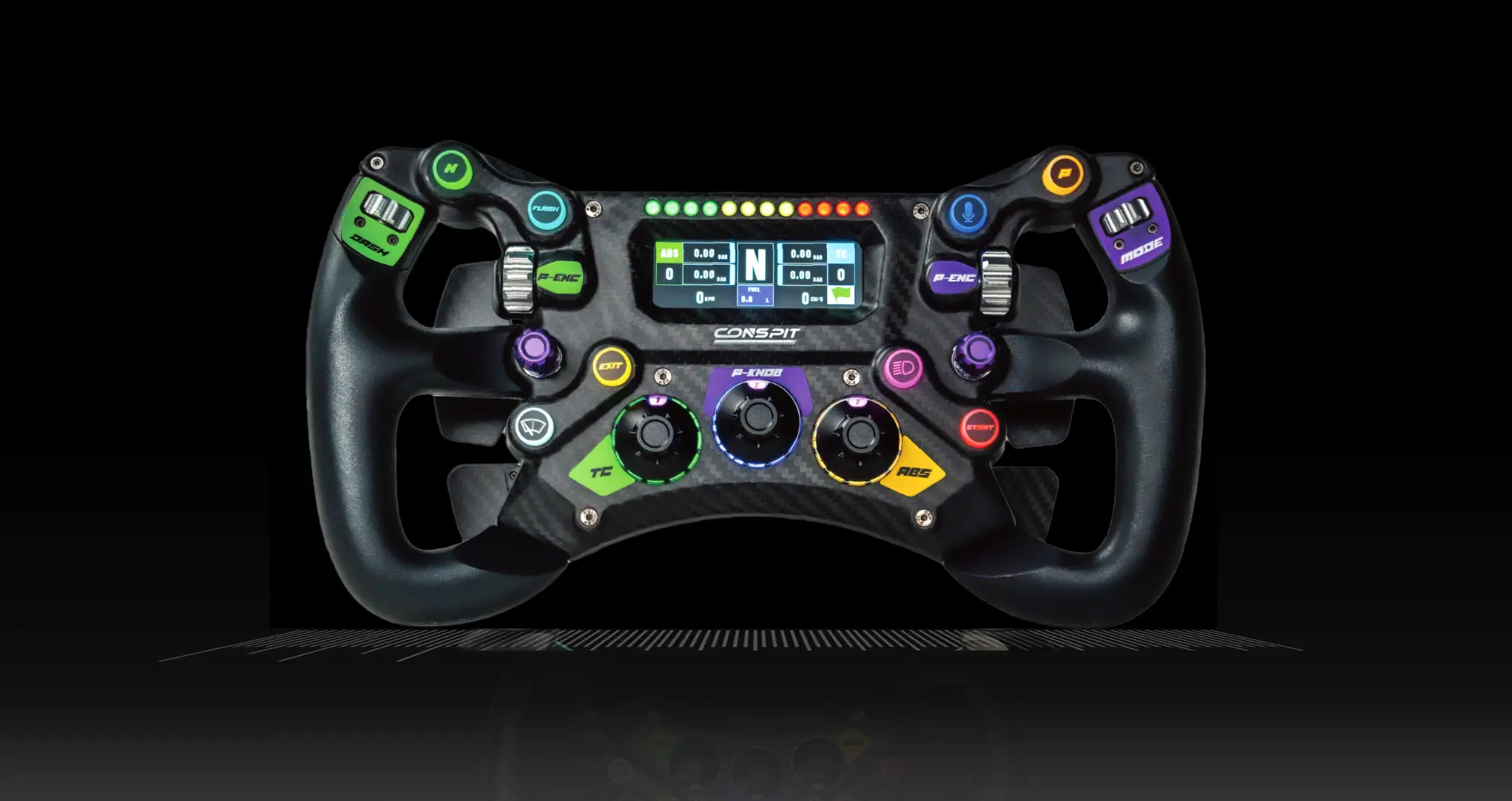
CONSPIT 300GT STEERING WHEEL
Best Value @ $399
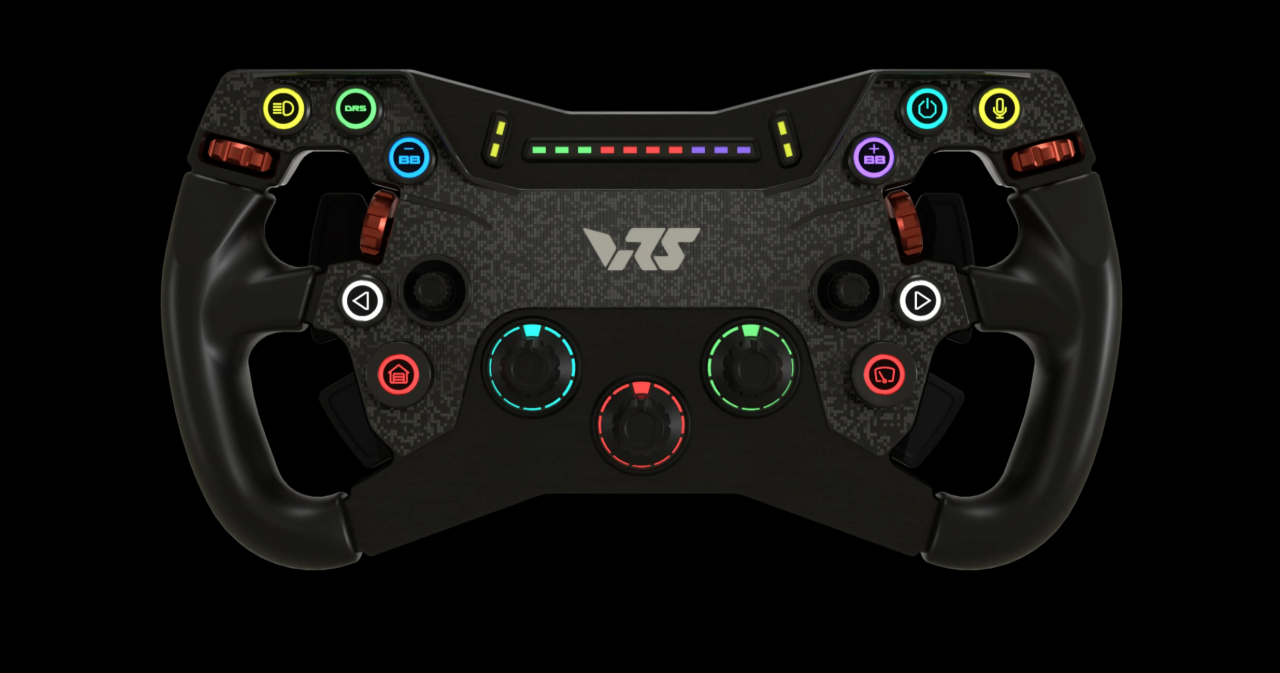
VRS R295 Steering Wheel
Best Value @ $349
MOZA FSR2 Formula Wheel
Best Value @ $649
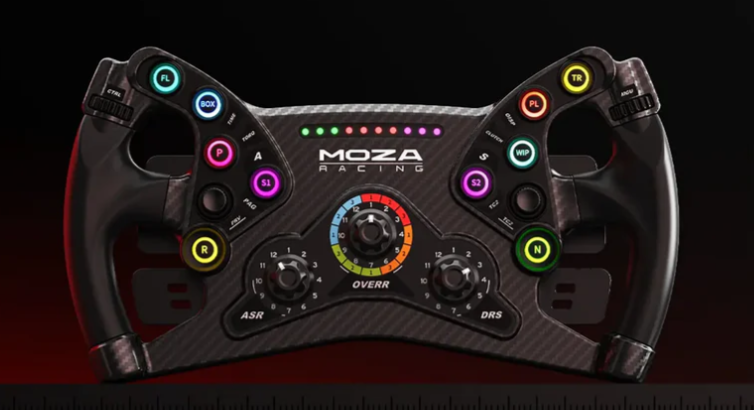
MOZA KS Steeering Wheel
Best Value @ $249
A packed trade show floor gives attendees dozens of reasons to keep walking. A racing experience has only seconds to pull them in. That is why the motion simulator versus static decision matters far beyond the spec sheet: it changes the energy around your booth, the memories guests take home, and the visibility your brand earns throughout the event.
For corporate parties, conventions, product launches, and client entertainment, both static and full-motion racing simulators can deliver legitimate driving excitement. The better choice depends on the moment you are creating, the volume of guests you expect, and whether your goal is a fast, competitive activity or a premium centerpiece that stops traffic.
Motion Simulator Versus Static: The Real Difference
A static simulator puts the guest in a fixed cockpit with pro-driver-grade controls, a racing seat, pedals, wheel base, and visual display. The car moves on screen while the driver feels steering weight, braking resistance, road texture, and vehicle behavior through the equipment. A quality static rig is not a casual arcade game. With the right hardware and setup, it can teach clean inputs, reward consistency, and create intensely competitive lap-time battles.
A full-motion simulator adds physical movement to that driving experience. The cockpit responds to acceleration, braking, curbs, cornering forces, and changes in grip. When a guest turns into a fast corner or catches a slide, the seat movement gives the body another layer of feedback. The result is not simply more action. It makes the race feel more immediate, more dramatic, and more shareable for the people waiting nearby.
Motion does not replace good racing hardware, professional configuration, or a well-run event. It amplifies them. A poorly tuned motion platform can distract from the driving, while a static rig with serious controls can still create an excellent competition. The strongest event programs begin with reliable pro-level equipment and trained support, then choose motion when the experience calls for an unmistakable visual and physical payoff.
Why Full Motion Draws a Crowd
At a corporate activation, the audience is not just the person holding the wheel. Colleagues, prospects, and passersby become part of the moment when they watch a driver brake hard into a corner, react to a curb, or fight to keep the car under control. A moving cockpit is easy to understand from across the room. It signals that something more compelling than a standard screen-based activity is happening.
That visual energy matters for brand engagement. A full-motion race simulator creates natural conversation starters, encourages spectators to record short videos, and gives a host an obvious focal point for announcing leaderboards or calling out a head-to-head challenge. For a conference booth, it can provide the physical presence needed to compete with neighboring displays. For an evening client event, it can set a premium tone before guests even take their first lap.
The physical feedback also helps first-time drivers connect their actions to the car. A trained racing coach can explain why smooth braking, measured steering, and early throttle application improve a lap. Then the guest feels those concepts rather than merely hearing them. That coaching turns a quick ride into an achievement, whether the driver is an experienced motorsports fan or someone who has never sat in a racing cockpit.
Where Static Simulators Have an Advantage
Static simulators deserve a place in serious event planning because they can be exceptionally efficient. They generally have a smaller operational footprint, require less space around the cockpit, and can be deployed in greater numbers within the same venue. If your priority is putting as many guests as possible through the experience, multiple static stations may outperform one motion unit.
They are also ideal when the central objective is a clean competition. With identical static rigs, standardized car settings, and a carefully selected circuit, every participant faces the same challenge. This works especially well for team-building events where the leaderboard is the star. Guests can rotate through qualifying sessions, compare lap times, and return later to defend their position.
A static format can also be the smart fit for venues with strict space, access, floor-load, or power considerations. Hotels, ballrooms, and convention spaces vary widely. The best rental partner evaluates the room rather than forcing an oversized footprint into an environment where it does not belong. Premium does not always mean maximum movement. It means matching the equipment to the experience you promised guests.
Guest Throughput Is More Than a Number
Event planners often ask which format moves more people through. Static stations usually win on raw throughput, especially when several rigs operate at once. A short practice lap followed by a timed lap can keep the line moving while still giving every driver a meaningful shot at the leaderboard.
Motion requires a little more attention per participant. Guests need to enter and exit safely, get comfortable in the seat, and understand what they will feel once the session begins. That does not make motion inefficient. It means the value is different. A full-motion session tends to feel like a featured experience, where anticipation and spectator appeal are part of the return.
For high-volume trade shows, the most effective answer is often a mix. Static simulators can accommodate continuous qualifying while a motion simulator becomes the hero attraction, VIP reward, finals stage, or social-content engine. This creates more opportunities for participation without asking every attendee to wait for the same premium station.
Branding Changes the Equation
If a simulator is being used to generate brand exposure, the visual environment deserves as much consideration as the hardware. A generic driving game may entertain people, but a fully branded racing experience can keep your company visible before, during, and after each session.
Sim Racing Warehouse can place your branding directly on the simulators, within the in-sim race cars, and on trackside billboards. That gives every driver a more cohesive experience and gives every spectator repeated brand cues that feel integrated rather than pasted onto an activity. It is particularly valuable for product launches, dealer meetings, sponsor activations, and conference booths where the experience must reinforce a message as well as entertain.
Motion makes branded content especially powerful because the cockpit itself becomes part of the visual. A branded moving simulator naturally attracts cameras and crowds. Static rigs can deliver strong brand value too, particularly in a multi-station format with matching wraps, on-screen leaderboards, and a prominent event backdrop. The choice comes down to whether you need one dramatic statement or a larger field of participants representing your brand at once.
Choosing the Right Format for Your Event
Start with the outcome, not the simulator label. If the event needs a high-end wow factor that guests will talk about afterward, full motion is usually the right lead choice. It is well suited to executive receptions, large-scale conferences, premium client entertainment, and experiential marketing campaigns where visibility carries real value.
If the event needs broad participation, structured competition, or several simultaneous drivers, static rigs may offer a better operational fit. They are excellent for employee tournaments, hospitality suites, campus events, and booth activations with a constant stream of attendees.
Then consider the environment. Ceiling clearance, load-in access, available floor space, the proximity of guest lines, ambient noise, and the schedule all affect the final recommendation. A professional event team should also account for staffing. Racing coaches do more than troubleshoot equipment. They welcome nervous first-timers, keep experienced guests challenged, explain the rules, and make sure the activity feels polished from the first session to the last.
The Best Experience Is Designed, Not Just Delivered
The wrong question is whether motion is always better than static. Motion is more immersive and visually commanding, but static can be the stronger choice when scale, pace, or competition structure matters most. The right question is what guests should feel when they leave your event.
If you want them to remember the rush of braking into a corner, the reaction of the cockpit beneath them, and the moment they saw their company’s branding on the car and track, book a full-motion experience built for that impact. If you want a room full of colleagues trading lap times and cheering for a leaderboard, build a multi-rig competition that keeps everyone involved. Either way, pro-driver-grade equipment and expert coaching turn a simulator from a diversion into the part of the event people keep talking about.
SHARE THIS STORY ANYWHERE YOU LIKE
SHARE THIS STORY ANYWHERE
fusion_global=”97″]
