

Racing Simulator Venue Coordination That Performs
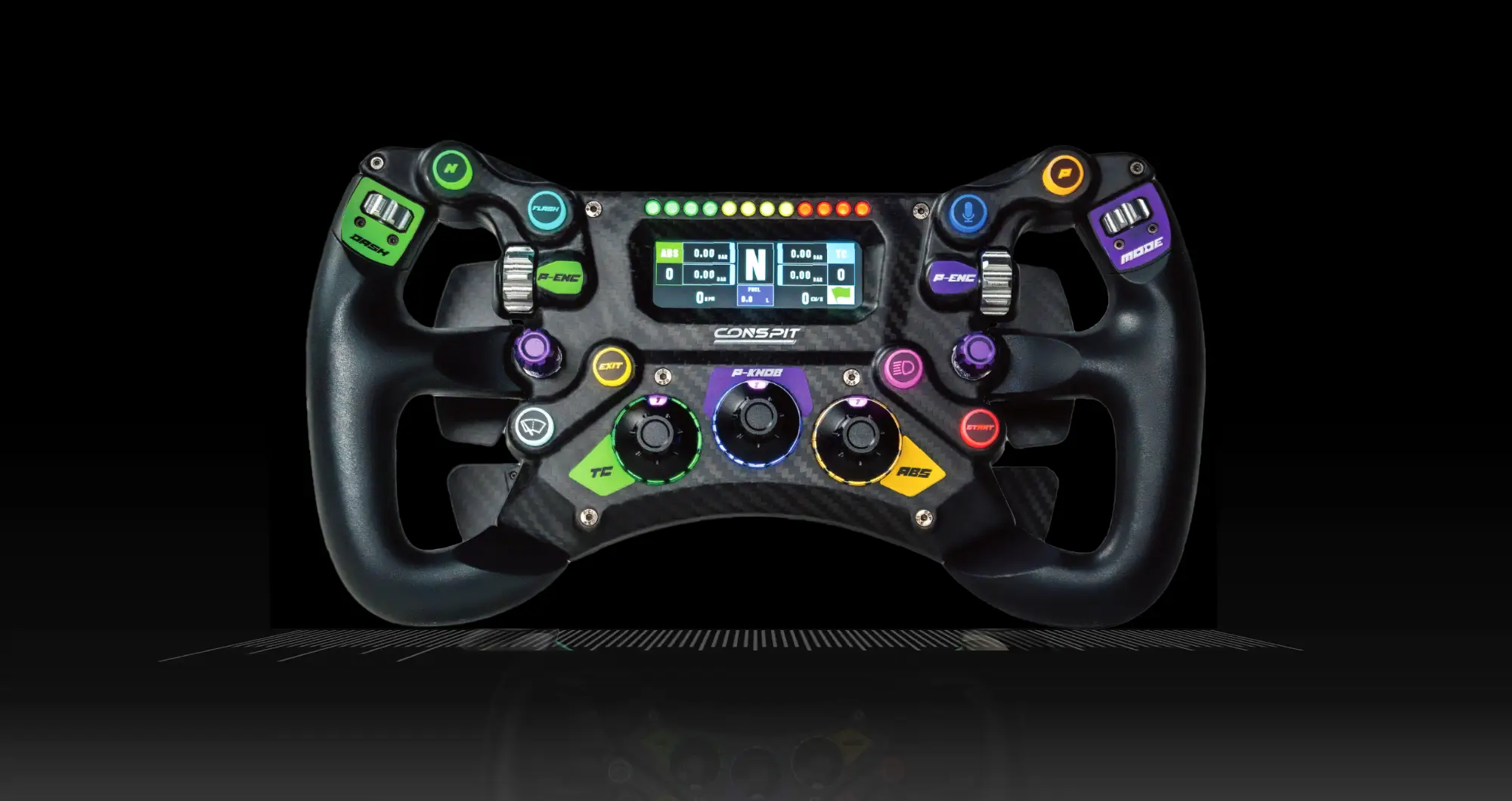
CONSPIT 300GT STEERING WHEEL
Best Value @ $399
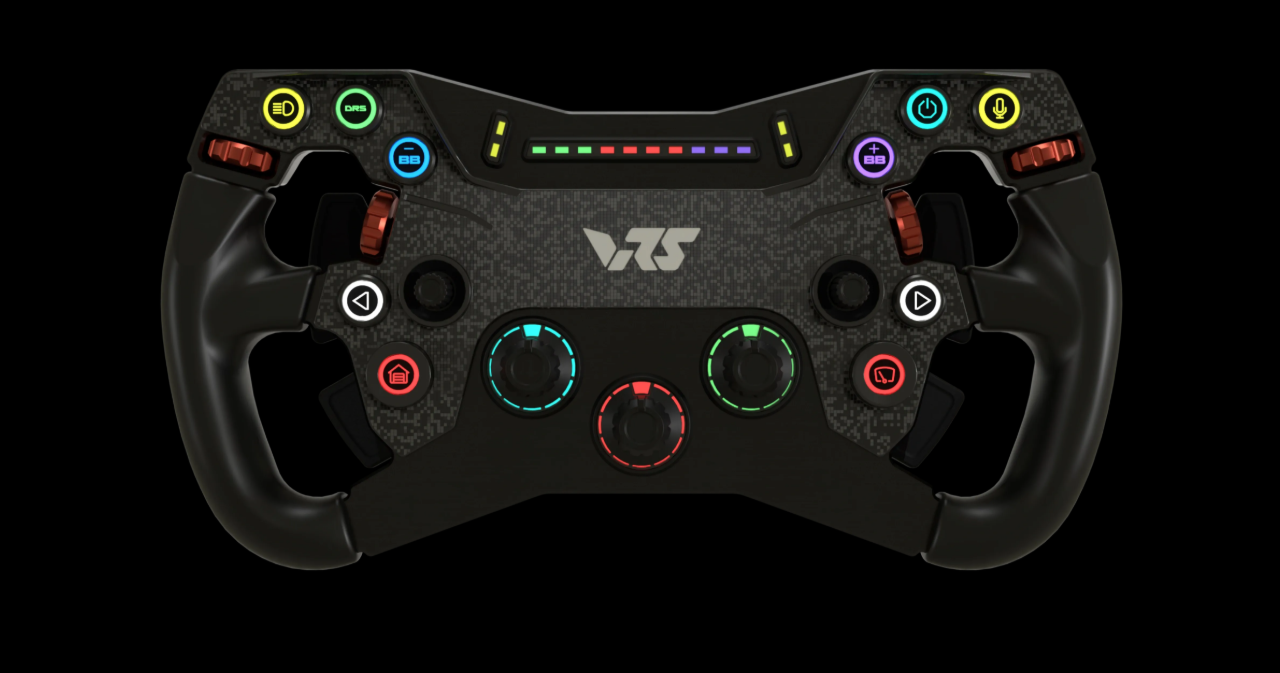
VRS R295 Steering Wheel
Best Value @ $349
MOZA FSR2 Formula Wheel
Best Value @ $649
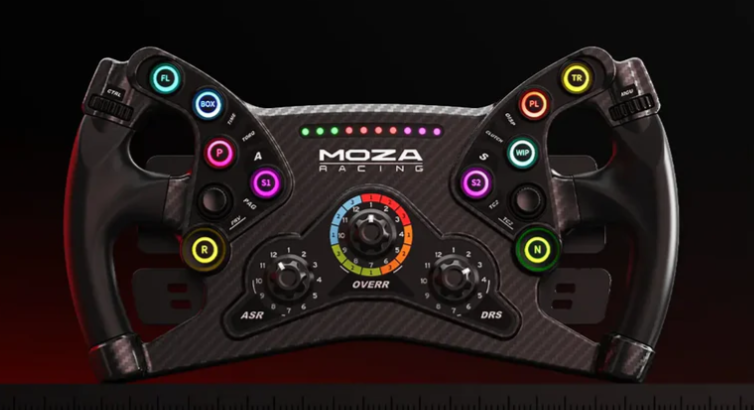
MOZA KS Steeering Wheel
Best Value @ $249
A full-motion simulator can stop traffic from across a convention floor. It can also sit quiet if the venue plan puts it behind a pillar, gives it a weak power source, or leaves guests unsure where the line begins. Racing simulator venue coordination is the work that turns premium hardware into a high-energy event attraction – and it starts well before the first guest takes the wheel.
For corporate parties, conferences, trade shows, and client events, the goal is not simply to place simulators in a room. The goal is to create a visible, well-managed experience that moves guests through the action, gives every participant a great moment, and puts your brand in front of the right audience.
Racing Simulator Venue Coordination Starts With the Room
A floor plan reveals more than square footage. It tells an event team whether the activation will feel like a destination or an afterthought. Full-motion racing simulators need a defined footprint, clear guest approach, room for a coach to work, and enough visual breathing room for spectators to enjoy the race. A crowded corner may technically fit the equipment, but it can restrict the very energy that makes sim racing compelling.
Placement should serve the event objective. For a trade show, simulators work best where passing traffic can see the motion, screens, and branded cars without blocking neighboring exhibitors. For a corporate party, the ideal location is often near the main social activity, where coworkers can cheer, compare lap times, and return for another race. For a conference reception, the activation may need enough distance from presentations or networking areas to protect conversations while still drawing attention.
Ceiling height, door widths, elevator access, loading routes, and floor surface all matter. So does the path from the loading dock to the event space. A hotel ballroom on an upper floor may be an excellent setting, but a tight service elevator or a long route through guest corridors changes load-in timing. Confirming those details early prevents rushed decisions on event day.
The guest sightline is equally valuable. A simulator facing a blank wall wastes the spectacle. When guests can see a driver reacting to the track, a live leaderboard, and the movement of the rig, participation builds naturally. Spectators become the next racers.
Power, Internet, and the Details That Protect Uptime
Premium pro-driver-grade equipment deserves event infrastructure that can support it. Coordinators should verify dedicated power availability, circuit locations, cable routing rules, and venue restrictions on taping or floor covers. Power plans should leave room for monitors, computers, motion platforms, lighting, and branded displays rather than treating the simulator as a single plug-in item.
Internet needs depend on the format. A locally operated experience may not require venue Wi-Fi for the racing itself, while event registration, leaderboard displays, content sharing, or remote support can benefit from a stable connection. Venue Wi-Fi is not automatically event-ready, especially in a packed convention hall where hundreds of attendees are competing for bandwidth. The best plan identifies what must be connected, what can operate independently, and what backup option is available.
Cable management is part of guest safety and brand presentation. Cables should be protected and routed away from queue paths, entrances, and service corridors. This is a small operational detail with a large effect: a clean activation looks premium, photographs better, and lets guests focus on racing instead of watching their step.
Design the Guest Flow, Not Just the Simulator Layout
The strongest sim racing activations have a rhythm. Guests notice the experience, understand what is happening, join the line without confusion, receive quick direction, race, celebrate their result, and make room for the next driver. If any part of that cycle stalls, the queue gets longer and the excitement drops.
Race length should match the attendance pattern. Shorter sessions often make sense during a busy trade show or a large conference break, where throughput is a priority. Longer formats can be more effective for executive groups, VIP hospitality, or team-building events where competition and coaching are central to the experience. There is no single right session length. It depends on the number of simulators, expected guest volume, event duration, and whether the activation is intended to create broad participation or a more in-depth racing moment.
A visible queue entry and a clear waiting area prevent guests from clustering around the equipment. The line should not cut across a food station, emergency exit, or another sponsor’s footprint. If space permits, position screens where waiting guests can watch active races and leaderboard changes. Watching a colleague battle for a faster lap makes the wait feel like part of the entertainment.
Professional racing coaches are the difference between a simulator that looks impressive and an experience guests remember. A coach gets first-time drivers comfortable, adjusts the experience for varying skill levels, keeps races moving, and brings genuine motorsport energy to each session. That guidance is especially important when a guest has never used a performance wheel and pedal set before. Nobody should feel intimidated by premium equipment.
Branding Must Be Built Into the Experience
A branded backdrop alone is useful, but a racing simulator can carry your identity much further. When the brand appears on the simulators, on the in-sim race cars, and across track billboards, guests encounter it during the action rather than only while they wait in line. That creates a more memorable visual connection and gives event photographers meaningful content to capture.
Branding coordination needs lead time because the visual assets must be placed with purpose. A logo on a car livery should remain recognizable at speed. Track signage should support the racing environment rather than compete with key driving information. Physical branding should work with the venue’s lighting, sightlines, and approved installation methods. The strongest result feels like a branded race weekend, not a logo added at the last minute.
For marketing teams, decide early what success looks like. It may be lead capture, social content, client hospitality, employee engagement, or a measurable number of races completed. That decision affects registration, leaderboard design, prize structure, and reporting. A leaderboard with participant names may fuel friendly internal competition, while a trade show activation may favor an opt-in process that supports qualified conversations after the race.
Put One Team in Charge of Event-Day Decisions
Venue coordination can break down when the planner, venue manager, production team, and activation provider each assume someone else owns a detail. Establishing a primary contact from each group creates a fast path for decisions about load-in, power, access credentials, floor-plan adjustments, and timing changes.
A useful event-day schedule accounts for more than guest doors opening. It includes arrival windows, security check-in, equipment load-in, build time, testing, branding placement, staff briefing, and a final walkthrough. The venue should know the activation’s operating hours and when sound levels, motion, or lighting may affect nearby programming. The activation team should know when the room becomes unavailable for resets or when catering, presentations, and entertainment will change guest traffic.
Contingency planning should be practical, not dramatic. Keep a backup approach for a circuit issue, a late room release, an unexpected queue spike, or a schedule shift. A knowledgeable provider can adapt race formats, adjust guest flow, and maintain the quality of the experience without making the event feel disrupted.
Sim Racing Warehouse coordinates full-motion racing experiences with the same attention given to the equipment itself: professional coaches, high-level hardware, purposeful branding, and operational planning that respects the venue. From Nashville and Dallas to Orlando, Atlanta, and Indianapolis, the details are handled around the realities of each event space.
The best signal that coordination worked is not that guests notice the logistics. It is that they remember the race, the friendly rivalry, and the feeling of seeing your brand at full speed. Give the venue plan that standard from the start, then book your event with a team prepared to deliver it.
SHARE THIS STORY ANYWHERE YOU LIKE
SHARE THIS STORY ANYWHERE
fusion_global=”97″]
