

Simulator Setup for Brand Activations That Wins
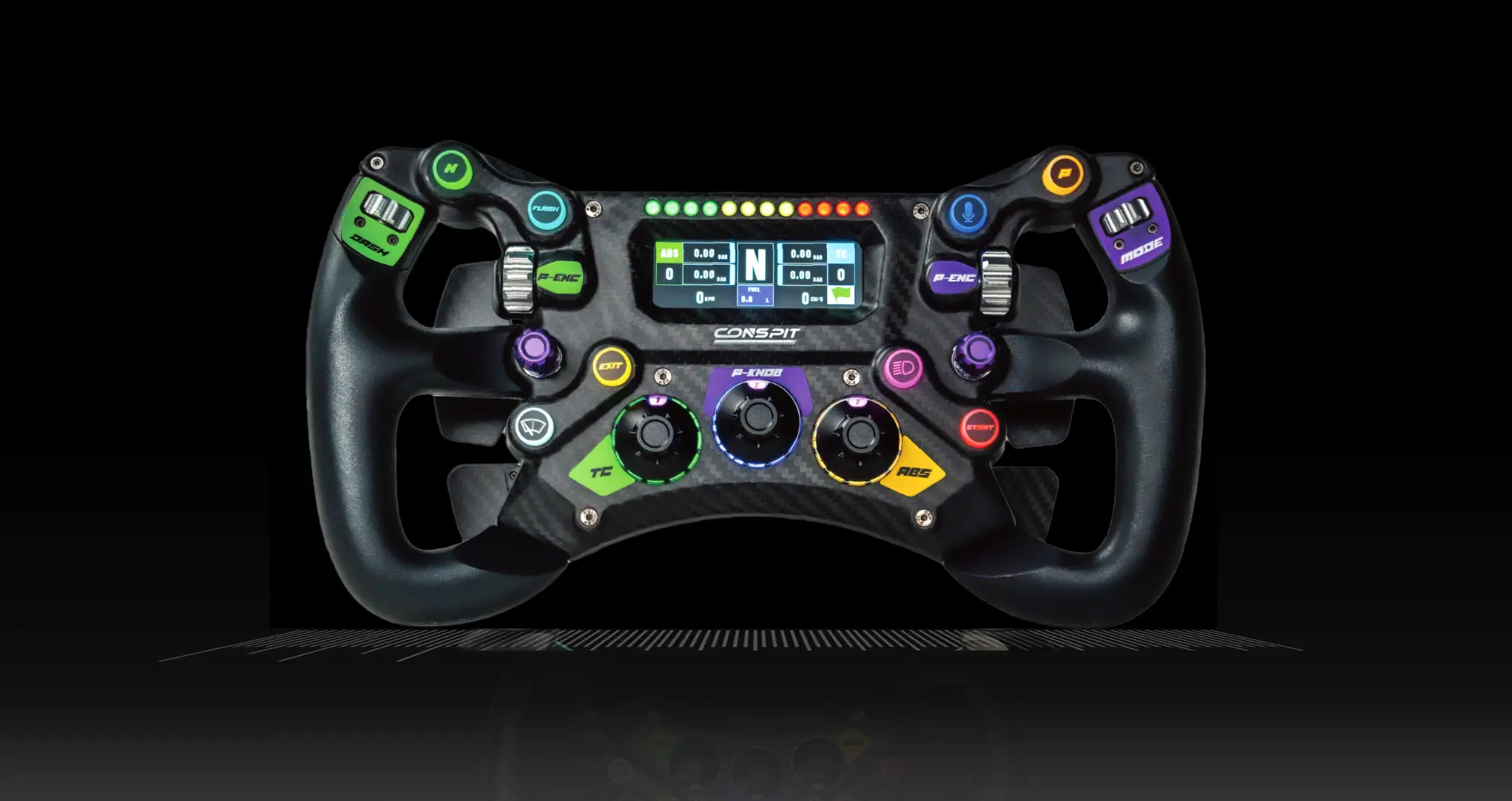
CONSPIT 300GT STEERING WHEEL
Best Value @ $399
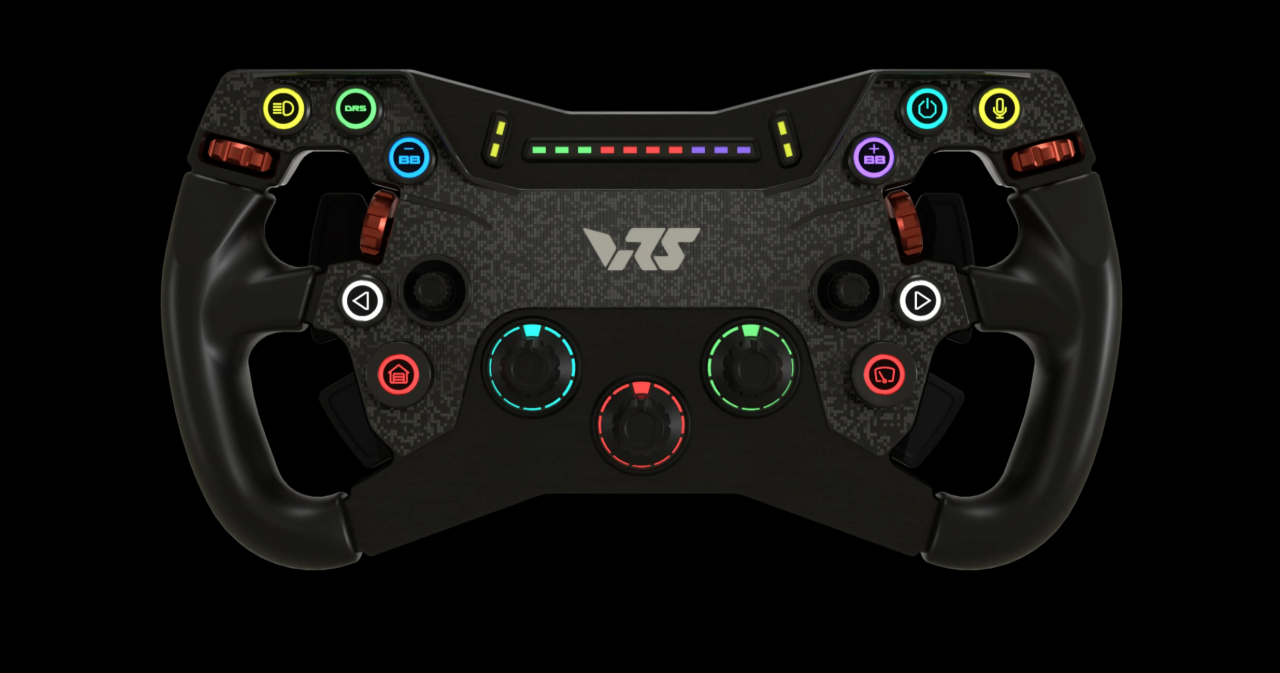
VRS R295 Steering Wheel
Best Value @ $349
MOZA FSR2 Formula Wheel
Best Value @ $649
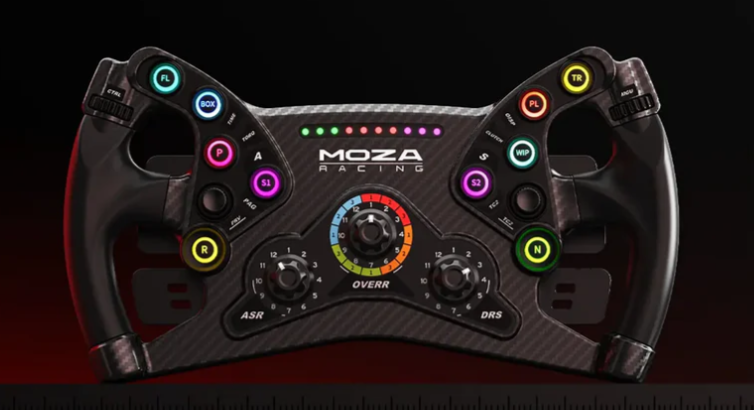
MOZA KS Steeering Wheel
Best Value @ $249
A crowded exhibit hall gives attendees plenty to look at and very little reason to stop. A simulator setup for brand activations changes that equation when it is built as a real racing experience, not just a screen with a steering wheel. The sound, motion, competition, and visible racing line create an immediate invitation: take the seat, chase the lap time, and give the brand a memorable role in the action.
For corporate event planners and marketing teams, the goal is not simply to rent entertainment. It is to create a steady flow of engaged guests, capture meaningful brand exposure, and give every participant a story worth sharing after the event. That requires the right equipment, a thoughtful floor plan, trained staff, and branding that feels native to the experience.
What a Simulator Setup for Brand Activations Must Deliver
The strongest activation starts with a simple standard: it needs to feel exciting within seconds, yet remain accessible to someone who has never raced before. Full-motion racing simulators meet that standard because the guest does not just see the car react. They feel braking forces, acceleration, curb strikes, and cornering movement through the rig.
That physical feedback is a major distinction at high-traffic conferences, client events, and corporate parties. A stationary gaming station may attract serious players, but full-motion simulators create a visible spectacle that pulls in observers as well. The people waiting in line watch a colleague race, react to a close pass, and start talking about their own turn. That audience effect helps the activation work even before every attendee gets behind the wheel.
Professional-grade hardware matters here. A weak wheel, basic pedals, or an unstable cockpit can make an activation feel temporary and difficult to operate. Pro-driver-grade wheel bases, responsive pedals, racing seats, and properly mounted displays give guests the confidence to push harder while keeping the experience consistent from one driver to the next.
The setup also needs to match the event’s real-world constraints. A trade show activation may need rapid driver turnover and a compact footprint. A VIP client event may benefit from a more cinematic layout with multiple motion rigs, live timing, and a dedicated competition format. The right choice depends on guest volume, venue access, available power, brand objectives, and the amount of floor space available.
Full-Motion Rigs Turn Spectators Into Participants
Motion is not a novelty feature when it is calibrated correctly. It gives a first-time driver useful feedback about what the car is doing and makes a fast lap feel genuinely earned. For experienced racers, it adds another layer of immersion. For a brand, it creates the kind of visible excitement that photographs and video clips cannot fully capture without showing people reacting in the seat.
A multi-simulator format is often the best fit for large groups because guests can compete head-to-head. Side-by-side racing builds momentum quickly, especially when a leaderboard is visible nearby. It also encourages return visits. An attendee who posts a decent lap in the morning may come back later to defend their position against a coworker or a newly arrived client.
Single-rig installations still have a place. They work well for smaller premium gatherings, product launches, hospitality suites, and spaces where the simulator itself is the visual centerpiece. In that setting, the focus can shift from throughput to a polished, high-touch drive. The guest gets more time in the cockpit, the coach can provide more individualized guidance, and the brand has a dramatic focal point for the room.
Coaching Makes the Experience More Inclusive
The difference between a simulator people notice and one people truly enjoy often comes down to the person standing beside it. Trained racing coaches keep the line moving, set guests up comfortably, explain the controls in plain language, and help nervous first-time drivers get moving without embarrassment.
Coaching is especially valuable in mixed groups. Not every corporate attendee identifies as a gamer or motorsport fan. A coach can make the first lap feel manageable by offering a quick braking tip, pointing out where to turn in, or encouraging a guest after a spin. That personal interaction turns a technical piece of equipment into approachable entertainment.
It also protects the quality of the activation. Coaches can manage race settings, guide competitive formats, reset the session quickly, and ensure the equipment is treated correctly. Rather than asking the event team to troubleshoot pedals or explain controls, organizers can focus on guests, sponsors, and the larger event program.
Put the Brand Inside the Race
Custom branding is where a racing simulator becomes an activation rather than an attraction. A logo placed only on a sign near the rig may be seen once. Brand integration inside the experience is seen repeatedly by the driver and by everyone watching the screens.
The most effective campaigns use several connected placements. The brand can appear directly on the simulator’s exterior, across the virtual race car livery, and on trackside billboards within the driving environment. This repetition feels natural because motorsport already operates through team colors, sponsor graphics, and track signage. The brand becomes part of the race weekend rather than an interruption around it.
The creative direction should fit the audience. A financial services brand may want a refined livery, a polished lounge environment, and a performance leaderboard built around precision. A beverage brand may prefer bolder colors, a short sprint format, and more social energy around the standings. A B2B software team at a convention may use the simulator as a destination for scheduled demos, lead capture, and a contest that brings qualified prospects back to the booth.
There is a trade-off between visual impact and clarity. Overloading a virtual car or cockpit with graphics can weaken the premium feel of the experience. A focused visual system with a clear color palette, recognizable logo treatment, and one memorable campaign message usually performs better than trying to display every product benefit at once.
Design the Guest Journey, Not Just the Rig
A successful activation has a rhythm. Guests need to recognize what is happening from a distance, understand what they can win or experience, register quickly if required, and get into the seat without delays. After the race, they need a reason to stay connected to the brand.
That sequence can be as simple as a visible challenge: set the fastest lap, see your name on the leaderboard, and receive a branded result or photo after the session. For internal team-building, the format can become a bracketed competition where departments race for a final. For client hospitality, it can be a guided grand prix with qualifying rounds, live commentary, and podium recognition.
Throughput deserves careful planning. Long sessions may give each driver more depth, but they can create a line that discourages participation. Shorter races with efficient coaching are usually the right choice for busy trade show floors. At private events, where the audience has more time and the goal is relationship building, longer sessions can be worthwhile.
Placement matters as much as session length. The simulators should face an open area where people can see the screens and the drivers’ reactions. Leave enough space for a queue, a coach, and nearby colleagues cheering on competitors. Avoid tucking the rigs into a quiet corner unless the activation is intentionally designed as a private VIP experience.
Event Details That Protect the Premium Experience
Premium equipment deserves professional event execution. Venue load-in routes, elevators, door widths, electrical access, internet requirements, flooring, and setup timing should be reviewed before event day. Full-motion racing simulators are substantial pieces of equipment, and proper planning keeps the installation polished and safe.
Noise is another practical consideration. Engine audio adds atmosphere, but a conference booth next to presentations may require tuned volume levels or headphones. Similarly, an intense racing title may be perfect for an enthusiast audience but less ideal for a broad employee event. The driving experience should be selected for the brand’s guests, not simply for the highest difficulty level.
Local support also reduces stress for organizers. Sim Racing Warehouse provides full-motion racing simulator rentals for events across markets including Nashville, Dallas, Orlando, Atlanta, Chicago, Indianapolis, St. Louis, Kansas City, New Orleans, and Tulsa. That support includes the experienced people who can manage the equipment and keep the racing experience running at the standard guests expect.
Measure More Than Foot Traffic
A simulator activation can create measurable value when success is defined before the event begins. Raw participation numbers matter, but they tell only part of the story. Consider the average number of races per guest, leaderboard replays, social content captures, qualified conversations, contest entries, and repeat visits to the activation.
For brand awareness campaigns, the visual exposure of the custom car, in-sim billboards, and branded hardware may be the primary return. For lead-generation events, registration and follow-up conversion may take priority. For employee celebrations, participation across departments and post-event sentiment may matter most. The right metrics depend on the campaign, but the experience should be designed around them from the beginning.
A great racing activation gives guests more than a few minutes of entertainment. It gives them a challenge, a shared moment, and a brand experience they can remember clearly. Build the event around pro-grade motion, expert coaching, and branding that belongs on the grid, then book your event today.
SHARE THIS STORY ANYWHERE YOU LIKE
SHARE THIS STORY ANYWHERE
fusion_global=”97″]
