

Team Building Racing Simulator Experience
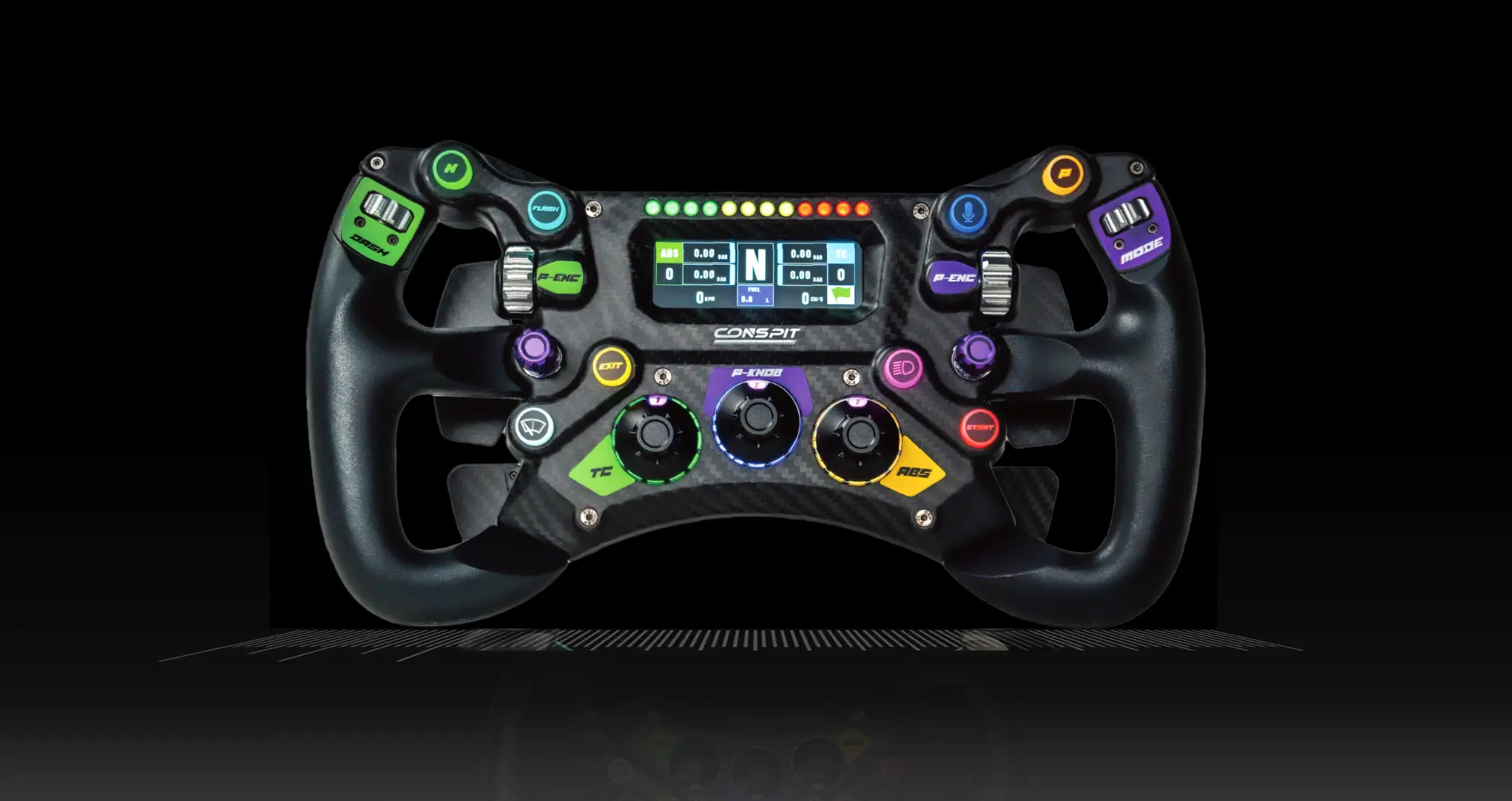
CONSPIT 300GT STEERING WHEEL
Best Value @ $399
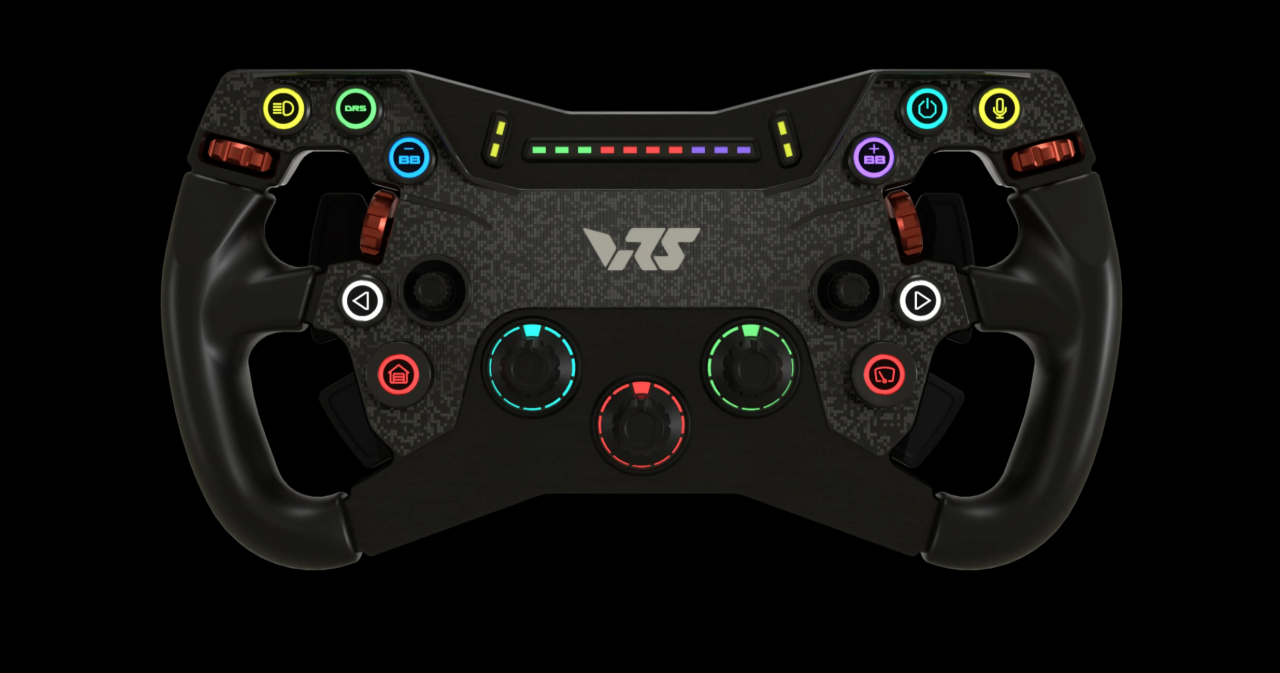
VRS R295 Steering Wheel
Best Value @ $349
MOZA FSR2 Formula Wheel
Best Value @ $649
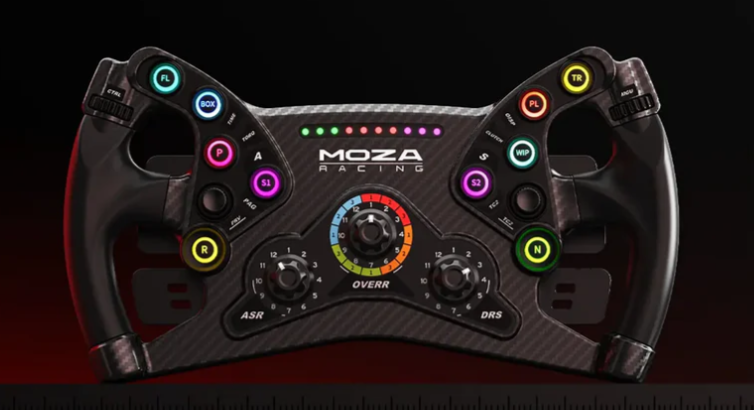
MOZA KS Steeering Wheel
Best Value @ $249
The fastest person in the room is rarely the only one talking after a great race. Colleagues compare braking points, celebrate a clean pass, laugh about a spin, and immediately ask for another lap. That is what makes a team building racing simulator experience more than event entertainment. It gives people a shared challenge with real energy, a clear goal, and a reason to engage with coworkers outside their usual roles.
For corporate teams, conferences, client events, and leadership gatherings, full-motion sim racing creates the kind of participation that is difficult to manufacture with a standard activity. The cars feel responsive, the motion adds physical drama, and professional racing coaches make the experience approachable for first-time drivers as well as serious motorsport fans.
Why Sim Racing Works for Team Building
A strong team activity has to clear a difficult bar. It should be inclusive without being passive, exciting without becoming chaotic, and memorable without placing guests in an uncomfortable spotlight. Racing simulators meet that bar because every guest gets a personal challenge while the entire room has something to watch, discuss, and rally around.
The first lap puts everyone on equal footing. A finance leader, sales representative, new hire, and longtime executive may all be learning the same circuit and car controls at once. Experience with video games can help, but it does not replace smooth steering, controlled braking, and the confidence to make decisions at speed. That balance gives racing its broad appeal.
Unlike a casual arcade attraction, a pro-driver-grade simulator rewards concentration and improvement. Guests quickly see the difference between forcing the car through a corner and carrying speed with a calm, deliberate line. The result is healthy competition with a genuine sense of progress. A driver who starts near the back of the leaderboard can improve dramatically with a coach’s guidance, which often becomes one of the best moments of the event.
What Makes a Team Building Racing Simulator Experience Feel Premium
The equipment determines whether sim racing feels like a novelty or a true motorsport activation. Premium full-motion rigs communicate the car’s movement through the seat and chassis, adding weight transfer, acceleration, braking, curbing, and track surface detail to every lap. Combined with high-performance wheel bases, responsive pedals, racing seats, and immersive visuals, the experience gives guests a credible taste of driving at the limit.
That realism matters, but it needs thoughtful event delivery. Not every guest arrives knowing trail braking or the ideal racing line. Professional trained racing coaches keep the action moving by welcoming participants, fitting them into the cockpit, explaining the essentials, and offering useful coaching without overloading them with jargon. A simple adjustment to braking timing or steering input can turn frustration into a breakthrough lap.
Coaches also help event planners protect the guest experience. They can match difficulty to the audience, organize qualifying sessions, reset drivers efficiently, and maintain a friendly competitive tone. For a motorsport-savvy group, the format can become more technical. For a mixed corporate crowd, the focus can stay on fast learning, exciting races, and accessible fun.
Full Motion Adds Energy to the Room
A fixed simulator can still be enjoyable, particularly when space, budget, or throughput is the priority. Full-motion simulators, however, create a stronger visual and physical centerpiece. The movement draws in observers, making the activation feel active even to people waiting for their turn.
This is especially valuable at a conference, trade show, or large corporate party where attention is contested. People notice the racing rigs across the room, pause to watch a close finish, and become more willing to participate. The experience creates its own crowd without requiring a forced announcement or a complicated explanation.
Branding Turns Entertainment Into an Activation
For marketing teams, a simulator rental should do more than entertain attendees. It should create an environment that belongs unmistakably to the brand. Custom branding can appear directly on the simulators, inside the in-sim racing cars, and on trackside billboards. Every lap then reinforces the company message instead of sending guests into a generic racing environment.
This distinction is particularly useful for product launches, dealer meetings, sponsorship events, employee appreciation nights, and client hospitality. A branded car livery feels more substantial than a logo on a backdrop. Track billboards keep the identity visible during every race, while branded hardware gives guests a natural focal point for photos and social content.
The best creative direction depends on the event. A consumer brand may prefer bold colors and a high-energy leaderboard. A B2B conference may use a polished car livery, a branded virtual circuit, and messaging tied to performance or innovation. The objective is not to cover every surface with a logo. It is to make the experience feel intentional, premium, and worth remembering.
Choosing the Right Race Format for Your Group
The event format should reflect guest count, time available, and the kind of interaction the organizer wants to encourage. Short hot-lap sessions work well when attendees are circulating through a trade show or reception. They keep the line moving and let drivers compete for a single best time.
Head-to-head races bring more drama to a corporate party or team gathering. Drivers share the virtual track, see competitors in their mirrors, and make real decisions under pressure. This format works best with clear rules and coach support, especially if the group includes a wide range of experience levels.
For a more structured team-building program, a relay or team championship can create stronger collaboration. Teams rotate drivers, compare lap data, decide who qualifies, and select who races the final. It is a practical way to give quieter participants a meaningful role even if they are not the fastest driver. Some people become the strategist, the spotter, or the teammate who keeps the group focused after a difficult race.
There are trade-offs. A serious championship format requires more time and works best when the agenda can support several rounds. Shorter formats increase participation volume but offer less room for skill development. A seasoned event partner can shape the schedule around the desired outcome rather than pushing every group into the same race format.
Planning for Participation, Not Just Spectacle
An impressive simulator setup is only successful if guests can use it comfortably. Event planners should consider the audience before selecting the number of rigs and race structure. A small leadership group may want longer sessions, detailed coaching, and a final race with stakes. A convention floor may need a high-throughput experience that gives hundreds of attendees a chance to drive.
Space and placement matter too. Full-motion racing simulators deserve room to breathe, both for safe operation and for a crowd to gather naturally. Positioning the activation near a reception area, main stage, or sponsor footprint can increase visibility, but excessive ambient noise may make coach communication harder. The right layout balances attention with practical guest flow.
A visible leaderboard adds a useful competitive layer, but it should be framed carefully. For some company cultures, it is the centerpiece of the experience. For others, it is better as an optional feature that celebrates improvement, team scores, or clean driving rather than only rewarding the quickest lap. The goal is to invite people in, not make beginners feel they have already lost before getting into the cockpit.
Where It Fits Best
A racing simulator activation can carry an entire evening or provide a standout feature within a larger program. It is a natural fit for sales kickoffs, employee recognition events, holiday parties, leadership off-sites, customer appreciation events, trade shows, and conferences. The common factor is simple: the event needs an experience people will choose to participate in rather than merely walk past.
For organizers in markets such as Nashville, Dallas, Orlando, Atlanta, Chicago, Indianapolis, and beyond, mobile simulator rentals bring the attraction to the venue. That flexibility is useful when a hotel ballroom, convention center, office, or event space needs a high-impact activity without the logistics of moving the group to a separate location.
Sim Racing Warehouse delivers full-motion racing simulator experiences built around pro-driver-grade equipment, expert coaching, and event-specific branding. The result is not a row of unattended machines. It is a managed racing environment designed to keep guests engaged from their first practice lap through the final leaderboard result.
Give your guests a reason to put down their phones, cheer for a coworker, and come back for one more lap. A well-run race can turn a room full of attendees into a team with a story to tell long after the checkered flag.
SHARE THIS STORY ANYWHERE YOU LIKE
SHARE THIS STORY ANYWHERE
fusion_global=”97″]
