

12 Conference Booth Traffic Ideas That Draw Crowds
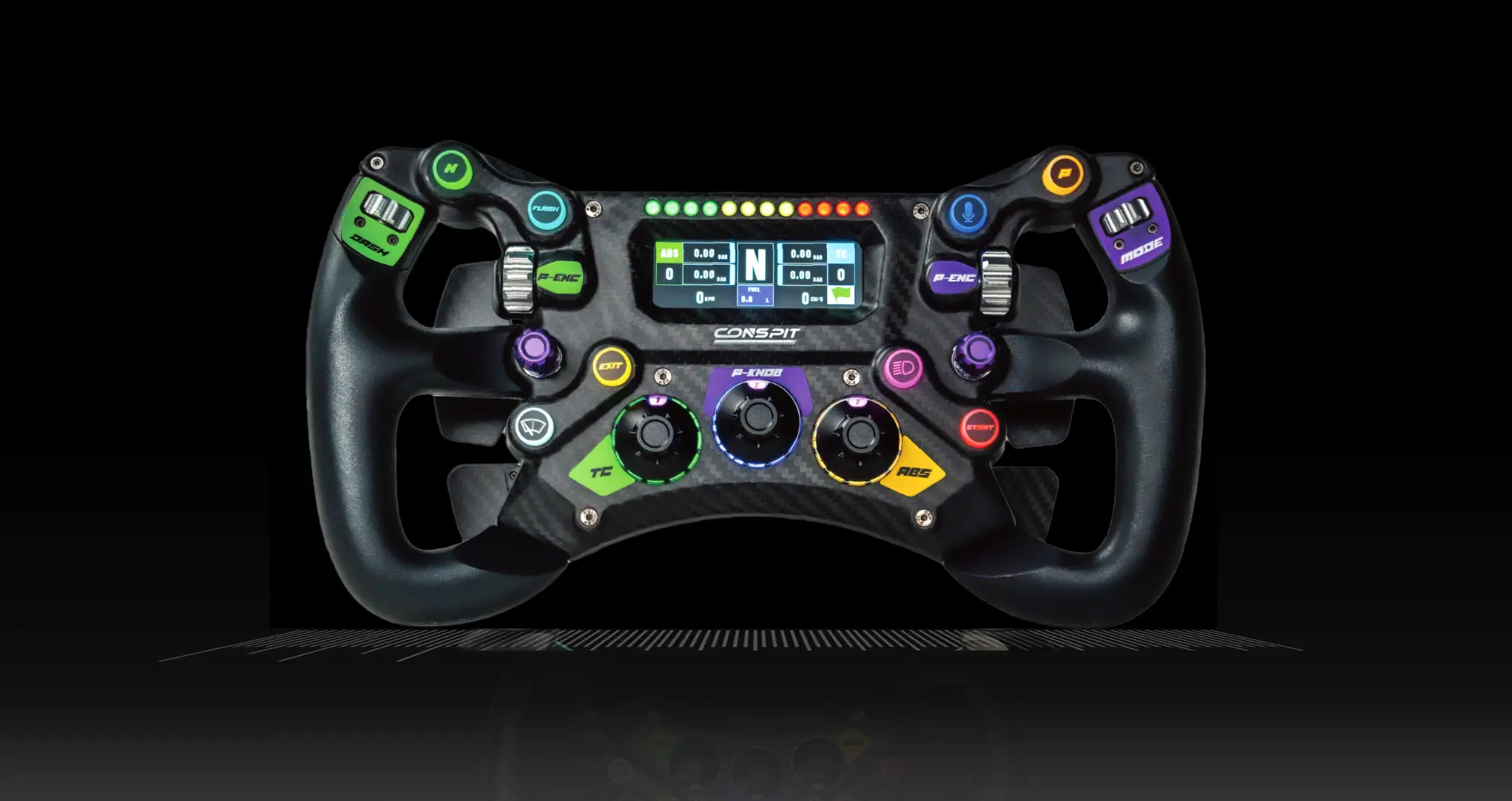
CONSPIT 300GT STEERING WHEEL
Best Value @ $399
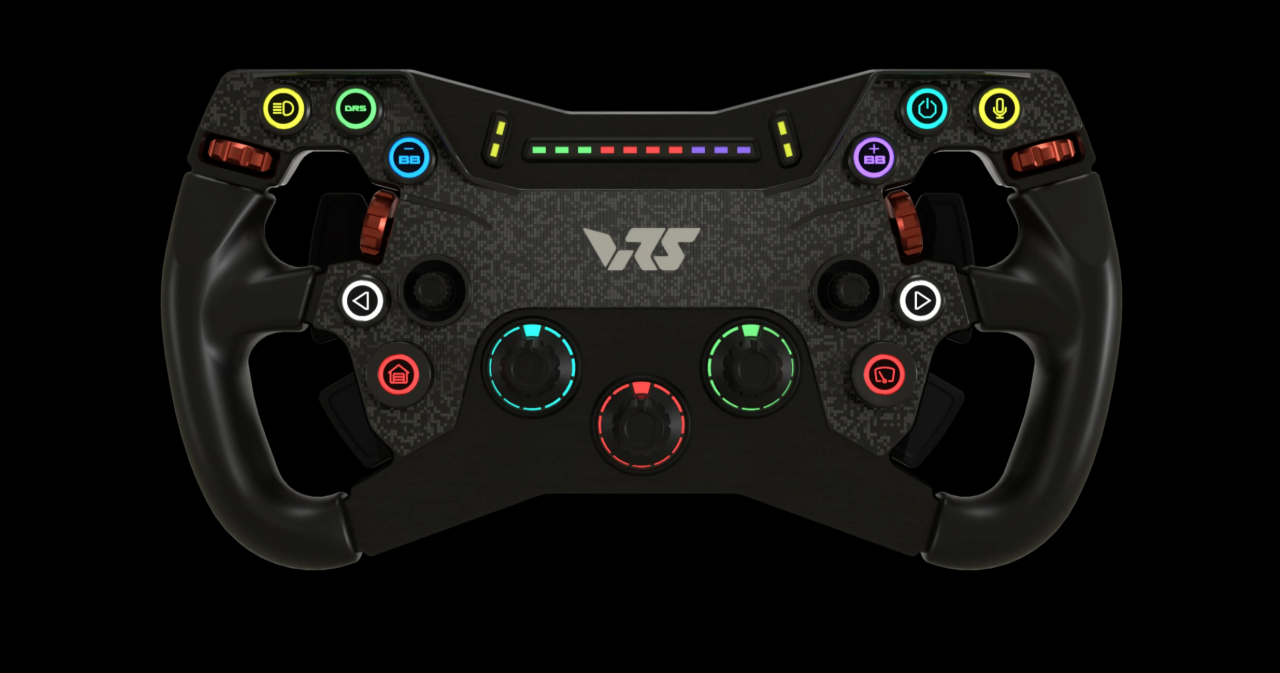
VRS R295 Steering Wheel
Best Value @ $349
MOZA FSR2 Formula Wheel
Best Value @ $649
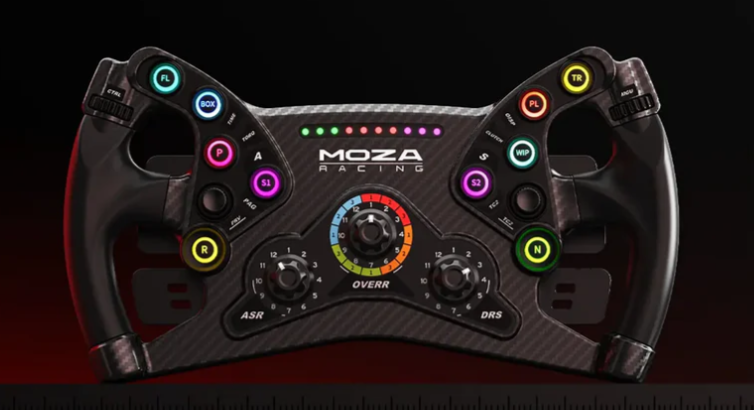
MOZA KS Steeering Wheel
Best Value @ $249
A busy conference floor is full of competing noise: coffee bars, giveaway wheels, oversized screens, and sales teams asking for a minute of attention. The conference booth traffic ideas that actually break through give attendees a reason to stop, participate, and tell someone else where they need to go next. A premium full-motion sim racing experience does all three.
For event planners and marketing teams, the goal is not simply to create a crowd. It is to create qualified conversations, memorable brand exposure, and a booth people actively seek out. These ideas are built around that standard, with sim racing positioned as a high-performance centerpiece rather than a background attraction.
Conference Booth Traffic Ideas Built for Participation
1. Put a live race challenge at the front edge of the booth
Do not hide the experience behind a reception desk or product display. Position the racing simulator where passing attendees can see the driver, the motion platform, and the lap time leaderboard. Movement attracts attention, but the visible challenge gives people a reason to step closer.
A short qualifying session works especially well. Guests can take a timed lap, see their name on screen, and immediately understand the stakes. Keep the first attempt brief enough to maintain throughput, then offer a longer session for qualified prospects, clients, or contest finalists.
2. Make the leaderboard impossible to ignore
Competition turns spectators into participants. A large, branded leaderboard lets guests see the fastest lap of the day, their department rival, or a colleague who has just challenged them from across the hall.
The format should fit the audience. A sales kickoff may respond to team-based rankings. A technology conference may favor an individual fastest-lap contest. For a customer appreciation event, a randomized prize drawing tied to completed laps may be better than rewarding only experienced drivers. The point is to make every guest feel invited, not intimidated.
3. Brand the entire racing environment
A logo on a banner is visible for a few seconds. Your brand inside a race car, on trackside billboards, and across the simulator display becomes part of the guest’s experience. That difference matters when attendees record video, take photos, or post their lap result.
At Sim Racing Warehouse, customization can extend across the physical simulators and the virtual circuit. This gives marketing teams a rare chance to place their message within the action rather than beside it. A product launch, company anniversary, recruiting campaign, or sponsor activation can all become part of the race weekend theme.
4. Use trained racing coaches as conversation starters
Many attendees are curious about sim racing but hesitate because they have never used professional equipment. A trained racing coach removes that friction. They welcome guests, adjust the seating position, explain the controls, and offer a quick tip that makes the first lap feel exciting rather than overwhelming.
Coaches also protect the guest experience when traffic builds. They can keep sessions moving, encourage spectators, and identify people who may be ready for a deeper conversation with your sales team. The result feels premium and personal, not like an unattended arcade line.
5. Build a challenge around your business message
The strongest activations connect the game mechanic to the reason your company is at the conference. A cybersecurity brand might frame the experience around precision under pressure. A logistics company could center the challenge on speed, control, and operational performance. A recruiting team could use a team race to highlight collaboration and decision-making.
Avoid forcing a complicated metaphor onto the activity. Guests should understand the connection in seconds. The racing experience creates the energy; your messaging should give that energy a clear business context.
6. Create scheduled race moments throughout the day
A simulator draws consistent interest, but scheduled events create spikes of excitement. Announce a fastest-lap final before lunch, a client-versus-client race in the afternoon, or a championship round near the closing hour. These moments give attendees a reason to return and give your team a natural reason to invite prospects back.
Use a host or coach to build anticipation. A short countdown, a visible leaderboard, and a prize presentation can turn a booth activation into a small show on the exhibit floor. The trade-off is that scheduled programming requires staffing and clear communication, but it can dramatically increase repeat visits.
7. Offer a shareable winner moment
A generic giveaway is easy to forget. A photo or video of someone climbing from a full-motion racing simulator after setting a strong lap is far more likely to be shared with coworkers. Create a branded backdrop or victory screen for top performers, then make sure staff capture the moment quickly.
Keep the prize relevant to the audience and proportionate to the event. Premium merchandise, a hosted client experience, or a charitable donation in the winner’s name can all work. The best reward is often the public recognition itself, especially at internal conferences where friendly competition already exists.
8. Give VIPs and prospects a different race format
Open participation is essential for foot traffic, but not every valuable conversation happens in a crowded line. Reserve a few time blocks for invited prospects, executive groups, or key customers. A head-to-head race with a coach providing live guidance creates a more relaxed setting for relationship building.
This approach works well when the booth must serve two jobs: attract volume and support sales meetings. The public challenge brings people in, while private race sessions give account teams meaningful time with the people they most need to reach.
9. Turn waiting time into useful engagement
Lines can signal popularity, but long, silent lines drain energy. Use the waiting area to keep guests involved with live race telemetry, current standings, branded trivia, or a simple prediction board asking who will set the next fastest lap.
Staff should use this time naturally. Instead of leading with a pitch, ask whether the guest has raced before or which team they support. That conversation provides context before the driver ever sits down. If the event has a strict lead-capture requirement, collect details after the race rather than creating a registration bottleneck at the front of the line.
10. Design for speed without making the experience feel rushed
Traffic volume matters, especially during peak exhibit hours. Pro-driver-grade equipment needs a thoughtful operating plan: a predictable session length, clear reset procedures, and staff who know the platform. Full-motion racing simulators can still deliver an immersive experience in a compact time window when the format is designed around one high-impact lap.
The trade-off is simple. Longer sessions create deeper engagement, while shorter sessions create more total participants. For broad conference traffic, start with short runs and build a path for top performers or qualified leads to come back for an extended race.
11. Use team racing to create a visible crowd
Individual laps are compelling, but team formats bring colleagues to the booth together. A relay challenge can have each team member complete one lap, while a paired competition can put one person on the controls and another on strategy. These formats create cheering, collaboration, and more people in the booth at once.
Team racing is particularly effective for corporate parties, employee meetings, and convention programs where attendees already arrive in groups. It also gives brands more names, photos, and moments to recognize throughout the day.
12. Measure more than scans
Lead count is useful, but it does not tell the full story. Track simulator participation, return visits, average wait time, contest entries, meeting requests, and the number of guests who watched a race before joining the line. These indicators reveal whether the activation created genuine engagement or simply collected contact information.
Ask the event team one practical question after each show: did the booth make it easier for the right people to start a conversation? If the answer is yes, the activation is doing its real job. If not, adjust the contest format, staffing plan, message, or placement before the next event.
A Premium Experience Makes the Difference
Conference attendees have seen basic prize wheels and generic games. They have not all experienced the physical sensation of braking into a corner, the focus of chasing a lap time, and the excitement of seeing their name climb a live leaderboard. Full-motion simulators built with professional-grade racing equipment give the booth a level of credibility that matches a premium brand.
The best conference booth traffic ideas do not rely on gimmicks. They give people a story worth taking back to the office: they raced, competed, improved with coaching, and saw your brand at the center of the experience. Book your event today and give your next conference a reason for the right crowd to stop, race, and stay.
SHARE THIS STORY ANYWHERE YOU LIKE
SHARE THIS STORY ANYWHERE
fusion_global=”97″]
