

Corporate Event Engagement Results That Last
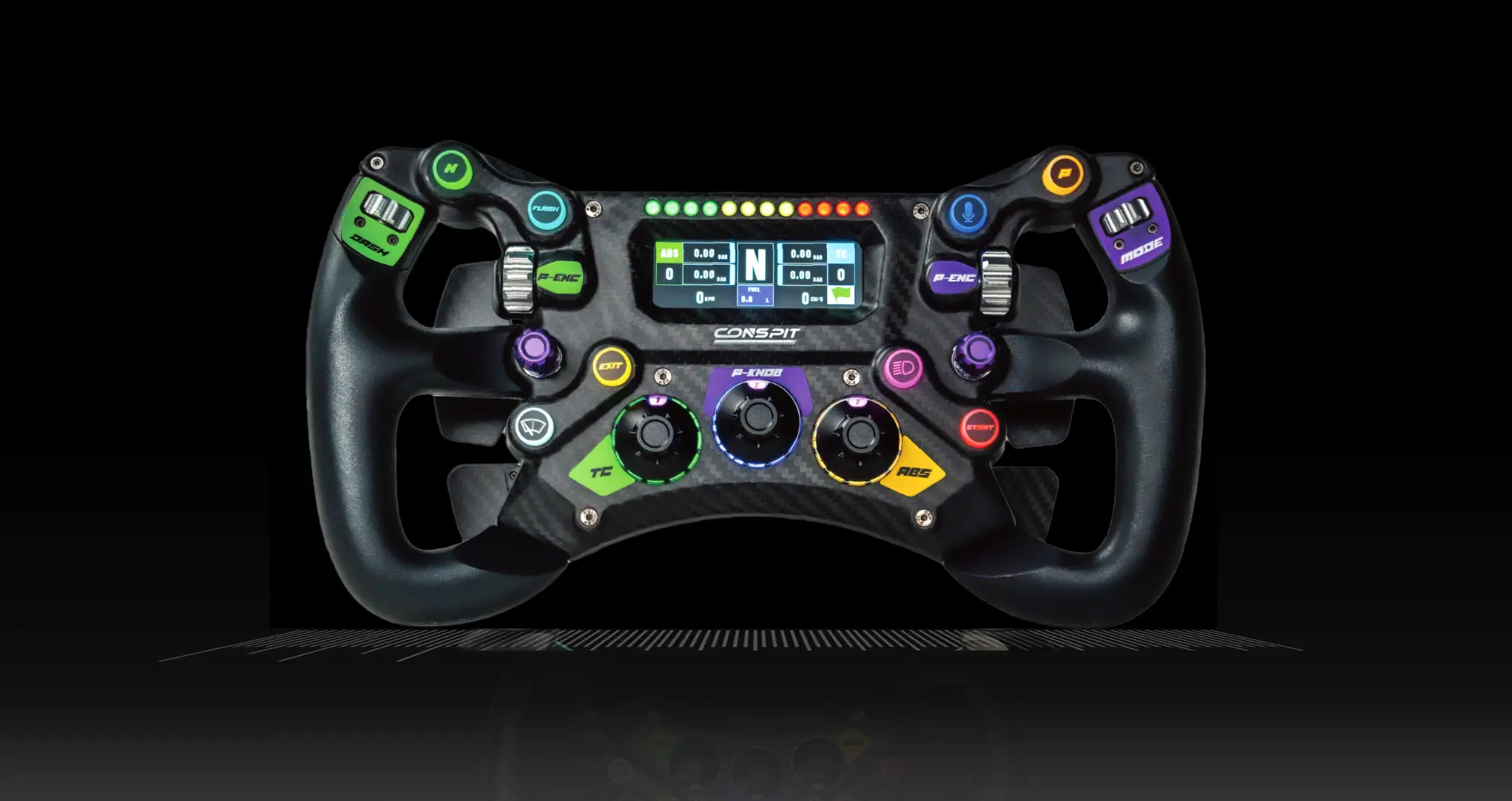
CONSPIT 300GT STEERING WHEEL
Best Value @ $399
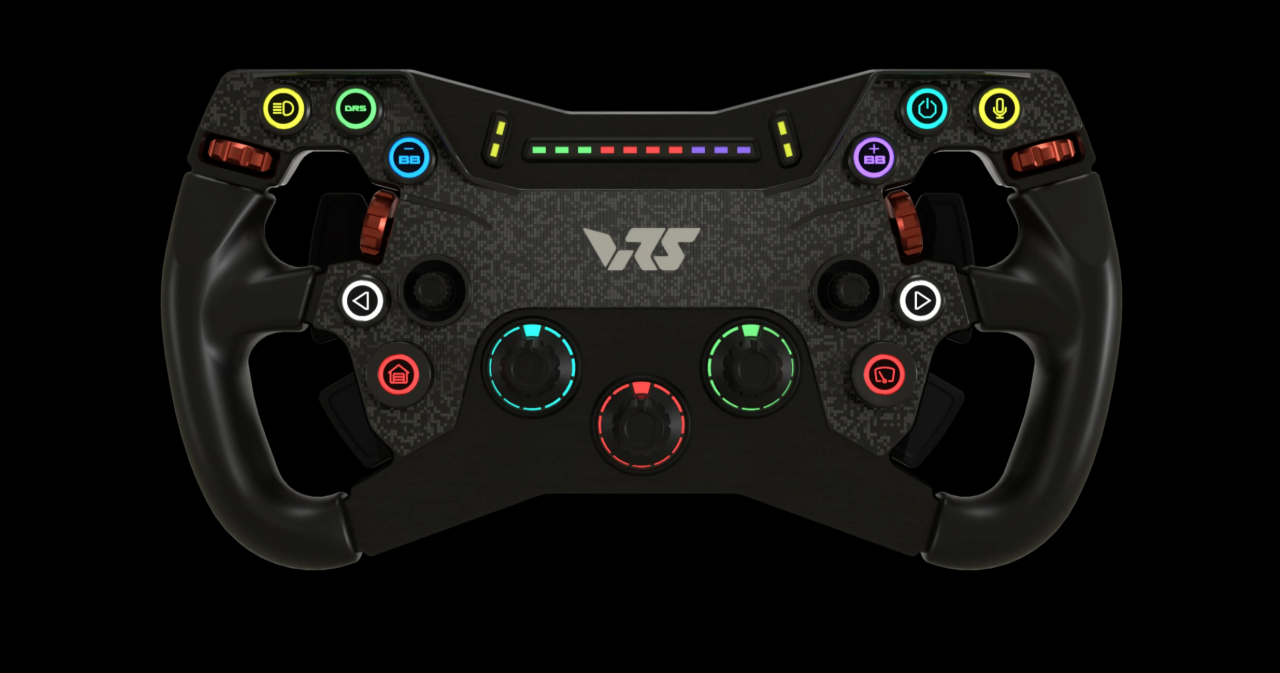
VRS R295 Steering Wheel
Best Value @ $349
MOZA FSR2 Formula Wheel
Best Value @ $649
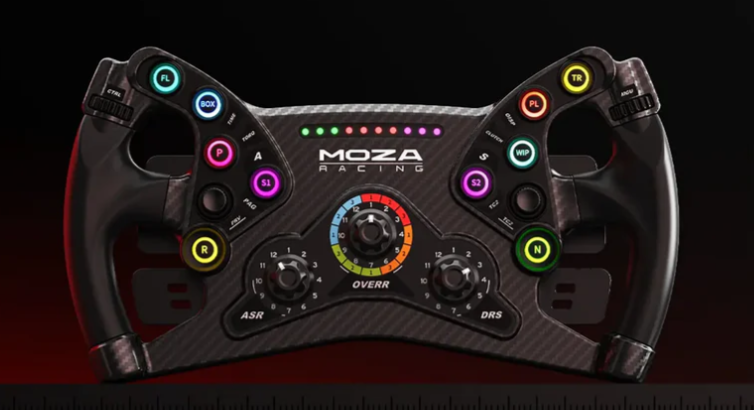
MOZA KS Steeering Wheel
Best Value @ $249
A packed ballroom is not proof that an event worked. The real test is whether guests stop, participate, remember the sponsor, and give your sales team a natural reason to start a conversation. Strong corporate event engagement results come from designing an experience people actively want to join, not simply placing another attraction near the bar or booth.
For conferences, client events, product launches, and team celebrations, full-motion racing simulators create that pull. They are competitive without being intimidating, visually impressive without feeling passive, and flexible enough to carry your brand across the entire experience. The difference is not just the equipment. It is the way the activation is planned, staffed, branded, and measured.
Why Racing Produces Better Corporate Event Engagement Results
Most event entertainment asks guests to watch first and participate later, if at all. Sim racing reverses that order. A full-motion cockpit, a professional-grade steering wheel, and a live leaderboard make the invitation clear: take a seat and put down a lap.
That matters because participation creates a stronger memory than observation. A guest who drives, reacts to the movement of the car, and compares a lap time with a colleague has a personal story to share afterward. A guest who watches someone else race may enjoy the spectacle, but they are less likely to associate that moment with your company.
The experience also works across a broad mix of attendees. Competitive guests chase the fastest time. First-time drivers enjoy a coached introduction. Colleagues gather around the screens to cheer, offer advice, and challenge one another. That creates multiple points of engagement around every simulator rather than isolating the person in the seat.
There is a practical reason racing performs well at business events: it gives people a reason to linger. A polished trade show booth can attract a quick greeting and a badge scan. A branded race challenge gives attendees a reason to return, bring a coworker, and stay long enough for a meaningful conversation.
The Engagement Metrics That Matter
A crowded activation can look successful while producing limited business value. Event planners and marketing teams need measures that connect excitement to the outcome they actually need, whether that is lead generation, relationship building, internal morale, or brand recall.
Participation rate and repeat visits
Start with the portion of eligible guests who drive or register for a race. This is more useful than raw foot traffic because it separates people passing by from people choosing to engage. At a conference, compare the number of participants with total booth visitors or the estimated audience in your area.
Repeat visits are equally valuable. When guests return to improve a lap time, bring teammates, or check the leaderboard, the activation has become part of the event rather than a one-time novelty. A race format with timed sessions and visible rankings naturally encourages this behavior.
Dwell time and conversation quality
Dwell time is not just the minutes spent in the driver’s seat. Measure the full interaction: the guest watching a race, receiving coaching, waiting with a colleague, driving, reviewing a result, and speaking with your team afterward.
Longer dwell time is beneficial only when it remains purposeful. At a lead-focused event, an overly long queue can reduce total participation. At a client appreciation event, a longer, coached experience may be exactly right because the goal is hospitality and relationship depth. The best format depends on what success looks like for that event.
Lead capture and follow-up readiness
If the event goal includes pipeline, determine the data exchange before the first guest arrives. A leaderboard registration can collect the essentials, while a prize drawing or final race invitation can prompt opt-in without making the activity feel like a form disguised as fun.
The quality of those leads matters more than the quantity. A guest who competes, talks with a product expert, and asks for a follow-up is much more valuable than a badge scan from someone who never stopped. Tag contacts based on their engagement level so the sales team can tailor the next conversation.
Brand recall and social sharing
Ask simple post-event questions: Which sponsor hosted the racing challenge? What did attendees remember about the experience? Would they recommend it to a colleague? These answers reveal whether the activation created a real association with the brand.
Organic photos and short videos can extend the moment well beyond the venue. Still, social sharing should be a benefit, not the sole objective. The strongest content comes from genuine reactions: a close finish, a team rivalry, a coach helping a nervous first-time driver find confidence, or a winner celebrating on the leaderboard.
Brand the Experience, Not Just the Signage
A logo beside an activity is easy to overlook. A fully integrated racing environment is much harder to forget. The most effective activations place your brand in the places guests naturally look during the experience.
Simulator wraps put your color, logo, and campaign message on the physical cockpit. Custom liveries place your identity on the in-sim race car. Trackside billboards carry the message through every lap, appearing on the screens that drivers and spectators are already watching. A branded leaderboard completes the picture by turning each result into a shareable moment tied to your company.
This approach is especially effective for a product reveal, sales kickoff, or major conference presence. Instead of asking attendees to connect a static display with a message, you give them a branded story they actively participate in. They did not simply see your brand. They raced for it.
Customization needs to be deliberate. A clean visual system with one clear campaign idea will usually outperform a cockpit covered in competing messages. Consider what you want guests to remember in one sentence, then build the car, track, screens, and prize structure around that thought.
Coaching Changes the Guest Experience
Premium hardware gets attention. Professional, trained racing coaches turn attention into participation.
Many corporate guests have never used a simulator with pro-driver-grade controls or a full-motion platform. Without guidance, they may hesitate, rush through the session, or leave thinking the experience was only for experienced racers. A coach removes that friction by setting expectations, explaining the controls, and giving each driver a fast, encouraging introduction.
Coaching also keeps the activation moving. Staff can help drivers enter and exit safely, make quick comfort adjustments, reset the session, and maintain a steady rhythm in the queue. During a busy conference window, this operational discipline protects throughput. During an executive or VIP event, it allows for a more personal, higher-touch session.
The result is a better experience for both the first-time driver and the enthusiast who wants to chase tenths of a second. Everyone feels welcomed, and the energy around the simulators stays high.
Build the Format Around the Business Goal
There is no single racing format that fits every corporate event. A trade show may need short, high-volume hot laps that keep lines moving and create frequent conversation openings. A customer hospitality event may benefit from a head-to-head tournament, hosted heats, and a finalist race that gives the room a shared moment.
For internal team building, consider a format that rewards more than raw speed. Team points, relay-style sessions, or department brackets allow employees with different skill levels to contribute. The goal is friendly competition and connection, not finding the one person who already spends weekends racing online.
Space, event duration, guest count, and audience profile all affect the setup. One simulator can create an intimate premium experience, while multiple full-motion simulators can anchor a larger activation. More units increase throughput and spectator energy, but they also require thoughtful floor planning, power access, and a clear queue strategy.
Sim Racing Warehouse plans these details with event organizers across markets including Nashville, Dallas, Orlando, Atlanta, and Indianapolis. The goal is not to drop off equipment and hope for the best. It is to deliver a polished racing experience built around the pace, audience, and commercial purpose of your event.
Plan Measurement Before the Green Flag
The easiest time to define success is before the activation is built. Establish a small scorecard with a realistic participation target, expected dwell time, lead-quality criteria, and a brand-recall goal. Assign someone to own the data, not just the event logistics.
Then connect the results to what happens next. Sales teams should know which guests raced, which ones returned, and which conversations need follow-up. Internal teams can use highlights, winner announcements, and participant feedback to extend the energy after the event. Marketing can compare engagement against other activation formats and improve the next one.
The best event experiences give people a reason to show up. The smartest ones give your organization a reason to remember what happened after the checkered flag. Book your event today with a racing activation that puts guests in the driver’s seat and gives your brand a place in every lap.
SHARE THIS STORY ANYWHERE YOU LIKE
SHARE THIS STORY ANYWHERE
fusion_global=”97″]
