

Corporate Racing Event Logistics That Win
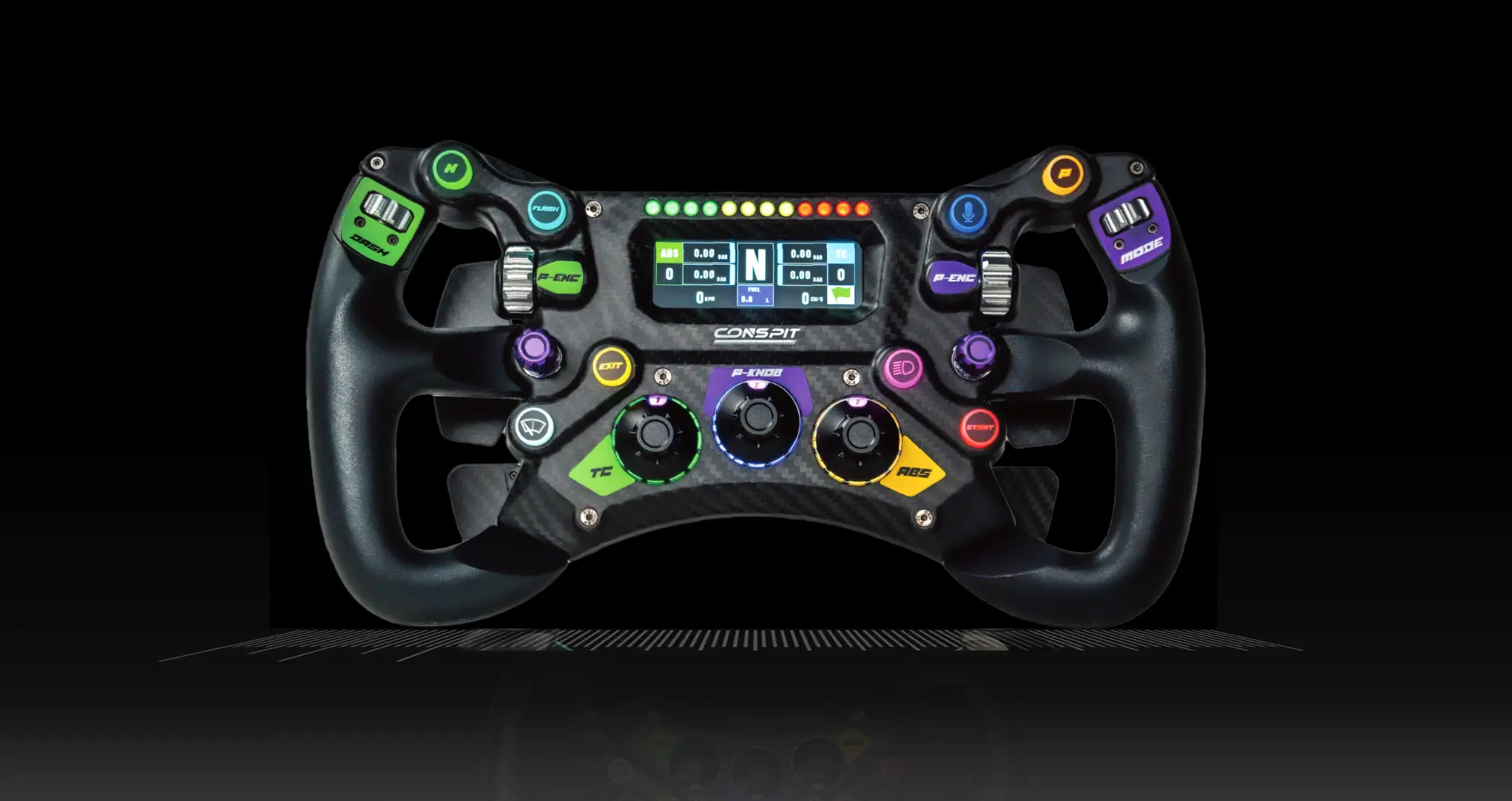
CONSPIT 300GT STEERING WHEEL
Best Value @ $399
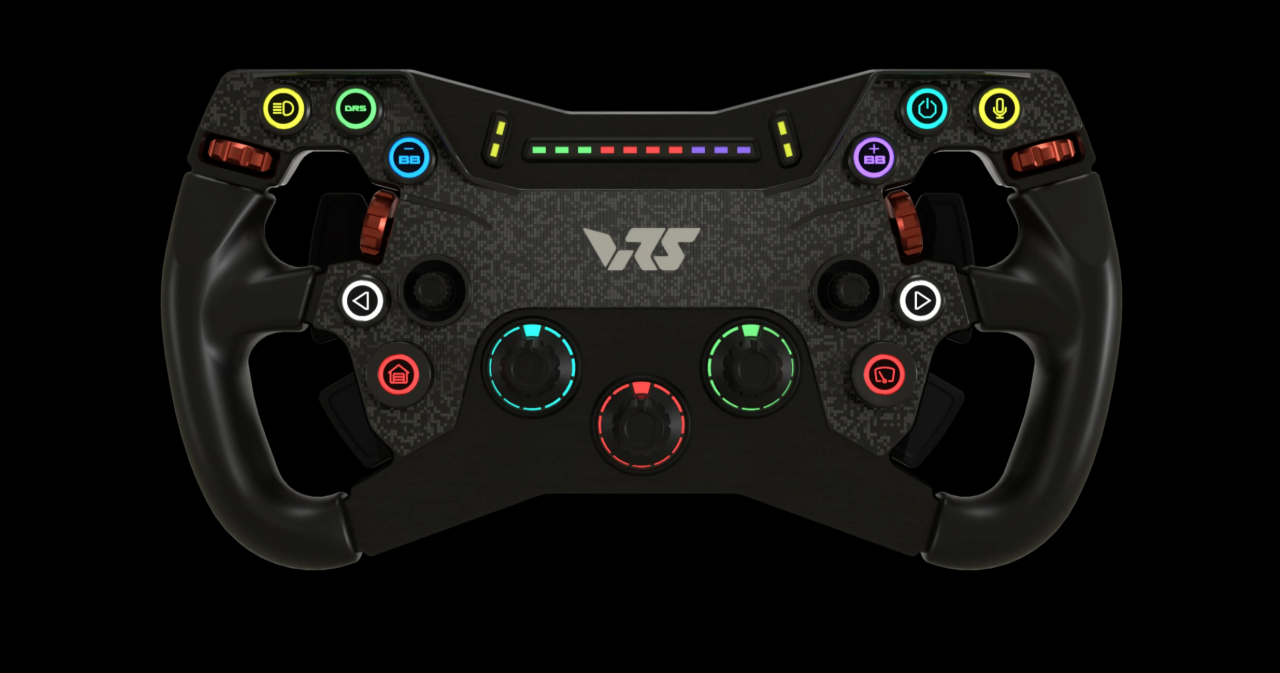
VRS R295 Steering Wheel
Best Value @ $349
MOZA FSR2 Formula Wheel
Best Value @ $649
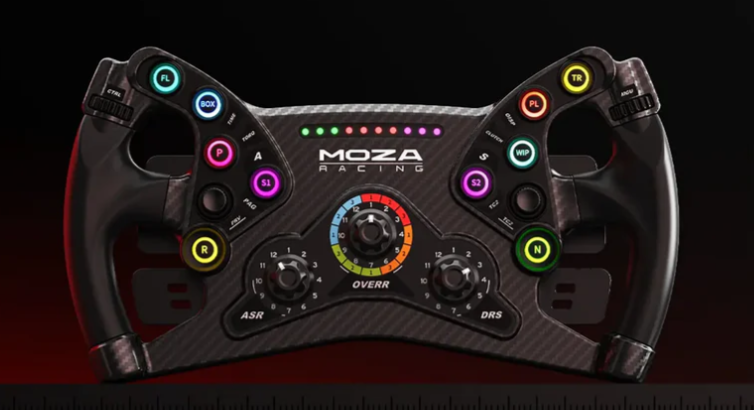
MOZA KS Steeering Wheel
Best Value @ $249
A simulator activation can be the most photographed part of a conference or the corner guests walk past after lunch. The difference is corporate racing event logistics: the operational decisions that keep premium rigs running, lines moving, brands visible, and every guest confident enough to take the wheel.
For corporate planners, racing simulators are not simply entertainment delivered to a ballroom. They are a live competitive experience with power requirements, footprint considerations, coached onboarding, real-time leaderboards, and a defined guest journey. Treating those pieces as one production plan is what turns a few fast laps into a memorable brand moment.
Start With the Guest Experience, Not the Simulator Count
The first logistics question is not, “How many simulators fit in the room?” It is, “What should a guest feel and do from the moment they notice the activation?” That answer determines the right simulator count, competition format, staffing level, branding package, and placement.
A trade show booth usually needs a quick path from curiosity to participation. Guests may have only a few minutes between meetings, so short hot-lap sessions and a visible leaderboard create energy without building an unmanageable queue. A client appreciation event has more room for a bracket, team competition, or a final race that pulls a crowd together. For an internal team-building program, shared scoring can reward consistency and collaboration rather than only the fastest individual lap.
This is also where the event objective needs to be honest. A high-volume convention activation favors fast turnover. An executive event may favor longer, coached sessions and a more polished hospitality feel. Trying to run both formats at once can dilute the experience unless the footprint, staffing, and schedule support separate stations.
Build the Event Footprint Around Flow
Full-motion racing simulators make a stronger impression than a static display, but they need room to perform safely and look intentional. The operational plan should account for the simulator footprint, movement clearance, waiting area, coaching position, screens, branding elements, power access, and routes for load-in and load-out.
Placement matters as much as square footage. A simulator bank buried behind a pipe-and-drape wall loses the natural audience that makes racing feel exciting. Positioning the experience where passersby can see the drivers, large race displays, and leaderboard creates a spectator effect. People join a line more readily when they can understand what is happening before they reach the front.
At the same time, avoid placing the activation beside a quiet keynote room, formal dinner seating, or a booth where long conversations are the priority. Racing energy includes engine audio, crowd reaction, coach instruction, and the visual movement of full-motion platforms. When the venue layout requires a lower-profile setup, sound management and screen orientation become more important.
For conference centers and hotels, advance venue coordination prevents the issues that show up on event day: a freight elevator with a limited opening, a loading dock time restriction, a hallway that cannot accommodate a large crate, or an electrical plan that was never confirmed. The best event plan includes a site contact, load-in window, dock details, floor access, power locations, and a clear placement diagram before equipment is in transit.
Corporate Racing Event Logistics Depend on Throughput
Guest throughput is where a polished activation either holds its momentum or loses it. A racing experience should feel premium, but premium does not mean slow. The right session length depends on attendance, simulator count, and the purpose of the event.
A short timed lap format can accommodate a steady stream of guests and keeps the leaderboard active. A longer race produces deeper engagement, especially when participants are competing with colleagues or clients. Neither format is automatically better. The trade-off is simple: more driving time gives each guest a fuller experience, while shorter rounds give more people access and make it easier to manage peak traffic.
Coaching is the bridge between those formats. Many corporate guests have never driven a racing simulator, while others arrive ready to chase every tenth of a second. Professional racing coaches can get first-timers comfortable with the controls, explain braking and steering basics, and give experienced drivers enough direction to find a faster lap. That support reduces abandoned sessions, improves confidence, and keeps reset time low between drivers.
The queue itself needs a purpose. A branded leaderboard screen gives waiting guests something to follow. A host can call upcoming drivers, explain the challenge, and invite spectators to root for their team. Rather than feeling like dead time, the line becomes part of the activation.
Use Branding That Belongs in the Race
A logo on a banner is visible. A branded racing experience is remembered. The strongest corporate activations carry the client identity through the parts of the experience guests naturally watch, photograph, and share.
That can include branded simulator exteriors, livery on the in-sim race cars, and trackside billboards inside the virtual circuit. The value is not only visual repetition. When a guest sees the company name on their race car and then sees it again on the virtual track while competing for a leaderboard position, the branding becomes part of the story they are telling.
Brand assets should be gathered early enough to be used correctly. Confirm the approved logo files, color standards, campaign language, legal requirements, and any partner marks that need inclusion. If the event has a theme, the race format can reinforce it without becoming gimmicky. A sales kickoff might use regional teams; a product launch might feature a custom race title and branded podium moment.
There is a practical limit. Overloading every screen with messaging can make the experience feel like an advertisement guests must endure. Keep the driving view clean, place calls to action where they are useful, and let the competition carry the excitement.
Plan for the Moments Between the Laps
The best simulator rental is supported by an event team that is present, visible, and prepared. Drivers need an inviting first instruction, not a technical manual. Guests who finish need a natural next step: check the leaderboard, pose for a photo, compare times with colleagues, or return later for another attempt.
That means assigning ownership to the small but meaningful details. Someone should manage the participant order. Someone should keep the race format on schedule. Someone should monitor the leaderboard and resolve score questions. Coaches should remain focused on driver support and safe operation rather than being pulled into every guest-service task.
For larger events, it also helps to establish a peak-period plan. The busiest moments are often right after a keynote, during a cocktail hour, or when a trade show floor first opens. Shorter sessions, clear queue signage, and a staff member dedicated to check-in can protect the experience when traffic spikes. During quieter periods, coaches can spend more time with interested guests and encourage second attempts.
Protect the Experience With Professional Equipment and Support
Corporate events have no patience for consumer-grade gear that looks good in a product photo but cannot handle continuous guest use. Pro-driver-grade wheel systems, pedals, cockpits, displays, and full-motion hardware need to be selected as a complete operating system, not as disconnected pieces of equipment.
Reliability also means arriving with a tested configuration, appropriate spares, trained operators, and a reset process that does not interrupt the guest experience. An event planner should not have to troubleshoot calibration or explain racing controls while managing a room full of attendees. The provider’s team should own that responsibility.
Sim Racing Warehouse brings that event-first approach to premium simulator rentals, combining full-motion equipment with trained racing coaches who guide every guest. For a multi-city conference program or a single high-stakes client event, the practical advantage is having one team accountable for equipment, setup, coaching, race management, and branded execution.
Measure More Than Fastest Lap Time
A leaderboard is a great engagement tool, but it is not the only signal of success. Decide before the event what the activation needs to accomplish. Is the goal booth traffic, qualified conversations, employee participation, client hospitality, social content, or brand visibility? The answer informs the race format and the details worth tracking.
For a marketing team, participant counts and branded photo opportunities may matter most. For team building, department participation and repeat attempts may tell the better story. For a client event, the quality of interaction and the atmosphere around the simulators may outweigh raw volume. Capturing those results does not need to interrupt the fun, but it does require intention before doors open.
Great racing activations feel effortless to the guest because the logistical work happened long before the first green flag. Give the experience enough space, a clear competition format, expert coaching, and branding that belongs on the track. Then let the drivers create the moment your attendees will still be talking about after the event ends.
SHARE THIS STORY ANYWHERE YOU LIKE
SHARE THIS STORY ANYWHERE
fusion_global=”97″]
