

Event Simulators That Make Brands Unmissable
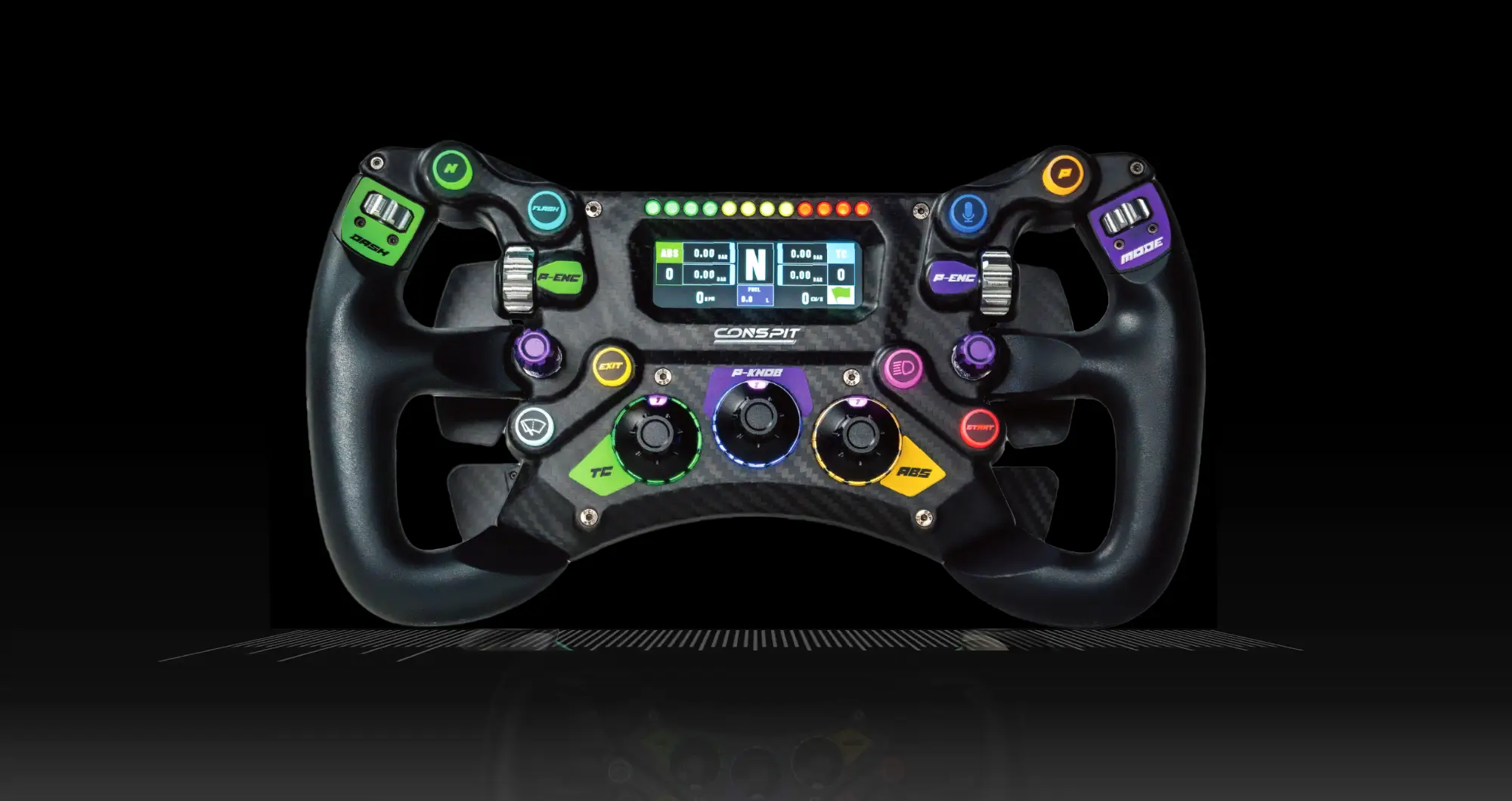
CONSPIT 300GT STEERING WHEEL
Best Value @ $399
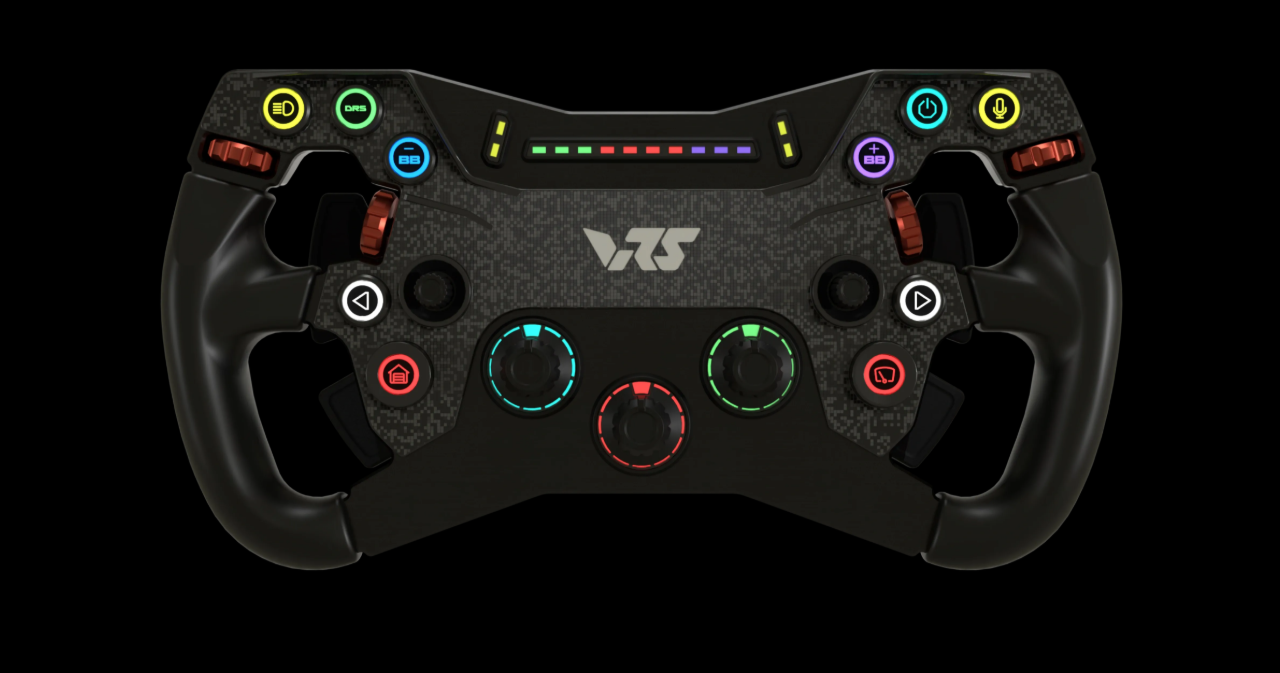
VRS R295 Steering Wheel
Best Value @ $349
MOZA FSR2 Formula Wheel
Best Value @ $649
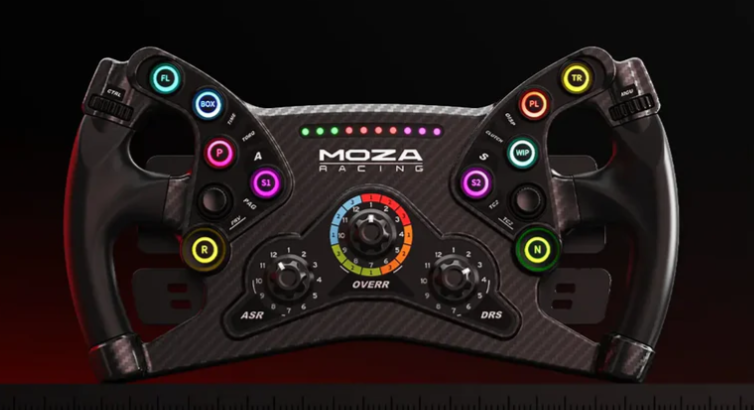
MOZA KS Steeering Wheel
Best Value @ $249
A crowded conference floor gives attendees plenty to look at and very little reason to stop. Event simulators change that equation. The sound of a race car, the movement of a full-motion cockpit, and a live leaderboard create a visible invitation to compete, watch, and return for another lap. For corporate parties, trade shows, client events, and team-building programs, that energy can turn a passive audience into active participants.
The difference is not simply placing a racing game in a corner. A premium sim racing activation is built around pro-driver-grade equipment, experienced event staff, thoughtful traffic flow, and brand integration that makes the experience feel like it belongs to the host. When those elements work together, guests remember the competition long after they have forgotten another giveaway.
Why Event Simulators Earn Attention
Most event entertainment is easy to consume and easy to walk past. A racing simulator asks something more of the guest: choose a car, take the wheel, find the braking point, and chase a faster lap. That small challenge creates immediate investment. Colleagues gather to compare times. Executives cheer for their teams. Prospects who might not stop for a sales conversation now have a reason to engage.
Full-motion racing simulators add physical feedback to the experience. The cockpit moves under acceleration, braking, and cornering forces, creating a stronger sense of speed and control than a stationary setup can deliver. This matters when an event needs a premium centerpiece rather than a novelty. The simulator becomes an attraction with a queue, a crowd, and a clear reason for attendees to share photos and videos.
The format also works across different audiences. An experienced motorsports fan can focus on shaving tenths from a lap time, while a first-time driver can enjoy a guided run without feeling intimidated. The best activations are competitive without becoming exclusionary.
The Equipment Defines the Guest Experience
Not all event simulators produce the same result. Consumer-grade gear may be fine for casual home use, but it can struggle under continuous event traffic and often lacks the presence expected at a high-value corporate program. A professional activation requires hardware that feels credible from the moment a guest sits down.
That starts with a rigid racing cockpit, a responsive direct-drive wheel system, precise pedals, a large display or immersive visual setup, and full-motion capability when the event calls for maximum impact. The seating position should feel like a real race car, not an office chair pushed in front of a screen. Every touchpoint matters, from the steering wheel’s feedback to the stability of the pedal deck.
Reliability matters just as much as realism. At a trade show, there is no room for a rig that needs constant adjustment or loses time to technical problems. Equipment must be configured for repeatable use, with settings that suit a broad mix of skill levels. A guest should be able to step in, receive a quick briefing, and get racing.
There is a trade-off to consider. Larger motion platforms and multi-rig installations create more spectacle, but they require more floor space, power planning, and load-in coordination. For a compact client reception, one or two premium simulators may be the stronger choice. For a convention booth or large employee event, a multi-driver head-to-head format can keep the audience engaged for hours.
Racing Coaches Turn Curiosity Into Competition
The hardware draws a crowd. Professional coaching keeps the line moving and makes the experience rewarding.
A trained racing coach does far more than start a session. They welcome guests, adjust the seat and controls, explain the objective, and give a few practical pointers before the green flag. A simple note about braking earlier or looking through the corner can turn an uncertain first lap into a genuine breakthrough. That moment is where the simulator stops being a display and becomes a story the guest will retell.
Coaches also protect the quality of the activation. They can tailor guidance to the person in the cockpit, whether that is a competitive driver chasing the leaderboard or a nervous beginner who wants a fun, low-pressure lap. They maintain pace, manage the queue, and keep spectators involved by calling out fast times and friendly rivalries.
For team-building events, this human element is especially valuable. The competition becomes accessible instead of intimidating. Teams can rotate through short sessions, compare results, and encourage one another without needing any prior racing experience. A well-managed leaderboard gives the program structure, while the coach gives it personality.
Branding Should Be Part of the Race
A generic simulator entertains. A branded simulator activation can support a marketing objective.
The most effective programs place a company’s identity where guests naturally look: on the simulator itself, on-screen in the race car livery, and around the circuit on trackside billboards. Those details make the brand part of the race environment rather than an afterthought printed on a nearby banner. When a guest photographs their cockpit or records a fast lap, the branding travels with the content.
Customization also helps an activation fit the occasion. A company launching a product can build a race challenge around the campaign. A dealership group can feature its visual identity in the virtual garage. A sales organization can divide drivers into regional teams and recognize the fastest performers. For a client event, branded leaderboards give hosts an easy way to create conversations and celebrate winners.
The key is restraint. Too many logos can make a premium rig feel promotional in the wrong way. Strong design uses the brand consistently across the cockpit, car, track, and event signage so the experience feels intentional. The guest should feel like they entered the host’s racing world.
Designing an Activation That Fits the Room
The best simulator rental is not always the largest possible setup. It depends on attendance, event length, venue access, available square footage, and the behavior you want to encourage.
A small executive reception may benefit from a single showcase rig with full motion and a coach-led hot-lap challenge. It creates an exclusive feel and gives every participant time in the seat. A large trade show benefits from multiple simulators, short race sessions, visible scoring, and a spectator-friendly layout that draws passersby into the action.
Traffic planning deserves attention early. Position the simulators where engine sound and movement can attract people without blocking aisles or conversations. Leave room for the queue, spectators, coaches, and the branded backdrop. If guests are expected to compete in pairs or teams, make the leaderboard visible from outside the driving area. People waiting to race should still feel involved.
Event goals should guide the format. If lead generation is the priority, registration and scheduled race slots can support meaningful conversations. If employee engagement is the priority, a timed tournament can create friendly momentum throughout the evening. If the purpose is brand visibility, a visually bold motion rig with integrated digital branding may matter more than running a formal competition.
Where Premium Racing Simulators Make Sense
Corporate events are an obvious fit, but the use cases extend well beyond a ballroom. Conference organizers use simulators to give attendees a reason to visit sponsor areas. Marketing teams use them to turn product launches into content opportunities. Hospitality groups use them to create a memorable VIP experience. Universities, dealerships, sports venues, and fundraising events can all benefit from a competition that welcomes both serious racers and complete beginners.
For companies in Nashville, Dallas, Orlando, Atlanta, Chicago, Indianapolis, and other major event markets, mobile simulator rentals remove the burden of sourcing hardware, transporting it, and operating it onsite. Sim Racing Warehouse brings the equipment, setup expertise, trained racing coaches, and branded race environment together as one professional event experience.
A race simulator is not the right choice for every program. Events with extremely limited space, strict noise limits, or a guest list that needs quiet networking may be better served by another format. But when the goal is to create movement, conversation, competition, and a strong visual focal point, few attractions work as hard as a premium racing activation.
The next time an event needs more than another cocktail hour or booth giveaway, give guests a reason to take the wheel. A fast lap, a cheering crowd, and their name near the top of the board can make your brand the part of the event they talk about on the way home.
SHARE THIS STORY ANYWHERE YOU LIKE
SHARE THIS STORY ANYWHERE
fusion_global=”97″]
