

F1 Simulator Booth Rental Checklist for Events
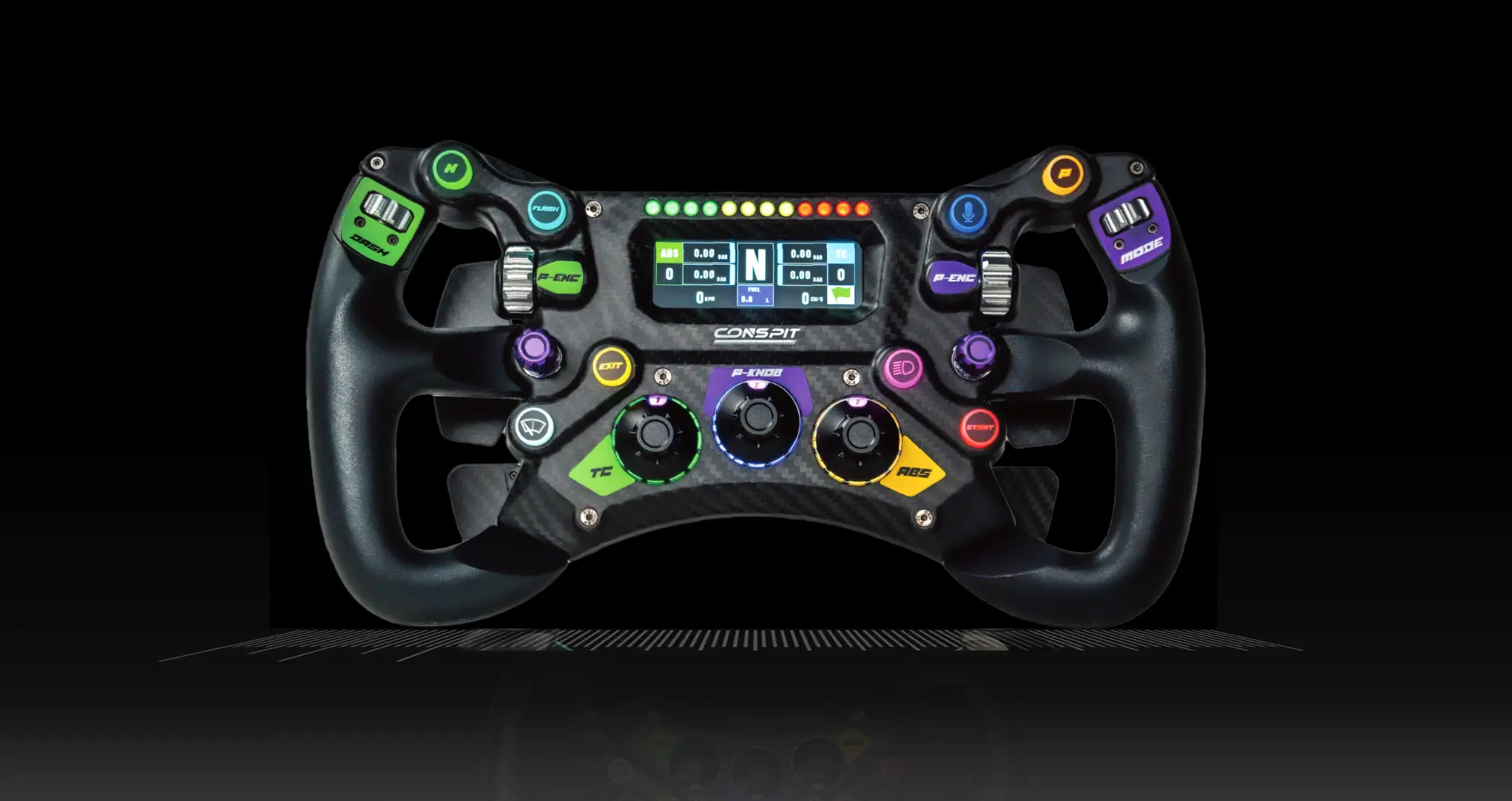
CONSPIT 300GT STEERING WHEEL
Best Value @ $399
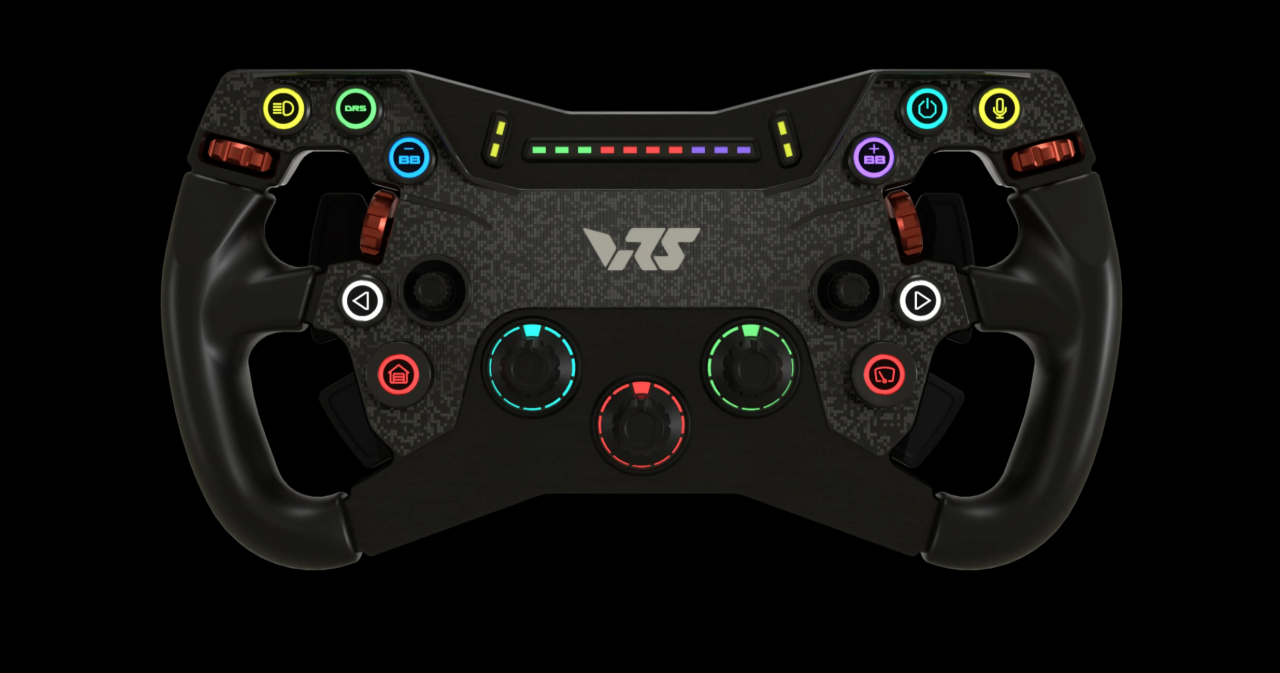
VRS R295 Steering Wheel
Best Value @ $349
MOZA FSR2 Formula Wheel
Best Value @ $649
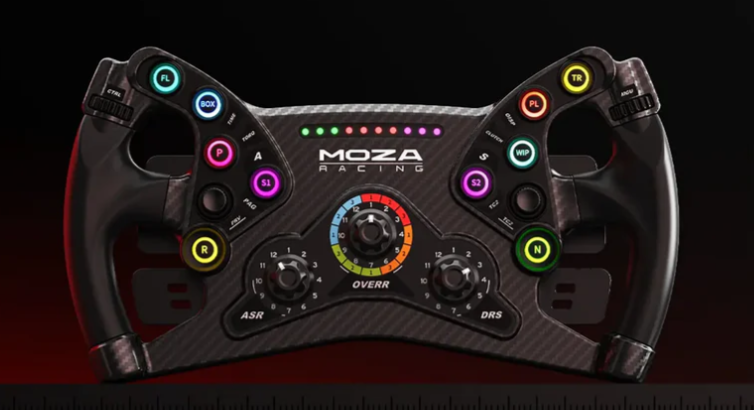
MOZA KS Steeering Wheel
Best Value @ $249
A 10-by-10 trade show booth can become the loudest conversation on the floor when guests can feel a full-motion race car react beneath them. It can also become a bottleneck if the simulator, screen, queue, branding, and staffing were treated as separate decisions. This F1 simulator booth rental checklist helps corporate event planners build an activation that looks premium, moves guests efficiently, and gives sponsors more than a logo in the background.
Start With the Event Objective
Before choosing the number of simulators, decide what the booth needs to accomplish. A conference sponsor pursuing qualified conversations needs a different setup than a company planning a high-energy employee appreciation event. Racing is the draw, but the business result should shape the format.
For lead generation, build in a registration point before the drive and a clear handoff after the guest exits the cockpit. For team building, use a timed leaderboard that gives departments or tables a reason to return and challenge one another. For a client event, prioritize polished presentation, knowledgeable coaches, and enough session time for guests to feel genuine improvement rather than taking one rushed lap.
Define the primary result in plain language: capture leads, increase booth traffic, reward employees, support a product launch, or create shareable brand moments. Once that answer is clear, choices around footprint, staffing, and race format become far easier.
F1 Simulator Booth Rental Checklist: Space First
A racing simulator is not just the cockpit footprint. It needs room for entry and exit, a display, a coach, cable management, a waiting line, and guests who want to watch. Full-motion systems require additional clearance and a stable, level surface. A booth that appears sufficient on a floor plan may feel cramped once a driver, a coach, and three coworkers gather around it.
Ask the venue or show organizer for the exact booth dimensions, ceiling restrictions, loading rules, floor condition, and access times. Confirm whether the space is on a raised platform, near an exterior door, or located beside a neighboring exhibitor that may be sensitive to sound. A contained booth can work beautifully, but it needs a plan for sightlines so passersby can see the racing action without blocking the aisle.
Screen placement matters as much as cockpit placement. A large external display turns the experience into a spectator sport, while the driver remains focused inside the simulator. If your goal is stopping traffic, the broadcast view and leaderboard should face the aisle. If the goal is a private executive experience, a more controlled lounge-style layout may be the better fit.
Match Rig Count to Guest Volume
One premium simulator delivers a memorable VIP experience. Two or more rigs create competition, improve throughput, and keep the energy visible. The right answer depends on event duration, expected attendance, and the intended drive time.
Short qualifying sessions can move a high volume of guests, particularly at a busy convention. Longer sessions provide a stronger experience for client entertainment or a company party, but they reduce the total number of drivers. Factor in transition time, too. Every session includes getting in and out of the cockpit, adjusting the seating position, receiving coaching, and resetting the race.
Do not select equipment solely by the largest possible guest count. A crowded queue without clear timing can weaken the experience. It is often better to use a fair session structure, visible wait expectations, and a race format that rewards guests who come back later.
Confirm the Equipment Standard
A booth activation should feel like a race experience, not an arcade cabinet with a steering wheel attached. Professional-grade direct-drive controls, performance pedals, rigid cockpits, and full-motion platforms make the difference immediately. Guests notice the weight transfer, braking precision, and physical feedback even if they have never driven a simulator before.
Ask what is included with the rental: the cockpit, motion system, screens or VR display, audio, computers, power distribution, transport cases, technicians, and coaching staff. Verify that the supplier provides commercial-ready hardware and has a plan for redundant components. Events do not pause because a cable needs replacing or a control needs recalibration.
The software format also deserves attention. A timed hot-lap challenge is easy for first-time guests to understand. Head-to-head races raise the competitive intensity. A staged championship across several hours gives guests a reason to revisit the booth. There is no single best format. A packed trade show may favor short, repeatable laps, while an evening corporate party may benefit from a longer race with a podium-style finale.
Plan for Every Skill Level
The most successful simulator booths make a first-time driver feel capable within minutes while still giving experienced racers a meaningful challenge. That requires thoughtful car settings, a track that is approachable but engaging, and trained racing coaches who know when to assist and when to let a guest find their rhythm.
Coaches should greet drivers, explain the basic controls, set expectations, and offer quick feedback after a lap. A simple cue such as braking earlier before a corner can turn frustration into a personal best. It also makes the activation feel professionally managed rather than self-service.
Sim Racing Warehouse provides trained racing coaches alongside pro-driver-grade full-motion equipment, giving guests the support to enjoy the experience regardless of their starting skill level.
Treat Branding as Part of the Race
A branded backdrop is useful, but it is not the full opportunity. A simulator booth can place your identity directly where guests and spectators are already looking: on the cockpit, within the digital race car livery, on trackside billboards, leaderboard screens, and the photo moment after the session.
Give the rental partner approved logo files, brand colors, and any campaign language early. Custom visual work needs production time, and last-minute files can limit the quality or placement of branded assets. If the event has multiple sponsors, establish who owns the screen visuals, the car design, and the guest data before build-out begins.
There is an important distinction between F1-inspired racing and officially licensed Formula 1 marks. Confirm what imagery, team references, car liveries, and track elements are permitted for your use. A strong racing activation does not need to take unnecessary licensing risks. Your own brand can be the star of the grid.
Lock Down Power, Internet, and Venue Operations
High-performance simulators need dependable power. Request dedicated electrical service based on the final rig count, displays, networking equipment, and any lighting. Do not assume standard booth power will cover a motion platform and multiple high-resolution displays. Confirm outlet placement as well, because long cable runs create both clutter and trip hazards.
Internet requirements depend on the format. A locally run timed challenge may not require a venue connection to function, while live leaderboards, registration tools, remote support, or online competition may. Convention-center Wi-Fi can be congested, so ask whether a hardwired option or dedicated network is available. A professional supplier should also have a practical fallback plan if the connection is unstable.
Load-in is another detail that affects the guest experience later. Confirm dock access, freight elevator size, delivery windows, union labor requirements, parking, security procedures, and teardown timing. Premium simulator systems are substantial equipment. They should arrive, be positioned, tested, and calibrated before your first attendee reaches the booth.
Design the Queue, Data Capture, and Accessibility Plan
A racing booth succeeds when the action is easy to join. Use clear signage that explains the race challenge, the approximate session length, and whether guests need to register. If lead capture is a priority, keep the process brief. Asking for too much information before a two-minute race can slow the line and reduce participation.
Create a physical path from attraction to registration, waiting area, cockpit, exit, and follow-up. A visible leaderboard can occupy guests while they wait, especially when names, company teams, or lap times update throughout the day. For a corporate party, a live host can call out fast laps and invite friendly rivalries without making inexperienced drivers feel exposed.
Accessibility should be addressed before event day. Discuss guest mobility needs, cockpit entry, seating adjustments, screen visibility, and alternatives for attendees who may not be able to use the rig comfortably. Spectator participation, branded photo moments, and team scoring can keep more people included in the activation.
Questions to Resolve Before You Book
Use these final checks to pressure-test the plan:
- Does the booth footprint include safe space for motion, coaching, spectators, and a managed queue?
- Is the simulator count aligned with expected traffic and the time each guest will spend driving?
- Are the branding assets approved, production-ready, and permitted for the intended use?
- Has dedicated power, venue access, and internet backup been confirmed in writing?
- Will trained staff manage driving, technical support, guest flow, and the leaderboard throughout the event?
- Does the race format give your audience a reason to participate, compete, and remember your brand?
The strongest racing activations leave guests talking about the lap they nearly nailed, the colleague they beat by two tenths, and the brand that put them in the driver’s seat. Build around that feeling, then book the equipment and team capable of delivering it.
SHARE THIS STORY ANYWHERE YOU LIKE
SHARE THIS STORY ANYWHERE
fusion_global=”97″]
