

Full Motion Simulator Chicago for Events
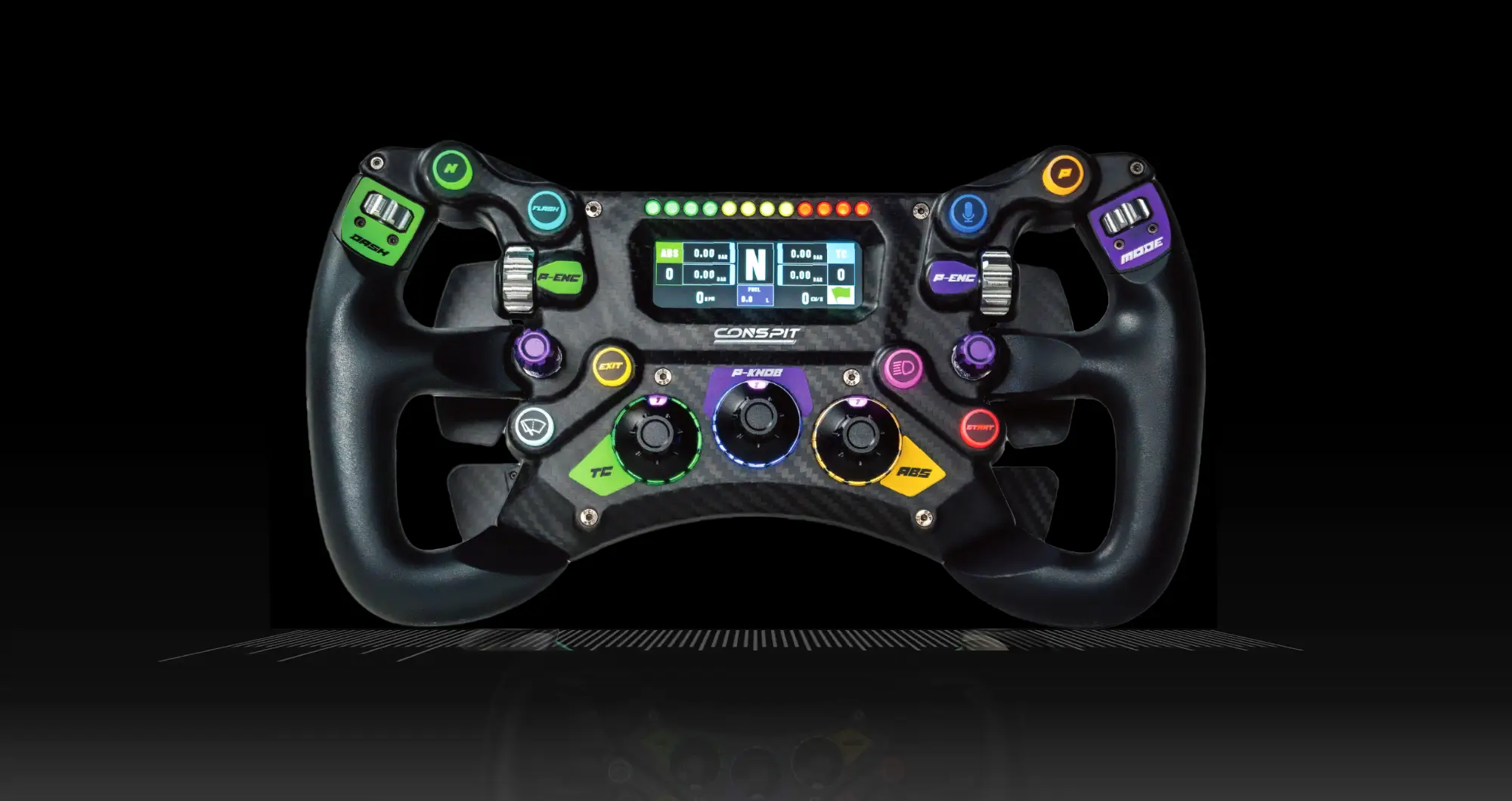
CONSPIT 300GT STEERING WHEEL
Best Value @ $399
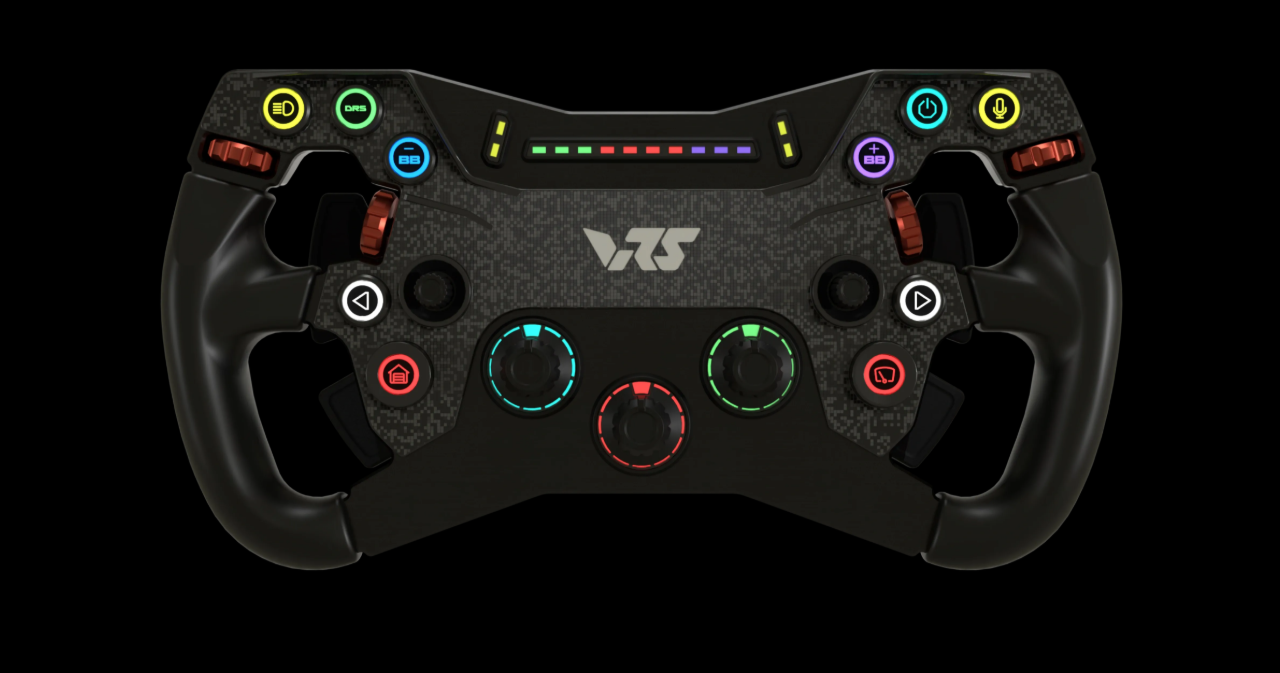
VRS R295 Steering Wheel
Best Value @ $349
MOZA FSR2 Formula Wheel
Best Value @ $649
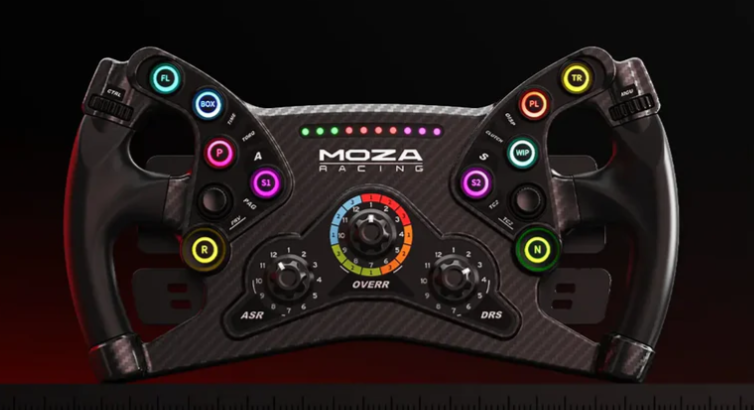
MOZA KS Steeering Wheel
Best Value @ $249
A crowded Chicago trade show floor gives attendees plenty of reasons to keep walking. A full motion simulator Chicago experience gives them a reason to stop, strap in, and stay. The difference is physical: the cockpit reacts to braking, acceleration, curbs, and cornering forces while guests focus on the next apex. It creates a high-energy moment that is easy to understand, exciting to watch, and memorable long after the event closes.
For corporate parties, conferences, client entertainment, product launches, and convention activations, premium sim racing does more than fill downtime. It creates a natural gathering point where competition, conversation, and brand visibility meet. The quality of the equipment, the coaching behind it, and the way the experience is presented determine whether it feels like a serious attraction or just another game.
Why Full Motion Changes the Event Experience
A stationary racing rig can be fun, but motion adds the feedback that makes virtual driving feel convincingly physical. When the chassis moves beneath the driver, guests feel weight transfer through a fast corner, the pitch of hard braking, and the vibration of a rough curb. Those sensations make every lap more intuitive for first-time drivers and more demanding for experienced racers.
That matters at live events because the experience needs to engage people quickly. A guest does not need a racing background to understand a tight pass or celebrate a fast lap. The movement of the simulator draws attention from across the room, while the on-screen racing gives waiting guests something to follow. It turns individual driving sessions into shared entertainment.
There is a practical trade-off. Full-motion systems require professional transport, installation, calibration, and enough floor space to operate safely. They are not a plug-in arcade unit. That is exactly why event organizers benefit from a provider that handles the technical work and presents the experience at a premium standard.
A Full Motion Simulator Chicago Setup Built for Serious Racing
The strongest simulator activations begin with pro-driver-grade hardware. High-torque wheel systems, precision pedals, rigid cockpits, racing seats, large-format displays, and motion platforms need to work together as one responsive system. If any component feels vague, delayed, or unstable, drivers notice it immediately.
At Sim Racing Warehouse, each event setup is designed to deliver the control and feedback enthusiasts expect while remaining approachable for a guest who has never driven a simulator. The goal is not to overwhelm attendees with settings or jargon. It is to put them in a convincing race car environment and get them racing with confidence.
Visual quality also carries weight. A crisp, responsive display lets drivers judge braking markers and corner exits, while spectators can see the action clearly. Authentic vehicle behavior gives the experience credibility. For a motorsports-themed event, a Formula-style car can create the right visual drama. For broader audiences, production-based sports cars often provide a familiar entry point without sacrificing excitement.
Coaches Keep the Line Moving and the Energy High
Premium equipment earns attention. Professional racing coaches make it work for the room.
A trained coach welcomes each driver, adjusts the seating position, explains the controls, and offers a few targeted pointers before the session starts. That support removes the hesitation that can keep guests from participating. Instead of worrying about spinning out in front of coworkers or clients, they have a knowledgeable guide helping them find the racing line and improve lap by lap.
Coaching also protects the pace of the activation. At a conference or trade show, organizers need a consistent rhythm of drivers moving through the experience. Coaches manage starts, resets, scoring, and friendly competition without making the experience feel rushed. At a corporate party, they can lean into head-to-head races and leaderboard drama. At a client event, they can provide a more polished, personal level of instruction.
This is where a high-end simulator rental separates itself from self-service entertainment. The hardware is the draw, but the human guidance helps every guest get a genuine win from the experience, whether that means a clean first lap or the quickest time of the evening.
Put Your Brand in the Driver’s Seat
A simulator can carry much more than a logo on a nearby sign. The most effective branded experience puts a company directly into the race environment. Custom branding can appear on the physical simulator, on the in-sim race cars, and on trackside billboards visible during every lap.
That level of integration gives marketing teams useful repetition without forcing a sales message. Guests see the brand while they wait, while they race, and while they watch their colleagues compete. Photos and video naturally capture the custom elements, particularly when a fast lap, close finish, or podium moment creates a shareable reaction.
The best creative approach depends on the goal. A product launch may call for a custom-liveried car and a track environment that reinforces a new campaign. A convention booth may benefit from bold simulator wraps that can be recognized from the aisle. A client appreciation event may favor subtler presentation, with polished branding and a private leaderboard that encourages conversation.
Branding works best when it supports the experience rather than distracts from it. Drivers should still feel like they are stepping into a race car, not a moving advertisement. When the visual treatment is clean and intentional, the brand becomes part of the memory of the race.
Match the Format to Your Chicago Event
Chicago events vary widely, from intimate executive gatherings to large convention halls with thousands of attendees. The right simulator format depends on available footprint, guest volume, event duration, and the type of interaction you want to create.
A single full-motion rig can be the centerpiece of a smaller VIP event, especially when each guest receives coached time behind the wheel. Multiple simulators make more sense for larger crowds, where side-by-side competition reduces wait times and gives spectators more action to watch. A leaderboard can keep participation moving throughout the day by giving returning guests a target to chase.
For a trade show, the priority is often visibility and fast, repeatable sessions. Short qualifying runs work well because attendees can compete without committing a large block of time. For a team-building program, longer races create room for strategy, relay formats, and friendly rivalries between departments. For a gala or evening party, the simulator can become a premium entertainment feature that runs alongside food, music, and networking.
The event space matters as much as the agenda. Full-motion rigs need a stable area, clear guest flow, appropriate power access, and enough room for coaches and spectators. Discussing those details early avoids compromises later and helps ensure the activation looks intentional in the venue rather than squeezed into an unused corner.
What Guests Remember After the Checkered Flag
People may not remember every sponsor display or every conversation from a busy event. They do remember the moment a simulated car broke traction, the coach helped them recover, and their lap time appeared above a coworker’s on the leaderboard. Those moments are personal, competitive, and easy to retell.
A full-motion racing simulator also gives event teams a rare way to serve mixed audiences at once. Motorsport fans appreciate the equipment and realism. Casual guests enjoy the spectacle and the challenge. Decision-makers see an organized activation that keeps people engaged instead of checking their phones. That broad appeal is valuable when an event needs one premium feature that can carry energy across different groups.
For organizers planning a Chicago activation, the clearest question is not whether guests will enjoy racing. It is whether the experience will feel worthy of the audience and the brand. Choose pro-grade equipment, expert coaching, thoughtful branding, and a format built around the room. Then book your event with enough lead time to make the starting grid feel like it was built specifically for your guests.
SHARE THIS STORY ANYWHERE YOU LIKE
SHARE THIS STORY ANYWHERE
fusion_global=”97″]
