

Racing Simulator Rental vs Arcade Games for Events
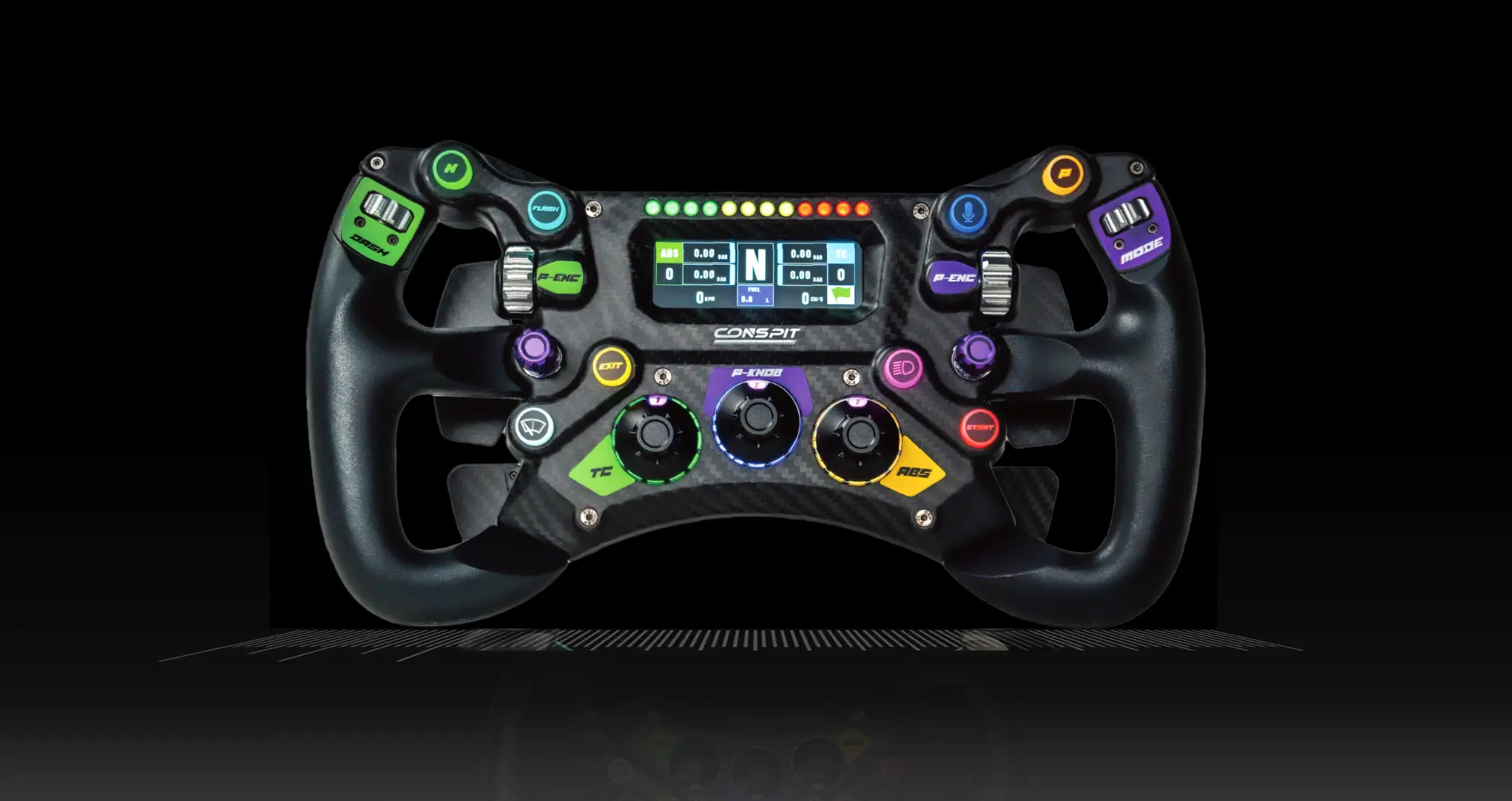
CONSPIT 300GT STEERING WHEEL
Best Value @ $399
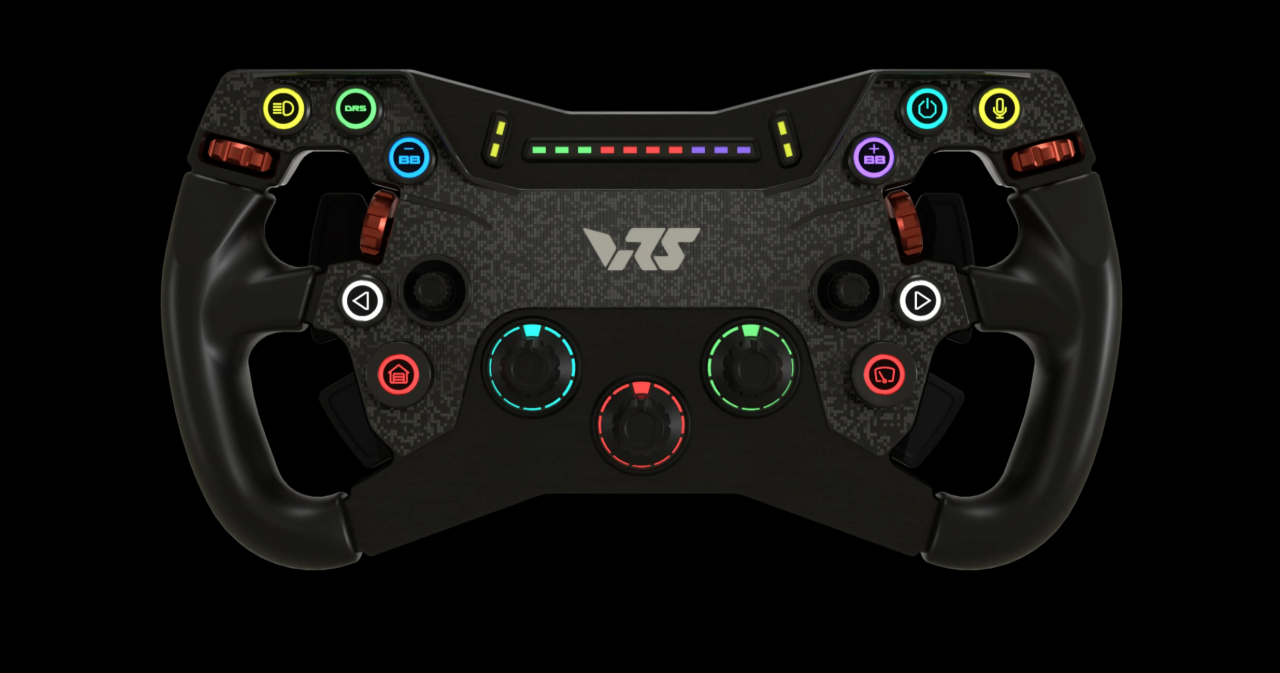
VRS R295 Steering Wheel
Best Value @ $349
MOZA FSR2 Formula Wheel
Best Value @ $649
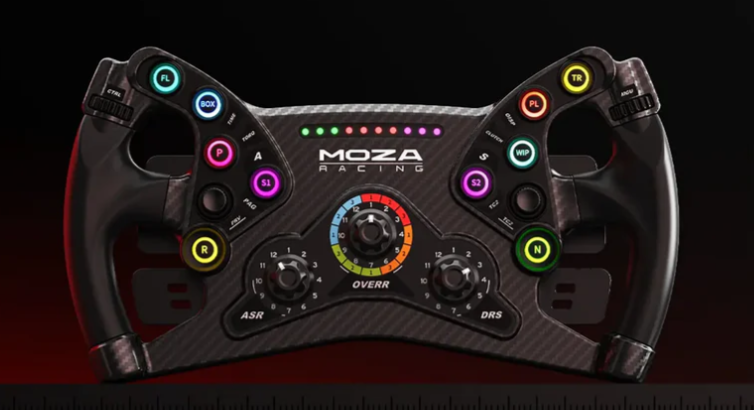
MOZA KS Steeering Wheel
Best Value @ $249
A trade show floor can be full of flashing cabinets, prize tickets, and quick distractions. The activation people remember is the one that gives them a reason to stay, compete, return with coworkers, and talk about it afterward. That is the real decision behind racing simulator rental vs arcade games for a corporate event: are you filling space with entertainment, or creating a branded experience with measurable energy?
Arcade games still have a place. They are familiar, accessible, and useful when the goal is casual play across a wide range of guests. But for a conference, client event, product launch, or team-building program where the experience needs to feel premium, a full-motion racing simulator changes the level of engagement.
Racing Simulator Rental vs Arcade Games: The Core Difference
An arcade game is designed for immediate, low-commitment play. A guest walks up, understands the basic objective in seconds, plays a short round, and moves on. That simplicity can work well for family events, open-house entertainment, or a large room where guests are circulating quickly.
A professional racing simulator is designed to create immersion and competition. Guests sit in a real racing cockpit, take the wheel, feel the vehicle react through full-motion movement, and focus on putting together their fastest lap. The experience has enough realism to excite motorsport fans while remaining approachable for first-time drivers with the right guidance.
The difference matters because corporate entertainment is rarely just entertainment. Event planners need a draw for the booth, an interaction point for prospects, a reason for attendees to extend their stay, and an experience that reflects the caliber of the host brand. Arcade games can add activity. A premium racing activation can become the centerpiece.
Where Arcade Games Still Make Sense
Arcade games are not automatically the lesser choice. They can be a smart fit when the event needs large-volume, lighthearted entertainment with minimal instruction. Classic cabinets, basketball games, claw machines, and casual driving games are easy to understand from across the room. Their short play cycles can help keep a line moving at a packed festival or employee celebration.
They also work when the objective is variety. A small arcade zone lets guests choose their preferred activity, which can be useful for a broad audience that includes children, families, and people who may not want to compete head-to-head.
The trade-off is depth. Most arcade games offer limited time with the brand and limited reason to return once a guest has played. Their visuals can be customized around the surrounding space, but the game itself usually remains an off-the-shelf experience. A logo near a cabinet is not the same as seeing your company represented inside the action.
Why Full-Motion Racing Simulators Create More Impact
A full-motion racing simulator has instant visual pull. A racing cockpit, wheel, pedals, large display, and moving platform naturally stop traffic because the experience looks serious before anyone gets in the seat. That matters at conventions and conferences where every exhibitor is competing for attention.
Once guests take the wheel, the experience holds their attention. Professional-grade wheel bases and pedals provide purposeful feedback, while the simulator’s motion communicates acceleration, braking, cornering load, and track surface changes. Instead of tapping a button or steering a simple arcade wheel, drivers are making decisions that affect every lap.
That added involvement creates a stronger emotional payoff. A guest who barely misses a coworker’s lap time wants another run. A client who sets the fastest time wants to see whether anyone can beat it. The leaderboard becomes a natural conversation starter, and the crowd gathers around the competition rather than passing by.
There is a practical benefit as well: a racing activation can be organized around a defined event format. Fastest-lap contests, head-to-head sessions, executive challenges, team heats, and final-round championships give the experience structure. This makes the simulator more than an attraction. It becomes programming that can support networking, recognition, and friendly competition.
Coaching Is the Difference Between Intimidating and Inclusive
Some planners worry that realistic simulators will appeal only to experienced gamers or racing fans. That concern is valid if the equipment is simply placed in a room and left unattended. It is far less of an issue when trained racing coaches are part of the experience.
A professional coach welcomes each guest, explains the controls, adjusts the seating position, and gives clear driving guidance before the session begins. They can help a newcomer understand braking points and steering inputs without overwhelming them with technical language. For experienced drivers, they can offer more advanced feedback that makes the competition even more compelling.
This personal guidance is one of the biggest advantages a premium simulator rental has over a typical arcade setup. Guests do not feel as if they are trying to figure out an unfamiliar machine in front of a crowd. They feel supported, encouraged, and ready to enjoy the race.
For event teams, coaches also protect the flow of the activation. They manage turns, keep sessions moving, handle basic questions, and make sure the competition remains welcoming. That level of staffing is especially valuable at high-profile client events, where every guest interaction reflects on the host organization.
Branding: A Bigger Gap Than It First Appears
Brand visibility is often the deciding factor in racing simulator rental vs arcade games. Arcade machines can be surrounded by signage, but the brand experience generally sits outside the game. With a premium simulator activation, branding can be built into the moment guests are actively enjoying.
Your company identity can appear directly on the simulator, inside the in-sim racing cars, and on trackside billboards. That creates visual repetition during the most engaging part of the event, not just before or after play. It also gives spectators something recognizable to photograph and share.
This matters for marketing teams trying to justify event spend. A branded racing experience is not a generic entertainment expense with a banner beside it. It is a customized activation that can reinforce a campaign, product launch, dealership partnership, recruiting initiative, or customer appreciation program.
The strongest concepts match the race to the brand’s purpose. A sales kickoff may feature regional teams battling for the top lap. A technology company may use a futuristic motorsport visual package. A client event may center on hospitality and a polished leaderboard competition. The simulator format is flexible, but the custom creative needs to be intentional.
Comparing Guest Throughput and Event Logistics
Arcade games often win on pure self-service throughput. Several guests can play different machines at once, and a round may last only a minute or two. If the priority is giving hundreds of people a brief activity with no schedule, an arcade mix can be efficient.
A racing simulator is more curated. Each driver needs a short onboarding, seat adjustment, and driving session. That means planners should choose the right number of simulators and session format for expected attendance. For a focused corporate competition, that deliberate pace is an advantage because it gives every participant a complete experience. For a massive open-flow crowd, multiple simulator stations may be the better configuration.
Space, power, load-in access, and event timing also deserve early consideration. Full-motion simulators are premium event equipment, not lightweight game cabinets. An experienced rental partner plans the footprint, setup, testing, staffing, and breakdown around the venue’s operational requirements. That preparation protects the guest experience when doors open.
Which Option Delivers Better Value?
The right answer depends on what success looks like for the event. If the goal is inexpensive, casual variety, arcade games can be an appropriate choice. They work best when no single attraction needs to carry the room or communicate a premium brand position.
If the goal is to attract attention, extend dwell time, generate competition, create strong branding opportunities, and give guests a story to take home, a full-motion racing simulator rental delivers more value per interaction. It asks more of the event budget and planning process, but it also produces an experience that feels substantially more distinctive.
For trade shows, the clearest comparison is often simple: arcade games entertain people who have already approached your booth; racing simulators can give people a reason to approach in the first place. For internal events, the simulator turns passive attendance into an activity coworkers can rally around. For client hospitality, it creates a polished shared memory rather than another familiar game in the corner.
Sim Racing Warehouse pairs pro-driver-grade equipment with trained racing coaches and event-ready customization, so the activation feels as professional as the brand hosting it. When your event needs more than background entertainment, book a racing experience that gives every guest a reason to take the wheel.
SHARE THIS STORY ANYWHERE YOU LIKE
SHARE THIS STORY ANYWHERE
fusion_global=”97″]
