

F1 Simulator Versus VR for Corporate Events
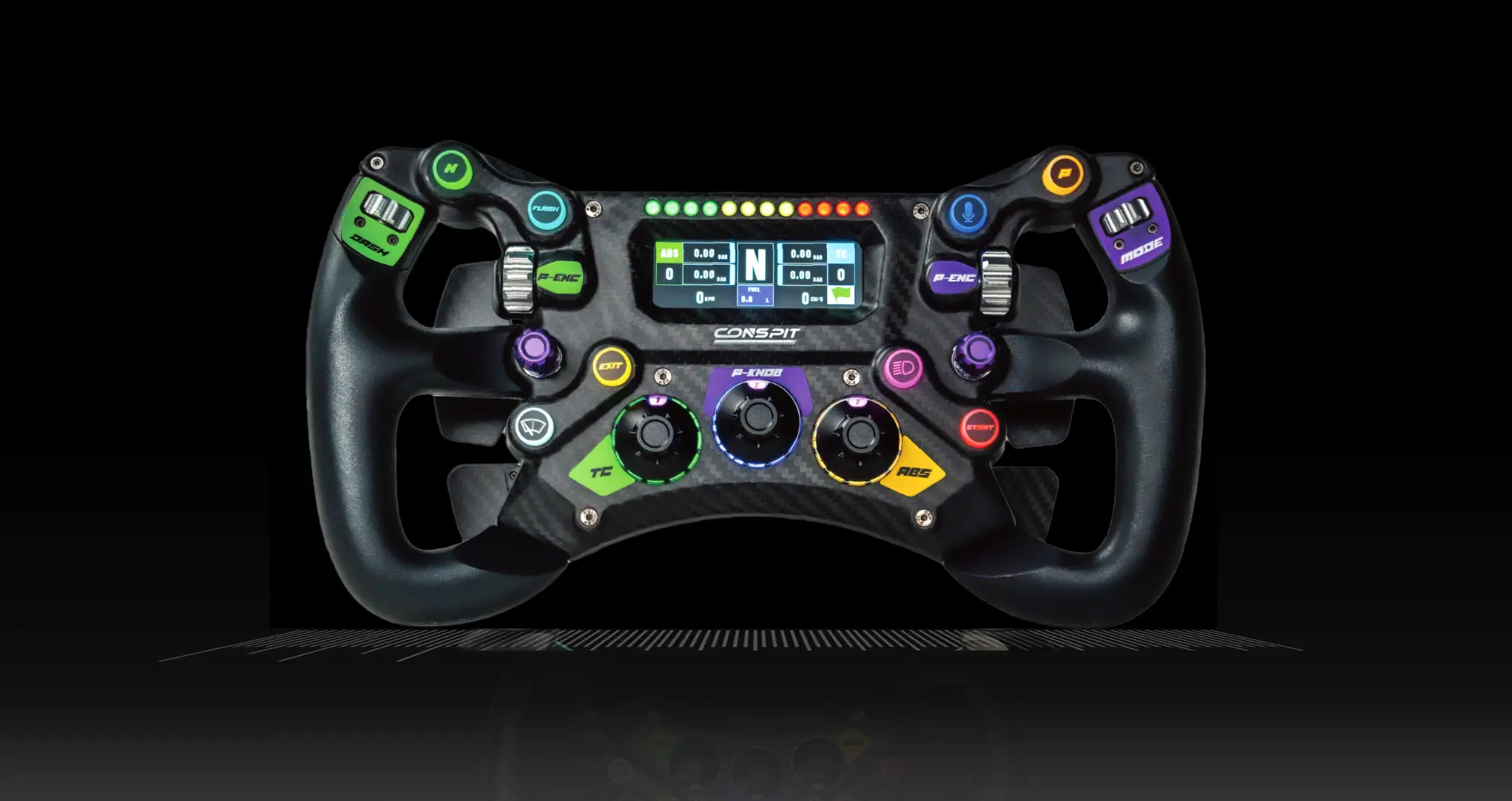
CONSPIT 300GT STEERING WHEEL
Best Value @ $399
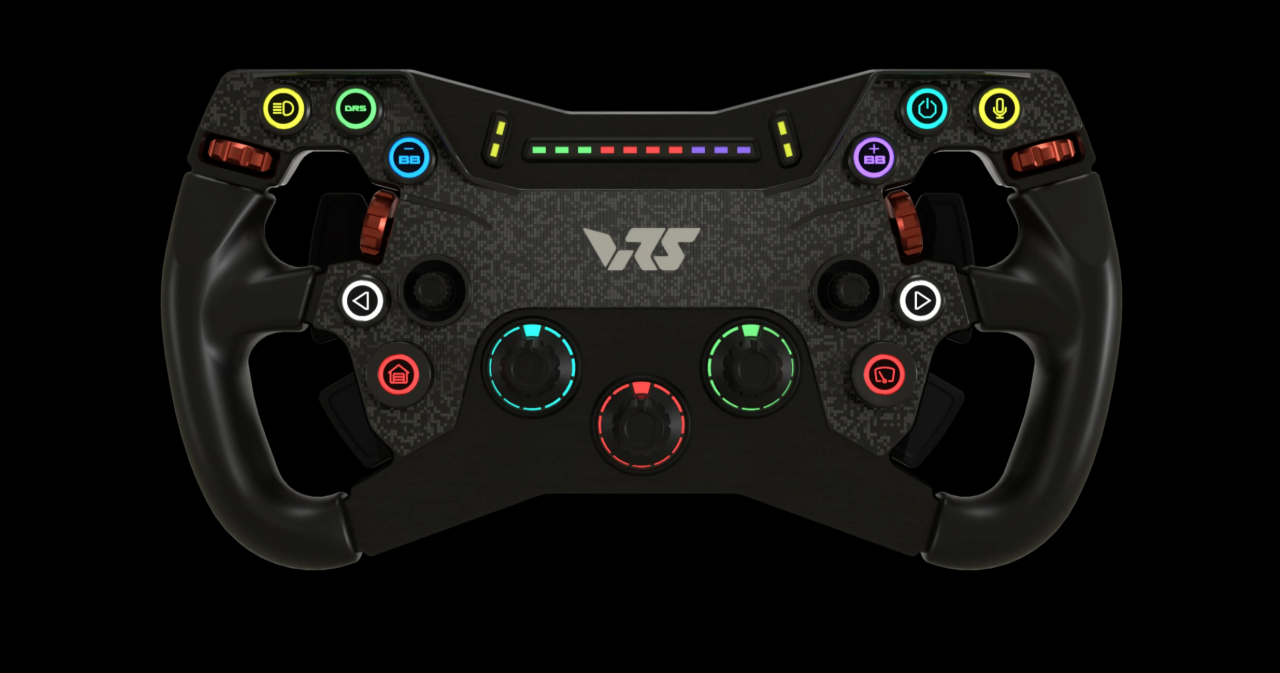
VRS R295 Steering Wheel
Best Value @ $349
MOZA FSR2 Formula Wheel
Best Value @ $649
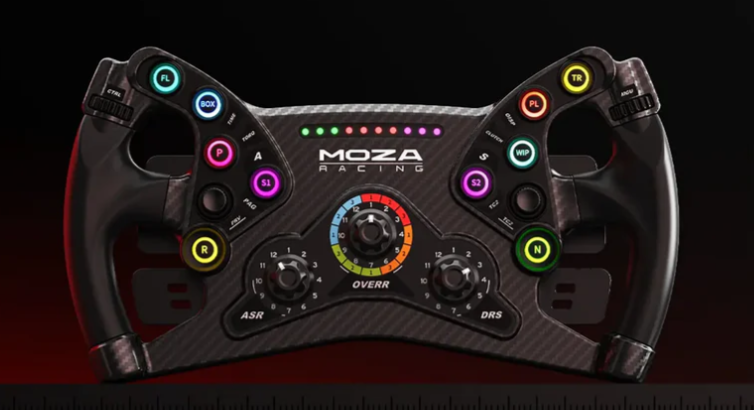
MOZA KS Steeering Wheel
Best Value @ $249
A headset can turn a guest into the hero of a virtual world. A full-motion Formula-style racing simulator does something more specific: it puts them in a real competition, with a steering wheel in their hands, a lap time on the screen, and coworkers watching every move. That distinction is the heart of the F1 simulator versus VR decision for corporate events.
VR can be a strong entertainment choice, especially for short individual experiences. But when a conference, client event, trade show, or team-building program needs visible energy, repeat participation, and premium brand presence, a professional racing simulator usually gives organizers more to work with. The right answer depends on your event goals, guest volume, venue, and the kind of memory you want people to carry away.
F1 Simulator Versus VR: The Core Difference
VR is a display format. It places a guest inside a computer-generated environment through a headset, often with handheld controllers or a simplified physical interface. The strongest VR experiences create surprise, scale, and escapism. Guests can fly, explore, battle, build, or race without needing a large physical footprint.
An F1 racing simulator is a complete motorsport experience. Guests sit in a purpose-built cockpit, use pro-driver-grade steering, pedals, and controls, and race on a large display while a motion platform responds to braking, cornering, acceleration, and track surface changes. The equipment is physical, visible, and immediately understandable from across the room.
That visibility matters at a live event. A VR guest is immersed, but largely hidden behind a headset. A racing guest is performing. Colleagues can see the cockpit move, hear the engine note, watch the car on screen, react to a close lap, and challenge the current leader. It turns one person’s turn into entertainment for the people waiting nearby.
Why Racing Simulators Build a Better Crowd
Corporate activations are rarely judged only by whether one attendee had fun. Marketing teams want people to stop, participate, share, and remember the brand. Event planners need an attraction that keeps the room active without creating confusion or long periods of dead space.
A full-motion simulator creates a natural spectator loop. Guests see someone racing, notice the leaderboard, and want to take a turn. Once they drive, they often return to improve their time or challenge a colleague. The competitive structure does much of the engagement work without demanding a complicated explanation.
VR can create a line as well, but its social energy is different. Other guests may watch a monitor feed, yet they do not always understand what the player is doing or why a moment was difficult. In a racing simulator, the objective is immediate: brake late, hit the apex, carry speed, and post a faster lap. Even people who have never watched a race understand the stakes within seconds.
For networking events and trade show floors, that clarity is valuable. A guest can step out of the cockpit and start a conversation with a prospect, teammate, or account executive about the lap they just drove. The activity supplies a genuine icebreaker rather than a generic branded giveaway.
Motion, Controls, and the Feeling of Driving
Not all racing games feel alike, and not all simulators deserve to be called premium. The experience changes dramatically when the cockpit has accurate controls, a rigid racing seat, force feedback through the wheel, responsive pedals, and full motion that communicates the car’s behavior.
Motion is not merely visual theater. When a driver accelerates, brakes hard, or attacks a curb, the platform’s movement gives the body another layer of feedback. That makes the experience more believable and more exciting, particularly for guests who may never have driven a performance vehicle on a track. With a trained racing coach guiding them, first-time drivers quickly move from cautious inputs to confident laps.
VR racing can add visual depth and head tracking, but it does not automatically produce a better driving experience. A headset paired with basic controls can feel less convincing than a professional cockpit with a large display, quality wheel and pedals, and a tuned motion system. Conversely, high-end VR with dedicated racing hardware can be impressive for a personal setup, though it introduces operational considerations that matter at events.
Headsets must be fitted, cleaned between users, and adjusted for comfort. Some guests wear glasses, have concerns about hygiene, or simply do not enjoy having their vision fully covered in a busy public environment. A full-motion simulator avoids those barriers while still delivering immersion that guests can see and feel.
Branding Is More Than a Logo on a Screen
For a corporate event, the entertainment should earn its footprint. A racing simulator can become a branded centerpiece before anyone sits down. Custom graphics can place your company identity directly on the simulator, while branded race cars and track billboards extend the message into the in-sim environment.
That creates more photographic moments than a standard VR station. The cockpit, motion platform, screen, leaderboard, and surrounding activation can all support the campaign. Guests are not just using branded entertainment. They are participating in a branded competition with a clear visual identity.
This is especially effective for product launches, dealer meetings, conferences, and client appreciation events where the brand needs to look premium. A polished simulator installation signals performance, precision, and confidence. For automotive, technology, finance, sports, and B2B brands, the association is often a natural fit.
VR can accommodate branding through loading screens, virtual environments, or signage around the play area. Those options can work well for a custom virtual campaign. However, custom VR development may require a longer planning window and can raise the cost and complexity of the activation. Racing simulators offer a proven event format with meaningful customization built into the experience.
Competition Makes Team Building Measurable
A quality event attraction should welcome the experienced racer without intimidating the first-time guest. That balance is where professional coaching and event operations make a difference. Coaches can explain the controls, set realistic driving assists, offer a quick racing line tip, and encourage every guest through the session.
The result is accessible competition. Teams can compete by fastest single lap, combined lap totals, or bracket-style challenges. Leaders have a reason to defend their time, while beginners have a clear target to chase. A leaderboard keeps the experience moving and gives hosts an easy way to announce winners, award prizes, or bring energy back to the room between sessions.
VR can support multiplayer games and collaborative challenges, but results may be less visible to people outside the headset. The racing format puts performance at the center. It is easy to recognize a winner, celebrate a close finish, and turn a company rivalry into a friendly story that lasts beyond the event.
When VR Is the Better Choice
An honest comparison means acknowledging where VR excels. If your event is centered on a fantasy world, product visualization, virtual training, or a story that cannot be represented by racing, VR may be the more relevant format. It can also be useful in unusually tight spaces where a compact headset station is the only practical option.
VR may fit an audience that values novelty above competition or one that is seeking a quiet, highly individual experience. For a small VIP lounge, an art installation, or a product demonstration with a custom digital environment, the headset can be the right tool.
The trade-off is that VR often requires more guest onboarding and closer attention to turnover. It also may not create the same visual draw for passersby. If the event objective is broad participation, high-energy spectatorship, and a premium competitive centerpiece, the simulator has the advantage.
What to Ask Before Booking
Start with the guest journey, not the technology. Consider how many attendees you expect during peak periods, whether you need a competition format, and how visible the activation must be from the rest of the venue. Ask whether the experience needs to support sponsor recognition, social content, or lead-generation conversations.
Then look at the production details. A serious simulator provider should be able to explain the hardware, motion capability, staffing, coaching, branding options, power requirements, setup timing, and space needed for a safe, polished activation. The goal is not simply to place a game in the room. It is to run an experience that feels intentional from the first guest to the final leaderboard update.
Sim Racing Warehouse brings full-motion, pro-driver-grade racing experiences to corporate events across markets including Nashville, Dallas, Orlando, Atlanta, Chicago, and Indianapolis. Our trained racing coaches keep guests comfortable, competitive, and engaged while your branded racing environment commands attention.
Choose VR when the story demands a virtual world. Choose a full-motion F1-style simulator when you want guests to feel the race, see the competition, and leave talking about the lap they almost won. Book your event today and give your audience a reason to get back behind the wheel.
SHARE THIS STORY ANYWHERE YOU LIKE
SHARE THIS STORY ANYWHERE
fusion_global=”97″]
