

Trade Show Simulator Rental Checklist for Events
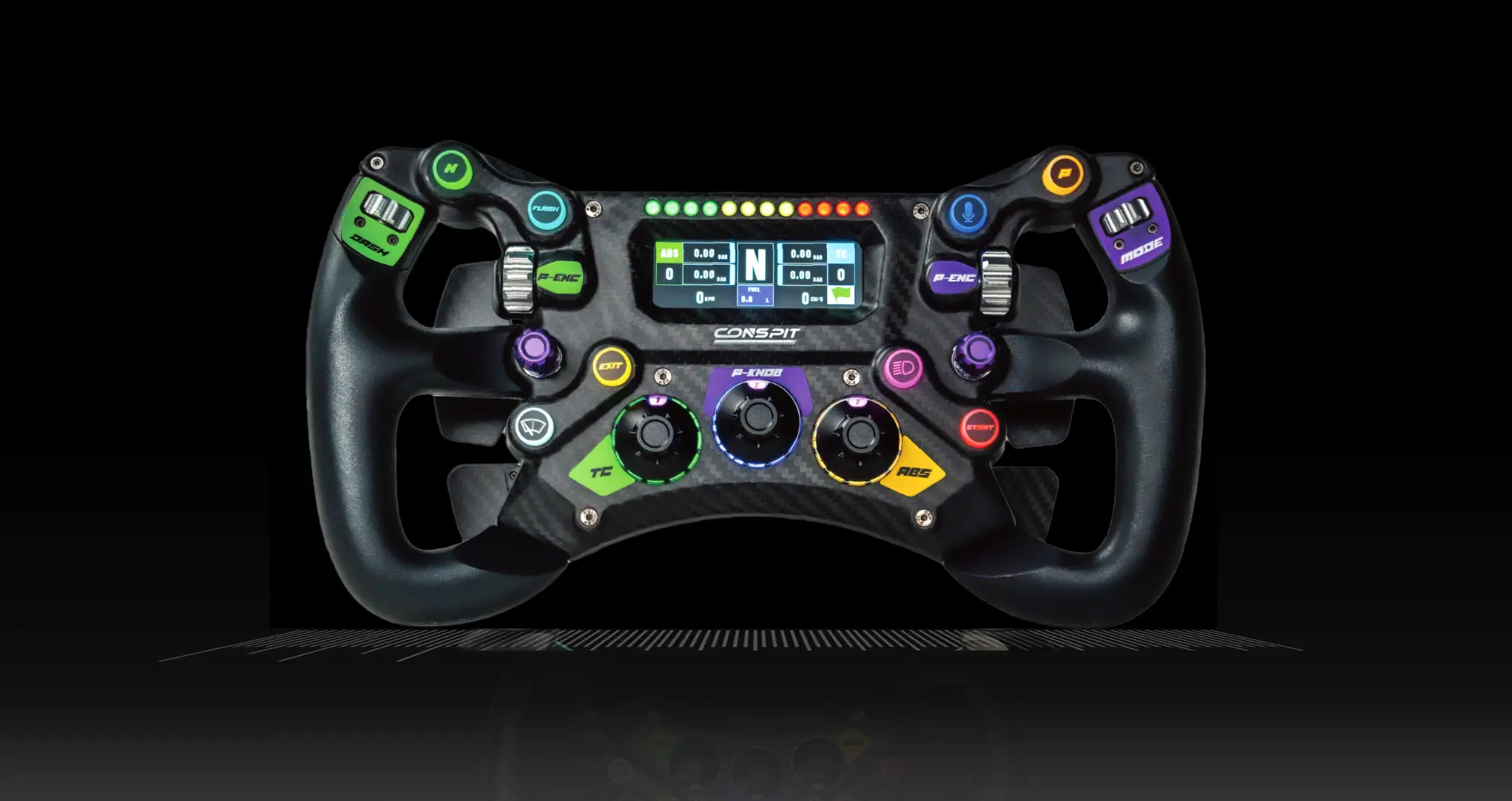
CONSPIT 300GT STEERING WHEEL
Best Value @ $399
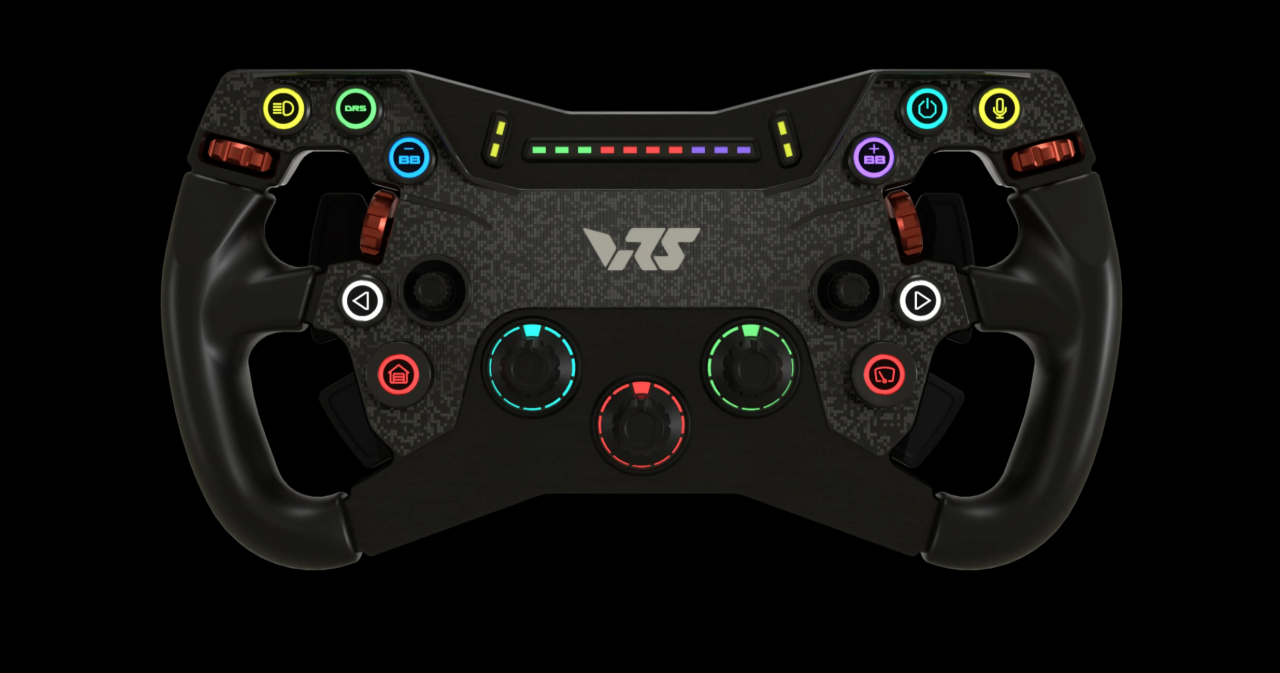
VRS R295 Steering Wheel
Best Value @ $349
MOZA FSR2 Formula Wheel
Best Value @ $649
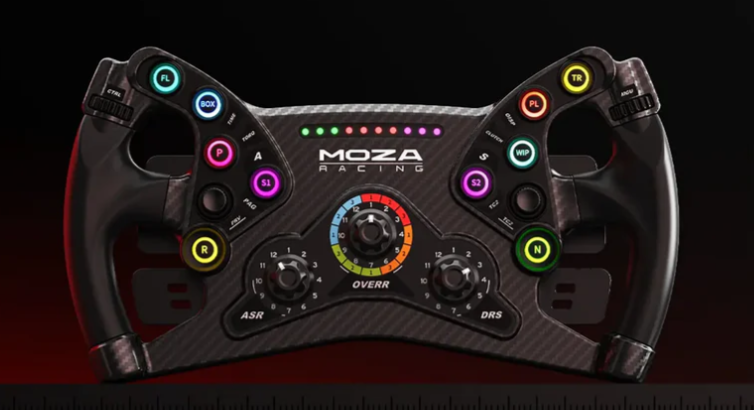
MOZA KS Steeering Wheel
Best Value @ $249
A crowded exhibit hall gives attendees dozens of reasons to keep walking. A full-motion racing simulator gives them a reason to stop, race, compete, share, and remember the company that put them in the driver’s seat. This trade show simulator rental checklist helps event teams evaluate the experience behind the equipment, so the activation delivers real booth traffic rather than becoming expensive scenery.
A simulator rental is not simply a screen, seat, and steering wheel. At a trade show, it is a live brand experience operating under tight floor plans, strict load-in windows, inconsistent connectivity, and constant attendee turnover. The right partner accounts for every one of those realities before the show floor opens.
Start With the Outcome You Want From the Booth
The best rental package depends on what success means for your team. A product launch may need high visibility and branded photo moments. A sales-driven booth may prioritize lead capture and short, repeatable racing sessions. A customer appreciation event may call for longer heats, a leaderboard, and coached competition.
Define the primary outcome before choosing a simulator count or hardware level. If your objective is volume, a two-minute qualifying format can keep the line moving. If the objective is relationship building, a premium full-motion rig with a professional racing coach creates a more personal, high-touch interaction. Trying to do both with one format can work, but it requires thoughtful event flow.
Ask your internal team what they need attendees to do after racing. Scan a badge? Meet a sales representative? Post a branded video? Join a scheduled competition? That answer should shape the activation, not be added as an afterthought.
Trade Show Simulator Rental Checklist: Equipment and Experience
Premium equipment matters because attendees can tell the difference between a casual game setup and a purpose-built racing experience. The simulator should look impressive from the aisle, feel convincing once a guest is seated, and perform reliably through an entire exhibit day.
Use this checklist when comparing rental providers:
- Full-motion capability: Motion adds physical feedback under braking, acceleration, cornering, and curbs. It turns a race into an experience people feel, not just watch.
- Pro-driver-grade controls: Direct-drive steering, precision pedals, rigid cockpits, and high-quality displays create the confidence and control that make the experience satisfying for first-time drivers and experienced racers alike.
- Professional racing coaches: A trained coach keeps each session moving, adjusts the experience for different skill levels, explains the controls, and makes every guest feel welcome.
- Reliable race formats: The provider should offer short hot laps, head-to-head challenges, timed leaderboards, or structured races that fit your event schedule and audience.
- A polished visual footprint: Cables, screens, seating, operator stations, and queue areas all affect whether the activation looks premium in photos and from across the hall.
Do not assume more simulators automatically mean a better activation. A larger footprint can increase throughput, but it also requires more space, power, staffing, and attendee management. For a compact booth, one highly visible motion simulator with a strong coach and clear call to action may outperform several under-supported units.
Confirm the Player Journey
Map the experience from the aisle to the exit. Can attendees understand what is happening from ten feet away? Is there a visible screen showing the race action? Where does the line form? Who welcomes the next driver while the current participant races?
A well-run activation has momentum. Guests should not need to ask where to stand, what to do, or whether they are allowed to participate. Clear session lengths, a visible leaderboard, and an energetic coach turn waiting time into anticipation.
Consider accessibility and guest comfort as well. Racing simulators should be approachable for people who have never driven one before. Adjustable seating, simple instructions, and staff who can quickly tailor assists make the experience inclusive without diluting the excitement for competitive guests.
Make Brand Integration Part of the Rental Scope
Trade shows reward brands that create visual recall. A generic racing experience may draw a crowd, but a branded simulator activation gives that crowd a reason to associate the excitement with your company.
Ask specifically where your brand can appear. High-impact options include simulator wraps, branded display graphics, on-screen leaderboards, pre-race screens, and logo placement inside the virtual race car. Trackside billboards in the in-sim environment add another layer of exposure, especially when spectators are watching the action on external displays.
The strongest creative direction matches the event message. A technology brand may use a futuristic livery and track environment. A sales kickoff can build teams around different car colors and leaderboard groups. A company celebrating an anniversary can incorporate the milestone into the race graphics and winner photos.
Branding also needs practical review time. Supply approved logos, color standards, campaign language, and any legal requirements early. Ask for a visual proof before production begins, and confirm whether the branding is reusable for future stops on a conference or roadshow schedule.
Validate Venue Logistics Before Signing
The trade show simulator rental checklist is incomplete without venue details. High-performance motion simulators are designed to be mobile, but every convention center and exhibit hall has different rules for freight, electrical service, loading docks, floor protection, rigging, and operating hours.
Start with your booth dimensions. Account for the simulator footprint, audience sightlines, a queue area, staff workspace, and safe entry and exit around each cockpit. A simulator that technically fits inside the booth can still create a cramped guest experience if no space remains for spectators or lead capture.
Then confirm power. Ask the rental team for exact electrical requirements and share those requirements with your show services provider. Dedicated circuits are often preferable to a shared booth connection, particularly for multi-simulator activations. Confirm the plan for cable management as well, since exposed cords create both a visual distraction and a safety concern.
Internet requirements deserve the same attention. Some race formats can run locally, while live leaderboards, streaming, remote reporting, or digital lead systems may depend on a stable connection. Convention center Wi-Fi can be unpredictable, so ask what functions require connectivity and what backup options are available.
Finally, clarify load-in and load-out responsibility. Your provider should have a documented plan for delivery, setup, testing, live operation, teardown, and freight coordination. A simulator may be the centerpiece of your booth, so it should be tested before attendees arrive, not while your sales team is trying to open the show.
Put Staffing and Support in Writing
A motion simulator without an experienced operator is a missed opportunity. The coach is the person who transforms unfamiliar equipment into a confident, exciting guest experience. They can help a hesitant attendee get comfortable, challenge a seasoned driver, manage the queue, reset races, and keep the energy high during slow periods.
Confirm the number of event staff included and their responsibilities. One coach may be enough for a single simulator with moderate traffic. A multi-rig competition, however, may need dedicated coaches plus an event lead coordinating the leaderboard, branding, participant flow, and technical support.
Ask about contingency coverage as well. Equipment is built for demanding use, but a professional rental partner should have procedures for troubleshooting, spare components, and rapid adjustments. The question is not whether the equipment is premium. It is whether the team supporting it is prepared for a full day of real trade show traffic.
Build Measurement Into the Experience
A line at the booth is valuable, but it is not the only metric. Decide what your team will measure: total participants, qualified leads, average dwell time, scheduled demos, social shares, or sales conversations generated after each race.
The activation can support lead capture at check-in, after the race, or through a leaderboard registration. Each choice has trade-offs. Requiring details before driving may reduce participation during peak traffic. Asking afterward can feel more natural, but some guests will leave quickly. For many booths, a quick badge scan before the session and a sales conversation or prize follow-up afterward strikes the right balance.
For major conferences, plan a simple reporting structure. Your team should know how many races occurred, when traffic peaked, which leaderboard formats drove the most engagement, and whether the experience created a meaningful path to your sales staff. These details make it easier to justify the activation and improve the next event.
Choose a Partner Built for the Show Floor
Price matters, but the lowest quote can become costly when it excludes staffing, branding, delivery coordination, technical coverage, or a professional guest experience. Compare proposals based on the complete operating plan, not only the number of simulators listed.
Sim Racing Warehouse delivers premium full-motion racing simulator rentals with trained racing coaches, pro-driver-grade hardware, and deep brand customization for corporate events and trade shows. Whether the event is in Nashville, Dallas, Orlando, Atlanta, or another supported market, the goal is the same: create a racing experience that earns attention and gives your brand a place in the memory of every driver.
A great trade show activation should make the next conversation easier. Choose the simulator experience that gets people into the seat, gives them a story worth sharing, and creates a clear moment for your team to turn excitement into a relationship. Book your event with the details that make the race feel like it was built for your brand.
SHARE THIS STORY ANYWHERE YOU LIKE
SHARE THIS STORY ANYWHERE
fusion_global=”97″]
