

Conference Racing Simulator Engagement That Lasts
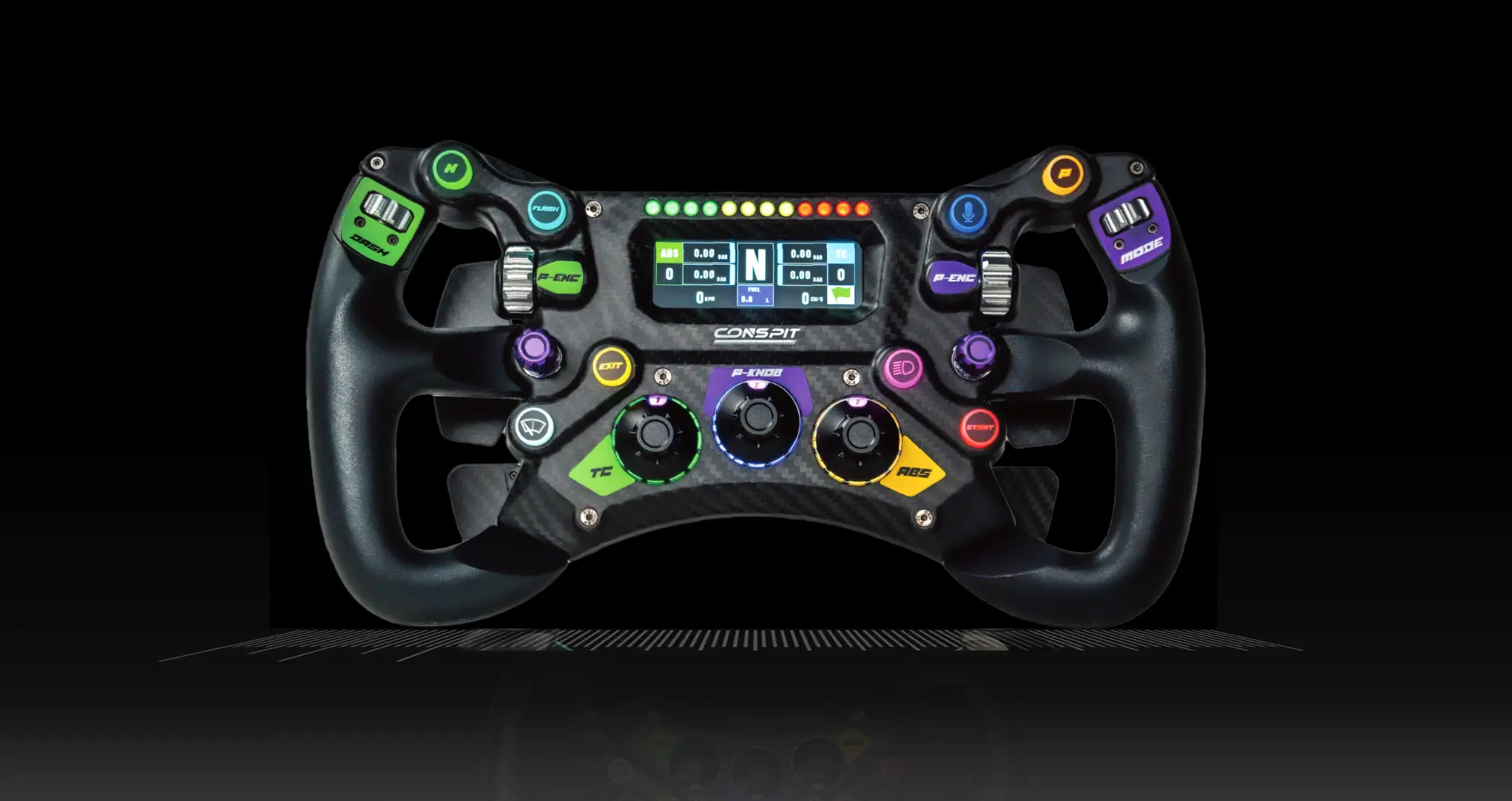
CONSPIT 300GT STEERING WHEEL
Best Value @ $399
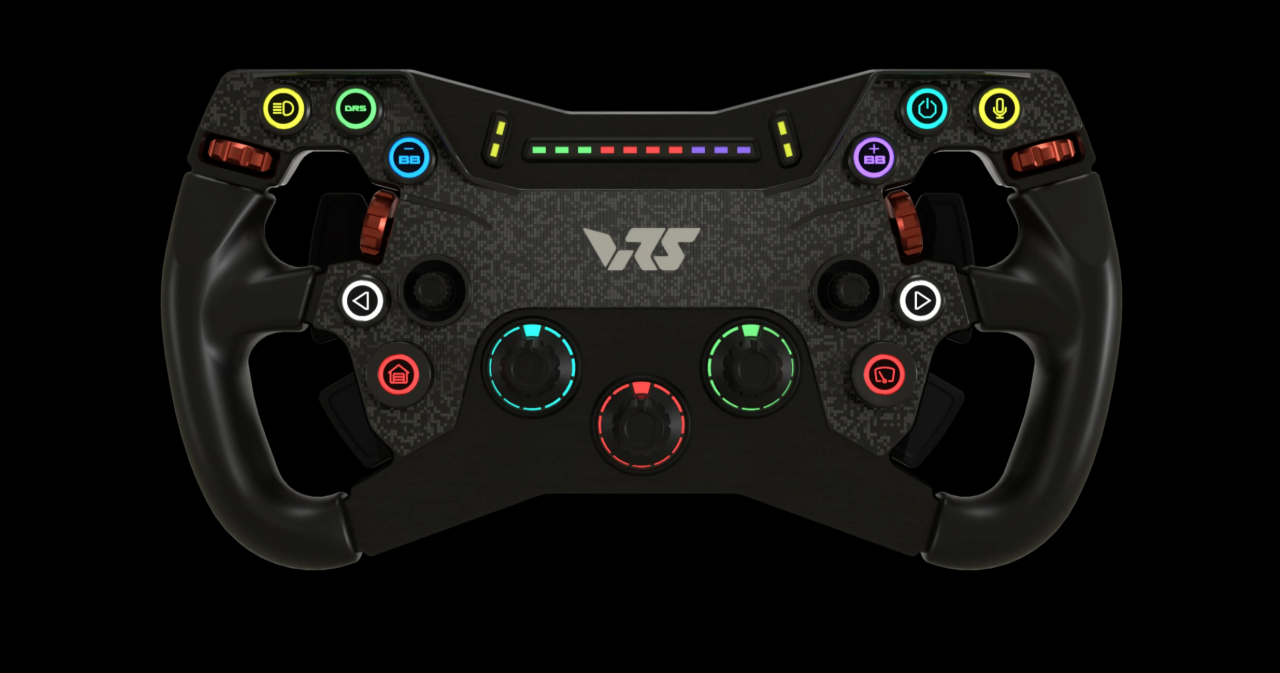
VRS R295 Steering Wheel
Best Value @ $349
MOZA FSR2 Formula Wheel
Best Value @ $649
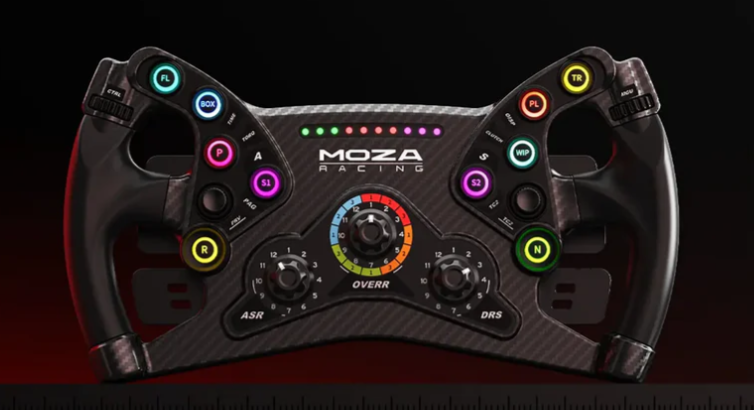
MOZA KS Steeering Wheel
Best Value @ $249
A packed exhibit hall does not guarantee attention. Attendees can walk past polished signage, free coffee, and another giveaway without slowing down. Conference racing simulator engagement changes that equation by giving people a reason to stop, compete, talk, and come back with a colleague. The right full-motion racing experience turns a booth or event space into a live destination, not just a place where conversations are supposed to happen.
For corporate event planners and marketing teams, the value is not simply the simulator itself. It is the energy around it: the crowd reacting to a close lap, the executive stepping into the cockpit, the coach helping a first-time driver find speed, and the branded leaderboard that keeps names visible all day. Those moments create the openings that sales teams and hosts need.
Why Conference Racing Simulator Engagement Works
A premium sim racing activation earns attention because it gives attendees a clear, low-pressure challenge. They do not need to understand motorsport or own gaming equipment. They see a race seat, a steering wheel, and a screen showing a recognizable track, then immediately understand the assignment: set a fast lap.
That accessibility matters at conferences, where guests arrive with different job titles, schedules, and levels of interest. A seasoned racer may chase every tenth of a second. A first-time guest may be there for the movement, the visuals, and the encouragement of friends. Both can participate in the same experience without requiring a long explanation.
Full-motion equipment raises the stakes. Motion communicates acceleration, braking, curbs, and weight transfer in a physical way that a static display cannot. It gets noticed from across the floor, but it also gives the person in the seat a memorable story to share afterward. When guests leave saying, “I have to bring my team back to try this,” engagement begins to compound.
The hardware standard makes a difference. Pro-driver-grade wheel bases, precision pedals, purpose-built racing cockpits, and high-quality displays create a believable driving experience. Cheap or poorly configured equipment can work against an event objective, especially when it produces inconsistent laps, uncomfortable seating, or technical interruptions. For an audience accustomed to premium brand experiences, the simulator should feel as intentional as the rest of the event.
Build the Experience Around the Event Goal
The most effective racing activation is designed around what the conference needs to accomplish. A busy trade show booth may need short sessions and a fast queue. A client appreciation event may benefit from longer coached runs and head-to-head races. An internal leadership meeting may want a team format that gets departments cheering for one another.
The simulator format should follow that objective rather than forcing every event into the same race. A hot-lap challenge is usually the strongest choice for high foot traffic because each guest can take a turn in a few minutes. The leaderboard gives every run a purpose and encourages repeat visits. Guests who initially came for a quick look often return later to improve their time or defend their position.
For networking-focused events, paired simulators create a natural spectator experience. Head-to-head racing gives participants something to discuss before and after the session, while the crowd can follow the action without needing a controller in hand. It is particularly effective for evening receptions, sponsor events, and VIP gatherings where competition can feel social instead of transactional.
A team race can be a better fit for employee engagement. Groups rotate through the cockpit, share strategy, and build momentum around a common score. It avoids the common team-building trap of creating one winner and many passive observers. Even people who never drive can track standings, coach teammates, and celebrate a recovery after a difficult lap.
Keep Sessions Short Enough to Create Momentum
Long sessions can deliver an impressive driving experience, but they can also cause a line to stall. At a conference, throughput is part of the guest experience. If potential participants see a queue that barely moves, many will keep walking.
A strong operating plan balances driving time with the number of guests expected. For a high-volume booth, a guided practice moment followed by one scored lap often works well. For a private event with a smaller guest list, longer races and multiple attempts may produce better interaction. There is no universal session length – the audience, room layout, event schedule, and number of simulators all matter.
Professional trained racing coaches are central to this balance. They welcome the guest, fit the seating position, explain the controls, keep the session moving, and give a quick piece of driving advice that makes the person feel capable. That guidance is more than technical support. It reduces hesitation for newcomers and makes the experience feel hosted rather than self-service.
Make the Brand Part of the Race, Not a Sign Beside It
A conference activation should not look like a generic racing game parked beside a logo wall. The strongest programs place the brand inside the competition itself. Custom graphics on the simulator create immediate visual presence, while branded race cars and trackside billboards carry that identity directly into the on-screen experience.
This approach gives branding a useful role. Every photo, replay, leaderboard glance, and spectator video can include the company naturally. Instead of asking attendees to notice a logo, the activation gives them something exciting to capture while the brand remains visible.
Customization can also reflect the conference theme. A product launch may use campaign colors and messaging on the car livery. A national sales meeting might divide drivers into regional teams. A sponsor can claim a fastest-lap award, a qualifying round, or a final race. These choices work best when they support a simple story attendees can explain in one sentence.
Avoid cluttering the experience with too many messages. If the car, track, nearby screens, and signage all compete for attention, the brand becomes harder to recall. One clear campaign message, consistent visual treatment, and a well-positioned call to action will outperform a dozen disconnected graphics.
Turn Spectators Into Participants
The person in the cockpit is only one part of the activation. Conference racing simulator engagement grows when the people around the race feel involved. A prominent leaderboard is the simplest tool because it creates a reason to watch, compare, and challenge someone else.
Live timing screens should be readable from several feet away. Display the fastest laps, current driver, team standings, or an upcoming final round. A host or coach can call out close times, congratulate a new leader, and invite the next participant before interest fades. That small amount of event choreography keeps the space active without making it feel overly scripted.
A prize can add urgency, but the prize should match the audience and event objective. A premium gift, hosted experience, or branded recognition works better than a low-value giveaway that attracts people with no interest in the brand. In many cases, recognition is enough: a final leaderboard announcement, a trophy presentation, or a photo opportunity gives top drivers a reason to stay through the event.
Lead capture should be integrated thoughtfully. Asking for extensive information before a guest can drive creates friction and slows the line. A lighter approach is to collect essential details during registration or after the race, when the guest is already energized. If a sales conversation is the goal, staff should be ready to speak with guests while they wait, review their results, or watch a teammate race.
Plan for the Details That Protect the Experience
Premium activations depend on operational discipline. Event planners should consider the footprint, power availability, load-in route, floor surface, ceiling clearance, venue timing, and nearby noise. Full-motion simulators require professional setup and a team that understands both equipment performance and live-event flow.
It is also wise to think about placement early. A simulator tucked behind tall displays may lose the visual advantage that makes it so effective. A location near a main aisle, reception area, or gathering point can attract attention, but it should still leave room for a queue and spectators. The best footprint gives drivers privacy enough to focus while keeping the action visible.
Sim Racing Warehouse brings this operational and experiential expertise to mobile full-motion simulator rentals across major event markets, including Nashville, Dallas, Orlando, Atlanta, Chicago, and Indianapolis. The goal is not to drop equipment at a venue. It is to deliver a professionally managed racing experience with trained coaches, polished presentation, and customization that supports the event.
Measure More Than the Number of Laps
A racing simulator can generate a busy crowd, but attendance alone does not prove business value. Before the event, define what a successful activation looks like. It may be qualified conversations, scheduled demos, opt-in contacts, social content, repeat visits, sponsor visibility, or stronger employee participation.
Track participation volume alongside the quality of interactions. Note how many guests return for another attempt, how long they remain in the activation area, and how many conversations happen after a session. For private events, survey feedback can reveal whether the simulator helped guests feel more connected, recognized, or excited about the program.
The best result is a conference moment people carry with them after the carpet is rolled up. Give attendees a real challenge, a coach who helps them rise to it, and a brand presence that belongs in the action. Then let the leaderboard do what the best event experiences do: bring people back for one more lap.
SHARE THIS STORY ANYWHERE YOU LIKE
SHARE THIS STORY ANYWHERE
fusion_global=”97″]
