

Conference Simulator Rental Atlanta That Draws a Crowd
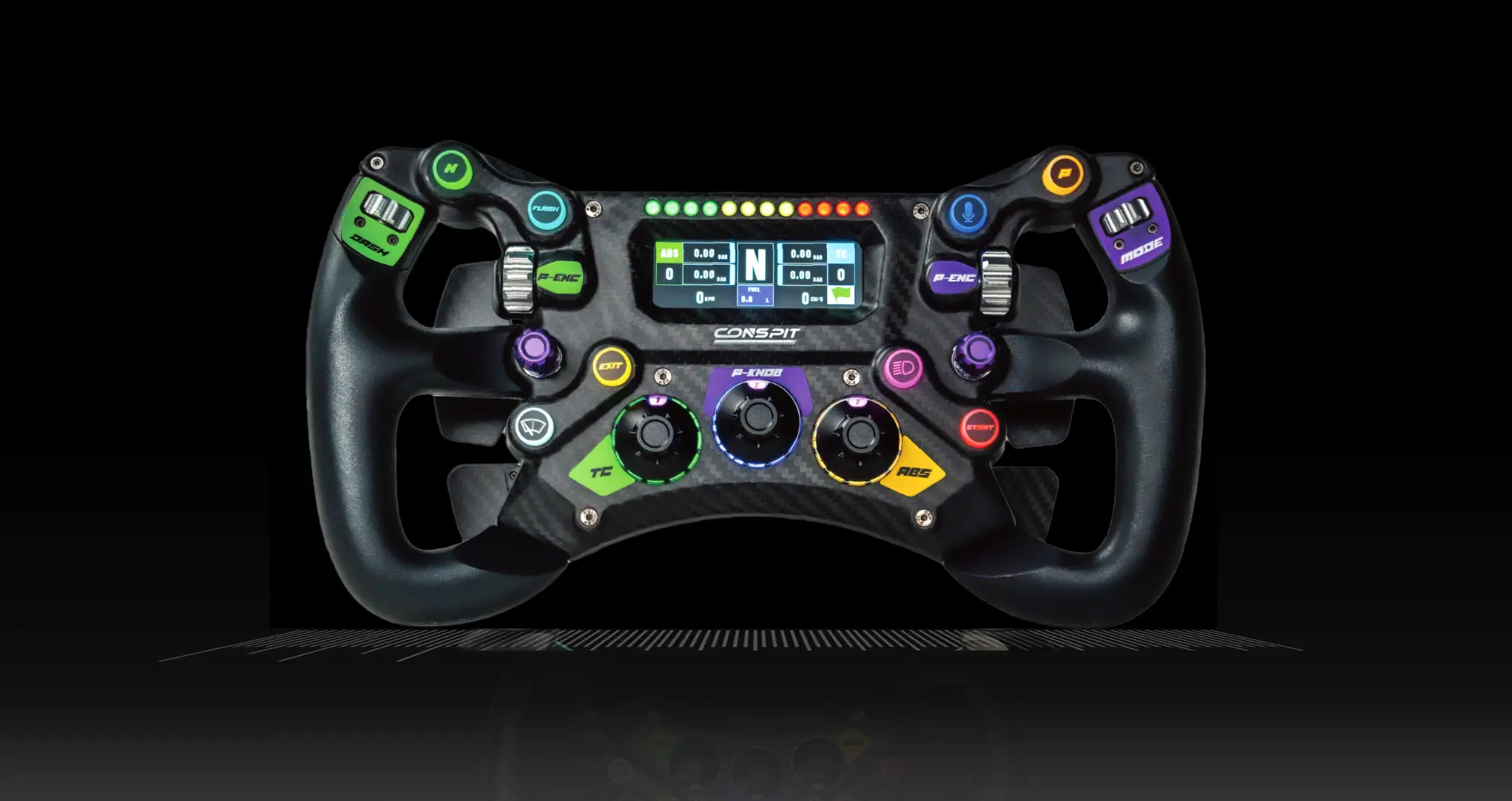
CONSPIT 300GT STEERING WHEEL
Best Value @ $399
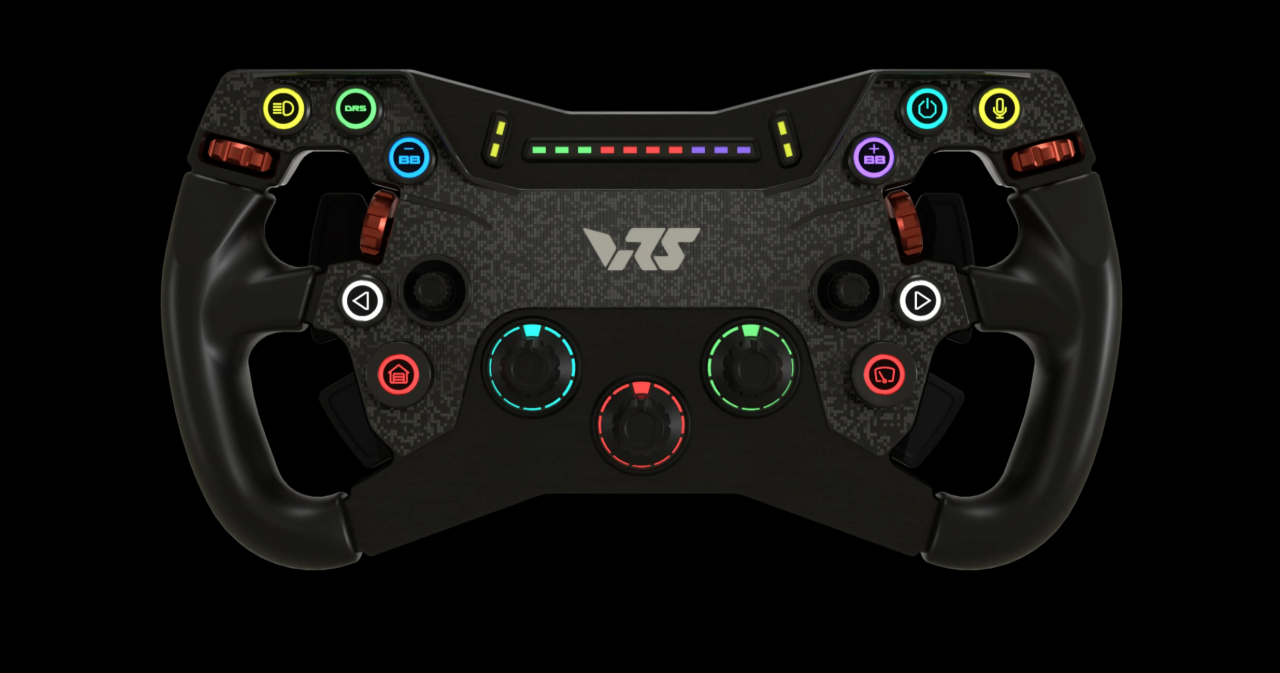
VRS R295 Steering Wheel
Best Value @ $349
MOZA FSR2 Formula Wheel
Best Value @ $649
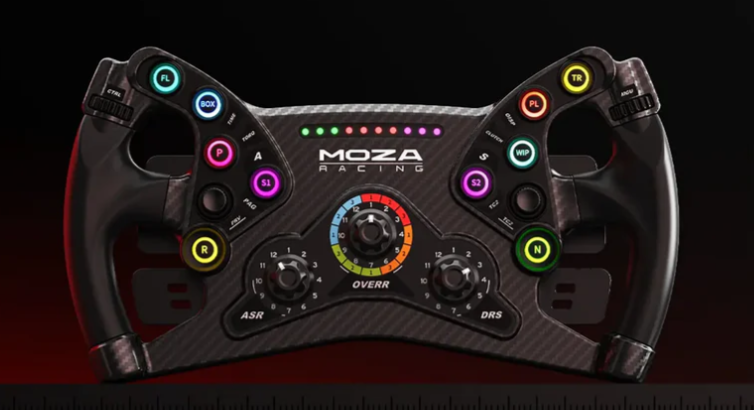
MOZA KS Steeering Wheel
Best Value @ $249
A busy conference floor gives attendees plenty to look at and very little reason to stop. A conference simulator rental Atlanta event planners can place at the center of their activation changes that dynamic fast. The sound of a race launch, the movement of a full-motion cockpit, and a leaderboard worth chasing create a visible reason for people to gather, participate, and remember who brought the experience.
For corporate conferences, trade shows, client events, and internal meetings, sim racing works because it is more than a screen-based attraction. Guests sit in a realistic racing position, drive pro-driver-grade equipment, feel the car react beneath them, and get coached through every lap. The result is competitive enough for motorsport fans, approachable enough for first-time drivers, and polished enough for a premium brand environment.
Why a Conference Simulator Rental in Atlanta Gets Attention
Most conference entertainment has a participation problem. It may look impressive from a distance, but guests hesitate because they do not know what to do, how long it will take, or whether they will feel awkward joining in. Racing simulators remove much of that friction. The objective is immediate: get in, drive a lap, improve your time, and see where you land.
That simple format supports a steady flow of participants while creating an audience around the action. Colleagues cheer for a teammate. A sales prospect returns to beat a prior score. Executives who would never join a conventional game activity often make time for a quick lap once the friendly competition begins.
The full-motion element matters here. Motion gives the experience physical stakes without making it inaccessible. Drivers feel braking, acceleration, cornering forces, and track surface changes in a way a static setup cannot reproduce. It turns a race into a story guests can talk about after they leave the convention center.
It Fits Both High-Energy and Professional Environments
A simulator activation can be built around the atmosphere of the event. At a product launch or sponsor reception, the race may be fast, loud, and leaderboard-driven. At an executive conference, it can be presented with a more refined footprint, guided sessions, branded vehicle liveries, and a schedule that respects networking time.
The best format depends on the room and the goal. If attendee volume is the priority, short hot-lap sessions and multiple simulators keep the line moving. If relationship building matters more, slightly longer coached races give guests and hosts a natural shared activity. For team-building programs, a structured tournament creates a genuine reason for departments to collaborate and compete.
What Premium Equipment Changes for Your Event
Not every racing simulator produces the same guest experience. Consumer-grade gear may be fine for a casual game room, but a conference activation has to perform continuously, look credible, and deliver a consistent experience for drivers with very different skill levels.
Professional-grade wheel bases, precise pedals, rigid racing cockpits, and responsive full-motion platforms give every guest meaningful feedback. Experienced drivers recognize the quality right away. New drivers may not know the hardware specifications, but they notice that the steering feels controlled, braking feels intentional, and the cockpit feels like a real race car rather than an arcade cabinet.
Reliability is equally important. Conferences run on narrow windows. A keynote ends, a reception begins, and a crowd arrives at once. Equipment must be capable of handling repeated sessions without becoming the focus for the wrong reason. A polished simulator rental includes more than the rigs themselves. It includes professional setup, event-ready presentation, race management, and trained staff who keep the experience moving.
At Sim Racing Warehouse, trained racing coaches personally guide each guest, from the driver who has never held a racing wheel to the experienced competitor looking for a cleaner, faster lap. That coaching is not a small detail. It keeps the line from stalling, helps guests gain confidence quickly, and makes the activation feel premium rather than self-service.
Make the Race Carry Your Brand
A conference floor is valuable real estate. If your simulator experience is only entertaining, it can still draw traffic. If it is branded intentionally, it can also turn that traffic into repeated brand exposure.
Customization can place your visual identity directly on the simulator stations, on in-sim race cars, and across trackside billboards. A guest does not just drive a generic vehicle. They drive in an environment that reflects the company hosting the event. Photos, videos, and spectator moments carry the branding further, especially when a group gathers around a close leaderboard battle.
This is particularly effective for organizations that need to demonstrate innovation, performance, precision, speed, or technical capability. The connection should be genuine. A technology company may use the simulator to reinforce responsiveness and engineering. A financial services brand can frame a tournament around decision-making under pressure. A recruiting team can use it to create a memorable first interaction with candidates.
Branding should not overwhelm the race itself. Guests engage because driving is exciting, not because they want to sit through an advertisement. The strongest activations let the event identity enhance the setting while the racing remains the main attraction.
Planning the Right Footprint for Your Conference
The first planning question is not simply, “How many simulators?” It is, “What should attendees do and feel when they reach this part of the event?” A compact single-rig experience can create a strong focal point for a VIP reception or a smaller sponsor area. A multi-rig setup is better suited to a large exhibit hall, an all-day conference, or a tournament designed to generate recurring traffic.
Space, power access, load-in rules, and event timing all shape the final design. Full-motion simulators have a more commanding presence than static units, so they should be given enough room for safe operation and clear visibility. Placement near a natural traffic route helps, but avoid positioning the experience where queues will block neighboring exhibitors or a main aisle.
Think about the audience schedule as well. A simulator can run continuously, but it performs best when the racing program has a rhythm. Short open sessions can fill arrival periods and breaks. Scheduled challenges can pull attendees back after lunch. A final leaderboard announcement gives people a reason to return before the event closes.
For many conferences, the most effective structure combines both open play and a scheduled competitive moment. People can try a lap without commitment, then decide whether they want to return for a faster time. That creates engagement without forcing every guest into a formal tournament.
Details That Keep the Line Moving
A great activation feels exciting to the person in the cockpit and organized to the person waiting nearby. That requires thoughtful race flow. Session lengths should match expected attendance, and the experience should be easy to understand before a guest sits down.
A visible leaderboard is one of the simplest ways to build momentum. It gives each driver a target and gives spectators a reason to watch. Add a clear prize structure if it supports the event, but do not rely on prizes alone. Bragging rights, team rivalries, and a fast lap in front of coworkers are usually enough to make the competition matter.
Staffing also determines whether the experience feels effortless. Professional coaches can adjust seating, explain controls, offer fast driving tips, and keep each driver focused on the fun rather than the learning curve. They can also adapt their approach for a cautious beginner, a competitive guest, or a group that wants more energy from the emcee-style presentation.
Accessibility and comfort deserve attention, too. Guests arrive in business attire, may have limited time, and may not consider themselves gamers. A well-managed simulator experience welcomes them without pressure. Clear guidance, clean equipment, easy entry and exit, and supportive coaching make participation feel natural.
The Business Case Goes Beyond Entertainment
Conference activations are often judged by foot traffic, leads, dwell time, and post-event recall. Sim racing can support each of those goals, but the measurement plan should be chosen before the equipment arrives.
For a trade show booth, track scans, appointments set, and the number of guests who return for a second lap. For an internal event, consider participation across teams, tournament signups, and employee feedback. For a client program, the more meaningful signal may be how long conversations continue after the race and whether hosts have a useful, low-pressure way to connect.
A simulator is not a substitute for a clear event strategy. It is a high-impact tool that needs the right host team, branding, and call to action around it. When those pieces align, the race becomes the opening move in a business conversation rather than a distraction from one.
The strongest conference experiences leave guests with a specific memory: the corner they nearly nailed, the teammate they finally beat, or the branded race car they drove in front of a crowd. Give your attendees a reason to step away from the standard conference routine and race for something worth remembering. Book your event today.
SHARE THIS STORY ANYWHERE YOU LIKE
SHARE THIS STORY ANYWHERE
fusion_global=”97″]
